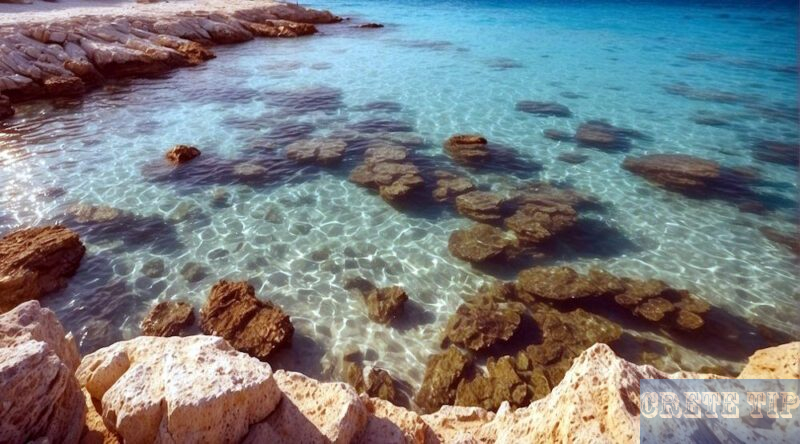
Crete rewards a camera that can handle whitewashed lanes at midday, broad coastal views and dinner scenes after sunset. When choosing among the best smartphones for taking photos in Crete in 2027, optical quality and sensor size make a noticeable difference.
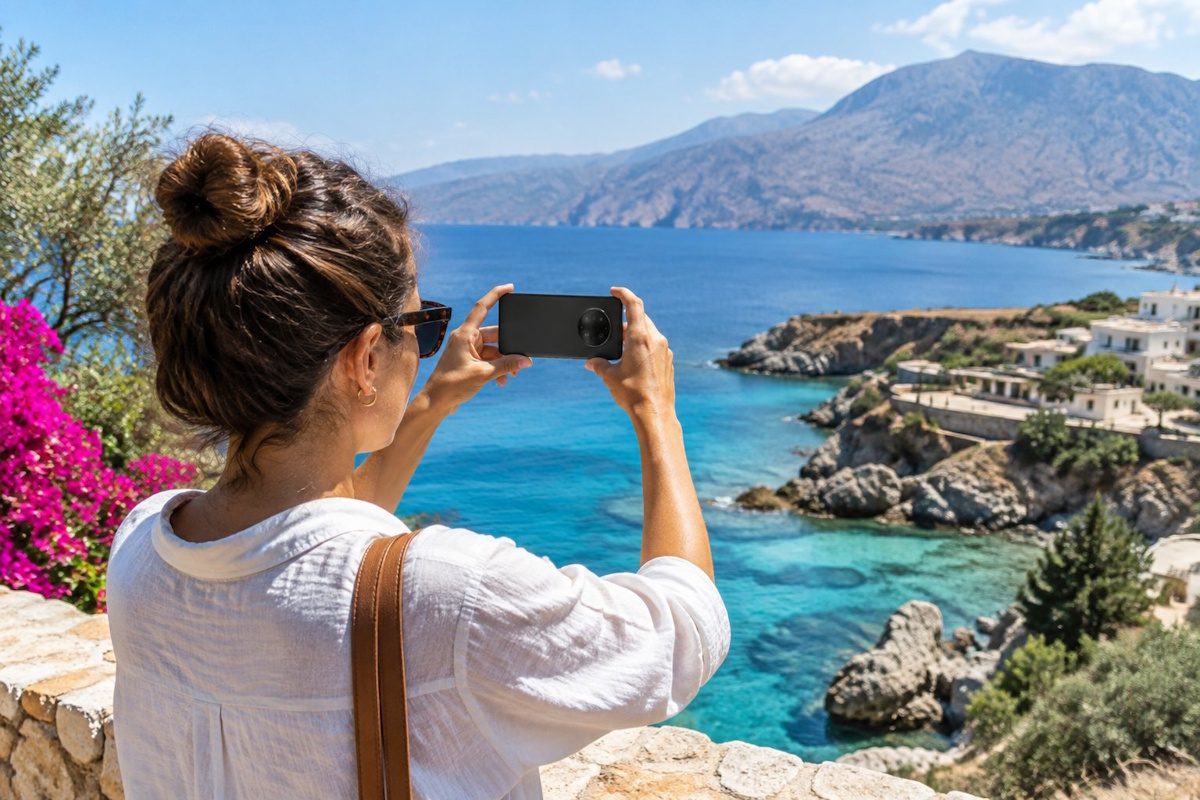
For most travellers photographing the island’s scenery and everyday moments, we recommend the Xiaomi 17 Ultra. Its 1-inch main sensor and mechanical optical zoom make it the most capable camera system in this group. At KretaTipp, we help visitors make the most of their time on the island. A dependable phone camera is a handy way to bring home vivid memories without packing a separate camera.
For beach and landscape photos, look for useful optical zoom, image stabilisation and a screen that stays clear in strong light. An updated smartphone camera ranking can help you compare top camera smartphones.
Travellers often compare flagship smartphone cameras like the Samsung Galaxy S26, the Samsung Galaxy S26 Ultra, the Google Pixel 9 Pro and the Google Pixel 9 Pro XL for demanding travel scenes. Samsung uses dedicated Nightography processing for vibrant evening harbours, while Google relies on Night Sight algorithms to brighten shadowy old town alleyways.
Battery life and storage matter on long sightseeing days, and it’s worth checking water resistance before taking a phone near the sea. Strong low-light photography also comes in handy when you’re exploring tavernas at dusk. Our earlier guide to mobile phones for Crete photos offers more island-focused context.
Best for landscapes and distant details: Xiaomi 17 Ultra
Best for an all-round camera setup and distinctive design: Nothing Phone (3)
Best for simple holiday snapshots on a budget: Ulefone Note 23
Xiaomi 17 Ultra
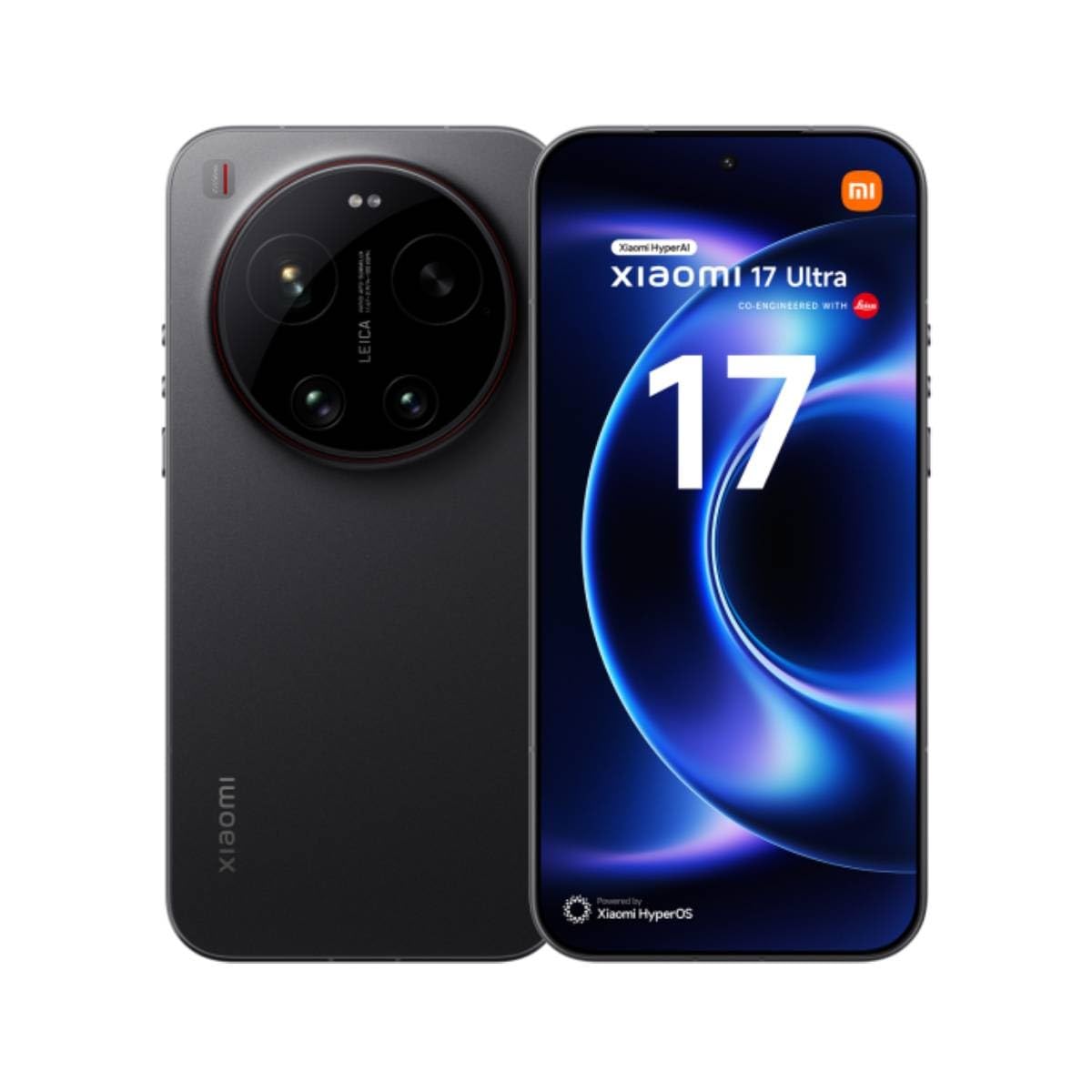
Buy this phone if photography is your priority and you want a specialised zoom camera alongside a large-sensor main camera.
Pros
- 50MP main camera with a 1-inch sensor and optical image stabilisation
- 200MP telephoto camera with mechanical optical zoom from 75mm to 100mm
- Large 6,000mAh battery
Cons
- No power adapter is included
- The listing says it is not water resistant
- Large screen and camera hardware make this a substantial phone
The telephoto camera is the clearest advantage for Crete. It gives you more ways to frame distant cliffs, harbour details and portraits without relying only on digital zoom. The main camera’s large sensor, wide aperture and stabilisation are designed to gather light and retain detail in both bright and dark parts of a scene.
It also records 8K video and 4K Dolby Vision video at up to 120 frames per second. The 6.9-inch display is bright on paper, though you’ll want to factor in the phone’s size and the lack of a power adapter when packing. For more island photography ideas, see our guide to great photo memories of Crete.
Nothing Phone (3)

Choose the Nothing Phone (3) for a flexible camera setup with main, periscope and ultra-wide-angle options, plus a bright 120Hz screen.
Pros
- Three 50MP rear cameras, including a periscope camera
- Optical image stabilisation on the main and periscope cameras
- Case and screen protector listed in the box
Cons
- 256GB storage
- No headphone jack
- Its camera features are less specialised than the Xiaomi’s long optical zoom
The three rear cameras give you options for expansive coastal views, everyday shots and more distant subjects. Optical image stabilisation on the main and periscope cameras helps reduce the effect of small hand movements. That can be useful when the light is fading or you’re taking photos while out and about.
The 6.67-inch AMOLED display has a 120Hz refresh rate and a stated peak brightness of 4,500 nits. Its Glyph Matrix is a distinctive rear notification display, and the 5,150mAh battery supports wired fast charging and wireless charging. It’s a strong all-rounder, though the listing provides less detail about the camera optics than Xiaomi’s.
Blackview WAVE

The Blackview WAVE suits basic holiday photography and browsing, with a large screen and a listed 32MP rear camera.
Pros
- 6.88-inch screen
- 128GB storage with microSD expansion listed up to 1TB
- 3-year manufacturer warranty
Cons
- 720p screen resolution
- 60Hz refresh rate
- 4G connectivity
Its large display gives you plenty of room to review pictures and read maps. The listing also describes HDR and night modes for the 32MP rear camera. Those features don’t tell us how much detail it captures in difficult light, so treat them as a basic feature set, not proof of flagship results.
The phone also has a 13MP selfie camera and a 5,000mAh battery. You can use it to take straightforward portraits with friends against sunny Greek ruins.
Its 4G connection and 720p screen are modest compared with higher-end options. But the expandable storage could come in handy if you take lots of photos and prefer to keep them on your phone.
Ausriray 5G Smartphone
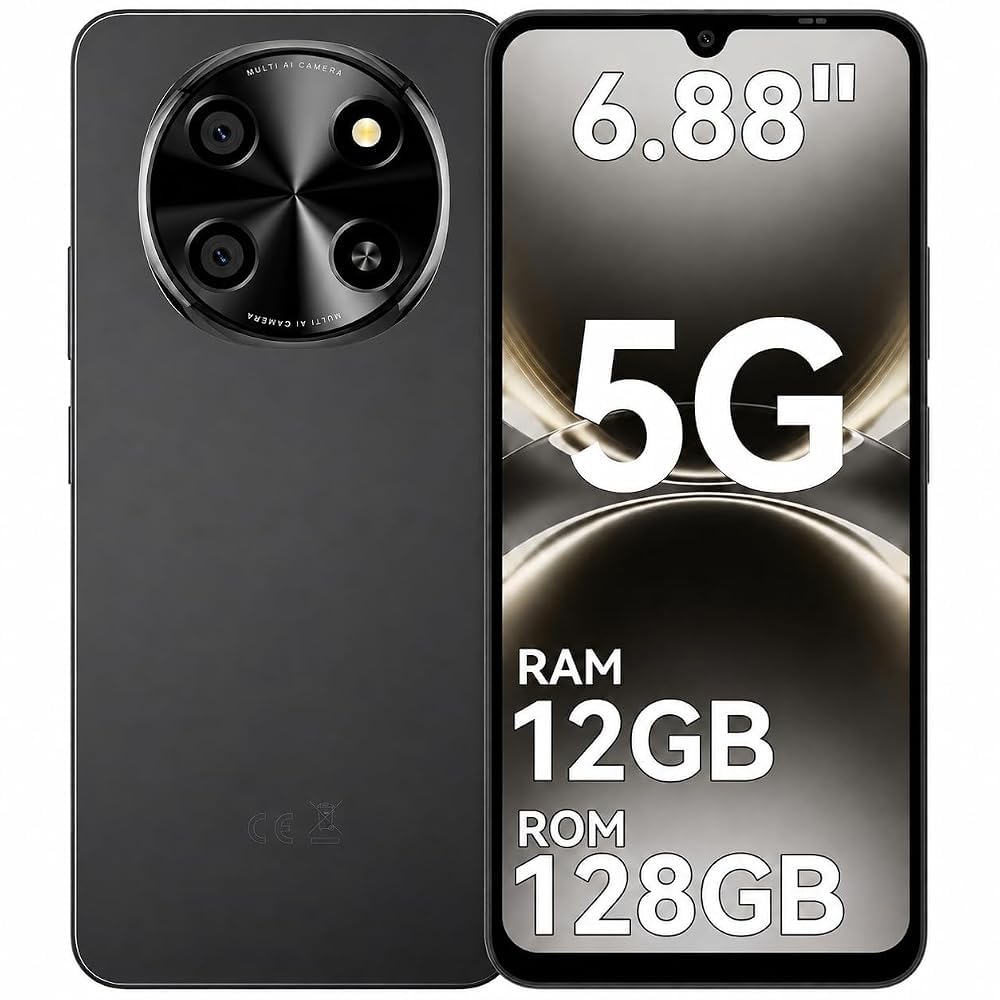
Consider this Ausriray phone for everyday snapshots and 5G connectivity, but keep its camera claims in perspective.
Pros
- 5G and NFC are listed
- 5,000mAh battery
- 3.5mm headphone jack and expandable storage listed
Cons
- Rear camera is listed at 16MP
- The front-camera details conflict across the listing
- The claimed camera modes do not establish photo quality
The 6.88-inch display is advertised with a 120Hz refresh rate, and the listing describes night, portrait and panorama modes. It gives conflicting details about the front camera, though, so we wouldn’t choose it for a particular selfie resolution. Its 16MP rear camera is a simpler proposition than the dedicated multi-camera systems higher in this guide.
The phone’s 5G, NFC and 128GB of internal storage make it look feature-rich for its class. Its 5,000mAh battery and claimed light build could suit everyday travel, but inconsistent specifications make it harder to judge as a camera-first purchase.
Blackview ROCK 1
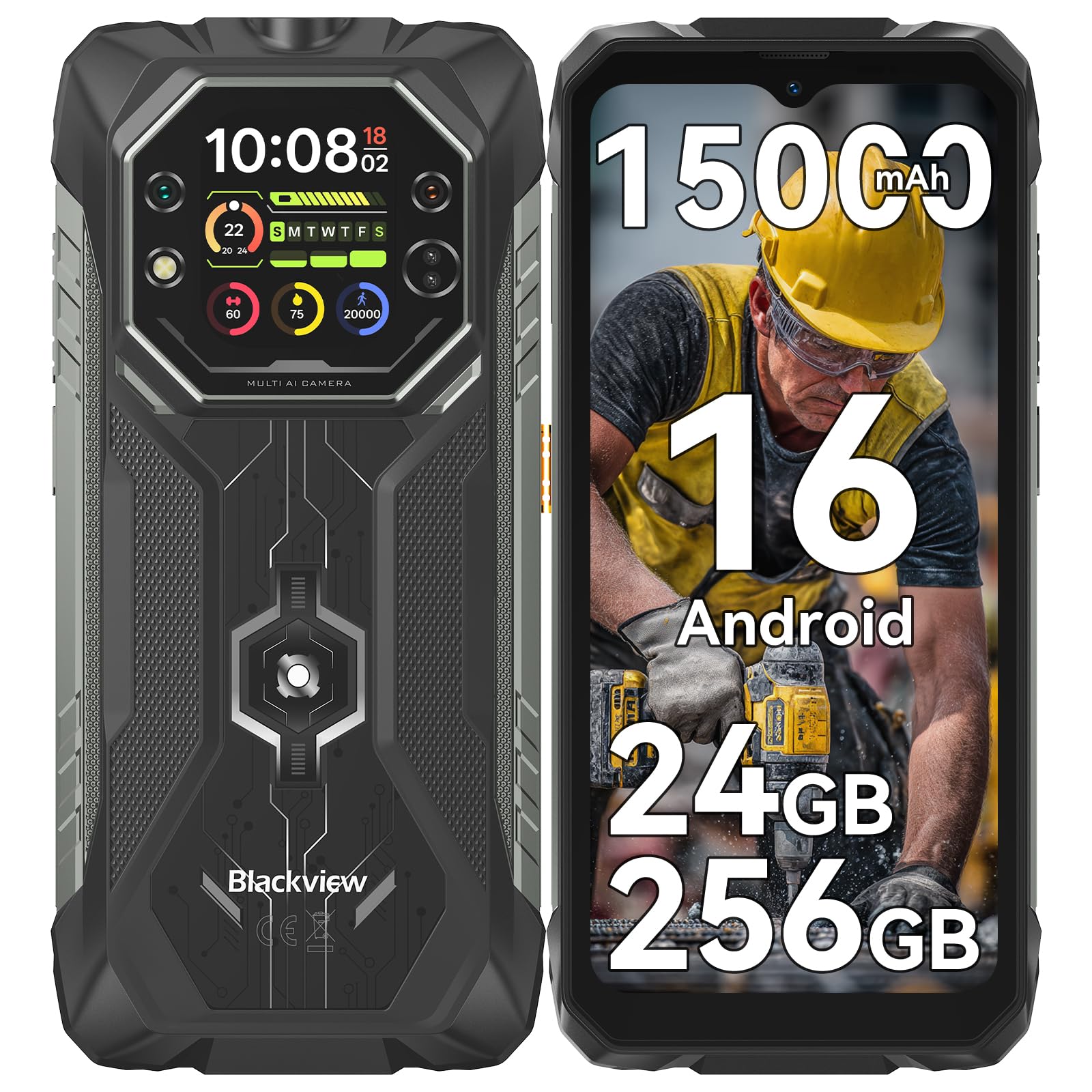
Pick the ROCK 1 for its rugged build and very large battery. Its camera features take a back seat to its outdoor design.
Pros
- IP68/IP69K and MIL-STD-810H certifications are claimed
- 15,000mAh battery with 5W reverse charging
- Rear screen and glove mode
Cons
- Heavy, bulky design
- 4G connectivity
- Camera details are less complete than the headline claims
The listing describes a 16MP main camera, a 13MP front camera and a separate 20MP night-vision sensor. That night-vision feature might help with specialised low-light viewing, but the listing says little about ordinary photo performance. On its own, it’s not a reason to choose this phone for holiday pictures.
Its large battery and rugged ratings suit demanding outdoor work or trips where charging access is limited. For a typical Crete holiday, though, the extra bulk may be harder to carry all day. The 6.56-inch HD+ screen also feels more practical than the advertised 15,000mAh capacity suggests.
invens Air 1
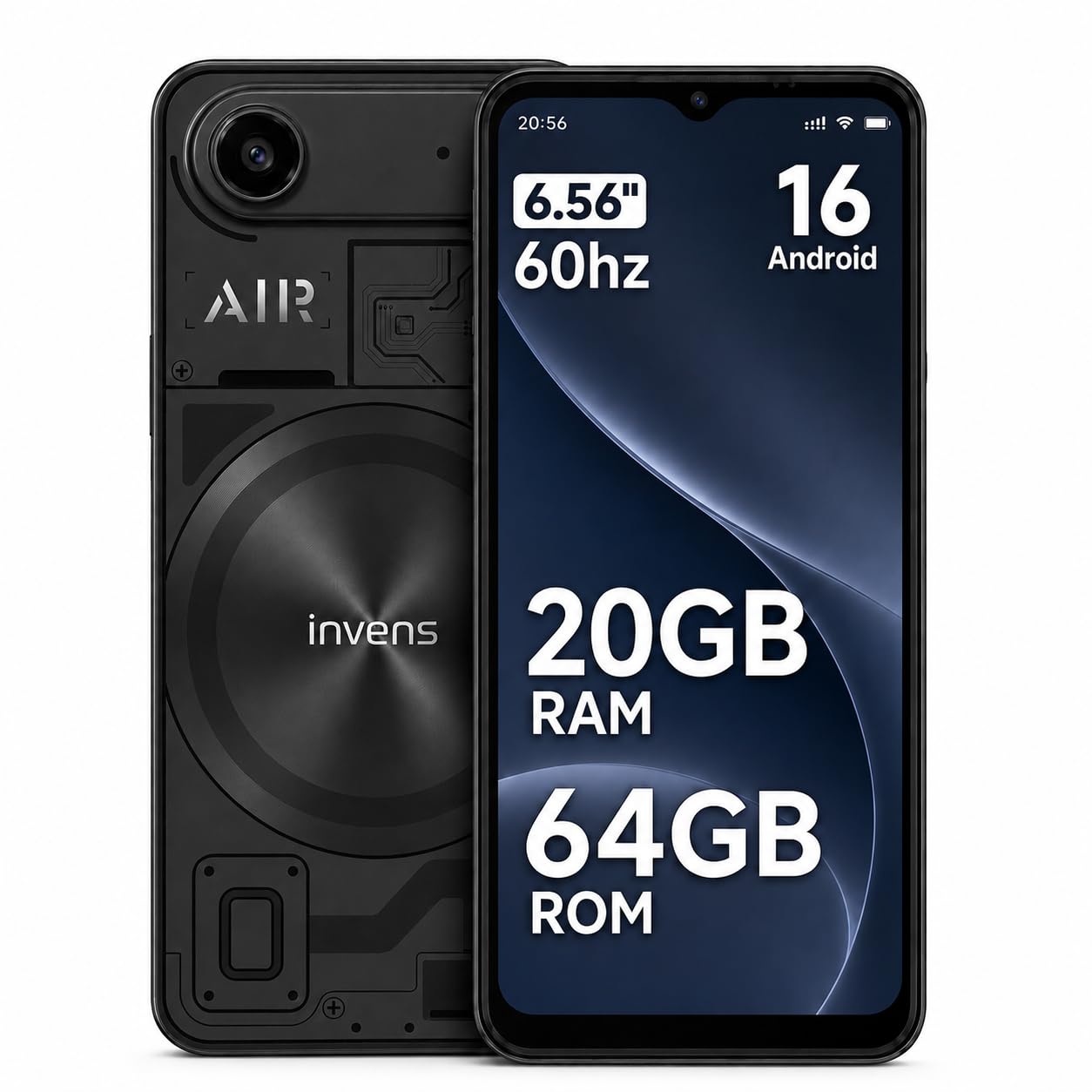
The invens Air 1 is a basic option for casual snapshots, calls and everyday apps. Its camera hardware is modest.
Pros
- 16MP rear and 8MP front cameras listed
- 5,000mAh battery
- Case, screen protector and power adapter listed in the box
Cons
- 4G only
- 720p screen
- 4GB physical RAM, with extra memory listed as virtual
Its camera specifications suit simple records of meals, family moments and village walks. The product name and listing give different screen sizes, but the specifications list a 5.6-inch, 720p display. Check the seller’s current details before buying.
The T310 processor and Android 16 target everyday use. The phone lists 64GB of internal storage and a microSD slot in the product name, but the listing gives inconsistent figures for maximum expansion. It’s a less convincing choice if you want to crop distant landscapes or shoot in dim interiors.
invens ULTRA S25
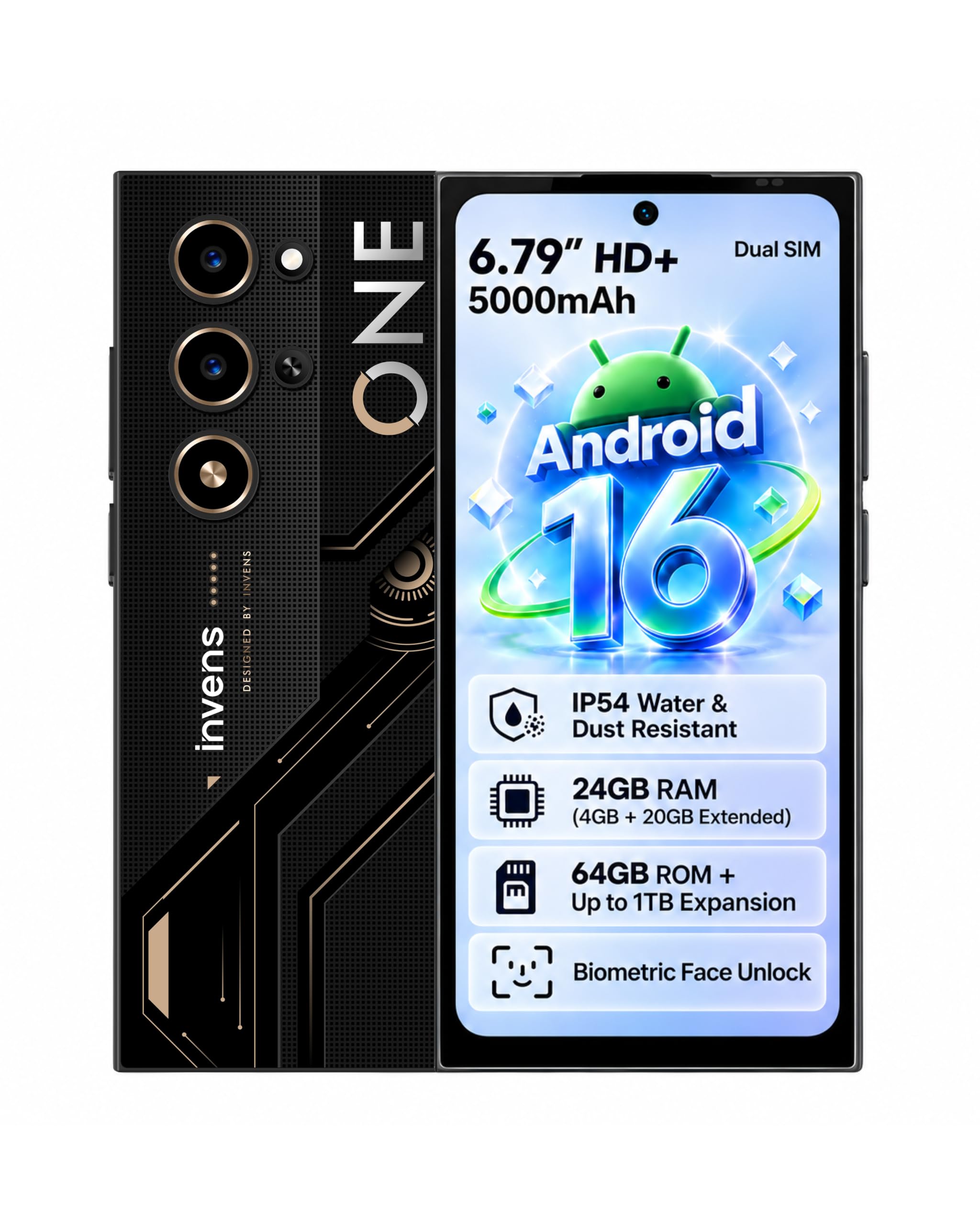
Choose the invens ULTRA S25 for a large-screen, entry-level phone that handles simple photos and daily communication.
Pros
- 6.79-inch HD+ display
- 5,000mAh battery
- Dual SIM and microSD expansion listed
Cons
- 16MP rear and 8MP front cameras
- 64GB internal storage
- 4G connectivity
The rear camera’s 16MP resolution suits casual snapshots, though megapixels alone can’t tell you how well it handles bright highlights or evening scenes. The product information lists 4GB of physical RAM, with additional memory described as virtual expansion.
The large screen makes maps and photos easier to view, and the 3.5mm jack comes in handy if you travel with wired headphones. If you’re taking lots of photos, consider a memory card, especially if you plan to keep videos on the device.
Motorola One Macro (Renewed)
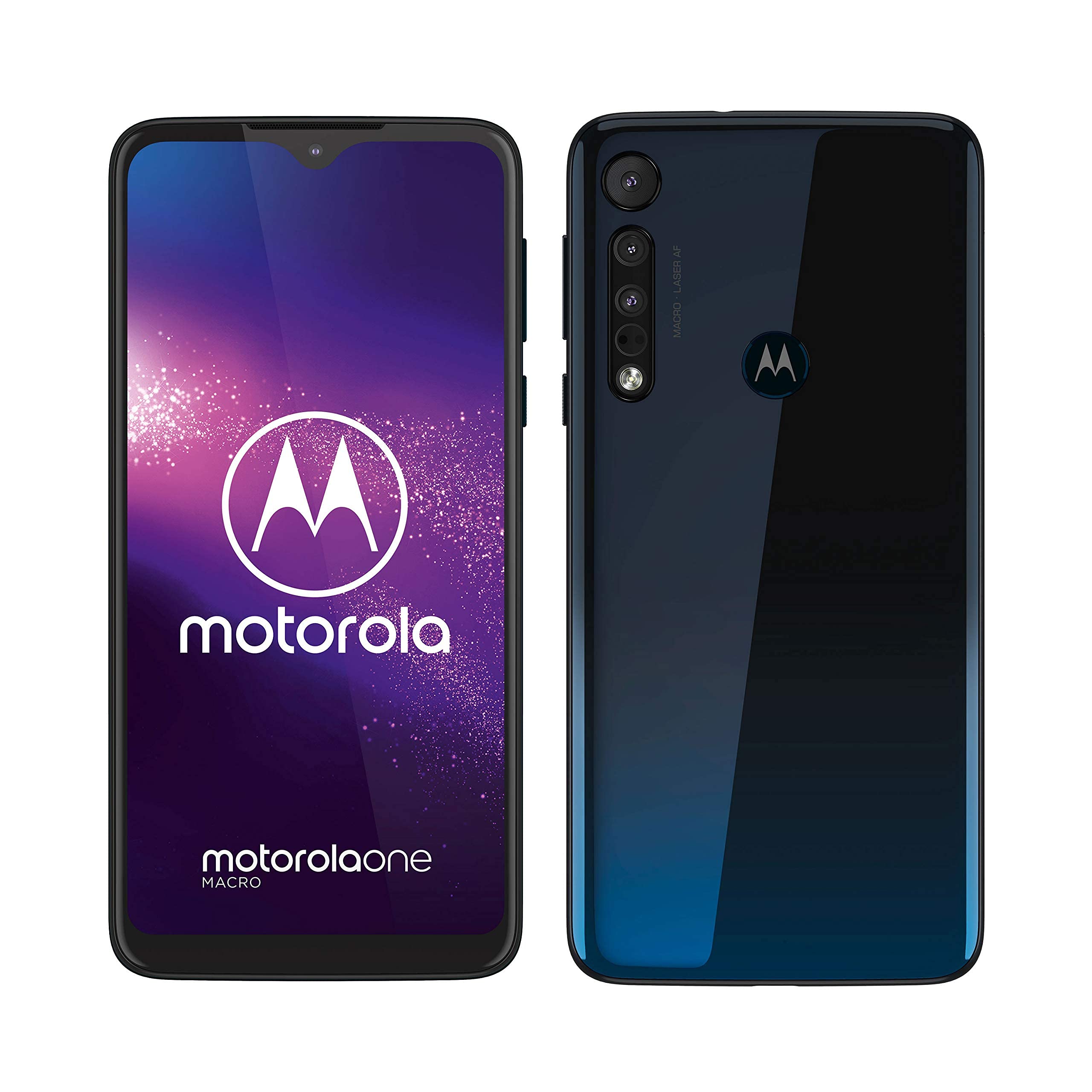
The renewed Motorola One Macro is a low-cost choice for basic photos. Its age, though, makes it a limited pick for a new travel camera phone.
Pros
- Dedicated macro shooting mode
- 6.2-inch HD+ display
- 1-year limited warranty listed
Cons
- Android 9.0 is named in the product title
- 4GB storage is listed in the specifications
- Renewed condition and charging contents should be checked
The product title describes 64GB storage and 4GB RAM, but the specifications also list 4GB as the storage capacity. That inconsistency matters for a phone meant to hold holiday photos, so confirm the exact configuration with the seller before ordering.
Its macro camera mode is designed for close subjects, such as small objects and details. The listing gives little camera information beyond that feature and says the box includes only a charging cable. This older renewed model is a cautious budget option, rather than a leading choice for Crete photography.
DOOGEENEXT Note 56
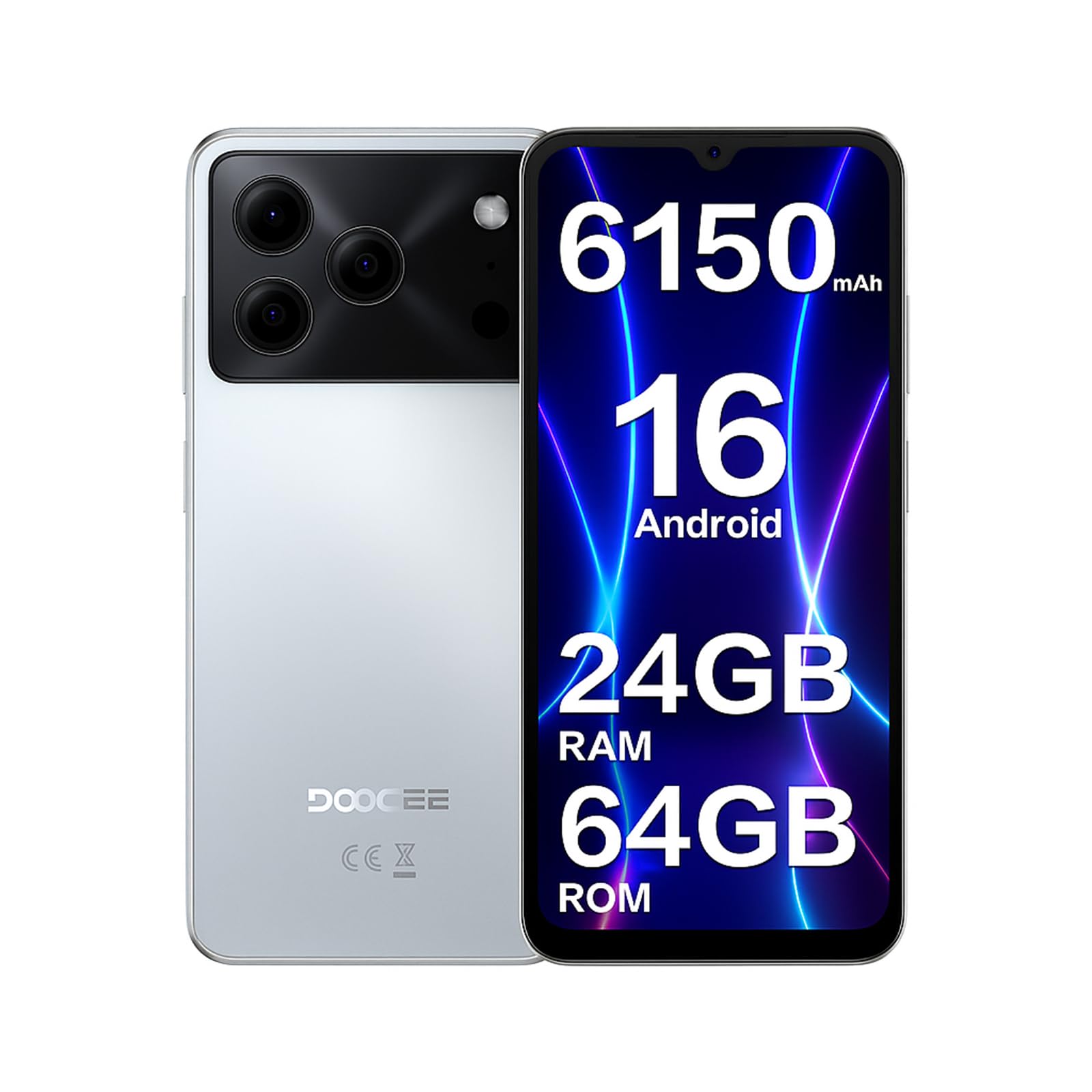
The Note 56 targets budget use and long battery life. Its camera specifications suit straightforward snapshots.
Pros
- 6,150mAh battery
- 90Hz display
- Charger and USB cable listed in the box
Cons
- 8MP rear and 5MP front cameras in the specifications
- 64GB internal storage
- A customer review describes the software as Android Go
The listing promotes 24GB of RAM, but its specifications break this down as 3GB of physical RAM plus virtual memory. With an 8MP rear camera, this phone suits casual photos better than detailed landscapes or night scenes.
Its large battery could help on long days away from a socket, and the 6.56-inch display has a 90Hz refresh rate. A customer review questions whether the Android version is Go edition, so check the software details with the seller if app compatibility matters to you.
Ulefone Note 23
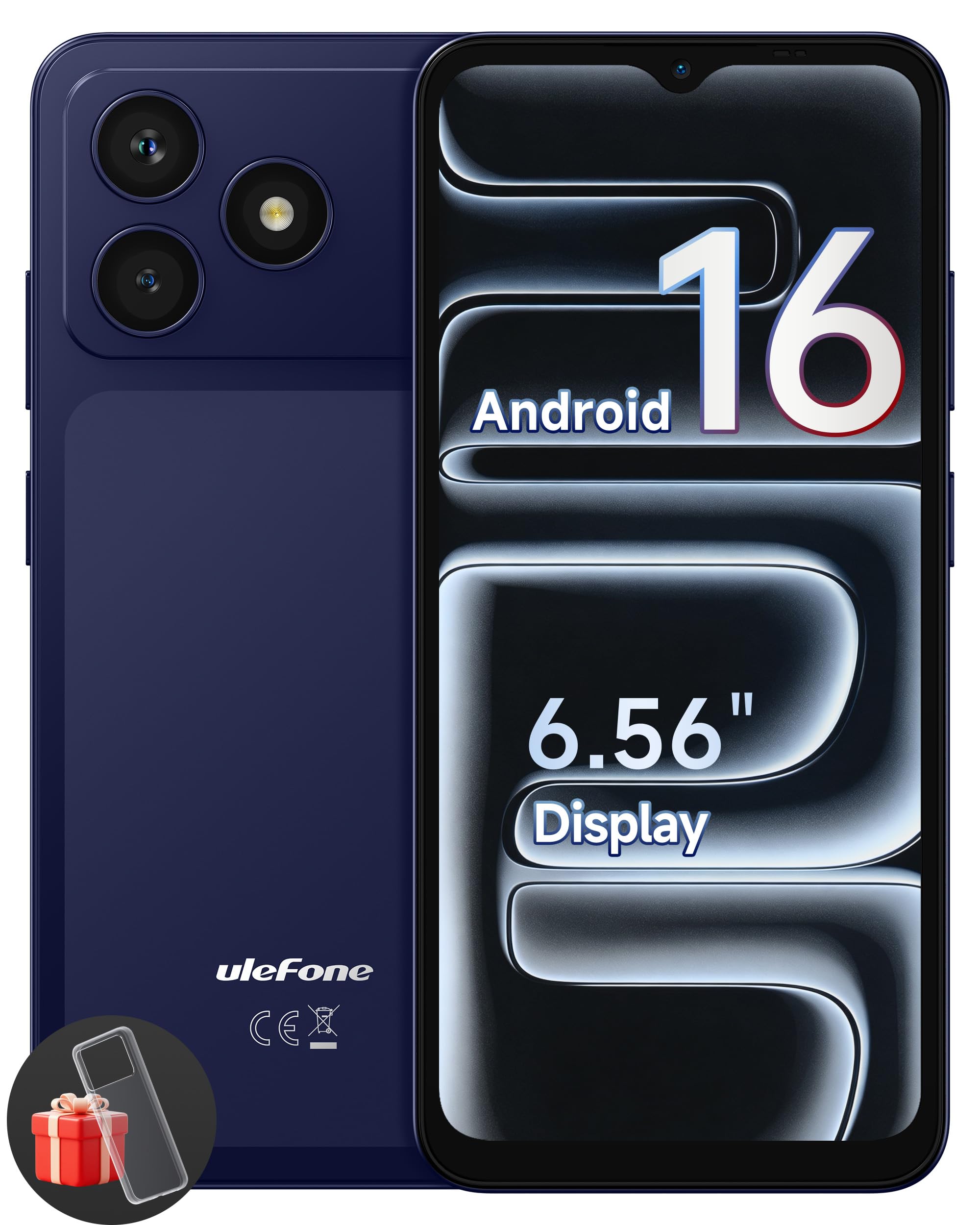
The Ulefone Note 23 is a sensible basic phone for calls and casual holiday photos. Its three-card-slot design is a useful extra.
Pros
- 6.56-inch, 90Hz display
- Two SIM cards and a microSD card can be used together
- Protective case and 3-year warranty listed
Cons
- 32GB internal storage
- Android 16 Go, a lighter version of Android
- No charger included
Its camera specifications are modest, and the listing gives no details about optical zoom or stabilisation. It’s a better fit for everyday snapshots than for travellers who want to frame distant landscapes or capture fine detail after dark.
The phone has a 5,000mAh battery, though its specification table also lists 4,800mAh. The included case, cable and expandable storage are practical extras. Since there’s no charger in the box, check that you have a compatible USB power adapter before setting off.
Buying Guide

For Crete travel photos, prioritise reliable camera hardware, optical zoom, and enough battery and storage for a full day out.
Camera features that help on the island
A large main-camera sensor collects more light, which helps in shaded alleys and with low-light photography. Optical image stabilisation reduces blur from small hand movements, while optical zoom preserves more detail when you frame distant scenery.
Modern smartphone cameras shine when high-end computational processing works with versatile lenses. Flagship devices such as the Google Pixel 9 Pro and Google Pixel 9 Pro XL show how software and sensor tuning can help with scenic travel shots.
An ultra-wide-angle camera is handy for broad coastlines and tight streets. A capable selfie camera also helps holiday memories and group portraits look sharp in full sunlight.
Megapixel counts describe image dimensions, not the full quality of a photo. Look for clear information about camera lenses and stabilisation, and be cautious when listings give big numbers without explaining what the cameras do. If you’re comparing phone photography with a separate camera, our compact camera guide for Crete offers another way to approach travel photography.
Screen, battery and storage
A bright screen makes it easier to review photos outdoors, while a larger battery helps on long days of navigation and photography. Check internal storage before you buy, especially if you record video. microSD expansion helps only if the phone supports it and you have a suitable card.
| Feature | What to check |
|---|---|
| Main camera | Sensor size, stabilisation and low-light features |
| Zoom | Optical zoom range and dedicated telephoto lens |
| Display | Brightness, resolution and outdoor readability |
| Battery | Capacity and charging support |
| Storage | Built-in space and microSD support |
| Durability | Water-resistance rating and warranty |
Make the phone fit your trip
A lightweight phone is easier to carry on walks, while a rugged model can suit demanding outdoor use. Check network compatibility, SIM support and what comes in the box, including whether the seller supplies a power adapter. For more camera choices, our guides to 4K digital cameras for amateur photographers and mirrorless cameras cover dedicated-camera options.
Mobile phone camera test: These smartphones take the best photos
The test procedure for smartphone cameras
A special photo test stand was developed to create fair conditions for all devices. Various lighting situations were simulated here and hundreds of photos were taken with each smartphone. These are then thoroughly analysed both automatically and by experts.
What is taken into account in the evaluation?
Many factors play a role in the test. The quality of the main and selfie camera was analysed, as well as the shutter speed, zoom and flash function. Video quality and special lenses such as ultra-wide angle are not included here.
Frequently Asked Questions

What phone has the best camera in 2027 for taking photos in Crete?
The Xiaomi 17 Ultra has the strongest camera specifications in this guide, with a 1-inch 50MP main camera and a 200MP telephoto camera with mechanical optical zoom. Those features suit both low-light photography and distant details across the island.
Which smartphone in this guide takes the best pictures in bright sunlight?
The Xiaomi 17 Ultra is the most compelling option for bright outdoor scenes, with a high-brightness display and a main camera designed to retain detail across highlights and shadows. Its telephoto camera also gives you more framing choices when photographing a sunlit coastline.
Is the Xiaomi 17 Ultra a good choice for photographing Crete’s landscapes?
Yes. Its large-sensor main camera and mechanical optical zoom work well for broad views and distant landscape details. The phone isn’t listed as water resistant, so take care around beaches and boats.
Which phone is best for taking night photos while travelling in Crete?
The Xiaomi 17 Ultra is the strongest choice here for night photography, thanks to its 1-inch main sensor, wide aperture and optical image stabilisation. Blackview advertises night-vision features on the ROCK 1, but those claims describe a specialised sensor, not the quality of ordinary low-light photos.
What should I look for in a smartphone camera for a trip to Crete?
Prioritise a large main sensor, optical image stabilisation and optical zoom. Then check battery life, storage and screen brightness. For beach days, make sure the phone has a suitable water-resistance rating, and check whether the box includes a charger.