

Newsflash from Saturday, 28 February 2026:
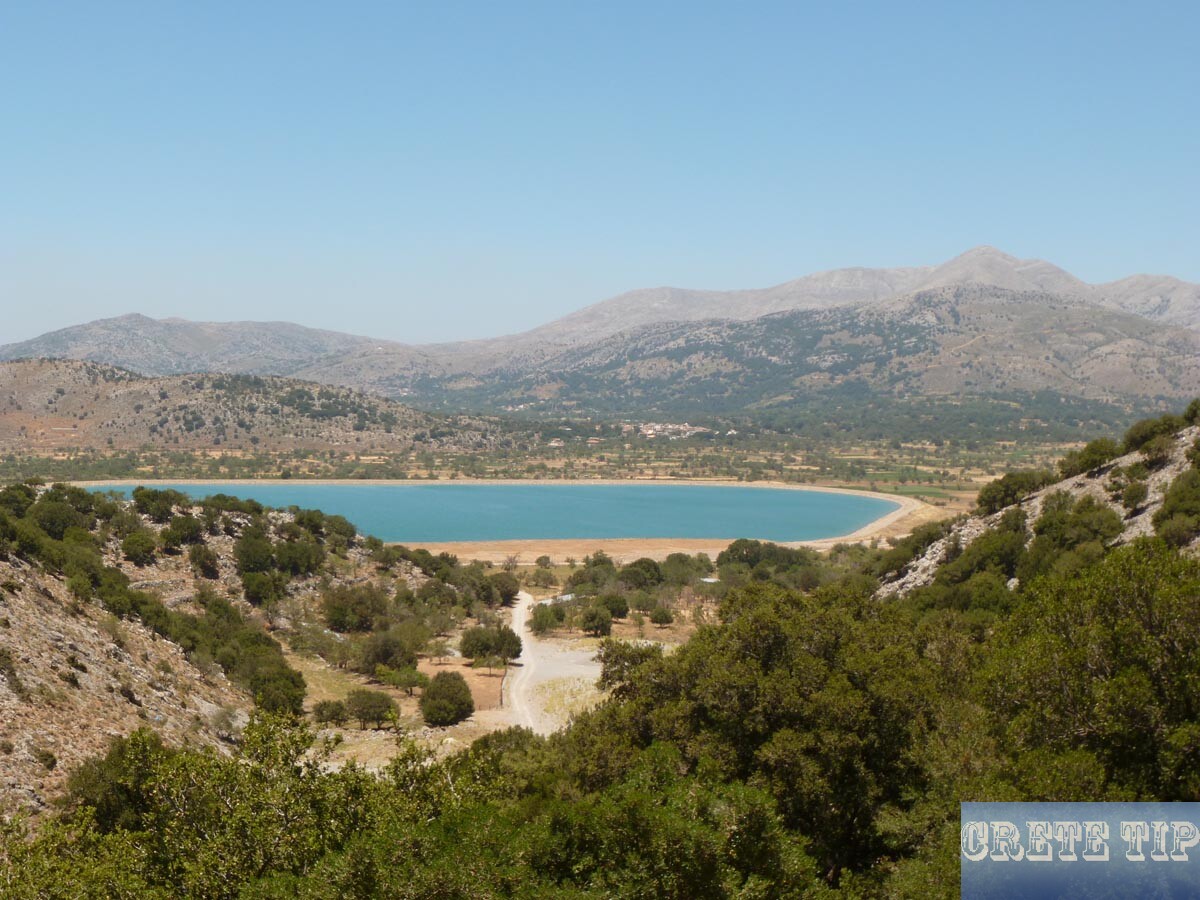
The water landscape in Crete is currently a tale of two halves. While recent weather patterns have brought much-needed relief to the western and central parts of the island, the eastern region—specifically the critical Aposelemis Dam—continues to face a worrying shortage.
According to Thodoris Ninos, President of the Organization for the Development of Crete (OAK), the latest data provides a clear but contrasting picture of the island’s water reserves.
Aposelemis: A Critical Situation
The most concerning data comes from the Aposelemis Dam, which serves major parts of Heraklion and Agios Nikolaos. Currently, the total reserves stand at 1,778,000 cubic meters, but a staggering reality lies beneath that number: only 770,000 cubic meters are actually available for use.
With a filling rate hovering around just 7%, the dam is under significant pressure. While approximately 580,000 cubic meters have flowed in recently, it is not yet enough to secure the region’s long-term needs.
Success in Rethymno and Chania
In stark contrast, the Potamon Dam in Rethymno is showing a very healthy outlook. The latest recordings show:
* Total Volume: 21 million cubic meters.
* Filling Rate: 79.3%.
* Useful Capacity: 12.8 million cubic meters.
Furthermore, the OAK pumping station in Rethymno has seen its water level rise from 1.80 meters to over 4 meters, signaling a robust recovery. In Chania, the natural springs are also maintaining positive levels, ensuring a stable supply for the western prefecture.
We have also already reported on the more than 7 million cubic metres of water now stored in the Faneromeni dam in Mesara.
According to measurements taken on Friday, 27 February 2026, the dam holds a total of 7,018,506 cubic metres of water. Since 1 February, more than 4,000,000 cubic metres have flowed in, demonstrating the significant contribution of rainfall and the Koutsoulidis River to Mesara’s largest development project.
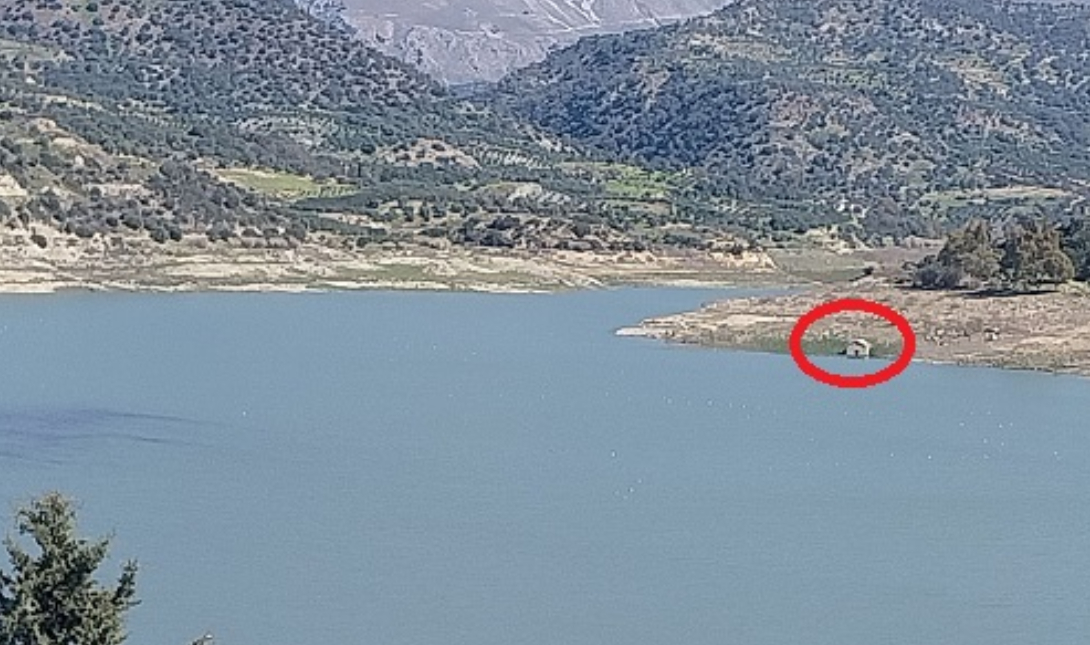
The total coverage of the Holy Church of Zoodochos Pigi is approximately 9,000,000 cubic metres, while the total capacity of the dam reaches 18,000,000 cubic metres of water.
Nature’s “Natural Storage”: Snow and Reservoirs
There is a silver lining on the mountain peaks. Significant snowfall on the White Mountains (Lefka Ori), Psiloritis, and the Lasithi Plateau is acting as a natural water bank. As the snow melts in the coming months, it is expected to further replenish the island’s aquifers and dams.
Smaller reservoirs are also performing exceptionally well:
* Havgas Reservoir: 100% full.
* Agios Georgios Reservoir: Nearly full.
* Lasithi Plateau installations: Almost at maximum capacity.
The Infrastructure Challenge: Leaks and Pipelines
Beyond the weather, infrastructure remains a major hurdle. Mr. Ninos highlighted the urgent need for the Malia pipeline project. Currently, Heraklion receives less than 60% of the water intended for its tanks due to significant losses and leaks in the aging network.
Similar issues are being recorded at the Tylissos springs. To combat this, OAK is prioritizing the construction of a second pipeline to increase flow capacity and ensure water security for the island’s largest urban center.
Looking Ahead
While the “water balance” is improving in the west, the eyes of the island remain on the east. With favorable weather forecasts for the coming months, officials are hopeful that the Aposelemis Dam will see the intake it desperately needs to bridge the gap before the high-demand summer season begins.
CretaLive and Creta Times



