

Newsflash from Wednesday, 20 May 2026:
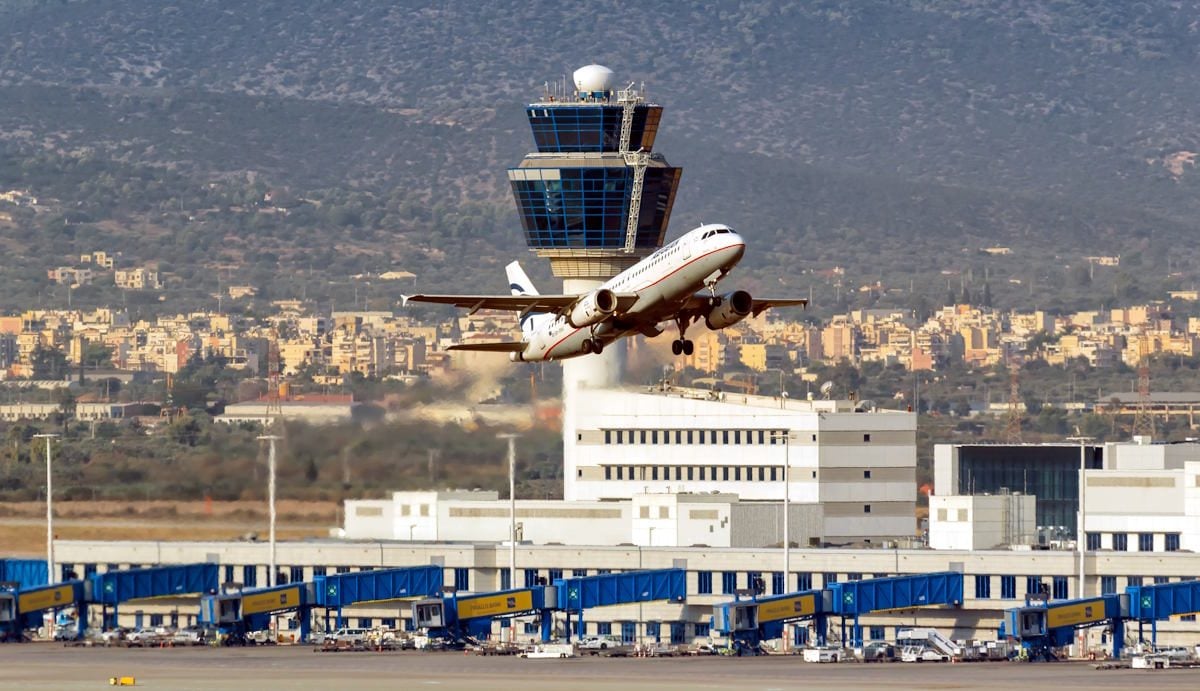
In a dramatic reversal of fortune, Europe’s aviation fuel crisis appears to be over. Just weeks ago, airlines and energy officials warned of catastrophic shortages that threatened to cripple the continent’s summer travel season. Today, after rapid supply realignment from alternative sources, optimism has returned to the skies.
According to industry sources and energy analysts, it is now unlikely that Europe will face fuel supply disruptions in the coming weeks—a stark contrast to the dire predictions made only a month ago.
From Crisis to Confidence in Just Four Weeks
The turnaround is nothing short of remarkable. In early May, the International Energy Agency (IEA) warned that European nations could face severe aviation fuel shortages by late May. Major airlines including Lufthansa and SAS (Scandinavian Airlines) had already begun canceling thousands of short-haul flights deemed unprofitable at elevated fuel prices that had skyrocketed above $200 per barrel.
But this week, the mood has shifted entirely. Ryanair CEO Michael O’Leary declared the crisis resolved, announcing that his budget airline is now adding new routes rather than canceling flights.
“Fuel suppliers confirmed to us just this week that they don’t expect supply interruptions until mid-July, and the situation continues to improve,” O’Leary stated on Monday. “We’re now confident that increased fuel imports from West Africa, the United States, and Norway are compensating for the reduction in Middle Eastern volumes.”
What Changed? The Power of Market Incentives
The primary driver of this dramatic recovery was rising fuel prices. Counterintuitive as it may seem, higher prices actually solved the shortage by creating powerful market incentives.
How Price Spikes Triggered Supply Realignment
When aviation fuel prices spiked due to supply concerns, oil refineries and fuel traders rapidly redirected shipments toward Europe to capitalize on the premium prices. This economic motivation proved far more effective than any government intervention or emergency decree.
Within weeks, Europe saw increased fuel imports from three critical regions:
- West Africa: Refineries ramped up production and exports to Europe
- United States: American refineries—which transitioned from net importers to net exporters in early 2026—began supplying European markets
- Norway: Norwegian production increased, with shipments diverted southward to European ports
Together, these alternative sources have offset the loss of shipments that previously transited the Strait of Hormuz—the critical chokepoint now partially blocked by geopolitical tensions.
The Geopolitical Context: Iran, the Strait of Hormuz, and Fallback Plans
The original crisis stemmed from escalating tensions between the United States, Israel, and Iran. In response to military strikes, Iran blocked most tanker traffic through the Strait of Hormuz—a waterway through which approximately 25% of global oil transit normally flows.
This blockade immediately threatened Europe’s fuel supply, as the Middle East had been a primary source of aviation fuel for the continent. Before the crisis, roughly 40% of Europe’s jet fuel came from Gulf sources.
However, the crisis revealed the resilience of global energy markets. As one energy analyst noted, “Alternative suppliers have stepped up to fill the void.” The Oil Market Report released by the IEA earlier this month confirmed this shift, noting:
“The United States has transformed from a net importer in April 2025 to a net exporter in early 2026, as robust refinery operations have driven aviation fuel production to multi-year highs.”
European Refineries Double Down on Production
European refineries themselves have not remained passive. Spanish energy giant Repsol has increased production and committed to boosting aviation fuel output by 15% to 20%.
“We will do everything possible to support key sectors like tourism, a sector of great importance to the Spanish economy,” Repsol declared, acknowledging the critical role of steady fuel supplies in maintaining European tourism—a pillar of the continent’s economy.
This coordinated response across multiple continents—from Texas refineries to Norwegian oil fields to Spanish processing plants—has proven that decentralized, market-driven solutions work faster than centralized crisis management.
Cautious Optimism, Not Complacency
Despite the positive trajectory, energy officials are not declaring complete victory. The International Energy Agency (IEA) issued a measured warning:
“In the absence of a short-term solution to the Strait of Hormuz situation, rebalancing will require time. Increased exports and production of aviation fuel have not yet fully replaced pre-war flows through the Strait of Hormuz.”
The European Commission’s Energy Directorate similarly noted: “There is no fuel shortage in the EU currently. However, regional supply constraints may emerge in the coming weeks if the blockade of oil shipments through the Strait of Hormuz is not resolved—with aviation fuel being the primary concern.”
This suggests that while an immediate crisis has been averted, the underlying vulnerability persists. If the geopolitical situation deteriorates further and the Hormuz blockade continues, autumn could still present challenges.
Airlines Regaining Confidence
The shifting fortunes are already reflected in airline behavior. After months of defensive cancellations, carriers are returning to expansion mode:
- Ryanair announced new routes this week
- Eurocontrol (the air traffic management organization) revised summer forecasts upward, now expecting 2% to 2.5% traffic growth compared to summer 2025
- The earlier “catastrophic disruption” scenarios have been shelved
The summer 2026 travel season—Europe’s busiest period—now appears secure. Tourists planning vacations to Greece, Spain, Italy, and other Mediterranean destinations can breathe easier.
Lessons for Energy Security
This episode offers valuable lessons about energy resilience:
✅ Markets Work When Allowed to Operate
Price signals triggered rapid supply realignment without government mandates or rationing schemes.
✅ Diversification Provides Resilience
Europe’s ability to source fuel from multiple continents—rather than relying on a single region—proved crucial to weathering the crisis.
✅ Global Supply Chains Are Flexible
Despite dire predictions, alternative suppliers mobilized quickly to fill the gap.
⚠️ Underlying Vulnerabilities Remain
Roughly 25% of global oil still transits the Strait of Hormuz. Until geopolitical tensions ease, energy prices will remain vulnerable to disruption.
The Bottom Line
Europe’s aviation fuel shortage—which seemed catastrophic just one month ago—has been substantially resolved through a combination of market forces, increased production, and supply chain flexibility. Airlines are resuming normal operations, and summer travel plans can proceed as scheduled.
However, this is not a permanent solution. The underlying geopolitical tensions remain unresolved. While Europe has bought time—perhaps until autumn—a lasting resolution to the Hormuz blockade will ultimately determine whether energy stability returns to the continent.
For now, Europe’s skies are open. But policymakers would be wise to remain vigilant.



