

Newsflash from Tuesday, 23 June 2026:
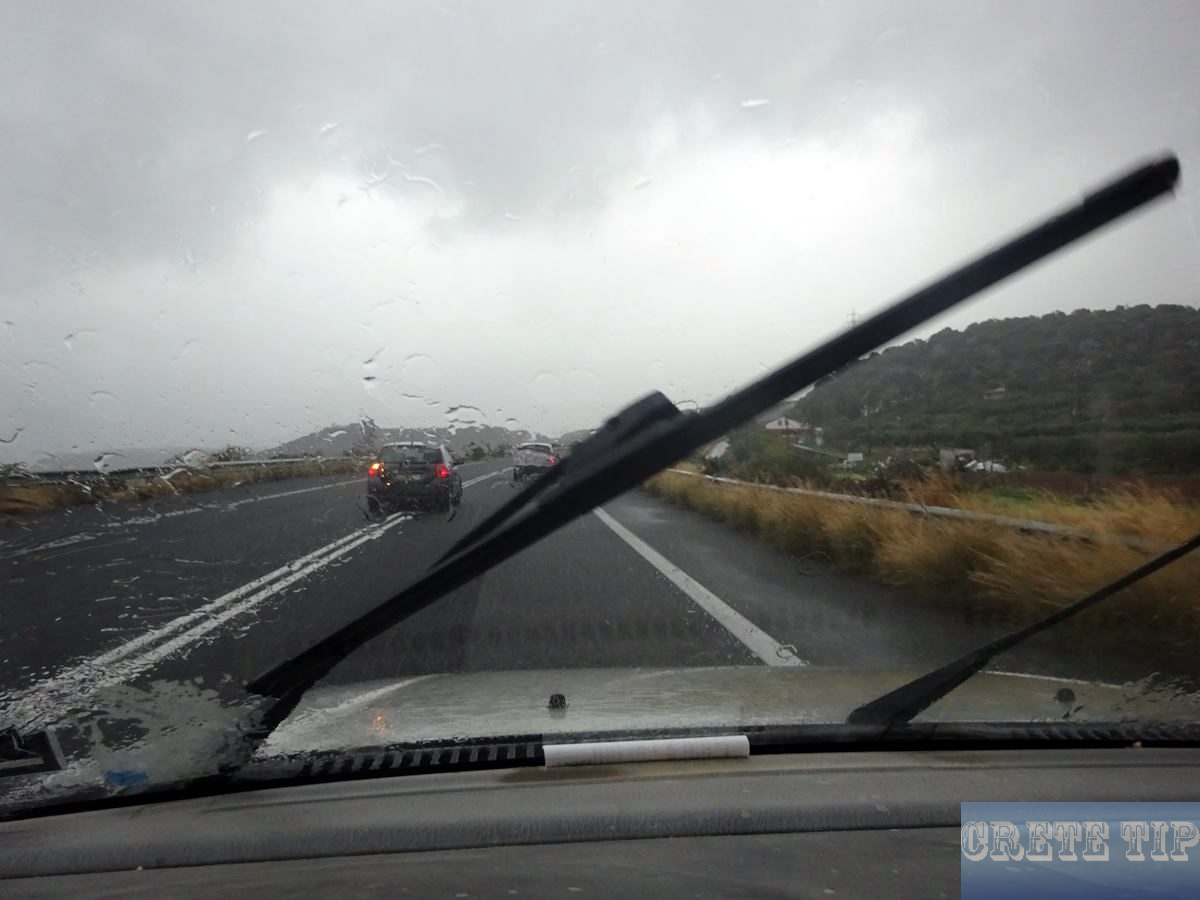
Concerns are mounting over increasingly reckless and even criminal driving behavior on Crete’s roads, as experts and road safety advocates warn of a worsening situation that continues to cost lives.
Manolis Stavroulakis, president of the association “SOS Traffic Crimes”, describes a troubling daily reality: serious traffic violations that endanger lives have become routine. Speaking to local media, he stressed that fatal accidents are occurring with alarming frequency, highlighting what he calls a “blood toll” on Greece’s roads.
A Pattern of Dangerous Violations
Recent incidents underscore the severity of the problem. In one fatal crash in Crete, a driver allegedly made a dangerous turn across oncoming traffic, leading to the death of a 47-year-old motorist. According to Stavroulakis, such cases are not isolated but part of a broader pattern of blatant violations of traffic laws.
“We cannot accept losing lives at this rate as something normal,” he emphasized, calling for immediate and sustained action from authorities.
Shocking Everyday Behavior
The issue goes beyond isolated crashes. Stavroulakis points to everyday scenes that reveal a deeper cultural problem, including underage students driving without licenses and widespread disregard for road safety rules.
These behaviors, he argues, reflect a lack of proper education and accountability, both at the family and societal level.
Greece Among Europe’s Most Dangerous Drivers
The situation in Crete mirrors a wider national trend. According to a European survey by the VINCI Autoroutes Foundation, Greek drivers rank among the most dangerous in Europe:
- 66% admit to using their phone while driving
- 41% drive while severely fatigued
- 10% report driving under the influence of alcohol
- Among young drivers (16–24), 48% do not wear seatbelts
Despite these behaviors, an overwhelming 97% of drivers still consider themselves responsible behind the wheel—highlighting a significant gap between perception and reality.
The Need for Systemic Change
Experts stress that tackling road violence requires more than fines and enforcement. A coordinated, long-term strategy is needed, including:
- Stronger traffic policing and enforcement
- Introduction of drug testing for drivers
- Lower speed limits in urban areas (e.g., 30 km/h zones)
- Road safety education starting at school level
- Faster judicial processes for traffic-related cases
Stavroulakis also highlighted the emotional toll on victims’ families, noting that many wait five to seven years for court cases to be resolved, prolonging their suffering.
A Collective Responsibility
Road safety advocates agree: reversing this dangerous trend will require action from government, local authorities, schools, families, and drivers themselves. Without a shift in mindset and behavior, the cycle of preventable tragedies is likely to continue.
Crete’s roads, like many across Greece, are at a crossroads—between ongoing loss and meaningful change.
Sources
Cretaone – “Daily criminal violations on the roads”
Ekathimerini – Greek drivers among Europe’s most dangerous



