

Newsflash from Tuesday, 23 June 2026:
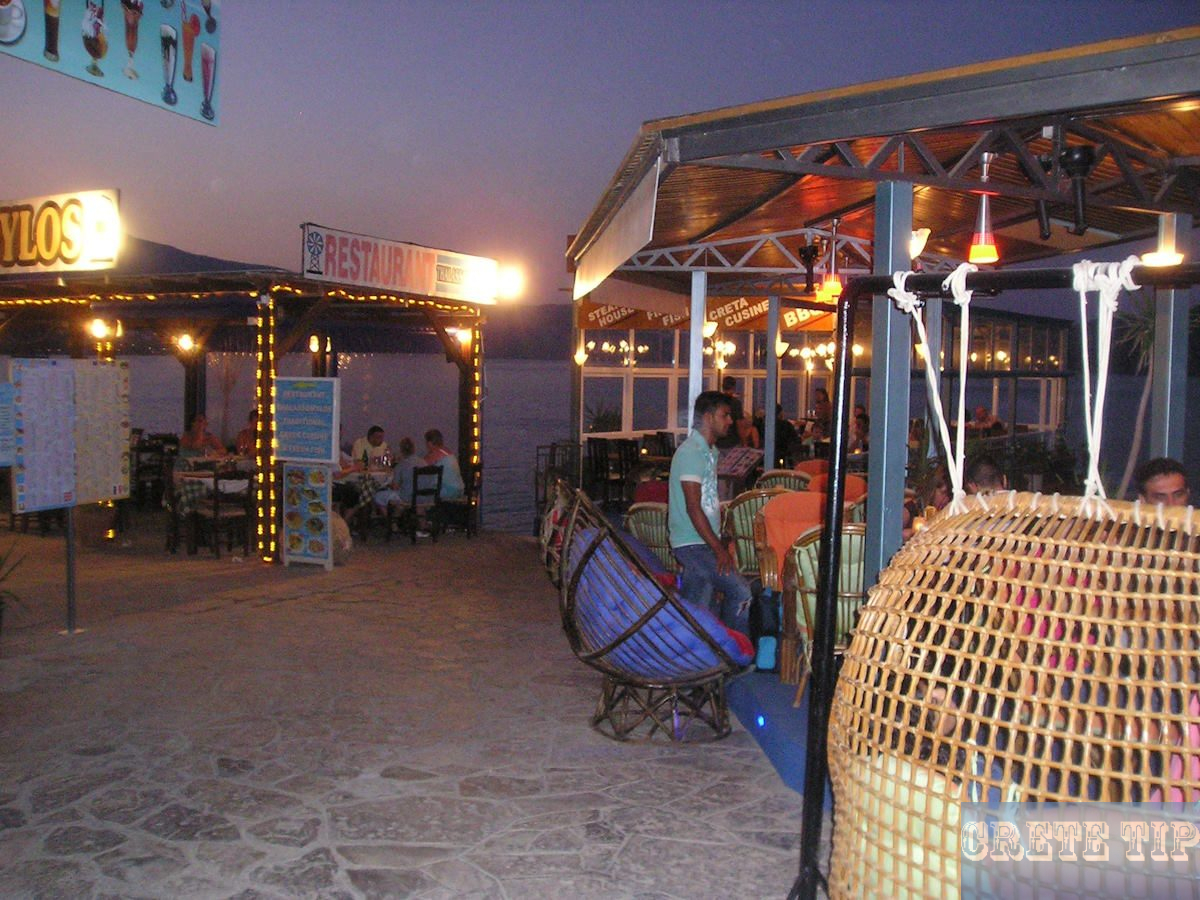
Greece continues to break tourism records, with rising arrivals and increased overall spending. Yet beneath the surface, a significant shift is underway: tourists are changing how they spend their money. Increasingly, visitors are cutting back on dining out and turning instead to supermarkets and self-catering options.
A New Spending Pattern Emerges
While total tourist expenditure is growing, the distribution of that spending has changed. Travelers are prioritizing accommodation, transport, and experiences, while becoming more cautious about daily expenses—especially food consumed outside their lodging.
This trend is reflected in official data. According to the Hellenic Statistical Authority, accommodation businesses recorded a 3.1% increase in turnover in the first quarter of the year, reaching €528.4 million. In contrast, the food service sector saw a 1.9% decline, with turnover at €2.14 billion compared to the same period last year.
Tourists Still Spend—But Differently
Importantly, tourists are not spending less overall. Data from the Bank of Greece shows that the average spending per trip rose by 19.9%, reaching €484.9 compared to €404.6 the previous year. Arrivals and total receipts also surged significantly.
However, a growing portion of this budget is now directed toward everyday grocery purchases, signaling a clear behavioral shift.
Supermarkets Become a Key Stop

Supermarkets are increasingly becoming a central part of the experience. Research indicates that:
- 94% of foreign visitors purchased grocery items during their stay
- Bottled water leads purchases (82%), followed by beer (41%), soft drinks, and snacks
- Supermarkets account for roughly 40% of total tourist spending
Mini markets and kiosks also benefit, serving immediate or smaller purchases throughout the day.
The Rise of Self-Catering and All-Inclusive
This shift is closely linked to the growth of short-term rentals such as Airbnb, which allow visitors to cook their own meals. At the same time, more travelers are opting for all-inclusive packages to better control their budgets and avoid unexpected costs.
Demand for alternative accommodations continues to rise, with data showing increased bookings for the summer months and into early autumn.
Not a One-Year Trend
The decline in restaurant spending is not new. Similar patterns were observed during the peak of the 2025 tourist season, confirming that this is part of a longer-term shift in travel behavior rather than a temporary fluctuation.
What This Means for the Industry
The evolving habits of tourists are reshaping Greece’s tourism economy. While the sector remains strong overall, restaurants and traditional food businesses are under pressure to adapt to a more cost-conscious visitor.
As travelers continue to seek value and flexibility, businesses that can adjust to these new preferences—whether through pricing, experience, or convenience—are more likely to stay competitive in this changing landscape.
Tourism Boom, Empty Cash Registers: Businesses in Agios Nikolaos Report 20% Drop in Turnover
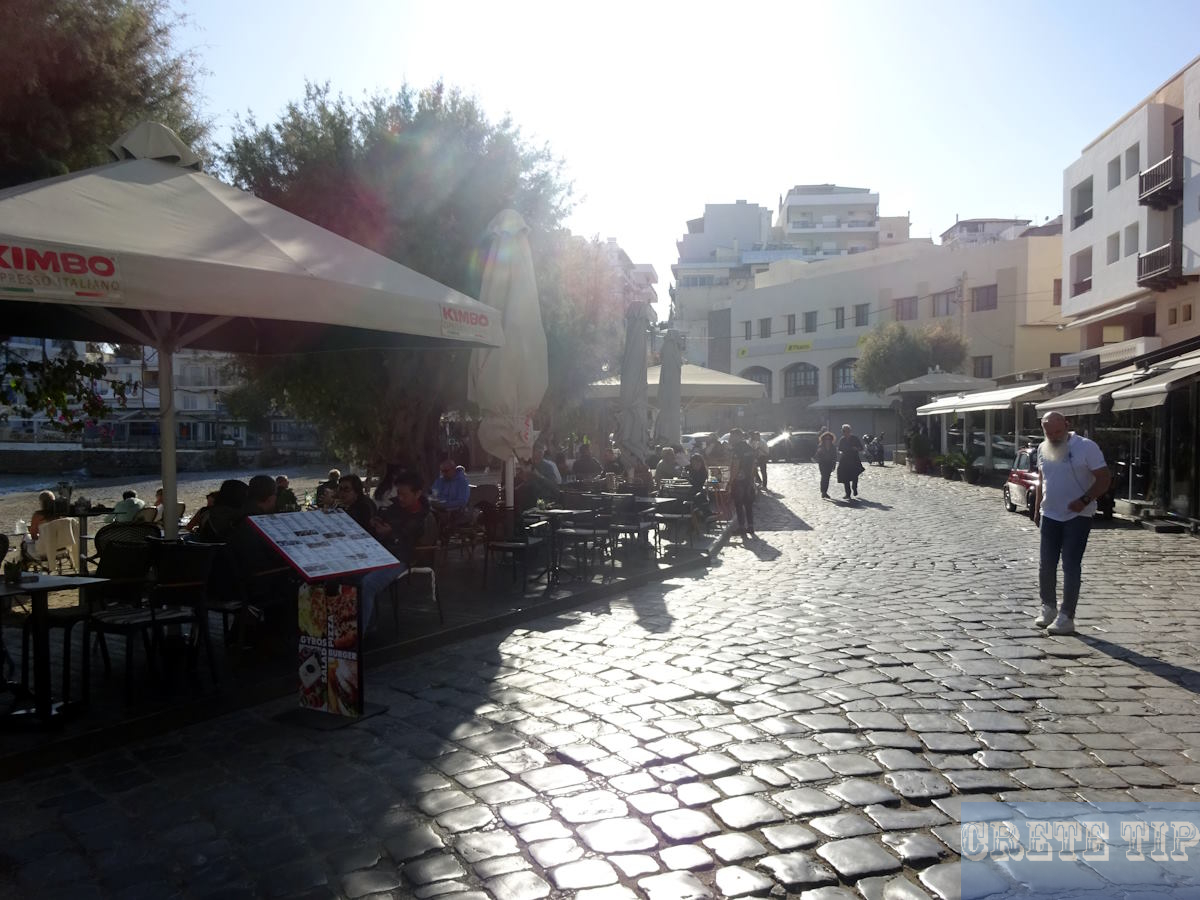
Despite a seemingly busy start to the 2026 tourist season, businesses in Agios Nikolaos, Crete, are sounding the alarm over a sharp decline in revenue. Local entrepreneurs in hospitality and retail report a drop in turnover of around 20% compared to the same period last year, raising concerns about the sustainability of the current tourism model.
Busy Streets, Low Spending
At first glance, the town appears lively, with increased foot traffic and full rental cars giving the impression of a successful season. However, business owners say this activity is misleading. Visitors are out and about—but spending far less than expected.
According to local professionals, tourists are more cautious with their money, often sticking to tight daily budgets and avoiding unnecessary expenses.
“€30 Tourists” and Changing Habits
A major concern highlighted by business owners is the emergence of what they describe as the “€30–€40 per day tourist”. This limited spending power is reshaping consumption patterns:
- Groups frequently share meals instead of ordering individually
- Alcohol consumption has dropped significantly
- Orders are often limited to basic items like water or soft drinks
- Tipping has nearly disappeared
Even in restaurants, visitors carefully compare prices before choosing where to eat, often opting for the cheapest available options.
Retail Sector Also Under Pressure
The impact extends beyond dining. Tourist shops report that higher-quality local products are being overlooked, with visitors favoring low-cost souvenirs instead.
Items such as olive oil or traditional care products remain unsold, while purchases are largely limited to inexpensive items like magnets costing just a few euros.
All-Inclusive Model Tightens Its Grip
One of the most significant factors behind the downturn is the expansion of all-inclusive hotel packages. These large resorts function as self-contained ecosystems, offering food, drinks, and shopping options on-site.
As a result, many tourists rarely leave their hotels, depriving local businesses of valuable revenue and reducing interaction with the local economy.
Rising Costs Add to the Pressure
At the same time, business owners are grappling with increasing operational costs. Higher municipal fees and sharply rising water bills—due to consumption-based pricing—are adding financial strain during an already challenging season.
Compounding the problem are bureaucratic delays, including slow approvals for outdoor seating permits, which create uncertainty at a critical time for businesses.
Infrastructure and Experience Concerns
Local entrepreneurs also point to issues with infrastructure that affect the visitor experience. Poor street lighting, lack of public seating, and insufficient maintenance in key tourist areas contribute to a less attractive environment for both tourists and residents.
A Warning Sign for the Future
The situation in Agios Nikolaos highlights a broader shift in tourism dynamics. While visitor numbers may remain strong, spending behavior is changing in ways that challenge local economies.
Without adjustments to the tourism model and improvements in infrastructure and policy, business owners fear that the gap between visitor volume and actual economic benefit will continue to widen.
Makry Gialos Struggles to Attract Tourists: Cleanliness and Infrastructure Issues Raise Concerns

The 2026 tourist season has started on a weak note for Makry Gialos in Lasithi, Crete, with local businesses reporting low visitor numbers and disappointing occupancy rates. Professionals in the area are voicing growing frustration over ongoing issues with cleanliness, infrastructure, and rising operating costs.
Low Demand and Reduced Occupancy
According to local business owners, tourism has not picked up as expected since the Easter period. Smaller hotels, rental villas, and tourist accommodations are operating at occupancy rates of around 40%, significantly lower than in previous years.
While two large hotels in the area are reportedly full, their guests tend to remain within the hotel premises and spend little in the local market, limiting the economic benefit for the wider community.
Cleanliness Complaints Damage the Area’s Image
A major point of concern is the state of cleanliness and waste management. Local representatives say the area has been “left to its fate” in recent months, with inconsistent garbage collection creating a negative impression for both residents and visitors.
Business owners are calling on the municipalities of Ierapetra and Sitia to urgently address these issues, warning that poor cleanliness undermines the destination’s appeal at a critical time in the tourist season.
Infrastructure Problems Add to the Challenge
In addition to sanitation issues, road conditions have deteriorated following recent public works. Although infrastructure upgrades such as sewage network installations were necessary, incomplete resurfacing has left behind damaged roads and numerous potholes, making driving difficult and affecting the overall visitor experience.
Local officials acknowledge the problem, noting that while contractors fulfilled their obligations, additional work is needed to fully restore road conditions.
Rising Costs and Staffing Shortages
Businesses are also under pressure from increasing costs of goods and energy, combined with persistent shortages of skilled staff in tourism and hospitality. Many operators say they are absorbing price increases to remain competitive, further squeezing already tight margins.
As one local professional explained, meals that once cost €20 now require closer to €30, making pricing decisions more difficult in a market with reduced demand.
Hope for Improvement in Peak Season
Despite the slow start, there is cautious optimism that the situation may improve as the summer progresses. With schools now closed and domestic tourism expected to rise, local stakeholders hope to see increased arrivals in the coming weeks, particularly during weekends.
However, many agree that without immediate improvements in infrastructure and public services, Makry Gialos risks falling behind competing destinations.
Sources
Hania News – New tourism trends in spending behavior
Anatolh – 20% drop in turnover and market pressure in Agios Nikolaos
Neakriti – Sluggish tourist traffic and complaints in Makry Gialos



