

Newsflash from Friday, 6 March 2026:
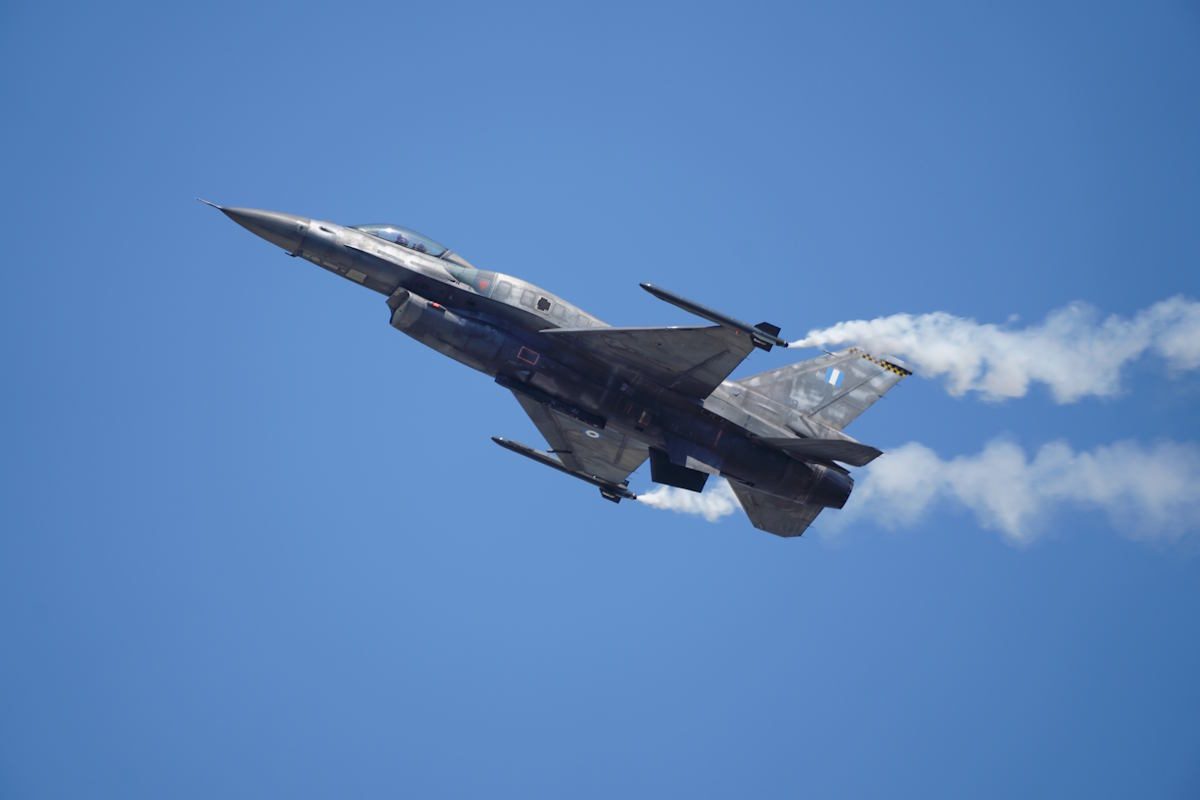
In a move to reassure the public following regional tensions, Greek Foreign Minister George Gerapetritis has issued a firm statement regarding the nation’s defense posture. Speaking in a recent interview with Skai News, Gerapetritis emphasized that Greece’s strategic assets—specifically the Souda Bay Naval Base and military deployments to Cyprus—are secure, operational, and vital to national sovereignty.
Souda Bay: A Secure Logistical Hub
Addressing concerns regarding the security of the Souda Bay Naval Base in Crete, Gerapetritis moved to dispel any fears of vulnerability. He confirmed that Greece’s anti-ballistic and air-defense systems have undergone significant upgrades and are currently fully operational.
“Greek citizens can feel secure,” Gerapetritis stated. He clarified that while Souda Bay is a critical component of regional stability, its role is strictly logistical. The base serves as a support facility for United States forces rather than a launchpad for offensive military operations. This status is governed by a long-standing defense agreement between Greece and the U.S., characterized by close coordination on all security measures.
Cyprus: A “Historic and Fraternal Duty”
The Foreign Minister also addressed the recent deployment of Greek military assets to Cyprus, which includes:
* Two naval frigates
* Two pairs of fighter aircraft
Gerapetritis framed this deployment as a “historic, fraternal duty,” asserting that Greece’s defensive decisions are a matter of absolute national sovereignty. He was clear that these moves are “non-negotiable and not subject to discussion” with outside powers.
Furthermore, he issued a stern warning to any potential aggressors, stating that any threat to Cyprus is viewed as a threat to Europe as a whole. By invoking the principle of European solidarity, Greece is signaling that the security of the Republic of Cyprus is an international priority.
Rebuffing Turkey’s Claims in the Aegean
The interview also touched upon ongoing tensions with Ankara. Gerapetritis dismissed recent Turkish remarks concerning the demilitarized status of the Eastern Aegean islands, labeling them as “entirely unfounded” and legally disconnected from reality.
“Greece retains the full, unfettered right to develop its defense capabilities without any discussion,” he concluded. He characterized Turkey’s stance as a predictable reaction that Greece flatly rejects, reiterating that the government’s primary focus remains the “greatest possible security for Greek citizens.”
Strengthening National Defense
This firm stance comes at a time of heightened regional awareness. By upgrading air defenses and standing by Cyprus, the Greek government aims to project a message of stability and readiness. For Gerapetritis, the message is simple: Greece’s security measures are a sovereign right, and the protection of its citizens and allies remains the top priority.
“Even Tomorrow”: Cyprus Lays Groundwork for Historic NATO Bid Amid Rising Regional Tensions

A Bold Strategic Shift
President Christodoulides did not mince words regarding his administration’s ambitions. He stated that Cyprus would submit an application to join the North Atlantic Treaty Organization “even tomorrow if it were possible.”
While acknowledging that current political conditions—specifically the long-standing opposition from Turkey—prevent an immediate application, the President emphasized that Cyprus is not simply waiting. Instead, the country is undergoing rigorous military, operational, and administrative preparations to ensure it is ready the moment the political window opens.
Greece Bolsters Cypriot Defense
The push toward NATO comes at a time of significant military reinforcement. Christodoulides described Greece’s recent decision to deploy F-16 fighter jets and two naval frigates to protect Cyprus as “one of the most important developments in the history of the Republic of Cyprus.”
This mission, coordinated between Christodoulides and Greek Prime Minister Kyriakos Mitsotakis, was a direct response to security needs identified by the Cyprus National Guard. It marks a deepening of the “fraternal” defense bond between Athens and Nicosia during a period of heightened regional instability.
Security Challenges in the Middle East
The urgency behind Cyprus’s strategic pivot is fueled by the rapidly evolving situation in the Middle East. The President highlighted several key security concerns:
* Regional Threats: Attacks originating from neighboring Lebanon have already targeted British bases on the island.
* Ballistic Risks: The possibility of ballistic missile threats “cannot be ruled out,” according to the President.
* International Cooperation: Cyprus is relying on upgraded domestic systems and protection through multiple agreements with European states, including France, Italy, Spain, and Germany.
Christodoulides also touched upon a brief diplomatic friction with the United Kingdom, expressing “irritation” over initial British statements that appeared to downplay the risk of the bases being targeted.
The Path Forward
For decades, Cyprus’s relationship with NATO has been complicated by the “Cyprus Problem” and Turkey’s veto power within the alliance. However, Christodoulides’ remarks suggest a new level of proactive diplomacy and military readiness. By aligning its military standards with NATO and securing strong bilateral defense ties with EU powerhouses, Cyprus is positioning itself as an indispensable security pillar in the Eastern Mediterranean.
As the geopolitical landscape shifts, the question is no longer if Cyprus wants to join the alliance, but when the international political climate will allow this historic step to become a reality.
Europe Under Threat: Iran’s Missile and Drone Reach Puts Greece, Bulgaria, and Romania on High Alert
The 2,000km Danger Zone
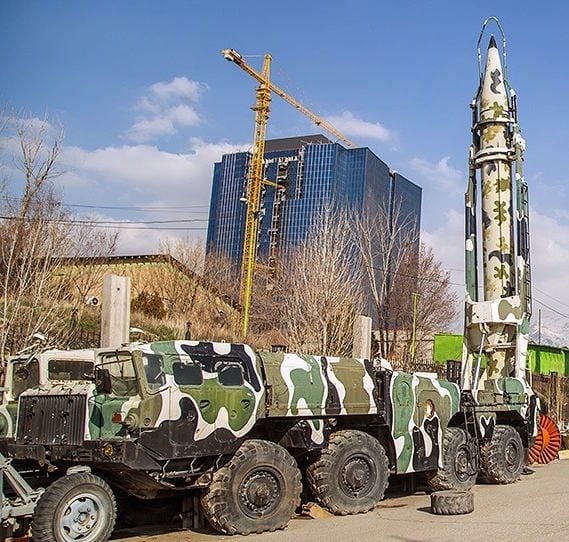
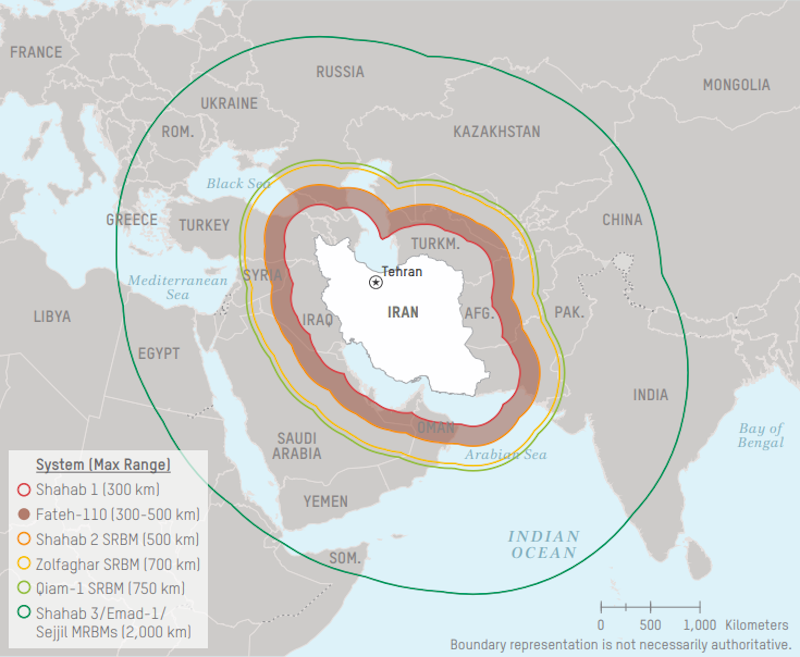
The Iranian regime has developed a sophisticated array of ballistic systems capable of striking at significant distances. While some estimates suggest certain missiles could theoretically reach up to 10,000 kilometers, it is the medium-range ballistic missiles that pose the most immediate threat to Europe.
With a proven range of approximately 2,000 kilometers, these missiles can cover a large portion of Southeastern Europe. Depending on the launch site, major cities and military installations in Greece, Bulgaria, and Romania are well within this radius. Analysts warn that with modifications to their payloads, missiles like the Khorramshahr could theoretically reach as far as Rome or Berlin, though the quantity of such long-range systems remains limited.
The Rise of the “Shahed” Drone Threat
Beyond ballistic missiles, the proliferation of Iranian-made drones, particularly the Shahed series, has caused significant concern among European security agencies. These drones:
* Have an operational range of up to 2,500 kilometers.
* Are low-cost and difficult to detect.
* Can be launched quickly from various locations.
The threat is no longer theoretical. A Shahed drone recently struck the British airbase at Akrotiri in Cyprus, likely launched from Lebanon via Hezbollah. Experts warn that even modified commercial drones could be used to disrupt airports, energy grids, and other critical infrastructure across the continent.
Hybrid Warfare: Cyberattacks and “Ghost” Networks
The threat from Tehran isn’t limited to the physical battlefield. Iran is considered one of the West’s primary cyber-adversaries, alongside Russia, China, and North Korea. European governments are bracing for a potential wave of cyberattacks targeting:
* Government communication systems
* Energy infrastructure
* Military networks
* Public disinformation campaigns
Furthermore, Iran has a documented history of operations on European soil involving assassination plots and terrorist activities. By utilizing networks of agents or collaborating with organized crime groups, the regime often maintains “plausible deniability” while targeting dissidents or strategic interests within EU borders.
Europe Digs In: Defensive Responses
In response to these escalating threats, European nations are bolstering their defenses. Romania has already increased security at the NATO ballistic missile defense base in Deveselu, which was specifically designed to counter such threats.
Meanwhile, Greece and other Mediterranean nations are focusing on protecting military installations and energy hubs. The consensus among analysts is clear: the level of escalation or de-escalation in the coming months will depend heavily on how European capitals navigate their military cooperation with the United States and their stance on Middle Eastern stability.
As the “shadow war” moves closer to European borders, the safety of critical infrastructure and major urban centers remains a top priority for NATO and EU intelligence services.
How should Europe balance its alliance with the U.S. against these regional threats? Join the discussion in the comments below.



