

Newsflash from Tuesday, 14 July 2026:

Migration and Asylum Minister Thanos Plevris confirmed that only minor outstanding issues remain before the facility becomes operational. The project forms part of a broader strategy to manage increasing migration pressures on Crete, which officials say requires at least two temporary reception centers to effectively handle arrivals.
Despite progress, the initiative has faced strong resistance from local stakeholders. Municipal and regional councils, along with residents and business owners, have voiced objections to the plan, citing concerns about infrastructure, community impact, and long-term implications for the area.
At the same time, the minister expressed cautious optimism about recent migration trends. According to Plevris, arrivals to Crete have shown a slight decline in recent days. He attributed this drop partly to seasonal weather conditions and partly to improved cooperation between Greek authorities and Libyan officials.
“When coordination with Libya is effective, fewer boats depart from its shores,” he noted, adding that the Hellenic Coast Guard remains in continuous communication with authorities in Benghazi.
While recent figures suggest a temporary easing, officials warn that the summer period remains critical. Migration flows could intensify, and authorities are maintaining heightened readiness across the region.
Nationwide data indicates that sea arrivals have decreased by approximately 30% in the first half of the year, while returns and deportations have increased. In Crete specifically, officials report a modest but positive reduction compared to the same period last year.
As preparations for the Athanatoi facility near completion, the project continues to highlight the balance between national migration management priorities and local community concerns.
Residents Stand Firm: Protests Intensify Over Planned Migrant Facility Near Heraklion
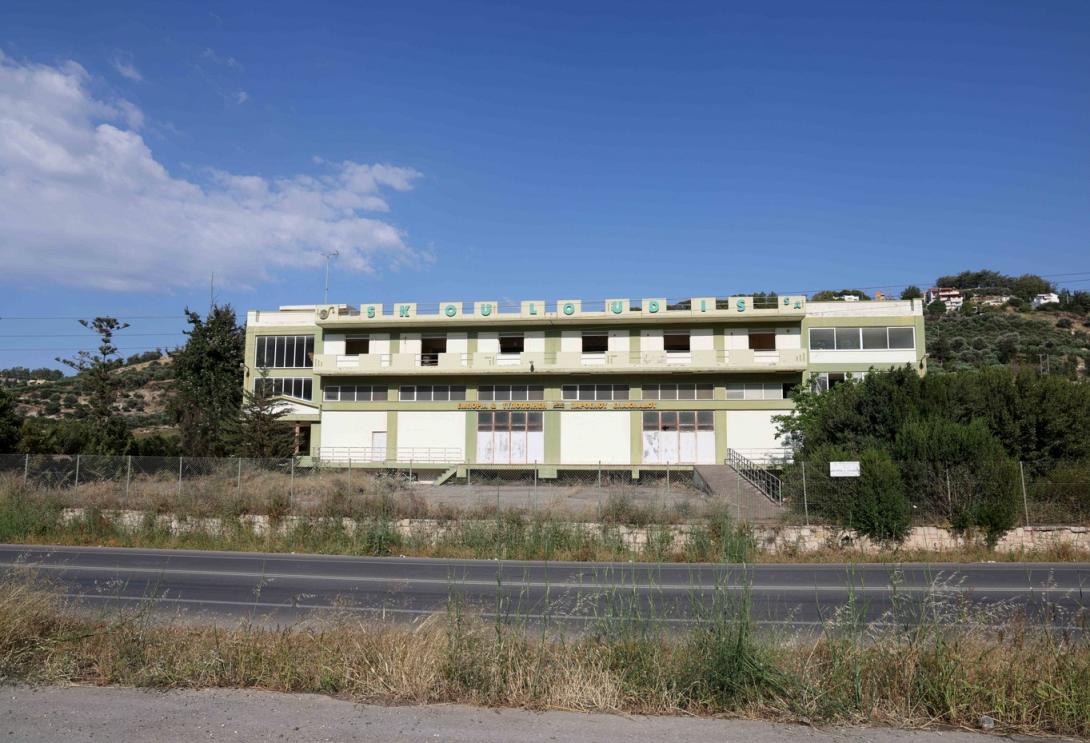
Opposition from local residents and business owners continues to grow over plans to establish a migrant accommodation facility in the Athanatoi area, near Heraklion, Crete. Despite government assurances that the project is moving forward, the local community remains determined to challenge the development.
Fresh mobilizations have been organized following recent statements by Migration and Asylum Minister Thanos Plevris, who reaffirmed that the plan for the facility will proceed without interruption. In response, residents have pledged to maintain pressure until clear answers are provided the concerns they have raised.
A new protest gathering was scheduled for Monday evening at 7:00 p.m. outside the former Skouloudis factory, the proposed site of the facility. Organizers stress that the demonstration will remain peaceful and that there are no plans to block traffic, focusing instead on safeguarding the protest and continuing public opposition.
In parallel, a meeting between a delegation of residents and Heraklion Mayor Alexis Kalokairinos is set for todays morning. The aim is to reaffirm the municipality’s support for the local community and, if possible, to initiate formal communication with the relevant ministry outlining residents’ objections.
Concerns have also been raised following findings from inspections by Heraklion’s urban planning authority. Reports highlighted irregularities in the buildings, as well as more serious issues such as the presence of an unregulated stream nearby and questions over proper road access to the site.
Although regional authorities noted that the building permit complied with regulations at the time of issuance, engineers point out that updated legislation now imposes stricter requirements. Specifically, new rules mandate minimum distances from flood-prone areas, which residents argue must be taken into account before any final decision is made.
As discussions continue, what has emerged is a parallel “paper battle” between public services, legal experts, and engineers, reflecting the complexity of the case. Meanwhile, locals insist they will persist with both demonstrations and institutional actions until the matter is fully resolved.
Samos Pushes Back: Strong Reactions Over Transfer of Migrants from Crete

Local authorities and residents on the island of Samos are voicing strong opposition following the recent transfer of hundreds of migrants from Crete to the island’s closed controlled reception facility. The move, described by officials as temporary, has sparked renewed debate over migration management and regional responsibilities.
According to reports, more than 600 migrants who had arrived on the southern coasts of Crete—mainly in the regions of Heraklion and Lasithi—have been transported to Samos over the past two weeks. The transfers were carried out using Hellenic Coast Guard vessels, with migrants then escorted by police to the island’s reception center upon arrival.
Local leaders in Samos expressed frustration, noting that previous assurances had been given that the island’s facility would not be used to accommodate transfers from other parts of Greece. The sudden change has led to concerns about capacity, planning, and the long-term role of the structure.
In response, the Ministry of Migration and Asylum maintains that the measure is strictly temporary. Officials argue that the Samos facility currently has available space and is being used to complete necessary registration and identification procedures efficiently.
Authorities emphasize that once these processes are finalized, the migrants will be relocated to mainland Greece, with no intention of permanent stay on the island. The Samos structure is designed to host up to approximately 4,000 people, allowing for short-term flexibility in managing flows.
Despite these assurances, local stakeholders continue to raise concerns, pointing to earlier commitments and warning of the strain such decisions may place on island communities. The situation highlights ongoing tensions between national migration policies and regional expectations.
Sources:



