

Newsflash from Friday, 24 July 2026:
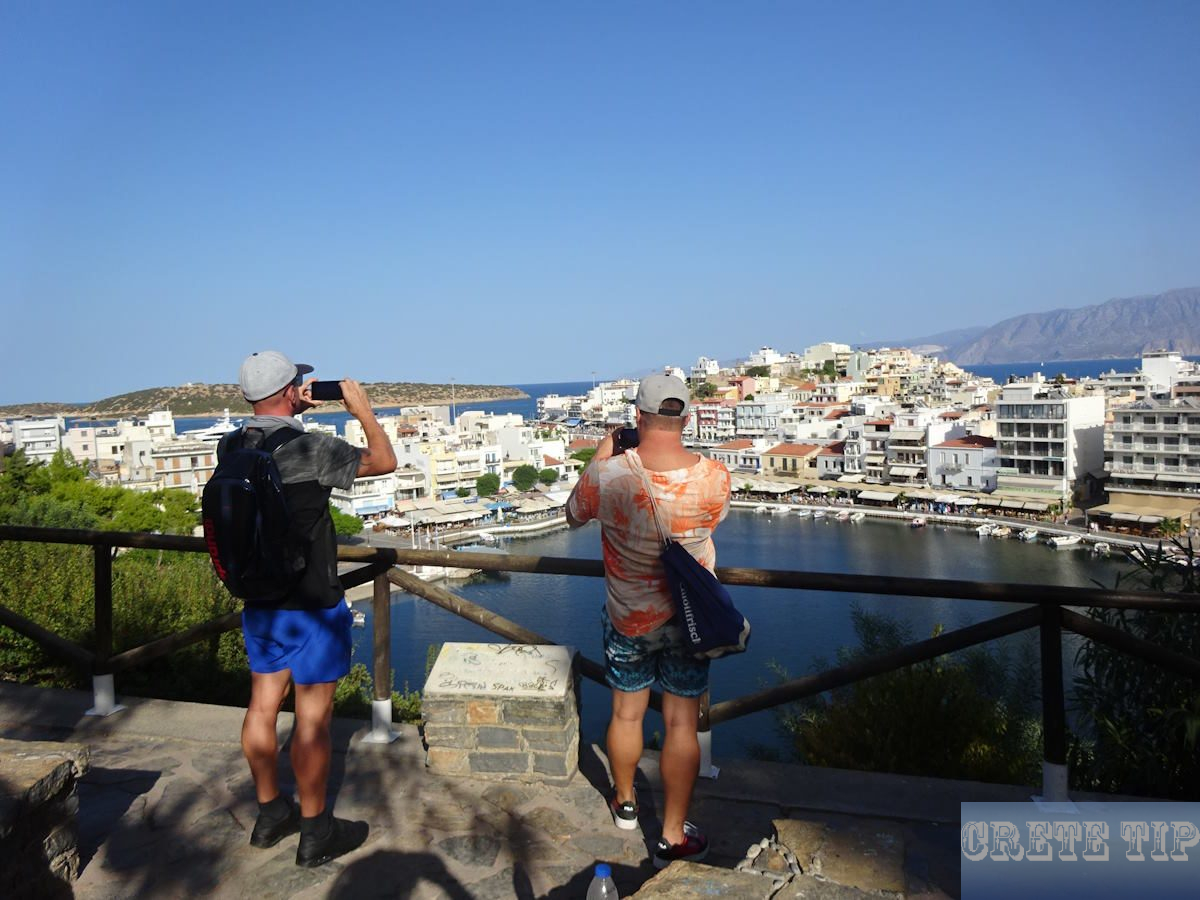
Crete is experiencing a curious contradiction this summer: tourist arrivals are at record levels, yet the island’s restaurants, shops, and entertainment venues are reporting dramatically lower revenues than expected. What should be a banner season is instead becoming a cautionary tale about the changing nature of modern tourism and visitor spending patterns.
High Traffic, Low Takings
In Chersonisos, one of Crete’s premier tourist destinations, the beaches are crowded and the streets are bustling. Yet behind the scenes, business owners are struggling. The increased tourist footfall is not translating into higher cash registers.
Vangelis Perakis, president of the Chersonisos Commercial Association, describes the situation bluntly: “We’re seeing medium to poor purchasing activity, despite massive visitor numbers. The businesses haven’t yet seen the expected turnover of the high summer season.”
This troubling disconnect has sparked serious concern among local entrepreneurs, with many reporting reduced revenues and expressing deep worry about their ability to sustain operations through the peak season.
The Root Cause: Budget-Conscious Tourists
The culprit, according to local business leaders, is straightforward: tourists are spending less money—significantly less.
Visitors from Germany, Britain, Italy, and Israel currently dominate Chersonisos’s guest list, and regardless of their country of origin, they’re exhibiting extreme caution with their travel budgets. Perakis elaborates: “Customers simply cannot spend. Not on shopping, not even on food and drinks.”
This frugal behavior cuts across all visitor demographics. Even travelers from Israel, who typically spend more freely, represent too small a portion of the total visitor base to offset the spending restraint seen elsewhere.
A Seasonal Crisis in Agios Nikolaos
The problem extends beyond Chersonisos. In the charming seaside town of Agios Nikolaos, the situation has reached crisis proportions for restaurants and entertainment venues. Owners describe this as one of the worst seasons in recent memory—and they’re pointing to multiple contributing factors.
The extended roadworks on the Northern Road Axis have significantly reduced day-tripper visits, creating a double squeeze: fewer visitors overall, plus those who do come are spending cautiously. Once-reliable customers who would pop into town for coffee, a meal, or an evening out are now choosing to skip the hassle entirely.
Beyond economic pressures, entertainment businesses face additional complications. Music licensing regulations, decibel restrictions, and frequent inspections by authorities have created an atmosphere of uncertainty and anxiety. Business owners operate in fear of violations and penalties, further dampening their ability to invest and innovate.
Fragmentation and Infighting
Adding insult to injury, the local business community is fragmenting. Reports of inter-business complaints, anonymous denunciations, and mutual accusations have created a toxic environment. Rather than uniting to face common challenges, some proprietors are turning on each other—a self-defeating strategy that damages the entire sector.
As one business association member notes: “We’re all boiling in the same pot. One business’s success benefits the whole market, just as one business’s problem eventually becomes everyone’s problem.”
What Businesses Really Need
Local entrepreneurs are calling for something fundamental: genuine dialogue, cooperation, and meaningful support from local authorities. Their requests are straightforward but urgent:
- Regulatory balance: Enforcement of regulations should account for real market conditions, not bureaucratic rigidity
- Collaborative approach: Local governments should stand shoulder-to-shoulder with businesses, not against them
- Infrastructure solutions: Address ongoing construction projects that restrict customer access
- Professional unity: Stop inter-business denunciations and work collectively to strengthen the market
- Reduced uncertainty: Create predictable, fair regulatory environments that encourage investment
The Bigger Picture
This isn’t simply a complaint about summer revenues. When Crete’s food service and hospitality sectors struggle, the ripple effects extend far beyond restaurant owners. Employees lose income, suppliers lose customers, retail shops lose foot traffic, and entire local economies suffer.
The fundamental question is this: What good is record tourism if the people whose livelihoods depend on it cannot survive?
Unless local authorities and business owners find a way to work together—and unless tourists’ spending patterns shift—Crete risks squandering what should be a triumphant summer season.
Sources:
- Nea Kriti – Chersonisos: Low revenues despite increased tourism
- Fonien.gr – Food service and entertainment in Agios Nikolaos facing one of the worst seasons



