

Last-minute travel boom: the comeback of all-inclusive holidays in Germany and the UK.

Crete’s 2026 tourism season is shaping up to be one of contrasts. While visitor numbers remain impressively high, the financial performance of the sector tells a different story. Businesses across the island are increasingly relying on last-minute bookings and aggressive discounts to maintain occupancy—raising concerns about overall profitability.
Strong Arrivals, Weaker Revenues
According to recent data, Crete continues to lead as one of Greece’s top travel destinations. During the first five months of 2026 alone, the island welcomed more than 1.7 million air passengers, maintaining its top position among regional destinations.
International arrivals reached 1,153,569, marking a significant 13.8% increase compared to the same period in 2025. Chania Airport recorded one of the highest growth rates in the country, with a remarkable 20.9% rise in international arrivals.
Despite these encouraging figures, tourism professionals are sounding the alarm: more visitors are not translating into higher income.
The Rise of Last-Minute Travel
This year’s season is heavily characterized by last-minute bookings. Travelers are increasingly delaying their decisions, forcing hotels to adjust pricing strategies in real time.
As a result, many businesses are offering discounts to secure reservations and maintain high occupancy rates. In Rethymno, hotel occupancy reached around 80% in June and is expected to approach 85% in July, yet this comes at the cost of reduced margins.
Industry experts warn that this trend could significantly impact end-of-season revenues, especially for hotels that depend on early bookings at stable prices.
Luxury Sector Also Feeling the Pressure
Even high-end accommodations are not immune. Several luxury hotels, particularly in Rethymno, are reporting lower-than-expected occupancy levels. This shift suggests that even traditionally higher-spending travelers are becoming more cautious with their budgets.
Why Tourists Are Spending Less
The primary factor behind reduced spending appears to be economic pressure in key European markets. Visitors are still traveling, but they are more selective in how much they spend on accommodation, dining, and activities.
This trend is confirmed by recent data showing that while German tourists—the largest market for Crete—continued to visit in higher numbers, their total spending dropped by 9%. The average expenditure per trip also declined, reflecting a broader shift toward budget-conscious travel.
A Call for Strategic Change
Tourism experts emphasize the need for a strategic shift. Rather than focusing solely on increasing visitor numbers, there is growing consensus that Crete must enhance the overall value of its tourism offering.
Targeting higher-spending visitors, improving service quality, and diversifying experiences are seen as key steps toward ensuring sustainable growth in the years ahead.
Looking Ahead
Crete remains a highly desirable destination with strong demand. However, the 2026 season highlights an important reality: success in tourism is no longer measured only by arrivals, but by the value each visitor brings.
As last-minute bookings and discounts continue to dominate, businesses across the island will be watching closely to see whether the season can ultimately deliver the financial results they need.
Last-Minute Travel Boom: One in Five Britons Books Holidays Just Two Weeks Before Departure

Spontaneity is reshaping travel habits in the United Kingdom, with a growing number of British holidaymakers choosing to book their trips at the very last minute. New data reveals that one in five Britons now secures their holiday just two weeks before departure, signaling a major shift away from long-term planning.
A Rapid Rise in Late Bookings
According to analysis by Holiday Hypermarket based on TUI bookings, 20.8% of trips are now booked within 14 days of travel. Even more striking, over 40% of bookings are made within four weeks of departure—representing a 30% increase year-on-year.
This trend reflects a broader move toward flexibility, as travelers wait longer to finalize plans in search of better deals or favorable weather conditions.
Shorter Planning Windows
The average time between booking and departure has also decreased significantly. In 2026, Britons are booking their holidays an average of 71 days in advance, compared to 88 days previously.
Interestingly, booking behavior varies by traveler type. Families tend to plan further ahead, securing trips about 76 days in advance, while couples are more spontaneous, booking around 67 days before departure.
Greece Among Top Choices
When it comes to destinations, Greece ranks as the second most popular choice for last-minute British travelers, just behind the Canary Islands. Other favored destinations include Egypt, Turkey, the Balearic Islands, Cyprus, Cape Verde, Tunisia, Costa Blanca, and Mexico.
The strong demand for Greece highlights its continued appeal, offering a combination of sunshine, accessibility, and diverse holiday experiences.
Why Britons Are Booking Late
Several factors are driving this last-minute trend:
- Better deals: Travelers are taking advantage of discounted late offers
- Weather flexibility: Escaping unpredictable UK conditions at the right moment
- Spontaneity: A growing preference for flexible, experience-driven travel
Industry experts note that for many travelers, booking a holiday is no longer about planning months in advance, but about finding the right opportunity at the right time.
What This Means for the Industry
The rise of last-minute bookings is reshaping the tourism landscape. Travel providers are adapting by offering more dynamic pricing, flexible packages, and targeted promotions to capture spontaneous demand.
For destinations like Greece, this trend presents both opportunities and challenges—ensuring strong visitor numbers while requiring greater agility in managing capacity and pricing strategies.
As flexibility becomes the new norm, last-minute travel is no longer an exception—it’s fast becoming the rule.
Summer Surge Begins: Over 2 Million Britons Set to Flood Mediterranean Hotspots This Weekend
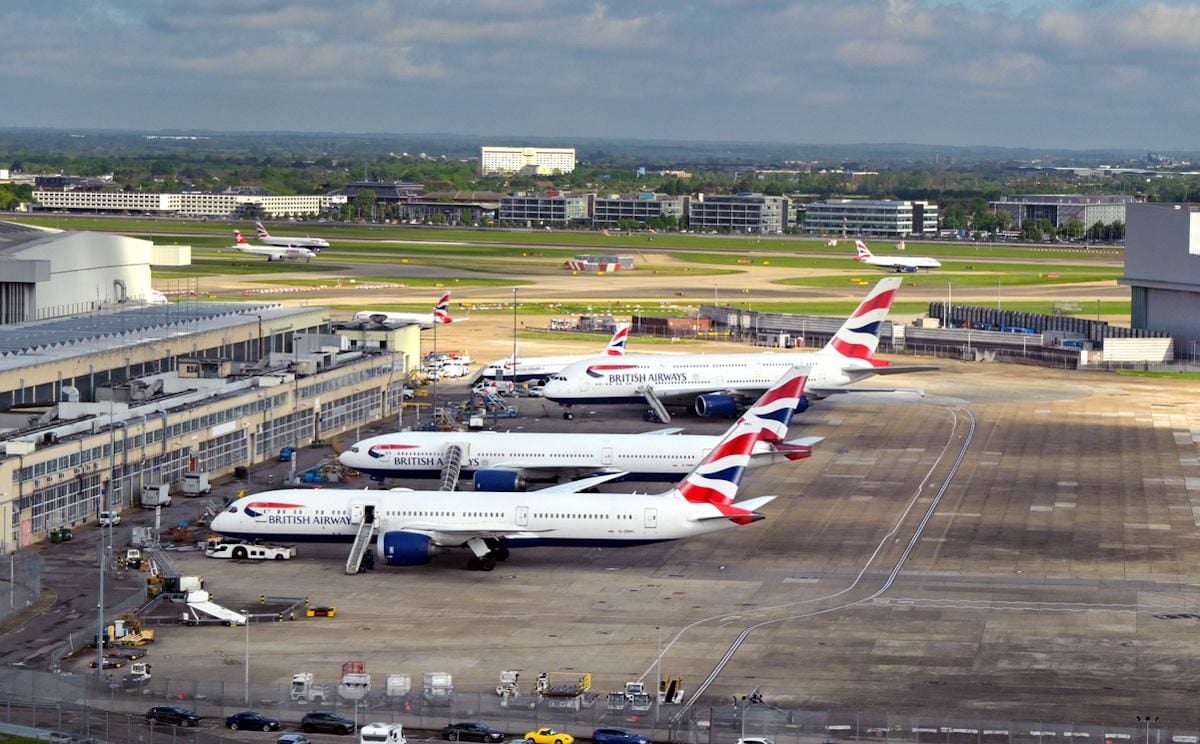
The Mediterranean is bracing for one of the busiest travel weekends of the summer, as more than 2.2 million British holidaymakers prepare to head abroad. With schools across the United Kingdom officially closing for summer, this weekend marks a major turning point in the holiday season—and Greece is firmly in the spotlight.
Greece Among Top Choices
According to the Association of British Travel Agents (ABTA), Greece ranks among the most sought-after destinations for UK travelers, alongside Spain, Portugal, Italy, and Turkey. While Spain continues to dominate as the number one choice, demand for Greek islands and coastal destinations remains exceptionally strong.
Beyond the Mediterranean, long-haul destinations such as Florida and Mexico are also attracting British families, but Europe continues to lead due to shorter travel times and diverse holiday options.
A Peak Travel Weekend
The final weekend of July is traditionally one of the busiest travel periods in the UK. This year is no exception, as it is the first weekend when schools nationwide are closed, allowing families to travel together.
Airports across the UK are preparing for massive passenger volumes:
- Heathrow and Gatwick: Hundreds of thousands of यात्रers expected
- Stansted: Around 220,000 departures
- Luton: Approximately 130,000 travelers
- Manchester: About 250,000 passengers
- Birmingham & Bristol: Over 110,000 and 80,000 respectively
Increased traffic is also anticipated at regional airports, ports, and the Channel Tunnel, as travelers seek every possible route to reach their holiday destinations.
New Border Checks May Cause Delays
This summer also introduces a new factor for UK travelers heading to Europe: the European Union’s Entry/Exit System (EES). For many passengers, this will be their first experience with the new digital border control process.
ABTA CEO Mark Tanzer has advised travelers to allow extra time at airports and border checkpoints, warning that processing times may be longer than usual during this initial rollout phase.
What This Means for Mediterranean Destinations
For countries like Greece, the influx of British tourists is a significant boost to the tourism economy. Hotels, resorts, and local businesses are preparing for peak demand, particularly in popular island destinations.
However, the surge also places pressure on infrastructure, airports, and local services, making efficient planning and crowd management essential.
A Defining Moment for the Season
This weekend is expected to set the tone for the remainder of the summer. With millions of travelers on the move, the Mediterranean is entering its most intense and economically crucial period of the year.
For Greece, being at the center of this travel موج reinforces its status as a top global destination—but also highlights the need to balance high visitor numbers with quality travel experiences.
Package Holidays Make a Comeback: Germans Flock Back to All-Inclusive Travel in 2026
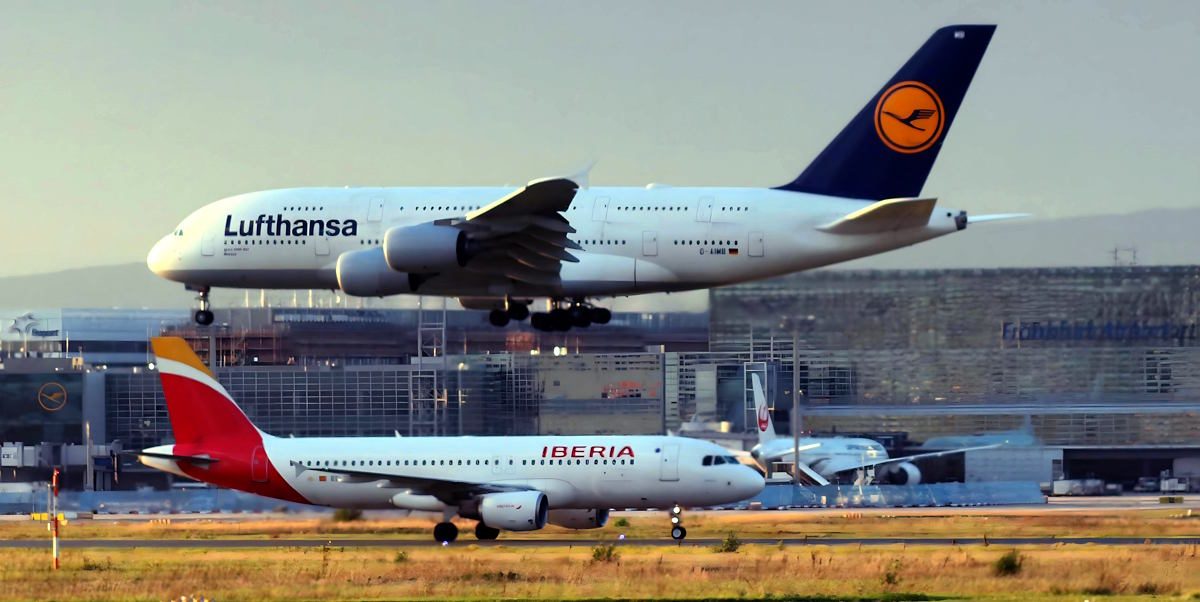
A major shift is underway in the European travel market, as German tourists are returning en masse to package holidays. After years of favoring independent travel planning, more travelers are now opting for the simplicity, security, and value offered by all-in-one vacation deals—and Greece is right at the heart of this trend.
Demand Surges by 18%
According to recent data from Skyscanner, demand for organized “sun and sea” package holidays in Germany has increased by 18% between January and May 2026. The resurgence highlights a growing preference for convenience, with travelers choosing bundled deals that include both flights and accommodation.
Destinations such as Spain, Greece, Turkey, Italy, and Malta dominate the rankings, while specific hotspots like Palma de Mallorca, Antalya, Crete, Rhodes, and Corfu attract the highest number of searches.
Greek Islands in High Demand
Greece stands out as a key beneficiary of this renewed interest. The islands of Crete, Rhodes, and Corfu are among the most popular destinations for German holidaymakers in 2026, consistently appearing at the top of booking searches.
These destinations offer the ideal mix of sunny weather, beaches, hospitality, and competitive pricing—making them especially appealing in today’s cost-conscious travel environment.
Why Travelers Are Choosing Packages Again
The return to package holidays is driven by a combination of practical and economic factors. Travelers are increasingly looking for:
- Ease and convenience: One booking for flights and accommodation
- Transparent pricing: No hidden costs or surprises
- Financial security: Greater protection in uncertain times
- Time savings: Avoiding the need to compare multiple platforms
In a period marked by economic and geopolitical uncertainty, many travelers feel more confident choosing structured travel options that reduce risk and simplify planning.
Better Value for Money
Package holidays are not just convenient—they can also be more affordable. Data shows that bundling flights and hotels often results in noticeable savings compared to booking separately.
For example:
- A 7-night package in Crete with flights and a 5-star hotel was priced at around €939 per person, about 4% cheaper than separate bookings.
- In Corfu, similar packages offered savings of up to 13%.
- Other destinations like Palma de Mallorca and Antalya also showed consistent cost advantages for package deals.
According to Skyscanner, comparing available packages can even lead to average savings of up to 30%, depending on timing and availability.
Technology Driving the Trend
The rise of advanced comparison tools is also fueling this comeback. Platforms now allow users to search millions of package combinations instantly, making it easier than ever to find competitive deals.
Skyscanner alone scans more than 23 million offers ежедневно in the German market, aggregating options from major providers such as Expedia, lastminute.com, Trip.com, and others.
Beyond the Beach: City Breaks on the Rise
While beach destinations dominate, city breaks are also gaining traction within the package travel segment. Cities like Malaga, New York, Istanbul, and Marrakech are seeing increased interest, offering travelers a mix of culture and convenience.
A Lasting Shift?
The strong return of package holidays suggests a broader shift in traveler behavior. While independent travel is far from disappearing, the appeal of simplicity, savings, and security is clearly reshaping booking habits.
For destinations like Greece, this trend represents a valuable opportunity—one that could redefine how visitors plan and experience their holidays in the years ahead.
Holiday Out of Reach: Over 17 Million Germans Cannot Afford Even One Week Away

Despite Germany’s strong economy, a significant portion of its population is unable to afford even a short annual break. According to the latest data from the Federal Statistical Office (Destatis), approximately 17.4 million people in Germany—around 21% of the population—could not afford a one-week holiday in 2025.
The findings highlight a growing affordability gap, showing that travel remains a luxury for millions, even in one of Europe’s wealthiest nations.
Below the EU Average, But Still Concerning
While Germany performs better than the European Union average—where 28% of citizens cannot afford a week’s holiday—the figures still point to widespread financial strain.
Across Europe, the disparity is even more pronounced. Countries such as Romania (61%), Greece (47%), and Bulgaria and Hungary (39%) report significantly higher rates of people unable to take a holiday. On the other end of the spectrum, Luxembourg (11%), Sweden (12%), and the Netherlands (13%) show the lowest levels of deprivation.
Income Plays a Decisive Role
The ability to travel is closely tied to income levels. Among Germany’s lowest-income households—those earning up to €1,600 per month—nearly 48% cannot afford a holiday. This percentage steadily decreases as income rises:
- 28% for incomes between €1,600 and €2,100
- 17% for incomes between €2,100 and €2,700
- 8% and just 3% in the highest income brackets
The data clearly illustrates how economic inequality directly impacts access to leisure and travel opportunities.
Vulnerable Households Hit Hardest
Certain groups are particularly affected. Single-parent households face the greatest challenges, with 38% unable to afford a week away. Meanwhile, 29% of people living alone report similar difficulties.
In contrast, households with two adults fare better: 16% of couples without children and 18% of families with children say they cannot afford a holiday.
What Counts as a “Holiday”?
The data comes from the EU-SILC (European Union Statistics on Income and Living Conditions) survey, which is based on households’ self-assessment. Importantly, the definition of a holiday is broad—it includes not only hotel stays but also visits to friends or family and time spent in a second home.
Implications for Tourism
For the travel industry, these figures underscore a crucial reality: a large segment of potential customers remains priced out of the market. This has reinforced the importance of affordable travel options, flexible booking policies, and budget-friendly packages.
As economic pressures persist, accessibility—not just desirability—may become the defining factor shaping future travel trends across Europe.
Sources:
- CretaOne – Offers and last-minute bookings shape this year’s tourism season in Crete
- Money-Tourism – Last-minute travelers: Britons increasingly booking holidays just weeks before departure
- Money-Tourism – British surge to the Mediterranean with Greece at the center
- Dimokratiki – Germans return massively to package holidays
- Money-Tourism – Strong comeback of organized travel in the German market
- Money-Tourism – Study: Nearly 17.5 million Germans cannot afford even a week’s holiday



