

Child abuse in Crete has become a serious and persistent issue in recent years.

Reports of such cases stay high, and honestly, it doesn’t look like things are getting much better yet.
Recent data reveal a troubling pattern, with hundreds of complaints being recorded within short periods.
This ongoing challenge affects communities all across the island.
Girls make up most of the victims, which is tough to hear.
Some regions, like Lasithi and Rethymno, have seen sharp increases in reports, while Heraklion has experienced a slight drop.
Still, Heraklion and Chania keep reporting the highest numbers, and that’s been the case for a few years now.
The rise in reports over just a few years really underlines how urgent this issue is.
Key Takeaways
- Child abuse cases in Crete remain alarmingly high and persistent.
- Girls are disproportionately affected by abuse compared to boys.
- Certain areas face sharper increases, while major cities report consistently high numbers.
Detailed Information from the Official Statement of the Heraklion Women’s Associations Network

The most recent report shows a worrying rise in child abuse complaints across Crete.
This trend just keeps climbing year after year.
The data covers April to June 2025 and compares it with the same months in 2024.
Key points from the report include:
- Regional Variations:
- Lasithi and Rethymno show the biggest jumps in complaints, with rises of 90% and 50%.
- Chania reports a smaller increase, but it’s still over 10%.
- Heraklion stands out with a slight decrease in reported cases, dropping from 39 to 37 complaints.
- Victim Demographics:
- Girls make up 73% of child victims.
- Boys account for 27%.
- Regional Rankings and Trends:
- Heraklion and Chania continue to have the highest number of child abuse complaints.
- Rethymno and Lasithi report fewer cases overall, but their numbers are rising fast.
Comparing this data with the previous year, the first half of 2025 saw more child abuse cases than the same period in 2024.
Region | Increase in Complaints (Apr-Jun 2025 vs 2024) | Approximate Number of Complaints (2025) | Notes |
|---|---|---|---|
Lasithi | +90% | Low absolute numbers | Sharp rise despite fewer cases |
Rethymno | +50% | Low absolute numbers | Significant increase observed |
Chania | > +10% | Moderate numbers | Steady increase |
Heraklion | Slight decrease | 37 |
Domestic Violence Trends
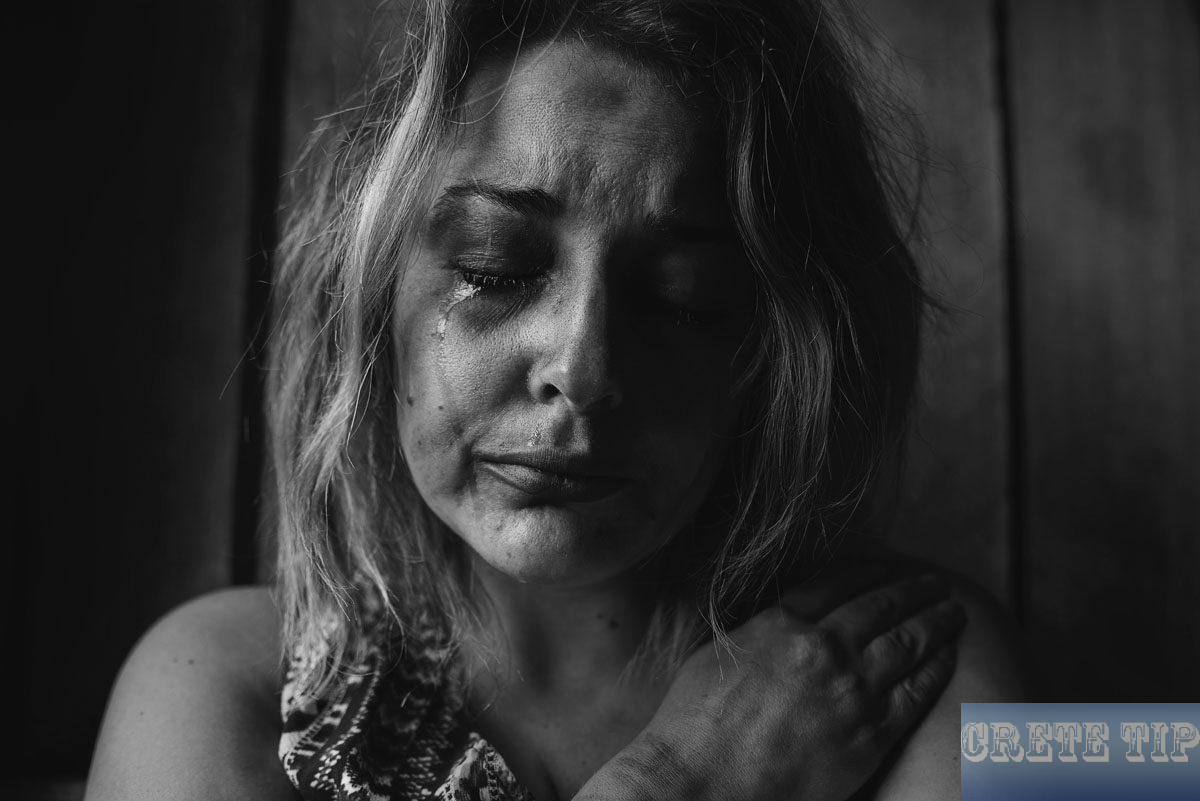
Recent figures show a big jump in domestic violence cases across Greece.
In the first half of 2025, authorities recorded 16,345 reports related to domestic abuse.
That’s almost double the 8,294 reports from the same period in 2023.
Women are the majority of victims, making up about 78% of reported cases.
The numbers also show some pretty clear regional differences in how many incidents get reported.
Region | Number of Reports (Jan-Jun 2025) |
|---|---|
Attica | 4,434 |
Thessaloniki | 927 |
Crete | 725 |
Crete comes in fourth nationwide for reported domestic violence cases.
This trend puts pressure on local communities and support systems.
The Situation in Crete

Data from the Local Association
The local association recorded 48 reports of child abuse from April to June 2025.
That’s a slight uptick compared to the previous quarter, which had 45 reports.
This works out to about 16 cases each month.
The figures highlight a persistent challenge in addressing child abuse within the region.
Region | 2023 | 2024 |
|---|---|---|
Iraklio | 95 | 221 |
Chania | 75 | 136 |
Rethymnon | 20 | 73 |
Lasithi | 7 | 29 |
There has been a particular increase only in Lasithi in 2025 from 29 to 35 cases (don’t we even know one of the guys who really helped out there during the last and this year? In any case, you’re not alone here, Nik!).
Findings and Required Actions
Recent studies show that after a huge spike in cases during 2024, domestic violence and child abuse rates have stayed high through 2025. These numbers highlight deep problems within the protection system.
Instead of helping, the system often adds more stress to victims. It’s honestly frustrating to see how support just isn’t there when people need it most.
Some of the main issues holding things back:
- Support services just don’t have enough staff
- Professionals often lack proper training
- Agencies involved rarely coordinate well
These gaps let abusers feel untouchable, while women and children remain at risk.
Experts keep saying we need multidisciplinary teams, with judicial authorities actually supervising them. More staff and better cooperation between everyone involved should be at the top of the list.



