

Newsflash from Tuesday, 16 June 2026:
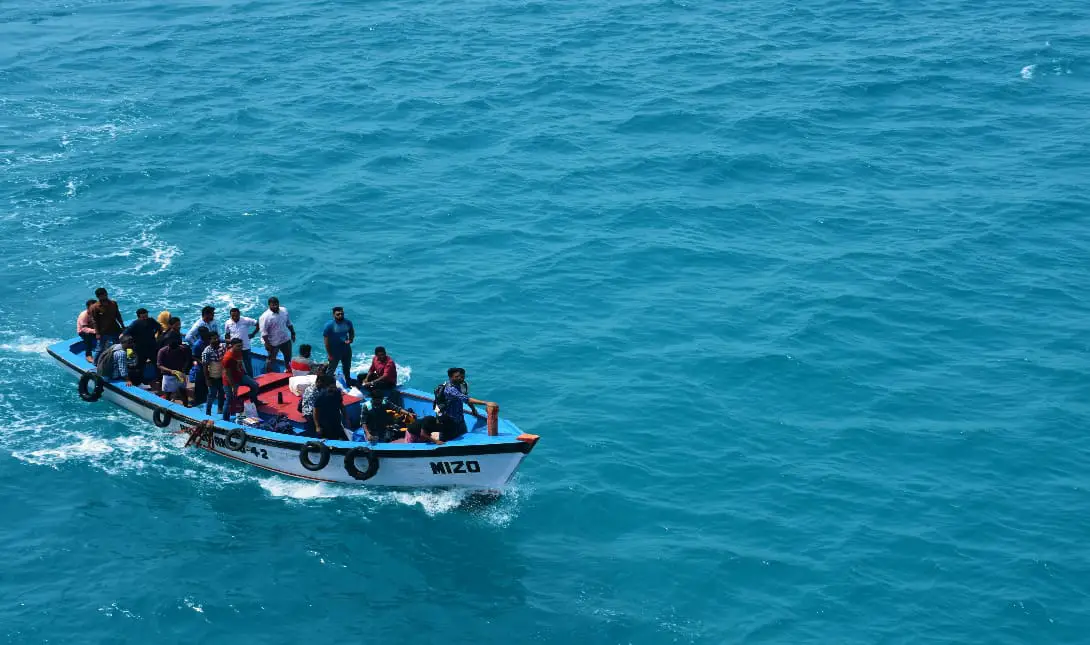
Crete, Greece — Authorities across Crete are facing increasing pressure as a wave of migrant arrivals has unfolded over recent days, with multiple landings and rescue operations recorded in quick succession along the island’s southern coastline.
The latest incidents highlight a growing trend in crossings from North Africa, with dozens of people reaching remote beaches or being intercepted at sea.
Dozens Arrive Within Hours
In one of the most recent developments, nearly 70 migrants arrived within just a few hours in two separate incidents.
According to local reports, 37 individuals were located on the beach of Trypiti in Gavdos, while another 31 people—including women and minors—were found in the Lentas area of Heraklion. All were transferred to temporary accommodation facilities under the supervision of port authorities.
Source: Cretalive report
Rescue Operations South of Gavdos
Search-and-rescue missions have also intensified at sea. In one operation coordinated by Greek authorities and FRONTEX, 32 migrants were rescued approximately 32 nautical miles south of Gavdos.
The group was initially spotted by a FRONTEX aerial unit and later picked up by a patrol vessel along with assistance from a passing cargo ship. They were safely transported to the port of Paleochora.
Source: Rescue operation details
Boat Approaches Coast Unhindered
In another striking incident, a boat carrying migrants was captured on video approaching the southern coast of Heraklion without obstruction.
Meanwhile, authorities confirmed that 71 individuals were expected to be transferred to a temporary hosting area at the port (“Psigeio”), as local officials coordinate accommodation and food provisions.
Source: Watch the report
Additional Interceptions at Sea
In a separate case, a FRONTEX drone detected a vessel carrying 29 migrants in open waters, further underlining the scale and frequency of these crossings.
Authorities continue to monitor maritime routes closely, with ongoing patrols and aerial surveillance aimed at preventing dangerous journeys and ensuring timely rescues.
Source: Drone detection report
Growing Pressure on Local Infrastructure
The steady influx has placed increasing strain on local facilities, particularly in Heraklion, where discussions are ongoing of the establishment of temporary accommodation structures.
Authorities have already begun efforts to decongest existing spaces, while coordinating logistics for food, shelter, and medical care.
A Continuing Trend
These consecutive incidents suggest that Crete remains an active entry point along Mediterranean migration routes. With arrivals occurring both onshore and offshore, officials are preparing for continued pressure in the coming weeks.
For now, the priority remains humanitarian response and safe management of arrivals, as rescue teams, coast guard units, and local authorities work together to handle the evolving situation.
Crete Under Pressure: Migrant Arrivals Surge to Nearly 8,000 in Just Six Months

Heraklion, Crete — A sharp and sustained increase in migrant arrivals is placing mounting pressure on authorities and services across Crete, with nearly 8,000 people reaching the island in the first half of 2026.
The figures, presented during a recent local broadcast, reveal a rapidly escalating situation that is testing both operational capacity and humanitarian response systems.
Numbers Show Dramatic Increase
According to official data, from January 1 to mid-June 2026, a total of 7,921 migrants arrived on the shores of eastern Crete across 166 separate incidents.
By comparison, during the same period in 2025, authorities recorded 120 incidents involving 5,756 people.
The year-on-year increase is significant, with thousands more arrivals and dozens of additional rescue operations, signaling a clear upward trend.
Source: Neakriti report
Strain on Coast Guard and Health Services
Behind the numbers lies an intense operational reality. Each arrival often involves complex and risky sea rescues, carried out under difficult conditions.
The Hellenic Coast Guard is facing increased demands, frequently operating with limited personnel and resources while responding to a growing number of emergency calls.
At the same time, healthcare services are under pressure. Medical staff are required to assess and treat individuals suffering from dehydration, exhaustion, and other health issues after long and dangerous journeys.
Health officials stress the importance of strict protocols to prevent the spread of infectious diseases, ensuring both public safety and proper care for those arriving.
New Security Measures Planned for Facilities
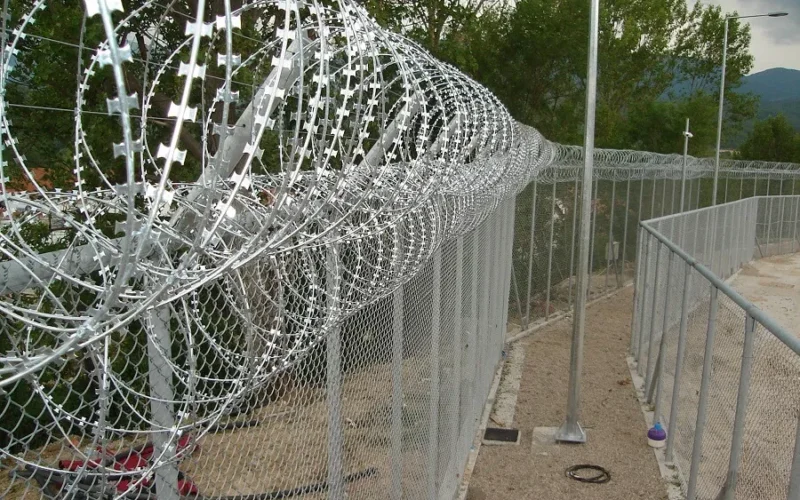
As arrivals continue to rise, authorities are moving forward with plans to upgrade migrant accommodation facilities on the island.
The Ministry of Migration and Asylum has proposed the introduction of enhanced security systems, including:
- Double perimeter fencing (“NATO-type” barriers)
- Advanced surveillance and monitoring systems
- Controlled entry and exit points
The goal, according to officials, is to improve both security and management of temporary hosting structures, while addressing concerns raised by local communities.
Source: Creta24 coverage
A Growing Humanitarian and Operational Challenge
The steady increase in migrant flows underscores a broader shift in migration patterns in the Eastern Mediterranean, with Crete emerging as a key entry point.
Authorities now face a dual challenge: maintaining effective border and rescue operations while ensuring humane reception conditions for those arriving.
With numbers continuing to rise and no immediate signs of slowdown, the situation is expected to remain a central issue for both local and national authorities in the months ahead.



