

Newsflash from Tuesday, 16 June 2026:

Brussels — After more than a decade of negotiations, the European Union has reached a landmark agreement to overhaul air passenger rights, bringing important changes to compensation rules, baggage fees, and overall transparency in ticket pricing.
The reform marks the first major update since 2004 and aims to strike a balance between stronger consumer protection and the operational needs of airlines.
Compensation Rules Stay — Up to €600 for Delays
One of the most crucial decisions is that passengers will continue to be entitled to compensation if their flight is delayed by more than three hours.
The agreed compensation remains unchanged:
- €250 to €600 depending on flight distance
This maintains the current system despite earlier proposals to increase the delay threshold to four hours or reduce compensation levels.
Airlines will only be exempt from paying compensation in “extraordinary circumstances,” such as extreme weather, natural disasters, war, or strikes affecting airport or air traffic control services.
Faster and Simpler Compensation Process
The new framework introduces clearer and faster procedures for claims:
- Passengers must be informed within 4 days after travel
- Airlines must respond to claims within 30 days
This aims to reduce long waiting times and administrative hurdles that travelers often face today.
Changes to Baggage Fees and Pricing Transparency
One of the most debated changes concerns carry-on baggage fees.
Under the new rules:
- Small personal items must remain free of charge
- Airlines can charge for larger cabin bags
- All fees must be clearly displayed from the start of booking
Airlines may also offer discounted tickets for passengers traveling without cabin baggage, improving price comparability across carriers.
End of “No-Show” Ticket Cancellations
The agreement abolishes the controversial “no-show” policy, which allowed airlines to cancel return flights if passengers did not use the first leg of their journey.
This change offers greater flexibility and fairness for travelers whose plans change unexpectedly.
Stronger Rights for Families and Vulnerable Passengers
New provisions also enhance protections for specific groups:
- Children under 14 can sit next to accompanying adults free of charge
- Passengers with disabilities, pregnant women, and families will not be separated
These measures aim to improve comfort, dignity, and accessibility during air travel.
Improved Care During Delays
Airlines will face stronger obligations to assist passengers during disruptions, including:
- Food and refreshments
- Accommodation for up to three nights if necessary
Digital Simplicity and Fair Access
The new rules also ensure passengers cannot be forced to download airline apps just to access boarding passes, reinforcing accessibility for all travelers.
What Happens Next?
The agreement still requires final approval and formal adoption before entering into force. Until then, current rules remain in place, but the direction is clear: more transparency, clearer rights, and stronger protections for passengers across Europe.
As EU officials noted, the reform is designed to benefit both travelers and airlines by creating a more predictable and balanced framework for air travel.
Think Your Carry-On Is Guaranteed? Here’s Why Airlines Sometimes Take It at the Gate
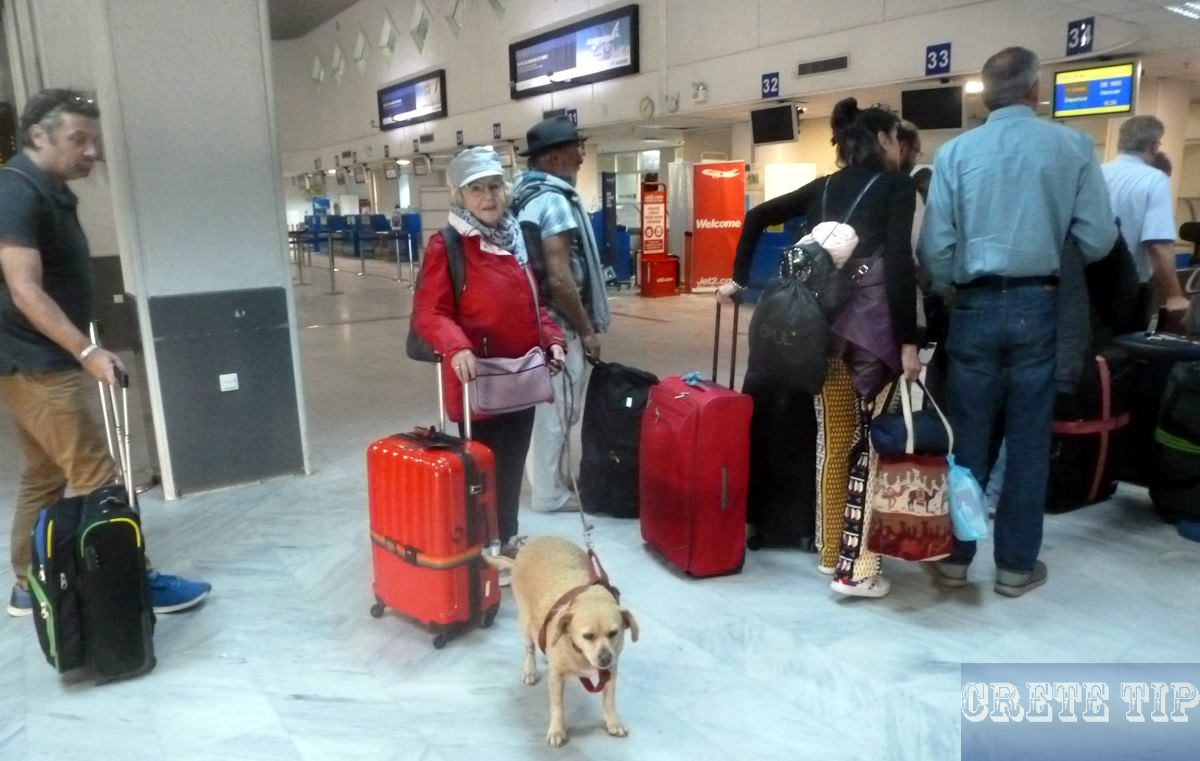
You’ve measured your bag, weighed it twice, and made sure it meets every airline rule—yet just before boarding, you’re asked to hand it over. If this has happened to you, you’re not alone. Increasingly, passengers are being required to surrender their carry-on luggage at the gate, even when it fully complies with airline policies.
So what’s really going on?
It’s Not Always About Size or Weight
While travelers often assume restrictions are strictly about dimensions or kilos, the reality is more complex. Even perfectly compliant cabin bags may be redirected to the aircraft hold due to operational needs.
Limited Overhead Space
The most common reason is simple: there isn’t enough room on board.
On full flights—especially on smaller aircraft or low-cost carriers—the overhead compartments fill up quickly. To avoid delays and ensure a smoother boarding process, airline staff may proactively move some carry-ons to the cargo hold.
This is particularly common during peak travel seasons when flights operate at or near capacity.
Aircraft Weight Distribution Matters
There’s also a lesser-known but critical factor: aircraft balance.
For safe takeoff and landing, the weight inside the aircraft must be distributed correctly. In some cases, even if space is available in the cabin, crew or the captain may decide that certain bags need to be placed in the hold to maintain optimal balance.
This decision is based on safety—not convenience.
What Happens to Your Bag?
If your carry-on is taken at the gate, it will be tagged and linked to your ticket. The process is organized and designed to ensure your belongings arrive safely at your destination.
In fact, gate-checked bags are often among the first to appear on the baggage carousel after landing.
What You Should Always Keep With You
Because gate checks can happen unexpectedly, it’s important to be prepared. Always keep essential items easily accessible, including:
- Medications
- Valuables
- Electronic devices
- Power banks and spare batteries
This way, you can quickly remove them if asked to hand over your bag.
The Bottom Line
Even if your carry-on meets every requirement, it’s not a guaranteed ticket into the cabin. Factors like limited storage space and aircraft safety can override standard rules.
Being aware of this—and packing accordingly—can help you avoid stress and travel more smoothly, no matter what happens at the gate.



