

Newsflash from Monday, 1 June 2026:
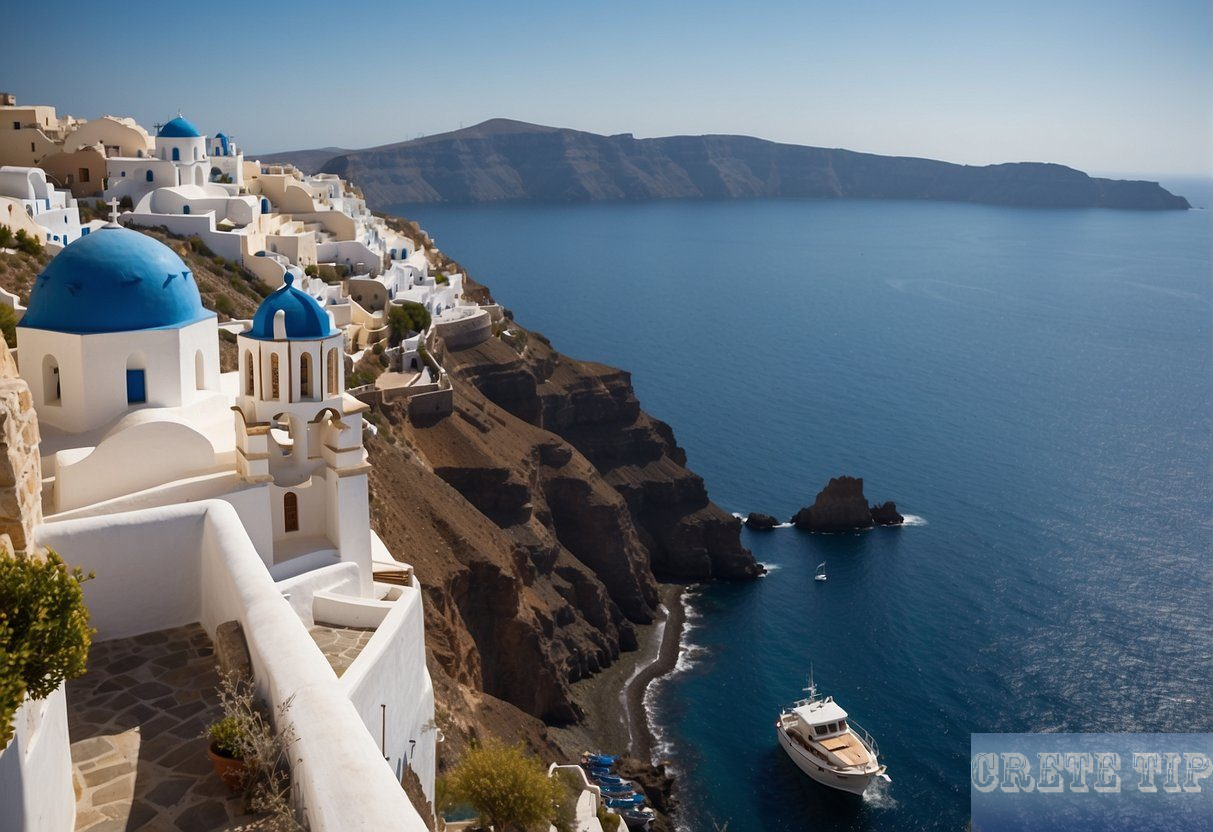
On some of Greece’s most iconic islands, the balance between visitors and residents has tipped dramatically. A recent study by the University of the Aegean’s Sustainable Tourism Observatory reveals a striking reality: in several destinations, tourist beds now far outnumber the people who actually live there.
From world-famous hotspots like Mykonos and Santorini to lesser-known gems such as Koufonisi, the data highlights a growing imbalance that raises serious questions about sustainability, infrastructure, and quality of life.
A Surplus of Beds, A Shortage of Balance
The study found that Mykonos, Santorini, and Koufonisi each have more than four tourist beds for every permanent resident. Across the country, six islands exceed three beds per resident, while 13 surpass two.
When vacation homes are included, the numbers climb even higher. Serifos leads with eight beds per resident, followed by Schinoussa (6.8), Antiparos (6.4), and Kastos (6). Several other islands—including Irakleia, Kythnos, Kea, Sikinos, Mykonos, and Ammouliani—exceed five beds per resident.
This surge reflects the explosive growth of tourism and short-term rentals, but it also underscores the pressure placed on limited land, housing, and local resources.
Tourism Density Reaches New Highs
Beyond per-resident ratios, the study also measured tourism density. Santorini tops the list with an astonishing 863.4 beds per square kilometer, followed by Mykonos (611.4) and Skiathos (381.5). Other islands like Koufonisi, Paxoi, Kos, and Poros also exceed 200 beds per square kilometer.
Even Rhodes, which has the highest total number of tourist beds (182,629), appears less dense due to its larger size, with 100.6 beds per square kilometer.
Economic Gains, Social Strains
While tourism undeniably fuels local economies, the study suggests that growth does not always translate into sustainable development or stronger communities. In fact, only 11 islands recorded population growth over the past decade. Others, including major tourism hubs like Corfu and Thasos, experienced notable population declines.
Consultations with residents on multiple islands reveal growing unease. More than 60% of respondents said there is no consistent plan to manage local challenges or protect public interests. Although many acknowledge the jobs and income tourism provides, there is a widespread perception that much of the financial benefit flows to external business owners rather than staying within the community.
The Future of Island Tourism
The findings point to a critical crossroads for Greece’s tourism model. As visitor numbers continue to rise, so too does the need for thoughtful planning that balances economic opportunity with environmental protection and social cohesion.
Without strategic intervention, the very qualities that make these islands attractive—authentic communities, natural beauty, and cultural heritage—risk being overshadowed by the pressures of overdevelopment.
The question is no longer whether tourism is beneficial, but how it can be managed sustainably. For many Greek islands, the answer may determine not just their future as destinations, but as livable communities.
Crete at a Crossroads: Will New Mega Projects Fuel Overtourism or Sustainable Growth?
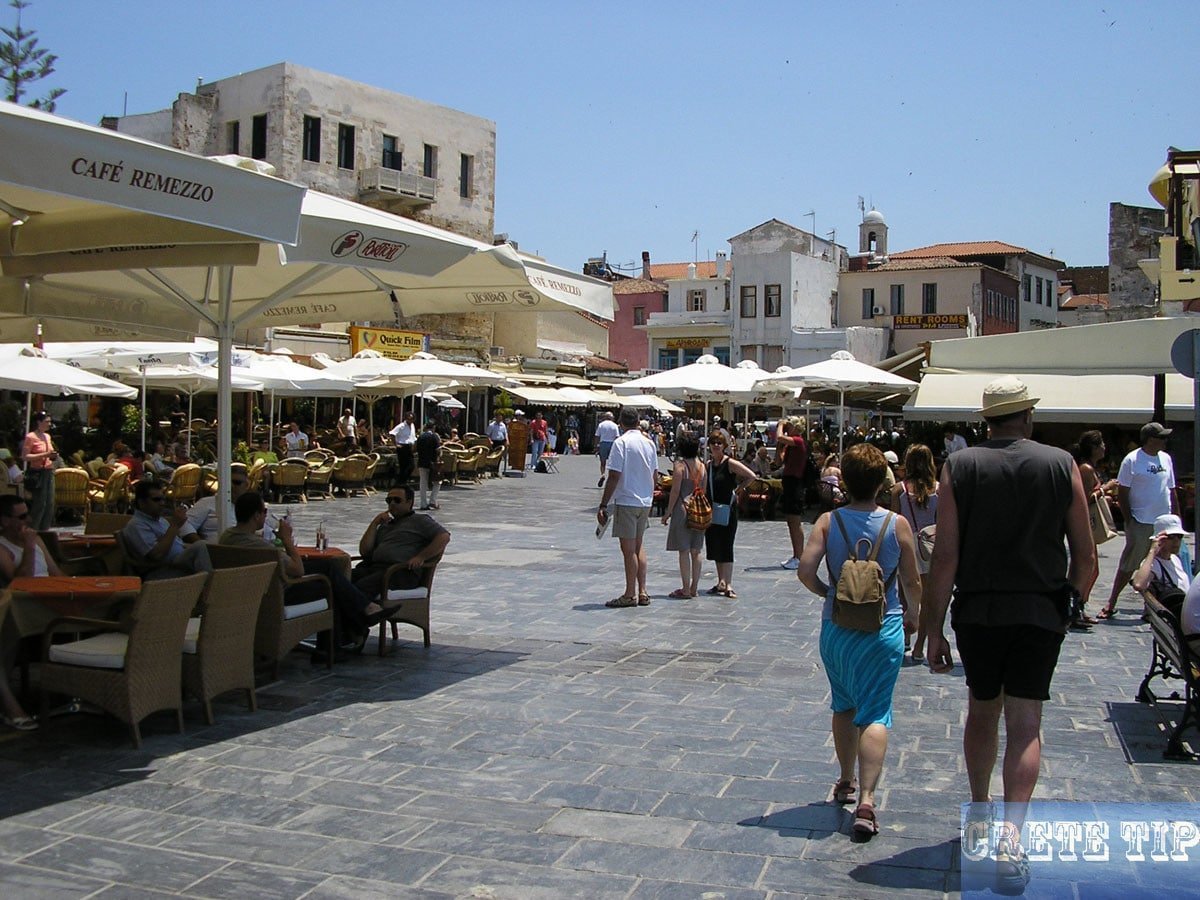
Crete is entering a new era. With long-awaited infrastructure projects finally moving forward—most notably the Northern Road Axis of Crete (BOAK) and the new international airport in Kasteli—the island is poised for unprecedented growth. But as accessibility improves and visitor numbers are expected to surge, a pressing question emerges: is Crete heading toward overtourism?
For decades, these projects were discussed but never realized. Now, they promise to reshape the island’s economy, connectivity, and global tourism appeal. Yet, alongside opportunity comes a complex set of challenges that Crete can no longer afford to ignore.
A New Level of Connectivity
The BOAK, Crete’s largest infrastructure project, is set to transform how people move across the island. More than just a highway, it will enhance road safety, reduce travel times, and open up new regions for tourism and investment. Areas that were once difficult to access may soon become key destinations.
At the same time, the new Kasteli airport is expected to significantly increase Crete’s capacity to welcome international visitors. With modern facilities and expanded flight connections, the island is positioning itself as a year-round destination rather than a purely seasonal hotspot.
Together, these developments could redefine Crete’s place on the global tourism map.
The Overtourism Question
However, increased capacity often brings increased pressure. Parts of Crete are already experiencing the early signs of overtourism: crowded coastal zones, strained infrastructure, and growing environmental stress during peak summer months.
Higher demand means greater consumption of water and energy, more traffic congestion, and mounting challenges in waste management. Sensitive ecosystems—one of Crete’s greatest assets—face the risk of gradual degradation if growth is not carefully managed.
These are not distant concerns. They are already visible in some of the island’s most popular areas.
The Housing and Workforce Challenge
The tourism boom is also reshaping local communities. The rapid expansion of short-term rentals has contributed to a housing shortage, making it increasingly difficult for workers, young people, and families to find affordable homes—especially in high-demand tourist regions.
At the same time, businesses are struggling to find staff. Seasonal employment, demanding working conditions, and limited housing options often deter potential workers, creating gaps in the very sector that drives the island’s economy.
Beyond Mass Tourism
Despite these challenges, Crete holds a unique advantage: diversity. From mountain villages and agricultural traditions to rich gastronomy and cultural heritage, the island offers far more than its beaches.
The real opportunity lies in shifting from a model of mass, seasonal tourism to one that is more balanced, sustainable, and experience-driven. Expanding tourism into inland areas, promoting local products, and investing in cultural and nature-based experiences can help distribute economic benefits more evenly across the island.
This approach not only reduces pressure on overcrowded coastal zones but also strengthens local communities and preserves Crete’s authentic identity.
A Defining Moment
Crete is not just growing—it is transforming. Major investments in infrastructure and energy, including improved interconnections, are laying the groundwork for a more resilient and competitive economy.
But growth without strategy carries risks. The challenge is not simply to attract more visitors, but to ensure that tourism enhances quality of life for residents, protects natural resources, and creates long-term value for the island.
As BOAK and the new airport bring Crete closer to the world, the island faces a defining choice: pursue unchecked expansion or embrace a smarter, more sustainable tourism model. The direction it takes will shape its future for generations to come.



