

Newsflash from Thursday, 7 May 2026:
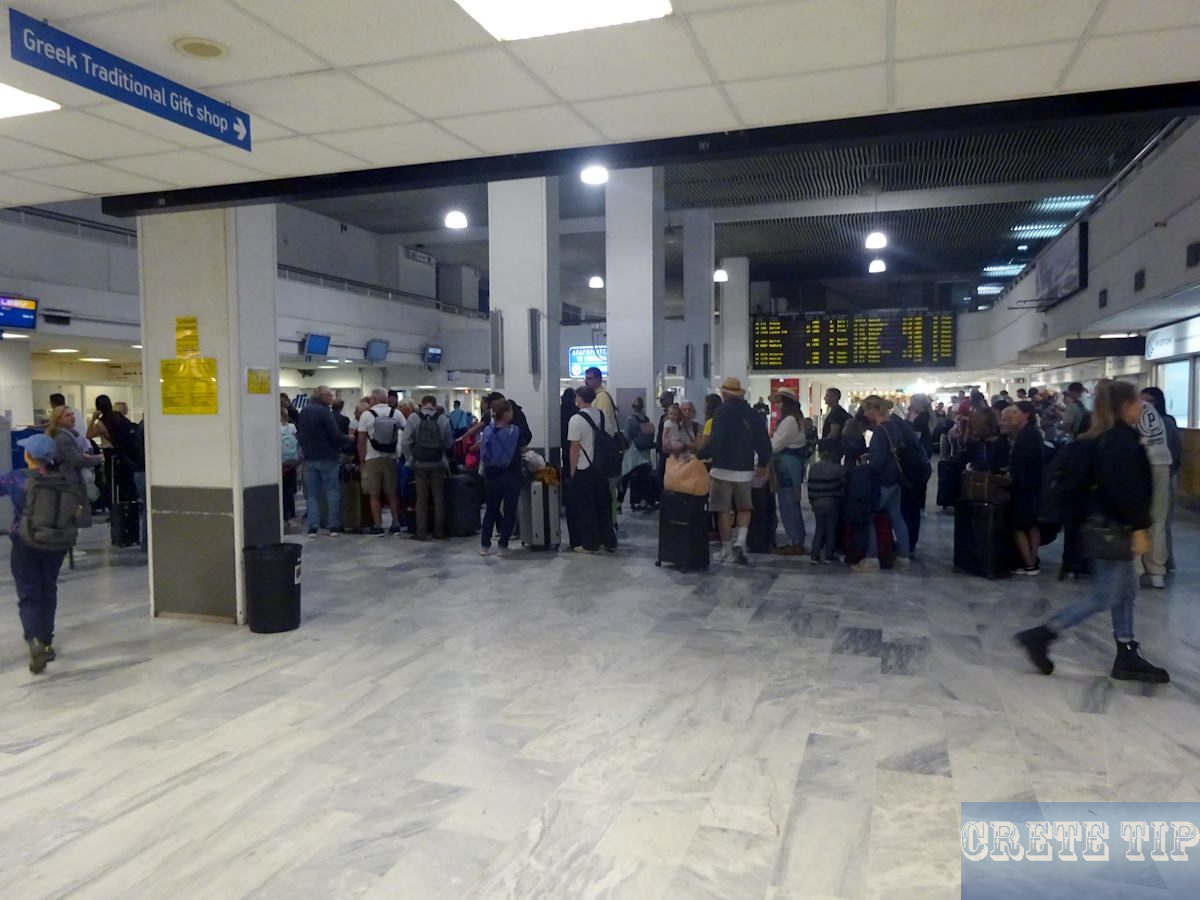
Safety First: 70% of Germans Shift Travel Plans Amid Middle East Tensions
The German travel market is experiencing a significant shift as geopolitical instability reshapes holiday priorities. According to a new representative survey conducted for HolidayCheck, 7 out of 10 German travelers are now adjusting their plans due to the ongoing conflict in the Middle East.
While the desire to travel remains high, the “safety-first” mindset is driving a mass migration toward European destinations and a resurgence in organized package tours.
A Major Shift in Destination Choice
The survey reveals that the current political climate is a major factor for the vast majority of German vacationers. Specifically, 40% of respondents stated that the situation strongly or very strongly influences their holiday planning, while another 30% reported a partial influence.
This has led to a clear “re-mapping” of preferred destinations:
* The Safe Zones: Germany, Austria, and Switzerland are viewed as the safest options by 70% of travelers, followed by Western Europe (56%) and Southern Europe/the Mediterranean (48%).
* The Avoidance Zones: The Arabian Peninsula is currently considered safe by only 3% of Germans, while Africa (10%) and North/South America (20%) also see lower confidence levels compared to domestic or European travel.
The Return of the Package Tour
In times of uncertainty, travelers are looking for a safety net. The survey highlights a massive gap in perceived security between different types of travel:
* 73% of Germans consider organized package tours to be safe or very safe.
* In contrast, only 53% feel the same way about independent, self-organized travel.
The appeal of package tours lies in the logistical support they provide. In the event of a crisis, travelers value having clear points of contact, guaranteed repatriation options, and professional on-site support.
Flexibility is the New Currency
Rather than canceling their holidays entirely, Germans are becoming more tactical. About 40% of travelers say they are ready to switch to alternative destinations, and 35% are specifically looking for flexible pricing and “flex-rate” bookings that allow for last-minute changes.
Interestingly, despite the caution, the “travel bug” remains resilient. One in three respondents (32%) admitted they would still consider traveling to a country even if a partial travel warning were in place, provided their desire to visit was strong enough.
Fuel Prices: The Secondary Crisis
It isn’t just geopolitics affecting the German traveler’s wallet. Rising fuel costs are also weighing heavily on the industry. 47% of respondents said that fuel price hikes strongly impact their plans. To combat this, 28% are looking at alternative modes of transport, while 26% are choosing different destinations to keep costs manageable. Only 17% are considering staying home altogether.
The Bottom Line for 2024-2025
The German travel market is far from stagnant, but it is becoming increasingly Euro-centric. As “short-haul” and “medium-haul” destinations benefit from the current climate, the industry is seeing a clear trend: travelers aren’t giving up their vacations—they are simply moving them closer to home and placing them in the hands of professional tour operators.
Source: Money-Tourism
2 Million Seats Slashed: Global Airlines Cut Capacity as Fuel Crisis Hits May Travel
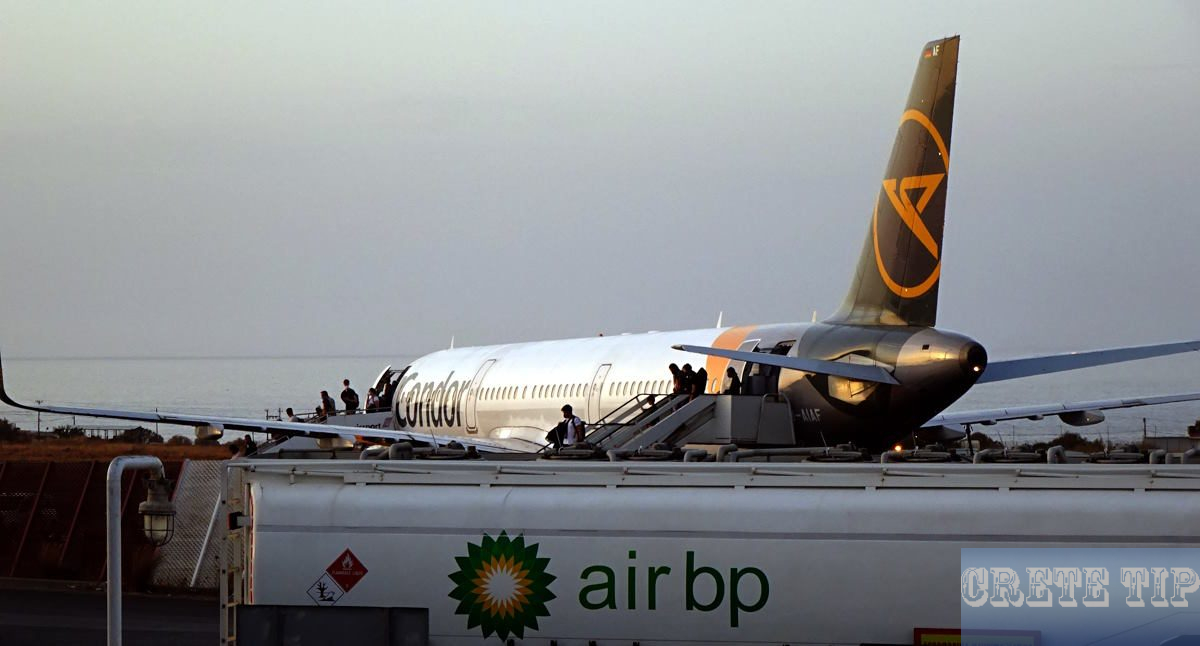
The global aviation industry is facing a sudden and sharp contraction. Within just two weeks, airlines worldwide have stripped approximately 2 million seats from their May flight schedules. This massive reduction comes as concerns over fuel adequacy and skyrocketing costs reach a breaking point.
According to data from Cirium and reports by the Financial Times, the industry is scrambling to adapt to a rapidly changing geopolitical landscape that has sent jet fuel prices soaring.
The Fuel Factor: Costs Double Amid Conflict
The primary driver behind this sudden capacity cut is the ongoing conflict in Iran. Since the start of the war, the cost of jet fuel has doubled, rendering many previously scheduled routes unprofitable.
In response, airlines are not just canceling flights but are also pivoting their operational strategies. Many carriers are now swapping out larger jets for smaller, more fuel-efficient aircraft to mitigate the financial impact of every mile flown.
Major Disruptions in the Gulf and Beyond
The closure of key airports in the Gulf region has added another layer of complexity. These hubs traditionally serve as the vital bridge between Europe and Asia. With these connections hampered, major regional players—including Emirates, Etihad Airways, and Qatar Airways—have been forced to undergo significant route readjustments and cancellations.
The impact is being felt globally, with international giants like British Airways, United Airlines, China Airlines, and All Nippon Airways reconfiguring their networks to manage the supply-and-demand pressures.
Which Airlines are Cutting the Most?
While the entire industry is feeling the squeeze, some airlines have been hit harder than others:
* Lufthansa: The German carrier has recorded the highest number of cancellations in recent months, axing 20,000 flights between May and October because high fuel costs made them financially unviable.
* Turkish Airlines: According to Cirium, Turkish Airlines has reduced its seat capacity more than any other airline in the last two weeks. However, analysts suggest the carrier may be positioned to benefit in the long term from disruptions in the Gulf.
* Air China: Following closely behind, Air China has seen the second-highest number of seat cancellations, including significant cuts to domestic routes such as the busy Chengdu-Beijing corridor.
What This Means for Travelers
For those planning to fly this month and throughout the summer, the message is clear: prepare for turbulence.
1. Higher Ticket Prices: As capacity shrinks and fuel costs remain high, ticket prices are expected to continue their upward trajectory.
2. Route Changes: Travelers may find their direct flights replaced by connections or shifted to different time slots as airlines optimize their schedules.
3. Increased Uncertainty: With 2 million seats already gone, further adjustments are possible depending on how the geopolitical situation evolves.
The “Golden Age” of cheap, abundant post-pandemic travel is facing its toughest challenge yet. As airlines prioritize profitability over volume, passengers will need to be more flexible and budget-conscious than ever before.
Source: Hania.news
Locked In: German Tour Operators Guarantee No Price Hikes for Existing Bookings
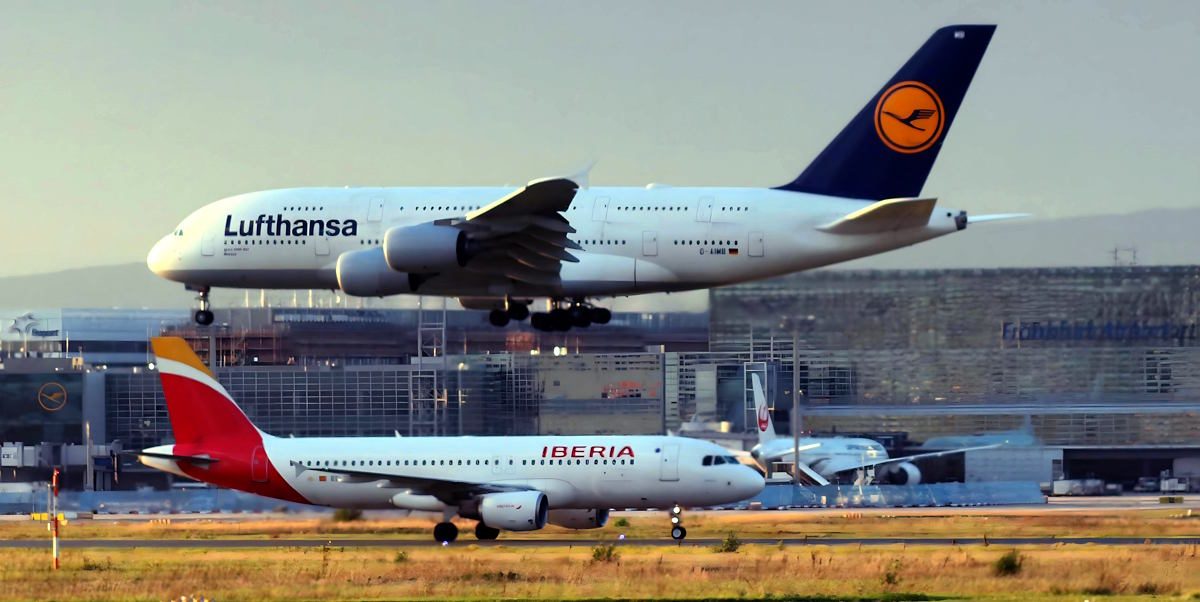
With global aviation fuel prices on a relentless upward climb, many travelers have been bracing for the dreaded “surcharge” email. However, there is a silver lining for those who have already planned their getaways. Major German tour operators have stepped forward to reassure the public: if you’ve already booked your package holiday, your price is safe.
Despite the mounting pressure from rising kerosene costs, industry giants including TUI, Alltours, Dertour, and Schauinsland-Reisen have categorically stated they will not impose retroactive price increases on confirmed bookings.
The “Price Freeze” Promise
For travelers who took advantage of early-bird deals or simply planned ahead, the price confirmed at the time of booking is final.
“The price confirmed at the time of booking is definitive and binding, without subsequent surprises,” stated Detlef Schroer, Managing Director of Schauinsland-Reisen. He emphasized that the company intends to stick to agreed-upon prices and will not pass on cost increases to customers who already have a contract in hand.
A Warning for Future Bookings
While existing customers can breathe a sigh of relief, the outlook for those still “window shopping” is less certain. The “window” for current pricing may be closing.
Christoph Debus, head of Rewe Group’s tourism division (Dertour), noted that if kerosene prices remain at their current record highs, price adjustments for *new* bookings will be inevitable. “If they stay at these levels, we cannot rule out price increases for future bookings,” Debus warned.
Know Your Rights: The Legal Fine Print
Under European travel law, tour operators do have a narrow legal window to increase prices after a booking is made—but only under strict conditions:
* Contractual Clause: The possibility of a price increase must be clearly stated in the original contract.
* The 20-Day Rule: Any price hike must be communicated to the traveler at least 20 days before the departure date.
* The 8% Threshold: If an operator attempts to increase the price by more than 8%, the customer has the legal right to cancel the trip free of charge.
Fortunately, the major players mentioned above are currently waiving these rights to maintain consumer confidence.
No Need to Fear Cancellations
Beyond price hikes, many travelers fear their trips might be canceled altogether due to rising operational costs. TUI and Alltours have been quick to dispel these rumors.
“Nothing is being canceled by us,” a TUI spokesperson confirmed, assuring the public that summer and autumn schedules remain stable. While some flight schedules might see minor adjustments due to fuel supply logistics, operators are committed to finding alternative flights rather than canceling vacations.
The Takeaway: Book Sooner Rather Than Later
The message from the travel industry is clear: The early bird doesn’t just get the worm; they get the lower price.
If you are planning a holiday for later this year, booking now may protect you from the inevitable price adjustments that will follow if fuel costs continue to surge. For those with a booking confirmation already in their inbox, you can rest easy knowing your holiday budget is secure.
Source: Money-Tourism
“Don’t Panic, Just Pack”: ABTA Reassures Travelers as Holidays Proceed Normally Despite Fuel Concerns
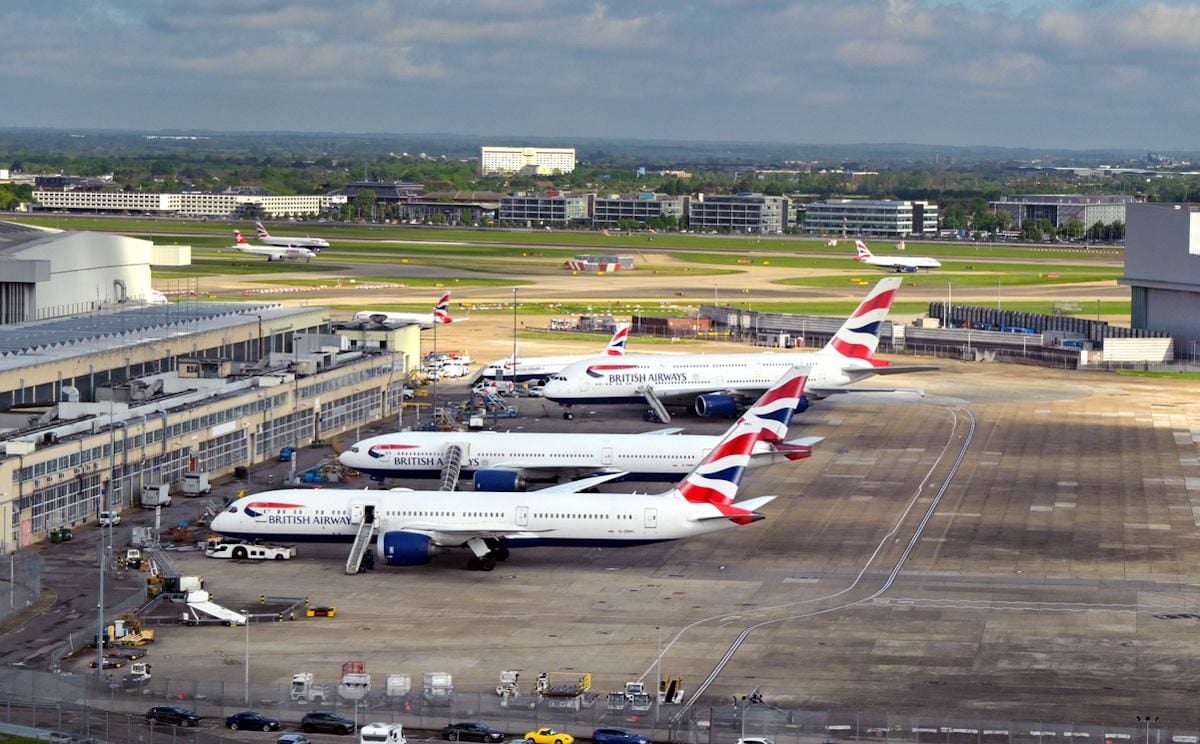
In recent weeks, whispers of fuel shortages and flight cancellations have left many British holidaymakers feeling uneasy about their upcoming travel plans. However, ABTA (The Association of British Travel Agents) has stepped in to set the record straight: holidays are proceeding as normal, and there is no reason for travelers to hit the panic button.
In a newly published guidance update, ABTA aims to calm the market, providing clarity on fuel availability, pricing, and passenger protections.
No Fuel Crisis for UK Flights
One of the primary concerns for travelers has been the potential for flight cancellations due to jet fuel availability. ABTA has been in constant communication with airline industry bodies and has confirmed that there are no signs of disruptions to fuel supplies in the UK.
The UK benefits from a diverse and robust network of fuel sources, ensuring that planes remain fueled and ready for departure. While global energy markets are always a topic of discussion, the association emphasizes that the current supply chain is stable for the aviation sector.
Minor Adjustments, Not Major Disruptions
While the overall outlook is positive, ABTA did acknowledge that some European airlines have implemented limited flight reductions. These are primarily cost-saving measures on routes that feature multiple daily flights to the same destination.
What does this mean for you?
* Minimal Impact: These reductions represent a tiny fraction of total flights.
* Same-Day Solutions: In the rare event of a cancellation, passengers are typically moved to the next available flight, often on the same day.
* No Significant Delays: Travelers are still reaching their final destinations without major hurdles.
The Power of Protection
A key takeaway from ABTA’s intervention is the reminder of the protections afforded to those who book through regulated travel providers. Travelers are significantly better protected against unforeseen developments when they book a package holiday.
However, ABTA continues to stress the importance of personal travel insurance. While industry protections cover flight and accommodation failures, personal insurance remains essential for health emergencies and other individual circumstances.
Why You Shouldn’t Wait to Book
For those still on the fence about booking their next getaway, ABTA’s advice is clear: don’t delay.
* Price Security: Booking early locks in your price. Last-minute bookings are increasingly subject to limited availability and higher price points.
* Long-Haul Safety: For destinations like South America, Southeast Asia, and Australia, early booking is vital. It reinforces the airline’s legal obligation to transport you to your final destination, providing a safety net that last-minute travelers might lack.
* Expert Guidance: Travel agents and tour operators are available to help consumers find packages that fit both their needs and their budgets, navigating any complexities in the current market.
The Bottom Line
The message from the UK’s leading travel authority is one of confidence. With stable fuel supplies and robust consumer protections in place, the “travel as normal” status remains firmly in effect. If you have a trip planned, or are looking to book one, the skies remain open and welcoming.
Source: Money-Tourism
Peace of Mind for 2026: Solmar Villas Launches “Book with Confidence” Guarantee

In an era where global events can shift travel plans in an instant, travelers are looking for more than just a beautiful destination—they are looking for security. Solmar Villas, the UK-based villa specialist with a significant presence in the Greek market, has stepped up to meet this demand by launching its new “Book with Confidence Commitment.”
This initiative is designed to reassure holidaymakers that their 2026 getaways are protected, flexible, and financially secure.
What is the “Book with Confidence” Commitment?
The new commitment builds upon Solmar Villas’ existing reputation for quality and safety. By joining the ranks of leading UK travel companies offering enhanced protections, Solmar is ensuring that guests can look forward to their holidays without the stress of “what if.”
The guarantee includes:
* Full ABTA Coverage: Ensuring high standards of service and financial protection.
* 24/7 Support: A dedicated 24-hour holiday helpline for immediate assistance.
* On-the-Ground Assistance: Local support teams stationed at resorts to help guests during their stay.
Maximum Protection for Package Holidays
For those booking villa packages that include flights, the protection is even more robust. Under Solmar’s ATOL license, travel agents and customers are guaranteed a full refund in two specific scenarios:
1. If the airline cancels the flight.
2. If the UK Foreign Office (FCDO) issues a travel advisory against visiting a specific destination.
Unmatched Flexibility for “Villa-Only” Bookings
Solmar Villas is also extending its olive branch to those who prefer to book their accommodation separately. If the UK Foreign Office advises against travel or if a customer’s flight is canceled by the airline, Solmar will waive the standard £150 administrative fee for booking amendments.
This means customers can change their destination or dates and only pay the difference in the holiday price, removing the sting of extra “hidden” costs.
No Post-Booking Surcharges
In a move to combat rising costs in the aviation sector, Solmar Villas has also guaranteed that it will not pass on any additional flight charges after a booking has been confirmed.
“The price quoted is the price paid,” the company stated. Any fluctuations or increases in airline costs after the booking is finalized will be handled by Solmar, ensuring that the traveler’s budget remains intact.
Putting the Joy Back into Travel
Sharon Bradbury, General Manager of Solmar Villas, highlighted that the goal is to rebuild consumer confidence following recent global disruptions.
“Above all, we want guests to feel relaxed and excited about the holidays they deserve, not stressed and uncertain about what might happen in the coming weeks and months,” Bradbury explained. She added that the company is proud to join other travel brands in strengthening the resilience of the industry.
The Bottom Line
Whether you are eyeing a luxury retreat in Greece or a family escape elsewhere in Europe, Solmar Villas is making a clear statement: your peace of mind is worth the investment. With 2026 bookings now open, travelers can lock in their dream villas knowing they are backed by one of the most comprehensive guarantees in the business.
Source: Money-Tourism



