

Allies, Not Enemies: How Crete is Protecting the Loggerhead Turtle While Building a Sustainable Future.
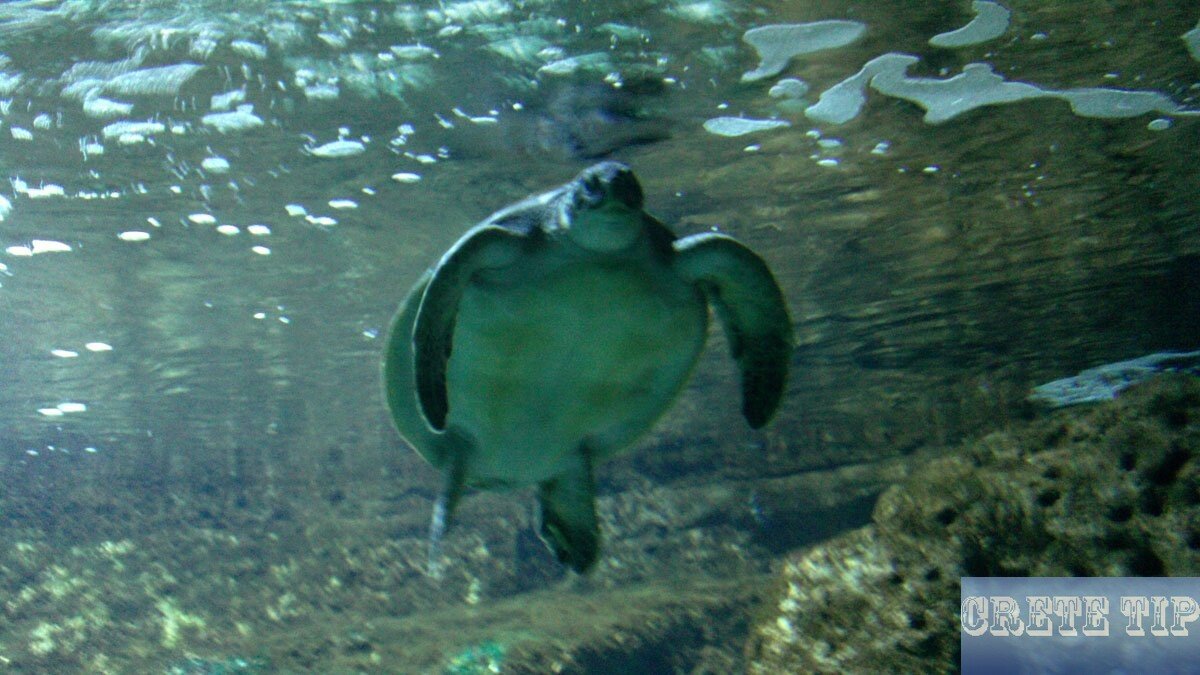
In the delicate balance between economic development and environmental stewardship, Crete has chosen a path that few destinations dare to take. Instead of viewing the loggerhead sea turtle (Caretta caretta) as an obstacle to tourism, the island has embraced it as a symbol of coexistence—proving that business and nature can thrive side by side.
As the nesting season approaches each May, Rethymno and other Cretan municipalities are once again rolling out comprehensive protection measures. But this year’s preparations reveal something more profound: a genuine philosophical shift in how the island views its most precious resident.
The Caretta Caretta: A Living Legacy
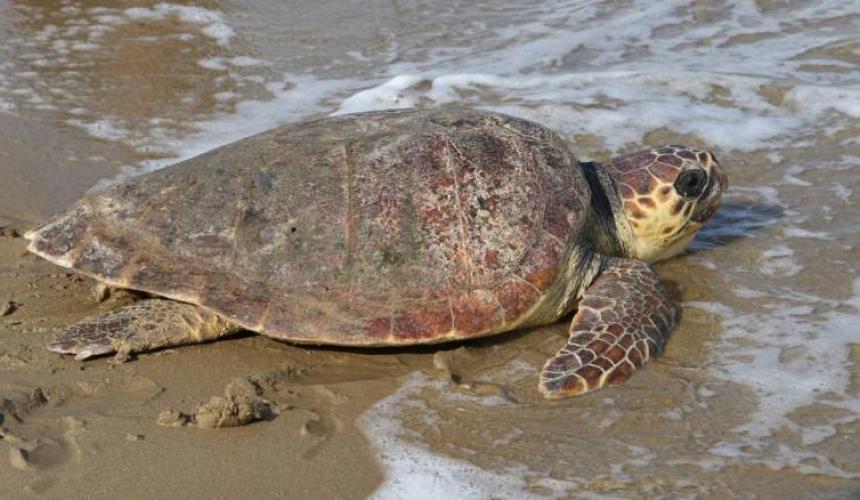
The loggerhead sea turtle has called Crete home for millennia. The island’s sandy beaches represent some of the most critical nesting grounds for the species in all of Greece. This distinction carries both privilege and responsibility.
“We are obligated to maintain protective management measures,” emphasized Manos Nikoloudakis, Head of the Environment Department at the Rethymno Regional Unit. But beyond legal obligation, local authorities recognize that the presence of these ancient mariners has become a rare competitive advantage for the island.
A Unified Front: When Tourism Meets Conservation
In April, before the critical breeding season began on May 1st, a landmark coordination meeting brought together an unlikely alliance: port authorities, municipal officials, hotel associations, and beachfront business owners. The message was clear: the heavy industry of tourism and the turtles are not competitors—they are allies.
This philosophical reorientation is the real story. Rather than imposing restrictions and facing resistance, Crete’s authorities have reframed turtle protection as a branding opportunity. “The presence of the Caretta caretta strengthens the attractiveness of the region, giving it a unique character,” Nikoloudakis explained.
For travelers increasingly seeking sustainable destinations, the presence of thriving sea turtle populations is not a liability—it’s a draw.
The Rules of Coexistence: What You Need to Know
The protection framework is specific and scientific. From May 1st through October 31st, beaches hosting nesting turtles operate under strict guidelines:
Beach Infrastructure:
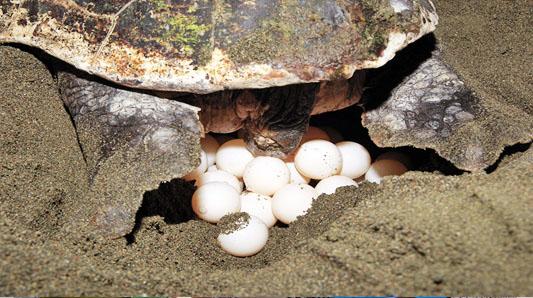
* Umbrellas must be placed at fixed points with a minimum of 3 meters between each—ensuring sufficient open sand for nesting.
* Wooden boardwalks are prohibited on the sand surface.
* A 5-meter buffer zone must remain clear at the top of the beach—critical for egg-laying.
Operational Restrictions:
* Equipment cleaning must occur away from the beach.
* Loungers must be collected at sunset without dragging them across the sand (to avoid destroying nests).
* Beach cleaning during breeding season must be done entirely by hand—no mechanical equipment allowed.
* Light pollution is strictly controlled, as even small light sources can disorient hatchlings heading to the sea.
What’s Banned:
* Beach parties and organized events.
* Vehicle traffic on the sand.
* Inadequate restroom facilities (sufficient chemical toilets must be installed away from nesting zones).
The Practical Challenge: When Theory Meets Reality
While the regulations are crystal clear on paper, their real-world implementation presents challenges. Nikoloudakis openly acknowledged this tension.
“It is practically impossible to move beach furniture every night and reposition it every morning,” he admitted. However, rather than abandoning the framework, authorities have crafted an “informal consensus” with business operators.
The compromise? Create adequate free space on beaches so turtles can approach and nest unobstructed, without requiring the logistically impossible daily movement of all equipment. This pragmatic approach reflects a maturity in environmental management—one that recognizes perfect compliance is less valuable than meaningful results achieved through cooperation.
The Economic Argument for Conservation
Beyond ethics and legality, there’s a compelling financial case. Hotels and businesses that embrace turtle protection enjoy a significant marketing advantage. Eco-conscious travelers increasingly seek destinations with authentic conservation efforts. A beach where loggerhead turtles nest is not just beautiful—it’s a story worth telling, and a reason worth booking.
The Rethymno Regional Unit’s strategy positions the island as a leader in “green tourism,” differentiating it from competitors in an increasingly crowded Mediterranean market.
Looking Ahead: The 2026 Breeding Season
As the island prepares for another season of nesting, the framework continues to evolve. The May 1st—October 31st window will once again see coordinated efforts across multiple agencies and private businesses, all working toward a single goal: ensuring that the next generation of loggerhead turtles successfully makes it to sea.
For travelers planning a Cretan holiday during these months, the presence of turtle protection measures is not an inconvenience—it’s an opportunity to be part of something larger. Your beach day contributes to the survival of a species that has inhabited these waters for over 100 million years.
The Message from Crete: Sustainability is Good Business
Crete’s approach to Caretta caretta protection offers a blueprint for coastal destinations worldwide. The message is simple but powerful: environmental stewardship and economic prosperity are not mutually exclusive.
When local governments, businesses, and conservation organizations align around a common vision, sustainable tourism isn’t just possible—it becomes inevitable. And as travelers increasingly vote with their wallets for destinations that reflect their values, Crete’s investment in the loggerhead turtle may prove to be the smartest business decision the island ever made.
Source: Rethemnosnews



