Learning about Sea Turtles Caretta Caretta in Crete is the first step toward their conservation. Every summer, something quiet and remarkable happens along the sandy nesting beaches of Crete.
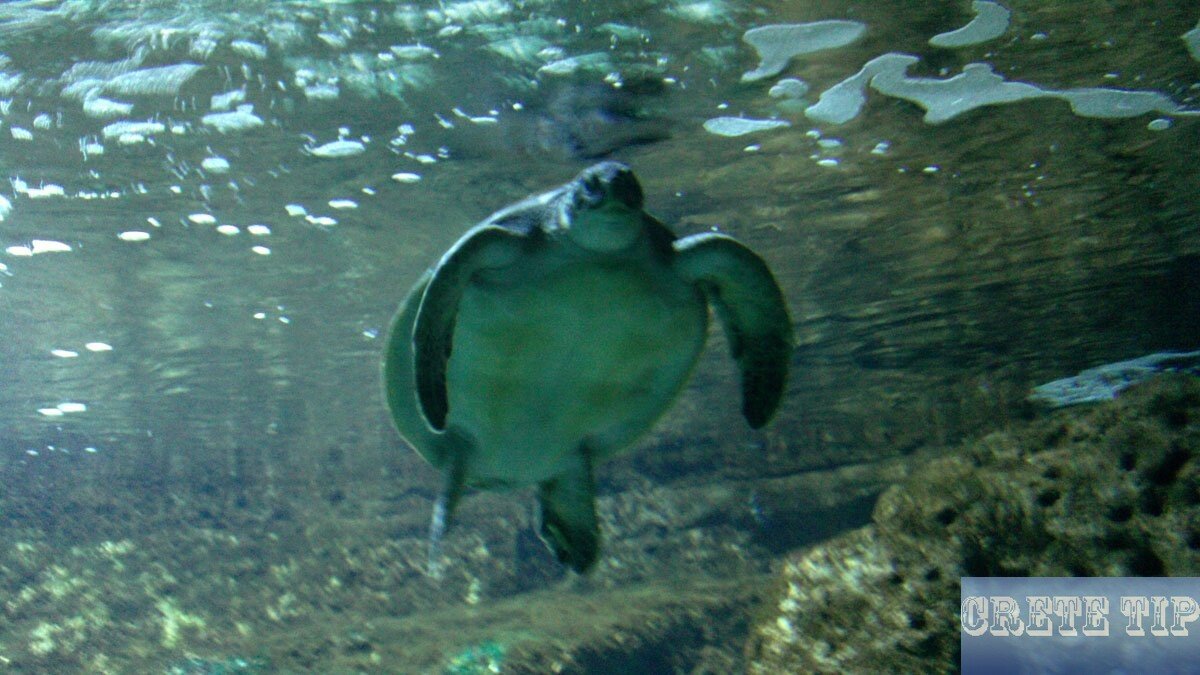
Under cover of darkness, female loggerhead turtles haul themselves out of the sea. These reptiles dig nests in the same beaches where they hatched decades earlier.
If you’re hoping to see sea turtles in Crete, the good news is that sightings are genuinely possible, both in the water and, with luck and patience, on the nesting beaches themselves, though nothing can ever be guaranteed.
Crete ranks among the most important nesting areas for the loggerhead sea turtle in the whole Mediterranean Sea. It sits alongside Zakynthos and the Peloponnese, specifically Kyparissia, as one of the primary nesting regions for sea turtles in Greece.
These waters are some of the most vital within the Greek seas for marine life. After years of walking these coastlines, I can tell you the experience changes depending on when you visit.
This guide walks through what the loggerhead turtle actually is, when and where nesting happens around the island, and how to watch responsibly without putting eggs, hatchlings or adult turtles at risk.
Understanding The Loggerhead Turtle
The loggerhead sea turtle (Caretta caretta) is the only sea turtle species that nests on the island. Effective sea turtle protection starts with understanding their habits on these shores.
These Caretta caretta turtles are endangered, but you can easily recognise them once you know what to look for. Their life follows a long rhythm shaped by growth and migration.
While the green sea turtle and Chelonia mydas are occasionally seen in the water, they don’t nest here. You might also spot the rare Dermochelys coriacea in deeper areas.
Identification And Key Characteristics
Loggerheads get their name from their oversized head and powerful jaw, built for crushing shellfish, crustaceans, and crabs. Adults typically measure 70 to 100 centimetres across the shell and weigh between 80 and 200 kilograms.
The reddish-brown carapace is the turtle’s most identifying feature. This hard upper shell is covered with large horny plates called scutes, which help protect the animal from predators.
Older individuals often have a shell patchy with barnacles or even small amounts of algae. They’re the largest hard-shelled turtle species in the world, smaller only than the leatherback, or Dermochelys coriacea, overall.
Life Cycle
Females reach breeding age at around 25 to 30 years old. They typically nest every two to four years, returning to the same stretch of coast where they themselves hatched.
A single female can lay several clutches in one season, each containing 80 to 120 eggs. Hatchlings emerge after around two months, usually at night, and instinctively scramble towards the sea.
Feeding And Migration
Loggerheads are largely carnivorous, feeding on crustaceans like crabs, molluscs, and other shallow-water creatures. They also eat jellyfish and sometimes browse on marine algae.
In contrast, the green sea turtle, or Chelonia mydas, is mostly herbivorous as an adult. Between nesting seasons, loggerheads migrate long distances across the Mediterranean Sea and beyond.
These turtles are an iconic symbol of the Mediterranean, traveling between feeding grounds and nesting sites. Adults can live for over 80 years, making every nesting female a genuinely ancient visitor to Crete’s shores.
Nesting Season And Beach Habitats
Nesting on Crete follows a fairly predictable calendar each year, though exact dates shift slightly with sea temperature and weather. The health of local coastal ecosystems determines whether a beach is suitable.
Those used for nesting must share some very specific physical traits. Turtles need soft, deep sand that’s free from rocks and steep drop-offs.
When Nesting And Hatching Take Place
Nesting runs roughly from late May to early August, with World Turtle Day on 23 May often marking the symbolic start of the season. Females come ashore after dark to dig their turtle nests above the waterline.
Hatching follows from August through October. Baby turtles emerge at night and head straight for the water, guided by the natural light reflecting off the sea.
Water temperatures around 25 to 26°C in late July and August tend to bring the most nesting and in-water activity.
Why Some Beaches Are Suitable For Nests
The beach also needs to sit above the high-tide line, so eggs stay dry and undisturbed for the full incubation period. Quiet, darker beaches with fewer artificial lights tend to attract more nesting activity.
Undeveloped stretches, or those with careful lighting controls, remain the most reliable nesting grounds year after year.
Important Nesting Areas Around Crete

Nesting isn’t spread evenly across the island. A handful of sandy nesting beaches account for the vast majority of nests recorded each year.
These sites are essential for the survival of sea turtles in Greece. Each has its own character worth knowing before you visit.
Rethymno And The Northern Coast
The region of Rethymnon is particularly famous for its long sandy coastline. The main Rethymnon beach is the most significant nesting site on Crete.
It stretches around 12 kilometres with dozens of active turtle nests marked each summer. The Sea Turtle Protection Society of Greece, also known as ARCHELON, focuses on nest protection.
Volunteers place protective wire cages over nests from June onward. You will often spot these markers along the sand throughout the summer.
Bali Beach, between Rethymno and Heraklion, sees smaller but regular nesting activity too.
Chania
Georgioupolis, the long sandy stretch between Chania and Rethymno, records consistent nesting each season. ARCHELON also runs a monitoring team based in Chania, focused on tagging and longer-term data collection.
The Venetian harbour area in Chania town has had issues with turtles being fed by visitors, something conservationists actively discourage.
Messara Bay And Southern Beaches
Komos Beach, near Matala in the south Heraklion region, sits within a Natura 2000 protected area and ranks among the most important south-coast nesting sites.
Kalamaki, further along Messara Bay, has also become part of ARCHELON’s guided beach walk programme in recent years.
This part of the Gulf of Messara is a hotspot for nesting activity. Located on the southern coast, Messara Bay offers a quieter alternative to the bustling northern shores.
These southern beaches tend to feel quieter than the resort-heavy north coast, which suits nesting turtles well.
Watching Turtles Responsibly
Watching loggerheads well comes down to distance, timing and patience rather than luck alone. The rules differ slightly depending on whether you’re on the sand at night or out in the water during the day.
Observing Nesting Activity From A Distance
Hatching is unpredictable and always happens after dark, so patience matters more than a fixed schedule. Rethymno town beach after 22:00 during August and September gives you a realistic chance, though there’s never a guarantee.
Never use flashlights or phone torches on the beach at night. Artificial light disorients hatchlings, which rely on natural light reflecting off the sea to find their way.
ARCHELON runs a 30-minute Sea Turtle Beach Walk with trained volunteers in Rethymno, Chania and Kalamaki. It’s a genuinely good way to learn the behaviour up close without risking harm.
Encounters In The Sea And From Boats
Loggerheads often feed in shallow bays around Rethymno harbour, Bali cove and the waters near Komos. Snorkelling or swimming near one is a real possibility during summer.
Keep a minimum distance of two metres at all times. Never touch, chase or try to ride a turtle.
Turtles need to surface regularly to breathe. Crowding one from swimmers or boats disrupts that natural rhythm and causes real stress.
Threats To Turtles And Their Nests

Human activity remains the single biggest pressure on nesting success in Crete, more than any natural predator. Growing public awareness helps reduce the impact of tourism on these fragile coastal ecosystems.
Most of the pressure comes from everyday beach behaviour rather than deliberate harm.
Light, Noise And Beach Furniture
Bright lights from beach bars, hotels and sunbeds confuse hatchlings and can lead them inland instead of towards the sea. Loud noise and heavy foot traffic near nests can also discourage females from coming ashore at all.
Sun loungers and umbrella poles are a bigger danger than most visitors realise. Poles pushed into the sand can pierce egg chambers buried just below the surface, and there have been documented cases in places like Falassarna and Platanias where deckchairs damaged nests directly.
Some hotels along the Rethymno coast now market themselves as “turtle-friendly,” adjusting lighting and furniture placement during nesting season. Conservation groups like MEDASSET and ARCHELON work with local businesses to ensure these practices become the standard across the island.
Plastic, Fishing Gear And Marine Pollution
Turtles often mistake floating plastic bags for jellyfish, one of their preferred foods. Ingested plastic can block their digestive system and prove fatal over time.
Pollution in the Mediterranean remains a significant challenge for marine conservationists. Discarded fishing lines and nets pose another serious risk, capable of trapping and injuring adult turtles in shallow water.
Simple habits, like never leaving litter on the beach, make a genuine difference here.
How Visitors Can Help

Small, practical choices during a beach visit go a long way towards protecting Crete’s nesting turtles. None of this requires special training, just some awareness of what’s happening beneath the sand.
Respecting Protected Nesting Sites
Marked nests—usually covered with wire cages by ARCHELON volunteers—should never be moved, sat on, or disturbed. Keep sunbeds, umbrellas, and beach games well clear of any marked area.
Caretta caretta is protected under EU law and Greek Presidential Decree 67/1981. Disturbing a nest can bring fines starting at €1,500, so these rules aren’t just for show.
If you’re setting up on a beach known for nesting, like Rethymno or Georgioupolis, take a second to check for markers before you lay out your things.
What To Do If You Find An Injured Turtle Or Disturbed Nest
Keep your distance and don’t try to handle the turtle yourself. Note the exact location and, if possible, snap a photo from a distance.
Contact ARCHELON directly, or ask at the nearest tourist office, hotel reception, or lifeguard post for local contact details. In Rethymno, the tourist office on Eleftheriou Venizelou Street usually has up-to-date info for situations like this.
Act quickly and calmly, but don’t try to move the animal. That gives it a real shot at getting proper help.
Frequently Asked Questions

Where are the best places to see sea turtles in Crete?
Rethymno town beach, Georgioupolis, and Komos Beach near Matala are the most reliable nesting beaches. The sandy beaches of Messara Bay also have lots of nests.
These spots are really at the heart of sea turtle protection in Crete. If you’re hoping for in-water sightings, Rethymno harbour and Bali cove often see turtles during summer.
Can I swim with turtles in Crete?
Yes, you can swim near turtles, especially around Rethymno harbour and Bali cove. Just keep at least two metres away, don’t chase or touch them, and let them surface to breathe without getting in the way.
When is the best time of year to see turtle hatchlings in Crete?
Hatching usually happens from August through October, always after dark. Late August and September are your best bet, especially around Rethymno town beach after 22:00.
Are there guided turtle-watching tours available in Crete?
ARCHELON runs a free 30-minute Sea Turtle Beach Walk in Rethymno, Chania, and Kalamaki with trained volunteers. Some private wildlife tour operators offer boat-based watching trips, but it’s worth checking if they follow responsible distance guidelines.
The programme is updated weekly. Visitors can find the latest information by area on the ARCHELON public excavations page.
For more information, contact ARCHELON at [email protected] or call its central offices on ++30 210 523 1342. For events in Crete, contact [email protected] or call ++30 693 735 2379.
Can you see turtles at Lake Kournas?
Lake Kournas is a freshwater lake known for European pond turtles, not the marine loggerhead sea turtle. Caretta caretta is a sea species and only nests and feeds along Crete’s coastal beaches and shallow bays.
How can visitors help protect nesting turtles on Crete’s beaches?
Try not to use lights on the beach at night. Keep umbrella poles and sunbeds away from marked nests.
If you spot an injured turtle or see a disturbed nest, let ARCHELON or a local tourist office know. It’s better not to step in yourself—let the experts handle it.