

Newsflash from Friday, 10 April 2026:
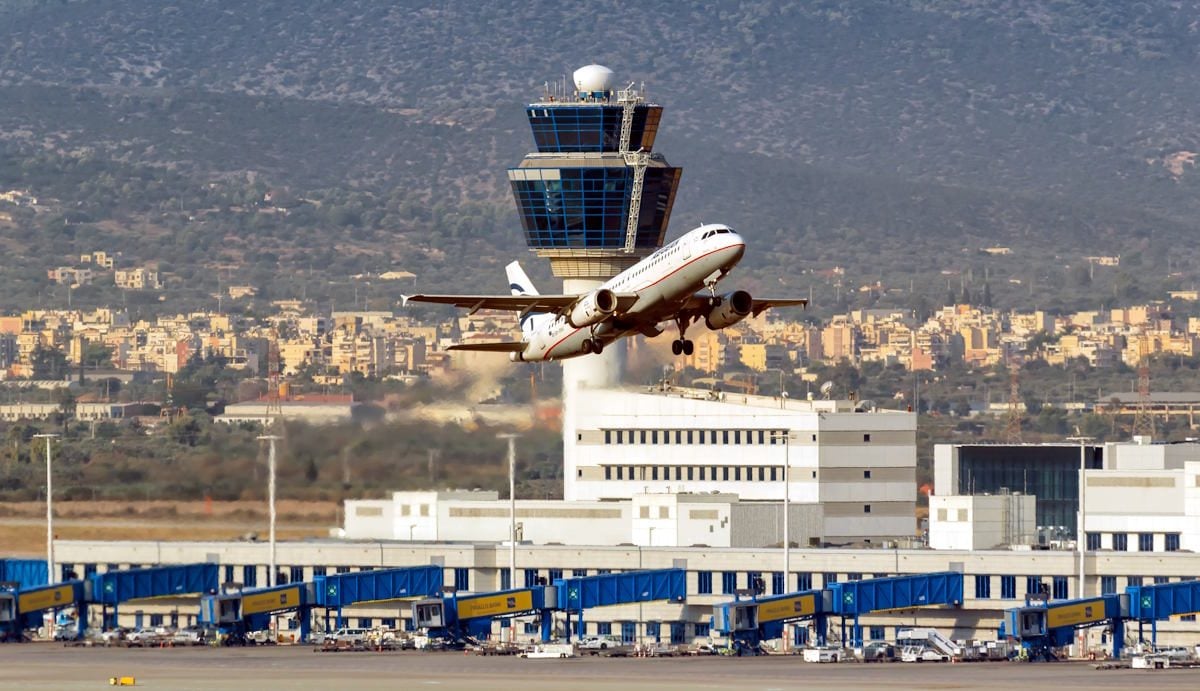
The aviation industry faces an unprecedented crisis. Here’s how it impacts your next flight.
The global airline industry is in turmoil. Jet fuel prices have skyrocketed from $85-90 per barrel to a staggering $150-200 per barrel in recent weeks—a dramatic spike that’s forcing airlines across the world to make painful decisions about ticket pricing and flight schedules.
For travelers, the message is clear: expect higher airfares in the coming months.
The Perfect Storm: Why Fuel Costs Matter So Much
Fuel represents up to 25% of an airline’s operating expenses, making it one of the largest cost drivers in aviation. When fuel prices nearly double overnight, airlines have limited options. They can either absorb the losses or pass them on to passengers.
Most airlines are choosing the latter.
How Major Airlines Are Responding
The reactions of the major airlines show just how serious the situation is:
European airlines
– Air France-KLM is increasing prices for long-haul flights by around €50 ($58) per return ticket
– Aegean Airlines is gradually introducing price increases of 7–8%
– EasyJet CEO Kenton Jarvis said European consumers should expect higher ticket prices towards the end of the summer when the current fuel surcharges end.
– SUNEXPRESS, a joint venture between Turkish Airlines and Lufthansa, announced that it would impose a temporary fuel surcharge of €10 per passenger on routes between Turkey and Europe from 1 May. The surcharge applies to bookings made from 1 April for departures from 1 May.
US airlines
– American Airlines expects a rise in expenditure of US$400 million for the first quarter alone
– Delta Air Lines has cut capacity by 3.5 percentage points and increased baggage fees for the third checked-in bag by up to US$50
– Frontier Airlines is reviewing its full-year forecasts due to uncertainty in the fuel market
– JETBLUE AIRWAYS: The US low-cost carrier is increasing fees for optional services such as checked-in luggage as it faces “rising operating costs”. Baggage fees will rise by either $4 or $9.
– UNITED AIRLINES: The US airline is cutting unprofitable flights over the next two quarters as it prepares for oil prices to remain above $100 until the end of 2027, said its chief executive Scott Kirby.
According to its commercial director, Andrew Nocella, United was able to raise ticket prices without significantly affecting bookings, in response to the sharp rise in oil and jet fuel prices.
The carrier is also increasing fees for first and second checked bags by $10 for customers travelling to the US, Mexico and Canada, as well as to Latin America, it said in a statement to Reuters.
Airlines in the Asia-Pacific region
– Air New Zealand has suspended full-year profit forecasts and reduced flights in May and June
– AirAsia has cancelled 10% of the group’s flights as fuel costs have risen by 20%
– Cebu Air cited the rapid rise in fuel prices as its main concern
– China Eastern Airlines has introduced fuel surcharges of $9 to $13 for domestic flights
– Cathay Pacific has raised fuel surcharges by 34% on all routes and will review them every two weeks
– THAI AIRWAYS: The Thailand-based airline stated it would increase fares by 10% to 15% to offset rising fuel costs.
Beyond Price Hikes: Other Cost-Cutting Measures
Airlines aren’t just raising prices—they’re cutting services too:
– Reduced capacity: Airlines are flying fewer planes and trimming capacity growth plans
– Higher baggage fees: Many carriers are increasing checked baggage charges
– Network adjustments: Some airlines are reevaluating route profitability and flight frequencies
– Fuel surcharge restructuring: Carriers like Air India are moving from flat domestic charges to distance-based pricing for international routes
What Does This Mean for Travelers?
Short-term impact (Summer 2026):
– Expect ticket prices to increase 7-15% across most routes
– Additional fuel surcharges on international flights
– Higher baggage and seat selection fees
– Reduced availability on popular routes
Long-term outlook:
The uncertainty about how long high fuel prices will persist means airlines are cautious about their full-year projections. Many have suspended or revised earnings guidance, signaling they don’t expect relief anytime soon.
How to Navigate Rising Airfares
If you’re planning to fly, consider these strategies:
1. Book early – Lock in current prices before increases take effect
2. Be flexible – Midweek and off-season flights tend to be cheaper
3. Watch for sales – Despite hikes, airlines still compete for passengers
4. Use miles wisely – Frequent flyer programs may offer better value during price increases
5. Pack light – Avoid costly baggage fees by minimizing checked luggage
The Bigger Picture
This crisis underscores the airline industry’s vulnerability to geopolitical events and commodity prices. While some airlines with strong fuel hedging strategies (like Aegean Airlines) are weathering the storm better, most carriers are caught between impossible choices: maintain profitability or remain competitive.
The real question isn’t whether prices will rise—they already are. The question is how much consumers will accept before demand drops significantly enough to force airlines to recalibrate.
Until fuel prices stabilize, travelers should expect to pay more for flying.
Have you noticed higher airfares recently? Share your experiences in the comments below. And if you’re planning a trip, book sooner rather than later—your wallet will thank you.



