

Newsflash from Sunday, 21 June 2026:
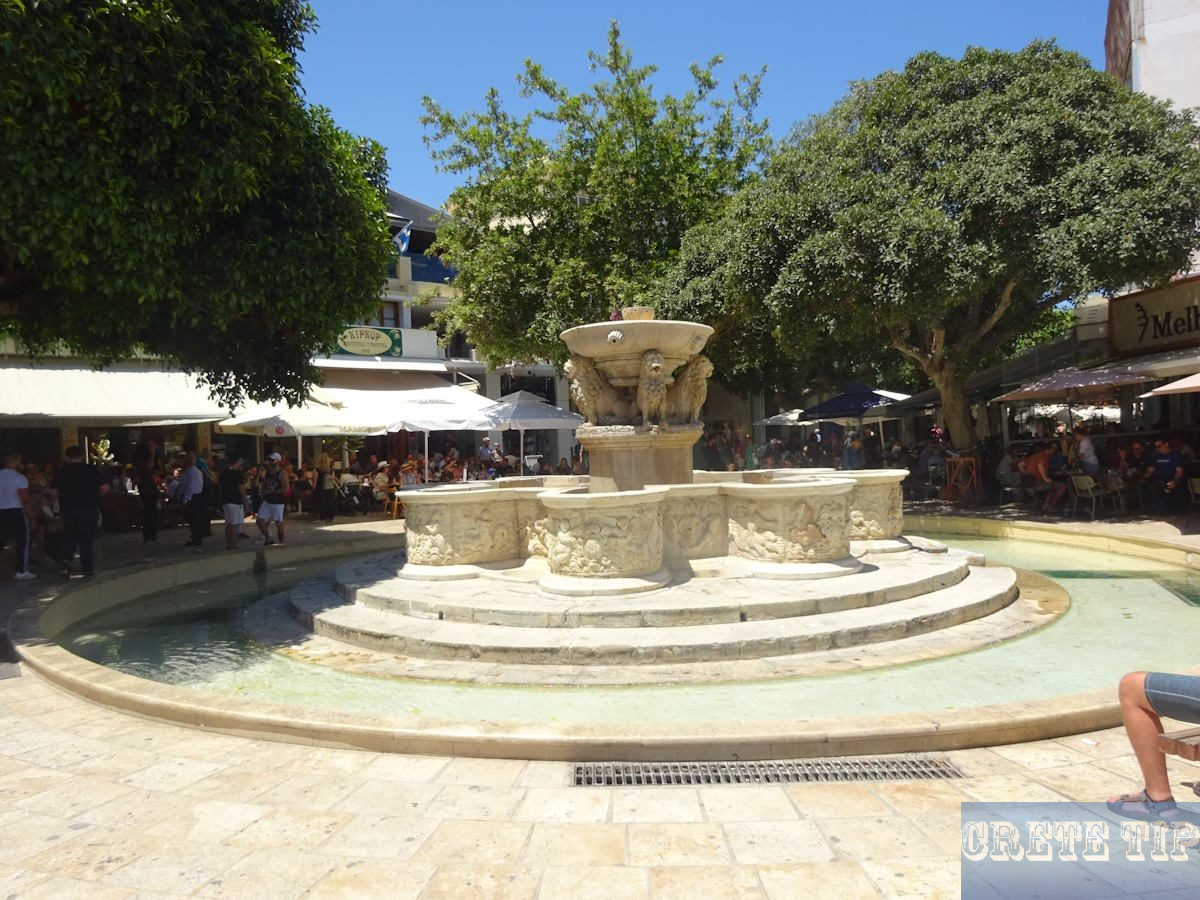
After days of strong public reaction, authorities have decided to remove the controversial barrier installed around the historic Morosini Fountain (commonly known as the Lions Fountain) in Heraklion’s central Lion Square.
The wire fencing, initially placed as part of scheduled maintenance works, sparked widespread criticism from local businesses, tourism stakeholders, and residents—especially given the peak of the summer tourist season.
Public Pressure Leads to Swift Decision
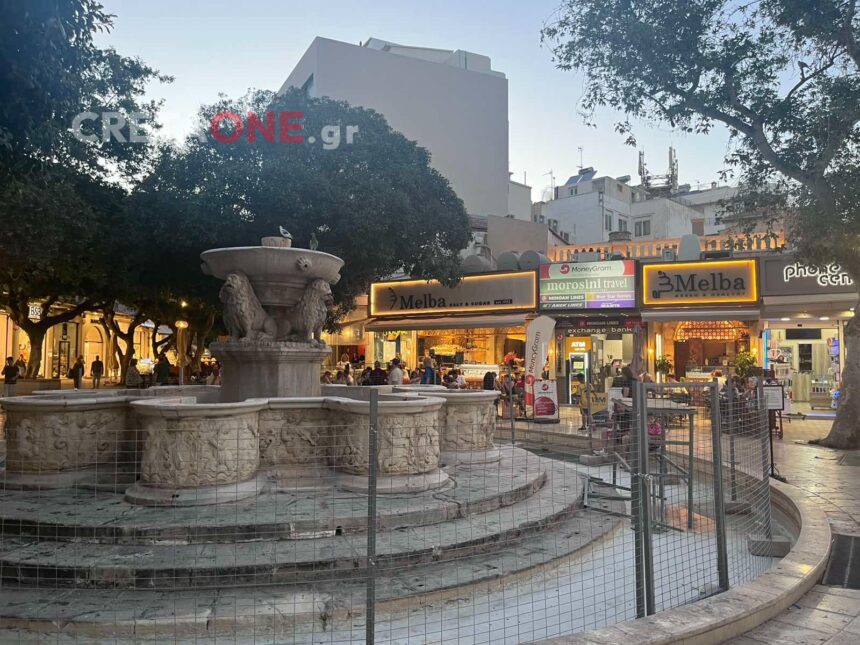
The installation of the barrier quickly drew backlash, with 13 local organizations jointly raising concerns about its impact on the city’s commercial and cultural heart. Critics argued that restricting access to one of Heraklion’s most iconic landmarks during such a critical period for tourism would negatively affect both the visitor experience and the local economy.
The issue soon escalated, prompting political intervention. Heraklion MP Lefteris Avgenakis reportedly contacted Greece’s Minister of Culture, Lina Mendoni, requesting immediate action.
Barrier Removal Scheduled
Following these discussions, the Ministry of Culture confirmed that the barrier will be removed on Monday, June 22. The decision aims to restore normal access to the square and ease concerns raised by the local community.
At the same time, officials emphasized that the preservation and maintenance of the Morosini Fountain remain a top priority.
Maintenance Works Postponed Until September
To balance conservation needs with the demands of the tourist season, authorities have decided to postpone the planned maintenance works. The project is now expected to resume on September 1, after the peak visitor period has ended.
This revised timeline is seen as a compromise that protects the monument while minimizing disruption to the city’s vibrant summer activity.
A Landmark at the Heart of the City
The Morosini Fountain, a 17th-century Venetian monument, is one of Heraklion’s most recognizable landmarks and a central meeting point for both locals and visitors. Any intervention affecting access to the site tends to generate strong reactions, highlighting its cultural and economic significance.
The recent developments underscore the importance of timing and communication when implementing conservation projects in busy urban and tourist areas.



