

Newsflash from Monday, 6 April 2026:

Tragedy in Corinth: Contractor Arrested After Fatal Balcony Collapse Claims Life of 43-Year-Old Woman
A wave of shock has hit the city of Corinth following a horrific accident that resulted in the untimely death of a 43-year-old woman. The incident, which involved a balcony collapse, has raised urgent questions regarding building safety and construction standards in the region.
According to local reports, the tragedy occurred when a balcony section gave way, causing the woman to fall to her death. In the immediate aftermath of the investigation, authorities have taken a decisive step by arresting the contractor responsible for the construction or maintenance work on the building.
Details of the Incident
The accident took place in a residential area of Corinth. Emergency services rushed to the scene, but unfortunately, the 43-year-old victim had already succumbed to her injuries.
The 43-year-old lived permanently in Germany and had returned to Greece to spend Easter with her family. Shortly before the tragic incident, she had been with her family at a nearby tavern and was on her way to where her car was parked.
The unfortunate woman left a tavern with her husband and her three minor children to go to the car when suddenly a section of the parapet fell and struck her dead.
Preliminary evidence suggests that structural failure was the primary cause of the fall. The Greek Police (ELAS) moved quickly to detain the contractor involved, who is now facing charges related to the safety and integrity of the structure.
A Growing Concern: Building Safety in Greece
This tragic event highlights a growing concern across Greece regarding the aging infrastructure and the quality of recent renovations. As many older buildings undergo “facelifts” or structural repairs, the responsibility of contractors to adhere to strict safety protocols is under intense scrutiny.
Key issues raised by this tragedy include:
* Structural Integrity: The need for rigorous inspections of older balconies and overhangs.
* Contractor Accountability: Ensuring that those hired for construction work are fully licensed and follow national safety codes.
* Legal Consequences: The arrest serves as a stern warning that negligence in construction can lead to criminal prosecution.
Ongoing Investigation
The local prosecutor’s office is currently reviewing the case. Forensic experts and civil engineers are expected to examine the site to determine exactly why the balcony failed. The investigation will look into whether the materials used were substandard or if there was a fundamental flaw in the engineering of the repair work.
Safety Tips for Residents
While the investigation continues, experts recommend that residents living in older buildings or those undergoing renovations take the following precautions:
1. Look for Cracks: Inspect the joints where balconies meet the main building wall for any signs of separation or deep cracking.
2. Check for Rust: Exposed rebar or rust stains on the underside of concrete can indicate internal weakening.
3. Verify Contractors: Always ensure that any structural work is performed by certified professionals with a proven track record.
The community in Corinth remains in mourning as they wait for more answers. This incident serves as a somber reminder that behind every building regulation is a human life that depends on its enforcement.
Our thoughts are with the family and friends of the victim during this incredibly difficult time.
The Silent Danger Above: Why Greece’s 20,000 Abandoned Buildings are Becoming Deadly “Death Traps”

Walking through the historic streets of Greece’s major cities or the charming villages of Crete is usually a dream for locals and tourists alike. However, a series of recent tragedies has highlighted a grim reality: the sky—or rather, the architecture—is falling.
Across Greece, an estimated 20,000 abandoned buildings have become “death traps,” threatening the lives of pedestrians with falling plaster, marble, and even entire balconies.
A Trail of Tragedy from Corinth to Crete
The urgency of this crisis was brought to the forefront by a horrific incident in Corinth. A 43-year-old woman, visiting from Germany with her family for Easter, was killed instantly when a balcony from an old building collapsed on her. Her two children were injured and had to be pulled away from the rubble by bystanders.
This is not an isolated case. The list of victims is growing:
* Larissa (2022): A 22-year-old student lost his life when a wall of an old building collapsed in the city center.
* Lavrio: A massive balcony collapsed from a two-story building; a woman narrowly escaped death by running when she heard the initial cracking sound.
* Pitsidia, Crete: A recent balcony collapse in this Cretan village has added to the growing list of structural failures on the island.
20,000 Ticking Time Bombs
The scale of the problem is staggering. Experts estimate there are at least 20,000 abandoned structures nationwide. In Athens alone, there are at least 1,500 abandoned buildings scattered across all seven municipal districts.
Furthermore, Athens is home to 3,000 “listed” (preserved) buildings, many of which are owned by the state but left to rot. These structures are not just eyesores; they are public health hazards that attract rodents and accumulate trash, devaluing the surrounding urban environment and deterring investment.

The Earthquake Factor
Seismologist Gerasimos Papadopoulos has issued a stern warning regarding these structures. In a country where seismic activity is frequent, these weakened buildings are the first to fail.
“Think about the behavior of such buildings in the event of an earthquake,” Papadopoulos noted, emphasizing that many of these collapses are happening even without seismic triggers due to “fatal negligence.” He argues that responsibility lies not only with the owners but also with the urban planning services that fail to enforce safety standards.
More Than Just a Safety Risk
The decay of these buildings represents a multi-faceted crisis for Greece:
1. Public Safety: The immediate risk of injury or death to passersby.
2. Cultural Loss: Many of these buildings are historical monuments. Their collapse is a permanent loss of Greek architectural heritage.
3. Tourism Impact: Dilapidated buildings create an unattractive environment for visitors and can lead to travel warnings.
4. Economic Drain: The lack of restoration work means lost resources and a decline in property values for entire neighborhoods.
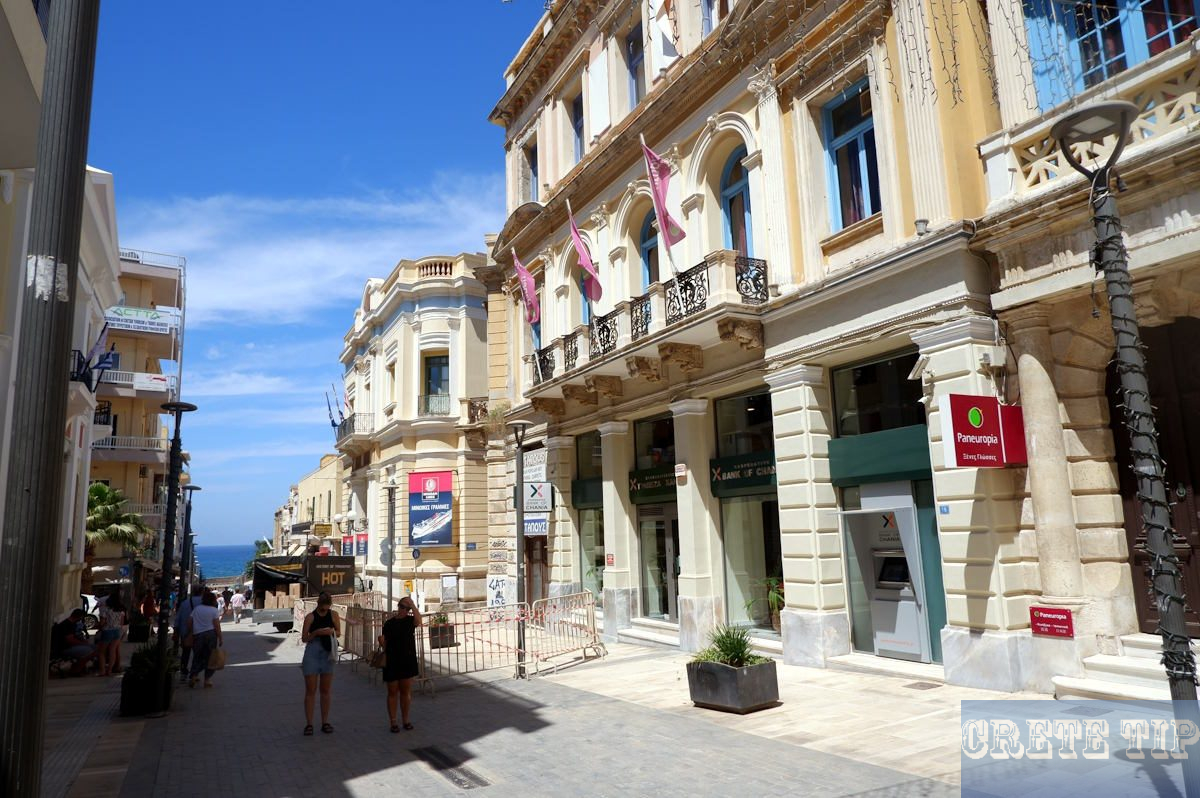
A Call for Accountability
The accumulation of wear and tear from time and weather is being accelerated by a lack of maintenance. While owners are often blamed, the complexity of Greek property laws and the high cost of restoration often lead to a stalemate where nothing is fixed until it is too late.
As pedestrians, the advice is now to “look up.” But as a society, the demand is for the state and local municipalities to take immediate action before the next balcony falls.
Have you noticed crumbling buildings in your neighborhood or during your travels in Greece? Share your thoughts and photos in the comments below to help raise awareness.



