

Preparations for this year’s Rethymno Carnival are in full swing. The city has announced everything necessary to kick off the festivities.

A colourful mix of organisers, city representatives and cultural officials presented the programme. No one can claim they don’t know when the streets will become a gathering place for revellers.
The announcement was almost like a trial run for good cheer. Official voices and creative minds stood together on stage and promised a varied programme.
Anyone expecting the spectacle should dress warmly. Or simply bring a wig.
A NATIONWIDE INVITATION TO CELEBRATE!
The city is calling the whole country to a colourful gathering. This year’s motto is: Live and dress up however you want.
The organisers emphasise that everyone is welcome — colourful, open and respectful. The mayor extends an explicit invitation.
He asks guests to enjoy the days without excessive alcohol consumption. The expectations: fun, safety and dignity.
He thanks the helpers, sponsors and groups who make the festival possible. The cultural officer describes the event as more than just a parade.
He says the festival combines music, art and community. A lively atmosphere is created over several weekends.
Visitors should get to know the city and feel at home. Representatives of the old town administration encourage participation.
They say the event is unique and promises a whole month of activities. The invitation is open to families, groups of friends and solo travellers.
The opposition leader also emphasises the educational value. She cites treasure hunts for children and adults as well as traditional cantatas as examples.
In her opinion, the programme brings joy and new knowledge at the same time. The various groups confirm their participation.
The organisers expect numerous contributions and festive activities. Participants should come in good spirits and look out for one another.
- Open invitation for all of Greece.
- Motto: Dress up or live as you wish.
- Focus on fun, safety and respect.
- Programme includes art, music, traditional elements and games.
- Several weekend events, suitable for all age groups.
Become, live, dress — whatever you dream of

The city invites everyone to show themselves without hesitation. People from different countries and with different life paths come together.
They celebrate a colourful, loud, cheerful togetherness. Everyone is allowed to carry their story — as a costume, as an idea or as a song.
The festival grew out of centuries of cultural mixing. Old crafts, street music and theatre mix with modern ideas.
This creates a lively space where tradition and innovation breathe side by side and spur each other on. Clothing becomes a voice here.
Some wear elaborate masks, others simple, imaginative costumes. It’s not about perfection, but about expression.
Those who are brave show their dreams in colour, fabric and movement. In the streets, you encounter groups crafting, singing and dancing together.
Many floats and formations parade through the alleys. Teams plan for months, cutting, gluing and rehearsing.
In the parade, the sense of community counts more than the grand prize. At the heart of this hustle and bustle is the message: acceptance.
There is room here for different characters and lifestyles. No one has to pretend to belong.
The festival aims to celebrate the very diversity that makes the city strong. For visitors, this means being open and getting involved.
Workshops, stages and small activities invite you to get creative yourself. Family days offer games and hands-on activities for children.
Night-time events focus on music and dance for adults. The cultural encounters are often surprising.
A traditional song can coexist alongside a new beat. Craft techniques are combined with digital projects.
This coexistence creates new artistic paths. In terms of organisation, the festival is planned on a large scale, but deliberately open.
Many volunteers help out. Local groups work together with schools, clubs and artists.
The result is a programme that leaves plenty of room for spontaneous ideas. Graphics, light and colours play a major role.
Installations transform squares into worlds of images. Lighting and projections set accents and make evenings magical — without exaggeration.
The aesthetic remains playful and often a little tongue-in-cheek. The city benefits because visitors stay, eat and shop.
Even more important is the atmosphere: days full of laughter, discussions and new friendships. Some find new partners for projects, others discover hobbies they have been looking for for a long time.
The organisers emphasise that every contribution counts. Small groups can have just as much impact as large floats.
It’s about authenticity and commitment. The best ideas often come from corners that no one had considered.
For 2026, the invitation is clear: everyone brings their own dream costume. The focus is not only on appearances, but on what brings people together.
The desire to show oneself and the willingness to let others be who they are. In short, the festival is an open laboratory for creativity.
It offers space to try, fail and get back up again. Those who take part experience how individual dreams become a large collective picture — colourful, imperfect and real.
THE PROGRAMME FOR THIS YEAR’S RETHYMNO CARNIVAL

The festival lasts for four weeks. Visitors usually choose three or four-day blocks, depending on their preferences and availability.
Each week has its own highlights. Fun is always the focus.
Art, music and theatre mix with the colourful street life. The atmosphere remains relaxed and lively.
On the opening weekend, there is a costume exhibition featuring all the group outfits of the year. The organisers present the campaign idea there, and the carnival queen is chosen by Instagram vote.
On Sunday, the mayor officially opens the festival, accompanied by the town band. In the evening, there is a big concert with the famous singer Evangelia.
In the second half of the week, almost everything revolves around guessing games. The famous treasure hunt event ends on a Sunday and is considered the largest of its kind in the world.
Teams solve clues about the city’s history. Last year’s winners – this year the ‘Boubounes’ – are in charge of organising it.
Several accompanying events take place before the big treasure hunt on Sunday. A two-day children’s treasure hunt programme lets primary school children compete as little city historians.
There is also a youth treasure hunt event for secondary school pupils. A three-week online puzzle prepares participants for the final.
The first four-day programme starts with a romantic serenade night in the old town. Street kitchens serve local specialities and traditional schnapps flows freely.
Musicians wander through the alleys. The atmosphere is relaxed, almost exuberant.
Parallel to the core events, carnival groups organise daily parties. Squares and bars are transformed into small stages for local bands, DJs and performances.
The groups put on their own shows, short plays and dance numbers. Anyone who wants to can join in spontaneously, dressed up in costume.
The focus is on creative freedom and inclusion. Workshops on costume making, mask making and stage design are open to everyone.
Participants learn simple techniques. Their own ideas are expressly welcome.
There are exhibitions and smaller stage programmes. Artistic installations pop up all over the city.
Theatre ensembles perform short plays related to local culture. Visual artists exhibit works, often matching the costume themes.
Children’s programmes run daily. Craft stands, mask workshops and small stages with puppeteers provide entertainment.
Families will find quiet zones with seating and shaded areas. This can be really nice in the hustle and bustle.
The Carnival Museum collaborates with the historical tours. Special tours explain the background of traditions and venues.
These tours combine knowledge with playful elements. History is actually fun here.
Culinary offerings are spread across markets and pop-up stalls. The focus is on regional food and drinks.
Street food corners offer snacks. Themed evenings put traditional recipes in the spotlight.
Security and organisation teams take care of the proceedings. Traffic regulations, meeting points and information are clearly signposted.
There are meeting points for lost children and first aid stations. Barrier-free access makes visiting easier.
The closing programme brings the big parade through the city. Floats, music groups and thousands of costumed participants parade through the main streets.
Grandstands line the route. Commentators provide explanations about the groups and motifs.
In addition to the main events, there are talent shows and open stages. Up-and-coming bands get performance slots.
Dance groups from the region perform choreographed routines, often matching the costumes. Sometimes not everything fits together perfectly, but that’s part of the charm.
The festival promotes local initiatives. Schools, clubs and neighbourhood groups contribute their own ideas.
Volunteers help with the set-up and organisation. Sponsors provide financial and logistical support.
Participants register in advance. Groups register their floats, and safety standards apply to all constructions.
Jury teams evaluate costumes and floats according to creativity, craftsmanship and overall impression. This sometimes leads to discussion.
Cultural discourses complement the programme. Panel discussions shed light on art, identity and community.
This is where artists, organisers and audiences come together. There is room for exchange, and sometimes for debate.
Visitors put together their own schedule. Daily schedules, maps and digital guides help with orientation.
This leaves room for spontaneous discoveries. No one has to plan everything in advance.
In case of rain, shows are moved to halls or covered areas. Many events are designed for all age groups and invite participation.
Brief overview (most important points):
- Costume exhibition and election of the Carnival Queen via social media vote.
- Official opening with the town band and evening concert.
- World’s largest treasure hunt with preliminary events for children, young people and online.
- Serenade night in the old town as the start of the first quarter.
- Daily parties organised by carnival groups with live music and performances.
- Workshops for costumes, masks and stage design.
- Activities for children and families, guided tours and exhibitions.
- Grand closing parade with floats, music and spectator stands.
- Safety and accessibility measures as well as weather alternatives.
EVENT SCHEDULE – 2026
From the end of January to the end of February, the city is buzzing with excitement. There are activities for all ages everywhere – and honestly, there is something for almost everyone.
- 24–25 January: Treasure hunt for children and young people.
The little ones and the teenagers search separately for hidden prizes. Team spirit and laughter are the focus.- January to 17 February: Costume exhibition at the Kulturhaus.
Here you can admire the costumes of all the groups. The exhibition will be open for almost three weeks.
- January: Election of the Carnival Queen and presentation of the theme.
The jury selects the new queen. The motto: ‘Become, live, dress – whatever you dream’. There is also an award ceremony for the winner of the online treasure hunt.
- February: Opening ceremony on the Square of the Asia Minor.
There will be brass band music, a costume presentation and a concert. The celebration marks the official start of the carnival season.
- January to 17 February: Costume exhibition at the Kulturhaus.
- 6–8 February: Festival with dancing and more treasure hunts.
Groups meet, celebrate and test their detective skills once again.- February: Big treasure hunt competition ‘The Prodigal Son’.
Tradition and fun mix on this Sunday.
- February: Greek cantatas.
Singers and ensembles perform traditional songs on stage.
- February: Carnival League (basketball).
Sports teams compete in a relaxed atmosphere in the spirit of Carnival.
- February: Drum parade and open-air parties in the old town.
Drummers parade through the streets. Night-time celebrations by the carnival groups create a lively atmosphere.
- February: Shadow theatre in the Asia Minor Square.
A classic folk theatre play for families, full of masked humour.
- February: Group ball at the cultural centre.
Member groups meet for dancing and a convivial evening.
- February: Carnival Run and children’s festival.
Run for everyone and a big party for children in the central square.
- February: Interactive discussion at the city library.
Experts and locals talk about the history of carnival. Audience members can ask questions and join in the discussion.
- February: Traditional Cretan cantatas.
Regional music and singing bring local traditions to the stage.
- February: Children’s demonstration and night parade.
During the day, there is a parade for the little ones with musical theatre. At night, there is a large parade and concert.
- February: Grand parade of groups and floats on the coast.
The highlight: colourful floats, costumes and fireworks over the sea.
- February (Rose Monday): Customs and old games.
In Gerani, there are traditional performances, the camel ritual, sheep activities and the famous Schmierren.
- February: Big treasure hunt competition ‘The Prodigal Son’.
Additional information:
- Many events take place in the Square of the Asia Minor, where bands and ensembles perform.
- Music, theatre and sport are all part of the public events. This means that all generations can get involved.
- The calendar is full – it’s best to take a look in advance so that you don’t miss anything.
Practical tips:
- If you want to see a particular show, you should arrive early. Good seats are quickly taken.
- The morning and afternoon programmes are best suited for families.
- In the evening, things get louder and longer – perfect for teenagers and night owls.
The programme is available online
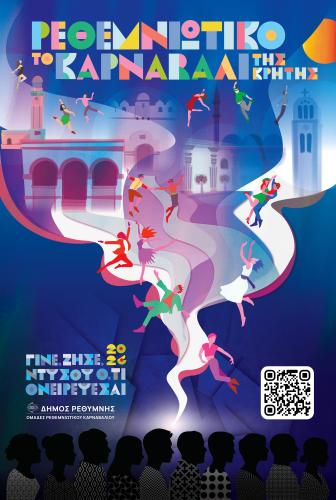
The complete programme of events can be found in the digital calendar of the Rethymno Cultural Office. There you will find all dates, locations and brief descriptions of the performances.
If you really want to know what’s going on, just take a look online. You can access the site via the Cultural Office’s web address. Or you can scan the QR code on posters and flyers. This will take you directly to the information and save you the hassle of dealing with paper.
Practical information:
- Opening and start times are continuously updated in the calendar.
- Changes appear online first.
- The mobile view and desktop page show the same thing – no need to get used to a new layout.
Advantages of the digital solution:
- No more paperwork.
- Immediate updates in case of weather or time changes.
- Links can be quickly shared with friends.
Tips for visitors:
- Scan the QR code before you go and check for any last-minute changes.
- Mark your favourite events in the calendar so you don’t miss anything.
- For long programme days, it’s best to check your battery or take a power bank with you.
The cultural office and the organisers are fully committed to digital communication. One could almost think that the carnival has finally said goodbye to paper. In any case, technology helps guests to be on time, informed and with less paperwork.
The organising committee
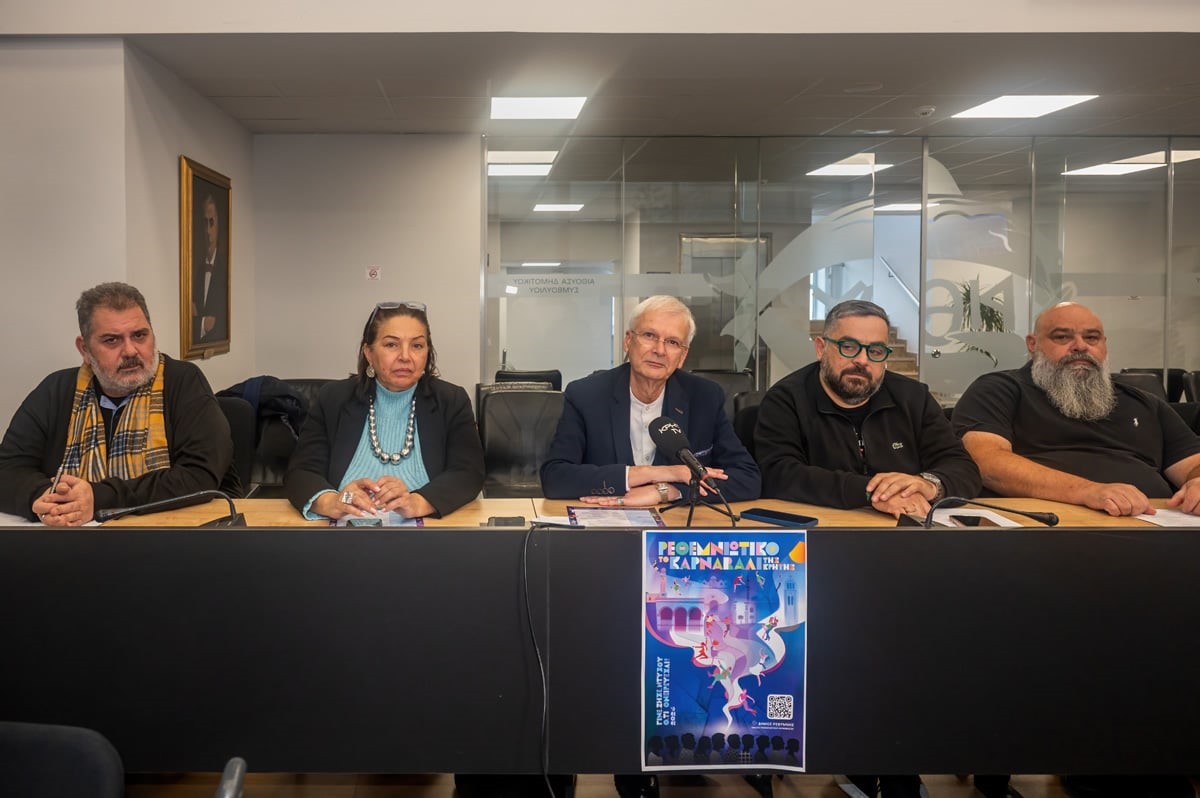
The seven-member committee plans and implements the festival. It is headed by the city’s cultural representative, who makes the most important decisions and ensures that everything runs smoothly.
The other members contribute different perspectives. They include representatives from urban development, the opposition, carnival groups, a councillor and two experienced carnivalists from the community.
The committee’s tasks can be divided into clear areas:
- Strategic planning and overall coordination
- Programme design and artistic direction
- Logistical organisation and permits
- Cooperation with local groups and volunteers
- Budget monitoring and sponsor discussions
- Public relations and media contacts
One member maintains contact with the groups that provide floats and costumes. Another liaises with the city council and takes care of legal issues.
The two carnival enthusiasts ensure that the tradition is not lost. They incorporate the mood of the participants directly into the planning.
A special coordinator is responsible for the artistic direction. He plans key programme items such as the theme of the year, the opening ceremony and the big group dance.
He works closely with set designers, musicians and costume designers. In doing so, he tries to balance modern show elements with classic moments.
The city’s cultural department acts as the operational hub. It coordinates the work of the authorities and distributes tasks to municipal departments.
This is where security, cleaning and infrastructure come together. Volunteers and association representatives are coordinated by the department.
The local carnival association contributes its expertise. It provides teams and organises volunteers.
The city and the association work closely together. They plan rehearsals, safety briefings and the parade schedule together.
The festival is mainly financed by the city treasury. Regional institutions and business partners contribute additional funds.
These sponsors are named as supporters and receive visibility in programme booklets, on posters and during live broadcasts.
The financial managers keep track of income and expenditure. They check costs and submit accounts to ensure that everything remains transparent.
A local television station provides live coverage. Press releases, social media posts and interviews are coordinated to ensure the message is consistent.
The committee uses these channels to announce programme items, share schedules and invite participation.
The committee works closely with emergency services to ensure safety. Barriers, first aid stations and emergency plans are put in place in good time.
Volunteer stewards and security services are briefed. The team applies for permits for areas and traffic diversions at an early stage.
Specialised teams take care of costumes, stage sets and floats. They plan workshops, material procurement and on-site construction.
They create schedules for rehearsals and test technology such as lighting and sound. They document the creative process so that ideas can be reused later.
Volunteer management is a key focus. The committee recruits, trains and supervises helpers.
Briefings and deployment plans help to maintain an overview. Recognition and small gifts motivate volunteers to participate again next time.
The team plans logistics and infrastructure down to the last detail. Stage locations, supply routes, delivery times and storage areas are determined.
Waste disposal, electricity and sanitary facilities are organised. Traffic management and parking zones are coordinated with the authorities.
The programme focuses on diversity. In addition to parades and dances, there are exhibitions, competitions and family-friendly events.
The committee mixes tried-and-tested formats with new ideas. Schedules avoid overlaps so that visitors can experience as much as possible.
The team reviews financial reports and schedules internally. After the festival, the committee collects feedback and prepares reports for the next round.
Preparations follow a clear schedule. Early meetings ensure deadlines for permits, construction work and rehearsals.
Deadlines for sponsors and media partners are set so that everyone is involved in good time.



