

Newsflash from Monday, 11 May 2026:
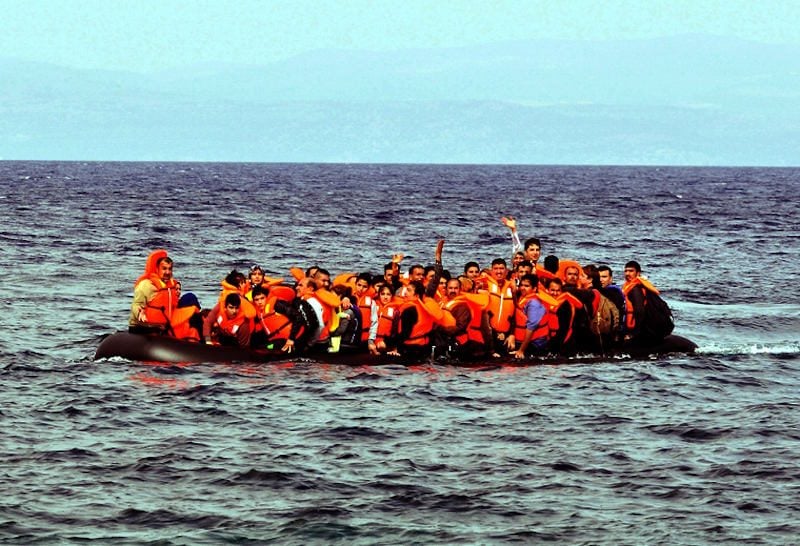
The Greek island of Crete is experiencing an unprecedented wave of migrant arrivals, with over 270 migrants reaching its southern shores on Sunday alone, and additional boats continuing to arrive through Monday. As authorities scramble to manage the escalating situation, a new temporary reception facility in Heraklion is expected to be inspected by government officials this week—marking a critical step in the government’s response to sustained migratory pressures.
The Scale of Sunday’s Arrivals
The scale of arrivals over the weekend and into the week demonstrates the intensity of current migration patterns toward the island. According to authorities:
– 44 migrants arrived at Kaloi Limenes in the early morning hours of Sunday
– 85 migrants were intercepted south of Gavdos island
– 43 migrants were discovered south of Heraklion
– 56 migrants were rescued approximately 47 nautical miles southeast of Gavdos, requiring Frontex intervention
– An additional 50 migrants were found approximately 33 nautical miles south of Ierapetra
Continued Operations Monday

The arrivals did not cease with Sunday’s operations. So far on Monday, three separate incidents were recorded:
– 35 migrants, including one woman, arrived at Psari Forada beach during nighttime hours
– 34 additional migrants, including two women, were intercepted in the same area
– 56 more migrants, including two women, were safely brought ashore at Kaloi Limenes
Among those rescued were women and at least one child, highlighting the vulnerability of those undertaking the perilous sea journey.
Government Response and Infrastructure Development
In response to mounting pressures, Greece’s Migration and Asylum Minister Thanos Plevris has outlined an aggressive strategy to manage arrivals. A delegation from the Ministry of Migration and Asylum is expected to inspect facilities in Heraklion this week, specifically examining a former factory site in the Malades area that has been converted into a temporary migrant reception and detention facility.
The minister has set an ambitious timeline, aiming to have the facility fully operational by July. This facility is designed to address the growing strain on existing infrastructure, particularly in eastern Crete, where the constant flow of arrivals has overwhelmed current reception capacities.
A Firm Stance on Migration Control
Minister Plevris has signaled that the government intends to take a harder line on irregular migration. In recent statements, he emphasized:
“I want to be clear from now on that we will not allow what happened in the country in 2015.”
He warned that should unmanageable migration flows occur, a escalation protocol will be activated. The government has reportedly prepared contingency plans to respond swiftly to any surge that exceeds its capacity to manage.
“We have made a firm decision that should we face uncontrolled migration flows, there will be a gradual escalation of measures,” Plevris stated.
The Broader Context
The spike in arrivals coincides with improving weather conditions in the Mediterranean, a factor that typically correlates with increased migration attempts. The southern shores of Crete have become a critical entry point for migrants and asylum seekers attempting to reach Europe, with the island’s geographic position making it a natural waypoint for those traveling from North Africa and the Middle East.
The construction and inspection of the new facility this week represents a pivotal moment in Greece’s migration management strategy. Whether the infrastructure will be sufficient to handle ongoing flows remains to be seen, but authorities appear determined to prevent a repeat of the 2015 migration crisis that overwhelmed the country.
What’s Next?
As inspections proceed and construction continues, migrants and asylum seekers will continue to arrive by sea. The Greek authorities, supported by Frontex, will maintain their rescue and interception operations. Meanwhile, the race is on to ensure that adequate reception and processing facilities are in place before the summer months bring even higher volumes of migration attempts.
For those following this developing situation, the coming weeks will prove crucial in determining whether Greece’s new infrastructure and stricter policies can effectively manage the ongoing challenge of irregular migration to its shores.
Source:



