

Passenger numbers at Greek airports have soared, but there is air traffic chaos over Greece and the threat of ticket price rises due to fuel costs.

Crete’s thriving tourism sector may be more vulnerable than it appears, as new analysis highlights air connectivity as a critical weak point—an “Achilles’ heel” that could expose the island to future disruptions.
Despite a strong outlook for 2026, with demand remaining resilient even during recent geopolitical tensions, experts warn that the heavy reliance on air travel leaves Crete—and Greece more broadly—highly sensitive to external shocks.
Strong Demand, Lingering Vulnerabilities
According to a recent economic study, Greece’s tourism sector continues to show growth momentum, with expectations of around 3% increase in revenues in 2026. This comes after a 4.5% rise in 2025, confirming that international demand remains robust.
Air traffic data further supports this trend, with flights to Greek destinations rising by approximately 3.6% during the May–August period—outpacing the European average.
However, this positive performance masks a deeper structural risk tied to the country’s dependence on air transport.

Geopolitics and Energy Costs Add Pressure
Recent geopolitical instability in the Middle East and a surge in oil prices—reaching up to $120 per barrel earlier in 2026—have exposed how quickly conditions can shift. The resulting spike in aviation fuel costs increased operating expenses for airlines and added inflationary pressure across key European markets.
This, in turn, impacts travelers’ disposable income and can influence their holiday decisions, particularly for destinations like Crete that rely heavily on international arrivals.
Why Air Connectivity Matters So Much
Crete’s geographic position and limited domestic travel alternatives make air links essential. With around 90% of international overnight stays coming from European markets, uninterrupted and affordable flights are vital to sustaining visitor flows.
While the recent crisis did not escalate into a prolonged disruption—thanks in part to airlines absorbing some of the cost increases—the study warns that a longer-lasting shock could have serious consequences.
In a moderate scenario, rising energy costs could reduce tourism demand by around 2 percentage points. In a more severe and prolonged disruption, losses could reach up to 5.5 percentage points, significantly affecting the sector’s performance.

A Call for Strategic Planning
The findings underline the need for proactive management of aviation-related risks. As geopolitical and energy uncertainties become more frequent, strengthening the resilience of air connectivity is emerging as a key priority for tourism policy.
For Crete, safeguarding reliable and cost-effective air links will be crucial—not only to maintain growth but to protect the island’s position as one of Europe’s leading travel destinations.
Greek Airports Soar in 2026: Passenger Traffic Surges and Records Tumble
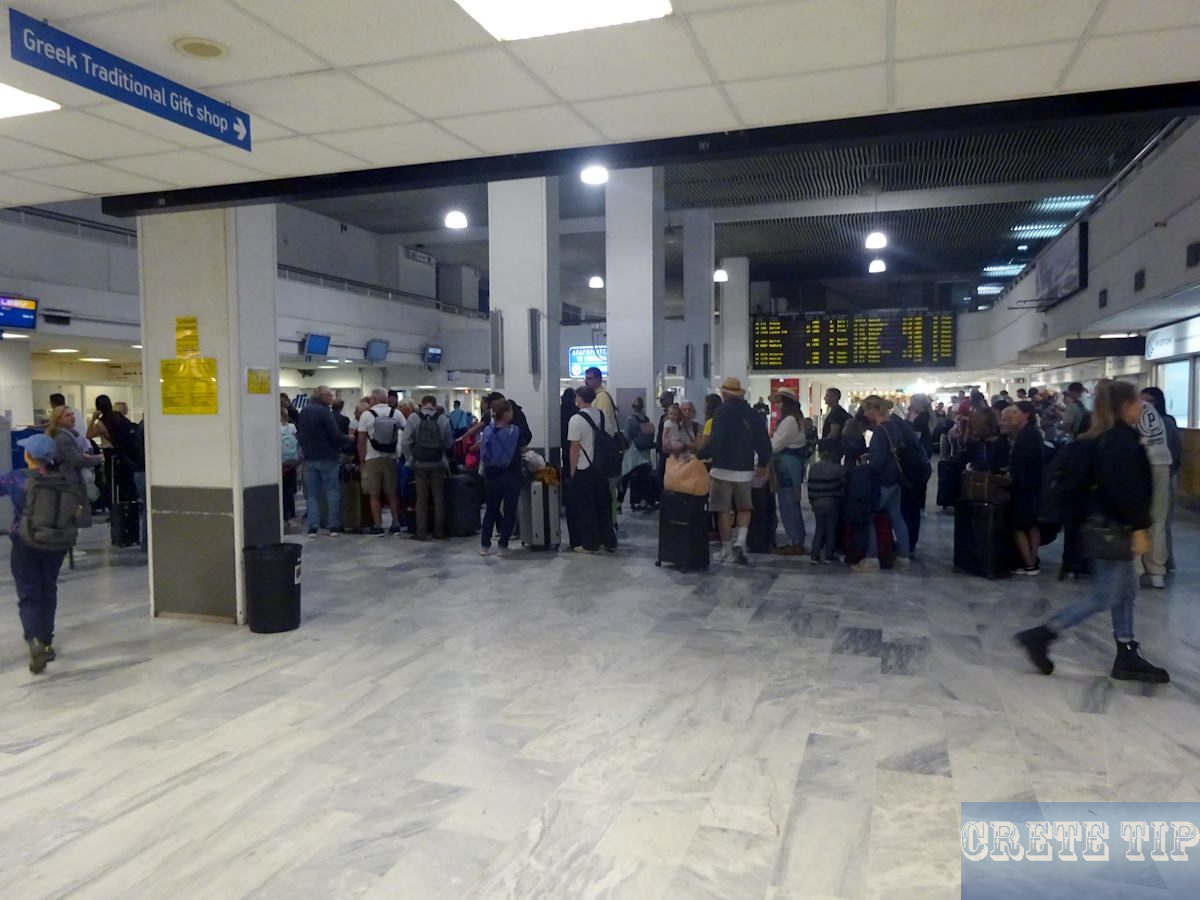
Greece’s aviation sector is off to a strong start in 2026, with passenger traffic across the country’s airports recording a significant rise during the first five months of the year. The latest figures point to continued momentum in tourism and air travel demand, reinforcing Greece’s position as a top international destination.
Passenger Numbers Climb Nationwide
According to official data, total passenger traffic across all Greek airports handling commercial flights reached 23,076,532 between January and May 2026. This marks a 5.7% increase compared to the same period in 2025, when passenger numbers stood at 21,837,473.
The growth trend was also evident in May alone, with passenger traffic rising by 8% across the 24 airports managed by the Hellenic Civil Aviation Authority (HCAA).
Heraklion Leads the Way
Heraklion Airport in Crete once again emerged as a standout performer. In May 2026, it handled 1,139,079 passengers, representing an 8.1% increase compared to May 2025, when 1,054,181 travelers passed through its terminals.
The figures highlight Crete’s continued appeal as a leading tourist destination and underline the critical role of its main gateway in accommodating growing visitor demand.
Flight Movements Also on the Rise
The upward trend is not limited to passenger numbers. Aircraft movements—including both domestic and international arrivals and departures—also increased during the same period.
From January to May 2026, a total of 186,119 flights were recorded across Greece’s 39 airports under air traffic control, marking a 4.8% increase compared to 177,573 flights in the corresponding period of 2025.
Tourism Momentum Continues
The sustained growth in both passenger traffic and flight activity reflects a broader recovery and expansion of Greece’s tourism industry. As demand continues to rise, airports across the country are playing a crucial role in supporting the influx of international and domestic travelers.
However, the increase also brings renewed attention to infrastructure capacity and the need for continued investment to ensure smooth operations during peak travel periods.
Sky Gridlock Over Greece: Middle East Rerouting Triggers Surge in Summer Flight Delays
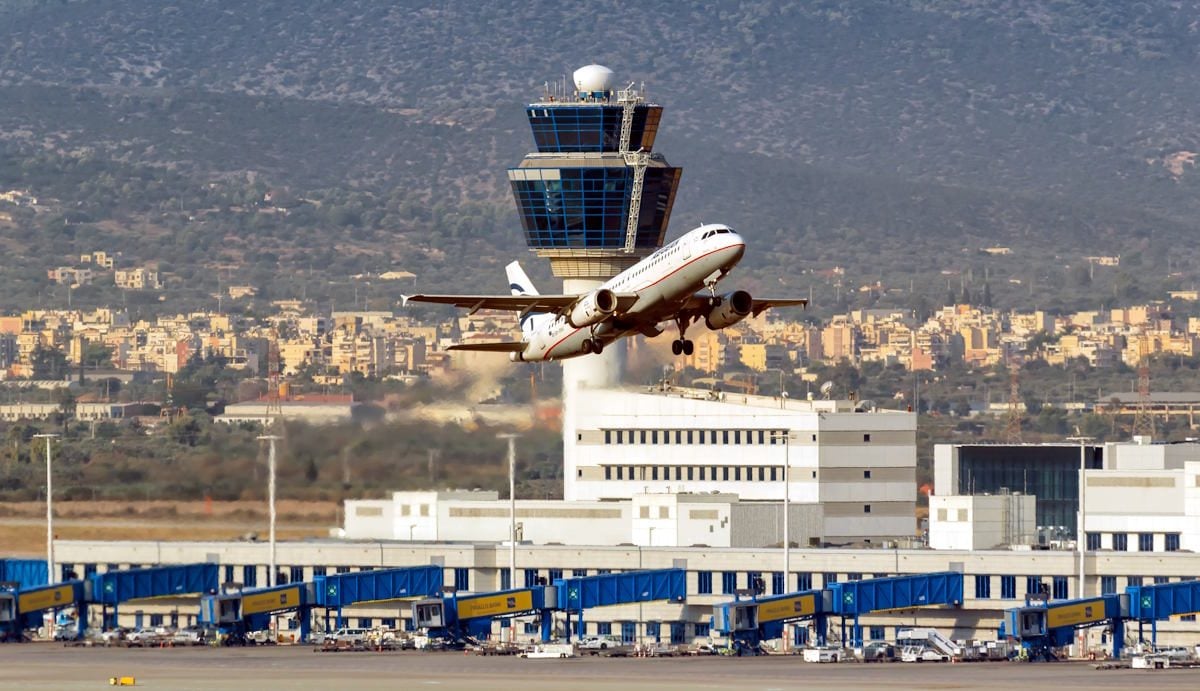
Air travel across Greece is facing mounting disruption this summer, as a combination of peak tourism demand and geopolitical instability in the Middle East forces airlines to reroute flights—placing unprecedented pressure on the country’s airspace.
According to recent data, Greece has emerged as one of the most affected areas in Europe, with delays increasing sharply as the aviation network adapts to shifting global conditions.
Greece Becomes a Critical Air Traffic Hub
The rerouting of flights away from parts of the Middle East has transformed Greece into a key transit corridor connecting Europe with the Eastern Mediterranean and Asia. As a result, traffic density over Greek airspace has surged, particularly within the Athens Flight Information Region (FIR).
This shift has significantly increased the complexity of air traffic management, with controllers handling a higher volume of overflights alongside regular arrivals and departures.
Delays Spike Amid Rising Demand
Data from Eurocontrol shows that Greece now accounts for 14% of total en-route Air Traffic Flow Management (ATFM) delays in Europe. Of these, 9.5% are concentrated in the Athens Area Control Center and 4.4% in the Macedonia sector.
Average delay times in Greek airspace have risen by a striking 82% compared to the same period in 2025, reflecting the growing strain on the system.
Unlike other European countries where delays are often linked to staffing shortages or infrastructure limitations, Greece’s challenges are compounded by the influx of rerouted flights, adding layers of operational difficulty.
Wider European Context
Across Europe, air traffic continues to grow, with an average of 34,983 flights per day recorded during the reporting period—an increase of 1.2% year-on-year. Despite this, overall system performance has improved, with average delays falling by 29% to 2.3 minutes per flight and arrival punctuality reaching 76%.
Major congestion hotspots remain in France and Spain, which together account for over half of total delays due to capacity constraints and staffing pressures.
Pressure on Infrastructure and Operations
In Greece, however, the surge in overflight traffic is pushing air traffic management systems beyond their intended limits. The Athens Area Control Center has reportedly struggled to meet performance targets set under the European Network Operations Plan due to the elevated workload.
As the summer season progresses, the situation is expected to remain challenging, with authorities working to balance safety, efficiency, and rising demand.
What It Means for Travelers
For passengers, the increased congestion could translate into longer flight times, delays, and tighter connections. While airlines and air traffic authorities continue to adapt, the current environment highlights how global events can ripple through the aviation system—affecting even popular holiday destinations like Greece.
With tourism at its peak, maintaining smooth operations will be crucial to preserving the travel experience and supporting the country’s vital tourism sector.
Brace for Takeoff: Rising Fuel Costs Push Airfares Higher Worldwide
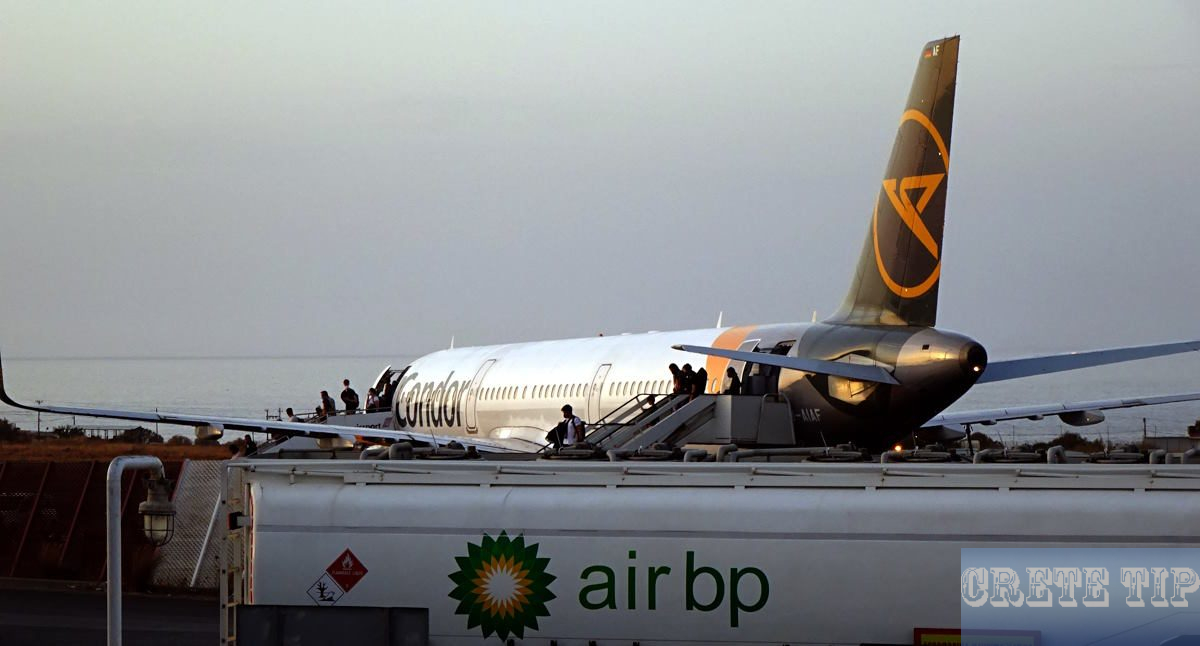
Air travelers may soon feel the pinch as airline leaders warn of rising ticket prices driven by increasing fuel costs. The International Air Transport Association (IATA) has signaled that higher airfares could be unavoidable, as carriers struggle to maintain profitability in a volatile energy market.
Fuel Prices Driving Up Costs
According to IATA Director General Willie Walsh, airlines—many of which operate on slim profit margins of around 2%—have limited options when faced with rising fuel expenses. As a result, passing these costs on to passengers through higher ticket prices is becoming increasingly likely.
The recent surge in fuel costs has been linked to geopolitical tensions in the Middle East, which have disrupted oil supply chains and created uncertainty in global energy markets.
Demand Remains Resilient
Despite the pressure of higher prices, demand for air travel has shown notable resilience. In May, global passenger demand dipped slightly by 2.2% year-on-year, largely due to a sharp decline in traffic in the Middle East.
However, excluding that region, demand actually increased by 0.7%, indicating that travelers continue to prioritize air travel even as costs rise.
Europe, in particular, has demonstrated strong performance, with passenger traffic remaining robust and airlines reporting high load factors.
Regional Variations Highlight Market Shifts
The impact of current conditions varies across regions. While the Middle East experienced a significant drop in demand due to ongoing conflict, European carriers recorded a 3.8% increase in passenger traffic. Airlines in Asia-Pacific and North America also posted modest gains.
At the same time, capacity has declined slightly in several markets, contributing to higher load factors and adding further upward pressure on ticket prices.
Uncertainty Ahead for Travelers
Although recent declines in oil prices offer some hope, industry experts caution that it may take time before lower costs are reflected in aviation fuel prices—and ultimately in ticket fares.
Ongoing geopolitical uncertainty, particularly around key oil transit routes such as the Strait of Hormuz, continues to cloud the outlook for both airlines and passengers.
For now, travelers should be prepared for potentially higher airfares, especially during peak seasons, as airlines navigate a challenging economic environment.
Sources
Hania.news – “Achilles’ heel” for tourism: Air transport risks and resilience of Greek tourism
Fonien.gr – Airports: Increase in passenger traffic in the first five months of 2026
Ekathimerini – Summer flight delays escalate in Greece with Middle East rerouting
Money-Tourism.gr – Warning over rising airfares due to fuel costs, says IATA’s Willie Walsh



