

Newsflash from Friday, 12 June 2026:
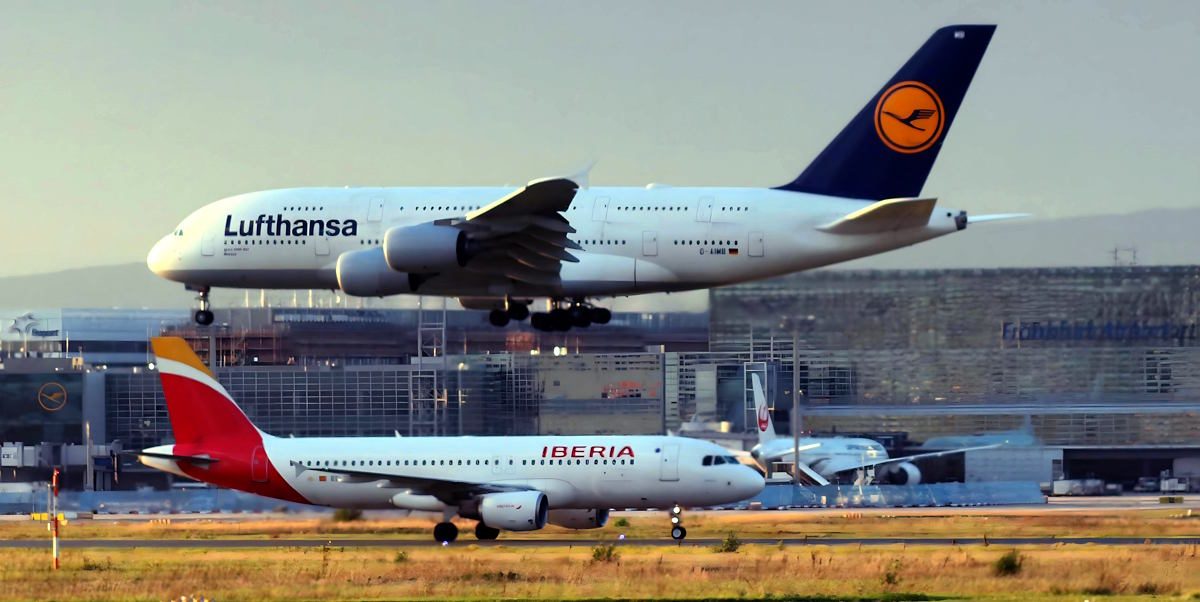
Travel Uncertainty Rising: One in Five Germans Cancels Holiday Plans
Germany’s travel landscape is shifting as uncertainty around flight disruptions and fuel supply concerns begins to impact holiday decisions. A growing number of German travelers are rethinking their plans—some postponing, others cancelling altogether—as the peak summer season approaches.
According to recent findings, nearly one in five Germans has already cancelled, changed, or experienced a disruption to their travel plans. The primary driver behind this trend is concern over potential shortages of aviation fuel, linked to ongoing geopolitical tensions in the Middle East. These concerns have led several airlines to reduce flight schedules, further increasing traveler anxiety.
Travelers Adjusting Their Plans
The impact is widespread. Around 62% of respondents say they have already adapted how they plan their trips due to uncertainty in air travel. Instead of relying on flights, many are exploring alternative options or planning more cautiously.
- 46% are choosing alternative modes of transport such as trains or cars
- 39% are booking earlier than usual to secure travel arrangements
- 31% are delaying decisions about whether to travel at all
This shift highlights a broader trend: travelers are becoming more flexible and risk-aware, prioritizing reliability over convenience.
Leisure vs. Business Travel
While leisure travel is clearly affected, business travel remains relatively stable for now. Only about 17% of business travelers report making changes to their plans, and just 6% have experienced cancellations or major disruptions.
However, experts warn that companies should remain prepared. Rapid changes in flight availability could still disrupt corporate travel schedules, especially if fuel supply issues escalate.
Advice for Travelers
Travel experts recommend adopting a flexible approach in the coming weeks. This includes:
- Considering alternative transport options such as rail or car rentals
- Booking flexible tickets where possible
- Keeping receipts to document unexpected expenses
- Rebooking quickly in case of cancellations
Authorities in Germany are also monitoring the situation closely. While contingency measures are being discussed, officials emphasize that fuel supply conditions vary by region and caution against unnecessary panic.
A Changing Travel Mindset
The current situation reflects a deeper shift in traveler behavior. External factors—from geopolitical tensions to energy supply concerns—are playing a more visible role in shaping travel decisions.
For many Germans, the question is no longer just where to go, but how and whether to travel at all. As uncertainty continues, flexibility and preparedness are becoming essential parts of modern travel planning.
Source: money-tourism.gr
Lufthansa Reassures Travelers: No Aviation Fuel Shortages Expected This Summer

Amid growing concerns about potential disruptions to air travel, Lufthansa has moved to reassure passengers and industry partners that there is no expected shortage of aviation fuel for the upcoming summer season.
The German airline emphasized that flight operations will continue as planned, despite ongoing geopolitical tensions and speculation about supply chain challenges affecting fuel availability.
Flights to Operate Normally
Lufthansa confirmed that it has taken the necessary steps to secure fuel supplies across its network. This means travelers can expect normal flight schedules throughout the busy summer months, without disruptions linked to fuel shortages.
The announcement comes at a crucial time, as millions of passengers prepare for holidays and business trips across Europe and beyond.
Addressing Market Concerns
Recent reports and market uncertainty had raised questions about whether airlines might face operational challenges due to fuel availability. Lufthansa’s statement aims to calm those fears, highlighting that the situation remains stable and under control.
While global events continue to influence energy markets, the airline industry appears well-prepared to manage supply needs for the peak travel season.
A Boost for Traveler Confidence
This reassurance is particularly important as traveler confidence plays a key role in booking decisions. With concerns about cancellations and disruptions circulating in recent months, Lufthansa’s message provides a sense of stability.
For passengers, this means greater certainty when planning summer trips, with fewer worries about unexpected changes caused by fuel-related issues.
Looking Ahead to a Busy Season
The summer travel season is expected to remain strong, with high demand across popular destinations. Airlines, including Lufthansa, are preparing to meet this demand with full schedules and reliable operations.
As the industry continues to navigate a complex global environment, clear communication and operational readiness remain key to ensuring a smooth travel experience for passengers worldwide.
Source: money-tourism.gr
Rising Travel Costs Put Demand at Risk, Warns German Travel Industry

The global travel boom may be losing momentum as rising prices begin to weigh heavily on consumer demand. According to the president of the German Travel Association (DRV), increasing travel costs are now the single biggest challenge facing the industry.
Speaking at the “Tag des Reisevertriebs” (Travel Sales Day) in Frankfurt, DRV President Norbert Fiebig emphasized that while demand has remained strong in recent years, many travelers are now reaching their financial limits. As a result, the future of travel demand is becoming increasingly uncertain.
Travel Becoming a Social Issue
What was once considered a routine part of life—taking a holiday—is now evolving into a broader social concern. More households are questioning whether they can still afford to travel, as prices for flights, accommodation, and travel services continue to climb.
“The industry has benefited from high consumer willingness to spend,” Fiebig noted, “but we are now seeing signs that many people are hitting their limits.”
Uncertainty Ahead for Bookings
One of the key unknowns for the industry is whether the traditional last-minute booking season will materialize. According to DRV, this will largely depend on how prices evolve in the coming months.
If costs continue to rise, spontaneous travel decisions could decline, potentially impacting overall booking volumes during peak seasons.
Calls for Policy Balance
The DRV is urging policymakers to examine factors that contribute to rising travel costs. These include:
- Air transport taxes
- Government fees and charges
- Regulatory costs
- Contributions to traveler protection funds
While the industry supports strong consumer protection measures, it also stresses the need for a balanced approach—one that ensures both safety and affordability.
Adapting to a Changing Market
Beyond pricing pressures, the travel sector is undergoing rapid transformation. Digitalization, artificial intelligence, and changing customer expectations are reshaping how travel is planned and booked.
Fiebig highlighted the continued importance of traditional travel agencies, describing them as the “foundation of the tourism distribution network.” Their expertise, personalized service, and direct customer relationships remain key advantages in a competitive and evolving marketplace.
At the same time, he emphasized that traditional and digital sales channels should not be seen as rivals, but as complementary forces that can strengthen the industry together.
Looking Ahead
The coming months will be critical for the travel industry. As prices rise and consumer confidence is tested, businesses will need to adapt quickly—balancing cost pressures with the need to maintain demand.
For travelers, the message is clear: planning ahead, comparing options, and staying flexible may be more important than ever.
Source: money-tourism.gr
Too Hot to Travel? British Tourists Rethink Summer Holidays Amid Rising Temperatures

Sun-soaked beaches and Mediterranean escapes have long been a favorite for British holidaymakers. However, a new trend is emerging: extreme heat is beginning to deter travelers from choosing traditional summer destinations such as Greece, Spain, and Turkey.
According to recent research by travel insurance company InsureandGo, a significant 75% of British tourists believe that some popular European destinations will become too hot to visit within the next five years. This growing concern is already influencing how and when people choose to travel.
Changing Travel Preferences
Rather than abandoning travel altogether, British tourists are adapting. Many are now reconsidering both their destination choices and the timing of their holidays in order to avoid extreme temperatures.
- 24% plan to continue traveling in summer but will opt for cooler destinations
- 27% prefer to travel during milder seasons such as spring or early autumn
- 12% are considering winter holidays instead of summer trips
- 37% will still travel in summer but take additional precautions against the heat
This shift highlights a broader change in traveler behavior, as climate conditions become a key factor in holiday planning.
Top Destinations Seen as “Too Hot”
The study also asked respondents which European countries they believe are most at risk of becoming uncomfortably hot in the near future. The results place some of Europe’s most popular tourist hotspots at the top of the list:
- Greece – 32%
- Turkey – 32%
- Spain – 31%
- Cyprus – 25%
- Portugal – 17%
- Italy – 17%
Interestingly, even the United Kingdom itself was mentioned by 14% of respondents, indicating that concerns about extreme heat are no longer limited to southern Europe.
Heatwaves and Safety Concerns
Beyond discomfort, rising temperatures are also linked to increased worries about wildfires, heatwaves, and health risks. As a result, travelers are becoming more cautious and better prepared when visiting warmer regions.
Industry experts advise tourists who continue to visit hot destinations during peak summer months to take preventive measures, including staying hydrated, avoiding peak sun hours, and ensuring comprehensive travel insurance coverage.
A Shift in the Future of Travel
While the desire for international holidays remains strong, climate change is reshaping travel habits. The traditional July–August peak season may gradually give way to more flexible travel periods, with early summer and autumn becoming increasingly attractive.
For destinations heavily reliant on summer tourism, this shift presents both a challenge and an opportunity: to adapt their offerings and promote travel beyond the hottest months of the year.
Source: cretatimes.gr



