

Newsflash from Saturday, 2 May 2026:
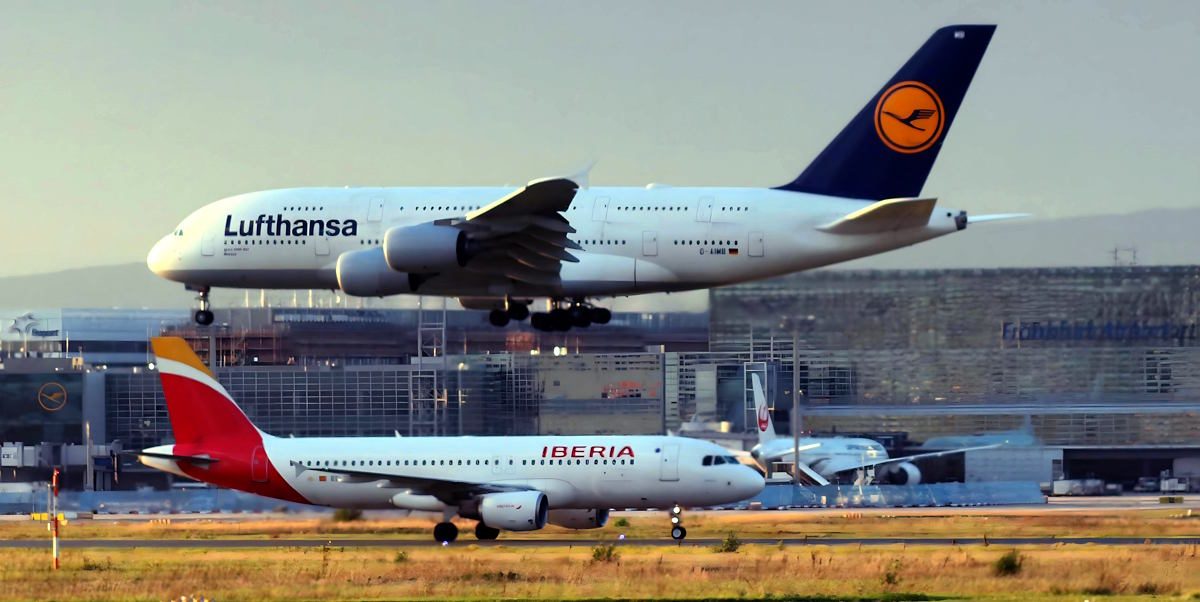
The travel landscape for Mediterranean holidays is undergoing a dramatic realignment. New data reveals that bookings for Greece from Germany—traditionally one of the country’s most reliable tourism markets—have plummeted by 10%, while Spain has emerged as the clear winner in the battle for German leisure travelers’ attention and euros.
This seismic shift in travel preferences reflects broader geopolitical anxieties and changing perceptions of safety among European tourists, with profound implications for Greece’s tourism industry.
The Perfect Storm: Geopolitics and Market Uncertainty
The catalyst for this dramatic reversal is unmistakable: the escalating geopolitical crisis in the Middle East. As conflict intensifies in the region, German travelers are recalibrating their holiday plans with a focus on perceived safety and stability.
According to Travel Data + Analytics (TDA), the most recent data reveals a troubling picture for Greece. While German demand for organized vacations has shifted away from mid-range destinations in Eastern Europe—which recorded a staggering 34% decline in March 2026 compared to March 2025—the beneficiary has not been Greece, but rather safer, more established destinations in Western Europe.
And none more so than Spain.
Spain’s Meteoric Rise: The Clear Winner
Spain’s performance has been nothing short of spectacular. German travelers, seeking reassurance and familiarity in uncertain times, have flocked to Spanish destinations in record numbers:
– Continental Spain: +32% increase in bookings
– Canary Islands: +15% increase
– Balearic Islands: +15% increase
– Western Spain (mid-range flights): +16% increase
The data paints a vivid picture: Spain has become the top choice for German holidaymakers in 2026, capitalizing on both its geographic proximity to Western Europe’s perceived “safety zone” and its well-established tourism infrastructure.
Why Spain? Why Now?
The answer lies in psychology and risk assessment. As geopolitical tensions mount, travelers gravitate toward destinations they perceive as stable, secure, and insulated from regional conflicts. Spain, positioned firmly within Western Europe and NATO’s protective umbrella, embodies these qualities.
The appeal extends beyond security. Spanish destinations offer:
– World-class tourism infrastructure
– Diverse regional experiences
– Established travel corridors and flight networks
– Well-tested hospitality ecosystems
Greece’s Alarming Decline: A 10% Free Fall
In sharp contrast to Spain’s gains, Greece has experienced a precipitous collapse in German bookings. The 10% decline represents a significant loss of market share from Germany—historically one of Greece’s top tourism sources.
This decline is particularly troubling given the timing. Just months earlier, travel industry reports suggested that Greece was poised for a strong 2026 tourism season. The sudden reversal indicates that external geopolitical factors have fundamentally altered travelers’ decision-making calculus.
Other Mediterranean Losers
Greece is not alone in feeling the pinch. The data reveals a broader pattern of Western European travelers retreating from certain destinations:
– Italy: +8% (modest gains, but far below Spain’s surge)
– Portugal: +3% (slight positive movement)
– Turkey: Dramatic collapse from +12% to +3% (losing 9 percentage points in a single month)
– Egypt: Plummeted from +15% to +1% in bookings
– Gulf destinations (UAE, Saudi Arabia): Massive losses due to travel warnings and reduced flight connections
– Distant markets (Maldives, Thailand): Major declines

The Turkey and Egypt Catastrophe
Perhaps no markets better illustrate the geopolitical impact than Turkey and Egypt. Both countries, positioned geographically closer to Middle Eastern conflict zones, have experienced investor panic among German travelers.
Turkey, which was performing exceptionally well with over 12% growth in bookings before the escalation, saw its gains evaporate entirely. A stunning 46% decline in March 2026 was followed by a severe correction. While the overall summer forecast still shows +3% growth compared to 2025, this represents a devastating loss of momentum—Turkey has dropped from first place to second place in German holiday preferences.
Egypt’s trajectory mirrors Turkey’s collapse:
– Previous forecast: +15% growth for summer 2026
– Current status: +1% growth (a 14-percentage-point correction in one month)
The message is clear: German travelers are voting with their bookings, and they’re voting for safety, proximity, and Western European stability.
Cruises Sink While Land Travel Steadies
Interestingly, the data reveals divergent trends within vacation types:
– Land-based travel: +2% (holding relatively steady)
– Cruises: -18% (significant decline)
The cruise decline likely reflects both geopolitical concerns about maritime routes through contested waters and reduced port availability in affected regions.
The Winter Season: A Fragile Recovery
The 2025-2026 winter tourism season presents a more complex picture. While overall demand shows a +2% increase, this figure masks underlying fragility:
– Occupancy rates: 59% (down from 61% in 2025)
– Cancellations and rebookings: Massive disruptions with net negative impact
– Revenue trajectory: Stagnant compared to previous year despite positive booking numbers
– Lost bookings: Over one-quarter of winter revenues from Gulf destinations have been cancelled or deferred
The winter season’s apparent stability is deceiving. New bookings remain significantly below 2025 levels, a troubling sign for the upcoming high season.
Summer 2026: Cautious Optimism with Dark Clouds
For the crucial summer 2026 season, early signs of recovery emerged during Easter week (Calendar Week 16), when bookings began to increase again. However, the broader trend remains concerning:
– Lost momentum: Summer 2026 has shed 4 percentage points from previous growth forecasts
– Current growth rate: +3% (down from projections of +7%)
– Occupancy concerns: Lower than comparable periods in 2025
What This Means for Greece’s Tourism Industry
The 10% booking collapse from Germany represents far more than a statistical blip. Germany remains one of Greece’s most important tourism source markets, with German travelers representing a substantial portion of international visitors, particularly to island destinations like Crete, Rhodes, and Kos.
A 10% decline translates to:
– Reduced hotel occupancy
– Lower revenues for tourism-dependent businesses
– Diminished employment opportunities in the hospitality sector
– Potential ripple effects throughout regional economies
Industry Response and Future Outlook
Greek tourism stakeholders face a critical juncture. The data suggests that merely competing on price or amenities will be insufficient. Instead, a multi-pronged strategy may be necessary:
1. Safety messaging: Reinforce Greece’s geographic distance from conflict zones
2. Product diversification: Emphasize unique experiences unavailable elsewhere
3. Marketing repositioning: Target specific German demographics less influenced by geopolitical concerns
4. Strategic partnerships: Collaborate with tour operators to rebuild confidence
Meanwhile, Spanish tourism authorities have clearly capitalized on the moment, leveraging geopolitical anxieties to consolidate their position as Western Europe’s premier vacation destination.
The Broader Lesson
This data reveals a sobering reality: in an increasingly unstable geopolitical environment, perceived safety and proximity to stable zones have become paramount in travel decision-making. Destinations perceived as “safer” or “further removed” from conflict zones enjoy significant competitive advantages.
For Greece, reversing this trend will require not just marketing efforts, but a fundamental reassurance that the country remains a stable, secure, and appealing destination for German travelers seeking Mediterranean experiences.
What are your thoughts on this shift in travel patterns? Have geopolitical concerns influenced your vacation planning? Share your perspective in the comments below.
Source: Travel Data + Analytics (TDA), March 2026 travel booking analysis



