

Greece steps up protection for Souda base amid geopolitical unrest. The country is on high alert as ministers warn of geopolitical instability and cautious optimism in the tourism industry.
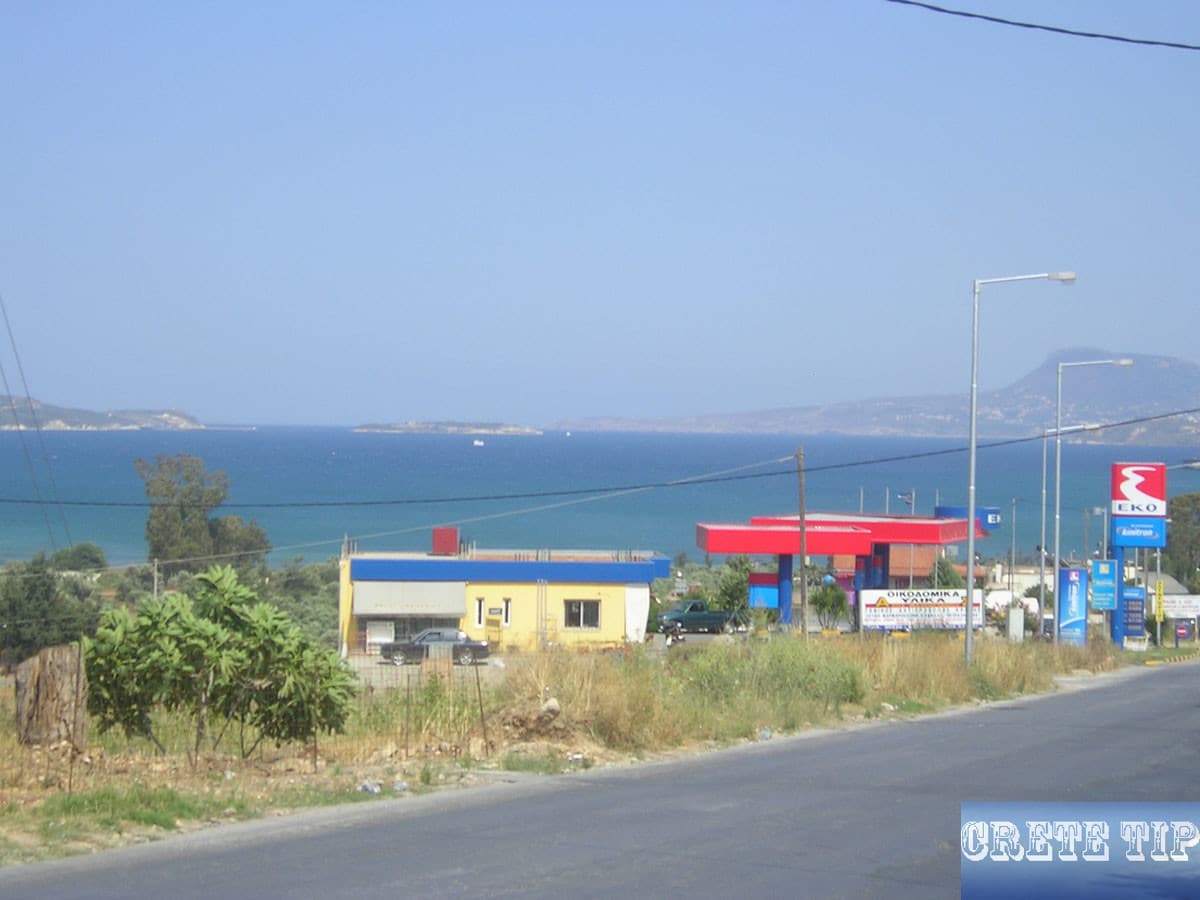
Maximum Protection: Greece Fortifies Souda Base Amid Geopolitical Turmoil
As geopolitical instability continues to ripple through the Middle East, the strategic military base at Souda in Chania has moved to the center of Greece’s national security conversation. With concerns rising over potential threats to critical infrastructure, the Greek Ministry of National Defence has issued a clear message of reassurance.
Minister Dendias: “Souda is Safe”
Addressing public anxiety, Minister of National Defence Nikos Dendias emphasized that Greece is not involved in military operations against Iran and that the Souda base remains secure. According to the Minister, the government has implemented a comprehensive plan to protect the country’s most vital military and energy assets.
“All necessary measures have been taken for the protection of critical infrastructure,” Dendias stated, noting that Souda—one of the most significant military installations in the Eastern Mediterranean—is currently under increased surveillance and high-alert protection.
Strategic Defense and Deterrence
The Greek government has taken several proactive steps to bolster the region’s security:
* Increased Surveillance: Close cooperation between the Ministry of National Defence, the Ministry of Citizen Protection, and security services to prevent terrorist or hybrid threats.
* Air Defense Reinforcement: The deployment of an anti-aircraft battery to Karpathos and the strategic positioning of Greek warships with advanced anti-aircraft capabilities in the Aegean and Eastern Mediterranean.
* Geographical Buffer: Minister Dendias pointed out that Greece lies at the “outer limits of the range of Iranian weaponry,” a factor that significantly reduces the likelihood of a direct kinetic threat.
The Pivotal Role of Souda
For decades, the Souda Bay facility has served as a cornerstone of Greek and allied strategy. Its unique geographical position in Crete makes it an indispensable hub for naval and air operations across the Eastern Mediterranean. In times of international crisis, the base’s importance only grows, serving as a primary support point for security operations in the region.
A Message of Stability
The Ministry’s latest statements aim to strike a delicate balance: demonstrating military readiness while maintaining a message of regional stability. Athens is making it clear that its movements are strictly defensive in nature.
By fortifying Souda and enhancing regional air defenses, Greece seeks to ensure that its most critical strategic pillar remains a “haven of security” despite the volatile landscape of the Middle East.
Stay updated on regional security and Chania news by following our latest reports.
Source: Zarpa News
A Region That Burns: Greece on High Alert as Minister Warns of Geopolitical Volatility

In a recent interview addressing the shifting landscape of international security, Greece’s Minister of Citizen Protection, Michalis Chrysochoidis, issued a stark reminder of the country’s strategic but sensitive position. Speaking on MEGA, the Minister emphasized that because Greece is located in a region that “burns,” constant vigilance is the nation’s most powerful defense.
The Need for Constant Vigilance
While formal security plans, physical guarding, and the protection of specific targets are essential, Chrysochoidis argued that they are not enough on their own.
“The most important thing is continuous vigilance,” the Minister stated. He noted that while Greece is a small country, its location at a critical geopolitical crossroads requires a level of alertness that never rests. “Our country is in an area that ‘burns,’ and that is why great caution is required.”
Safeguarding National “Lifelines”
A primary focus of the government’s security strategy is the protection of critical infrastructure. The Minister highlighted three sectors that are vital to the daily lives of every citizen:
* Energy
* Water
* Telecommunications
“These are what move the country and its citizens,” he explained, noting that any disruption to these services could create instability. Beyond infrastructure, the Ministry is prioritizing the security of borders, airports, ports, and land entry points to prevent any potential threats from entering the country.
International Obligations and Cooperation
Greece’s security isn’t just a domestic matter. The Minister reminded the public that protecting foreign embassies and international delegations within Greece is a “diplomatic and international obligation.”
To maintain this high level of safety, Greek authorities are in constant communication with global agencies, including:
* Europol and Interpol
* The European Commission
* Regional Partners: Including intelligence sharing with countries in the Gulf.
This daily flow of information and analysis ensures that Greek services can evaluate threats in real-time.
Current Status: Secure but Not Relaxed
Despite the volatile regional climate, Chrysochoidis offered a message of reassurance: Greece currently faces no specific or immediate security problem.
However, he warned against the dangers of “relaxation.” From his experience, he noted that a lack of vigilance can be catastrophic. The mission of the Greek security services remains clear: to ensure the “good of security” 24 hours a day, 365 days a year, so that citizens can feel stable and safe in their daily lives.
Source: Rethemnos News
Tourism Resilience: Greece Faces Middle East Crisis With Cautious Optimism
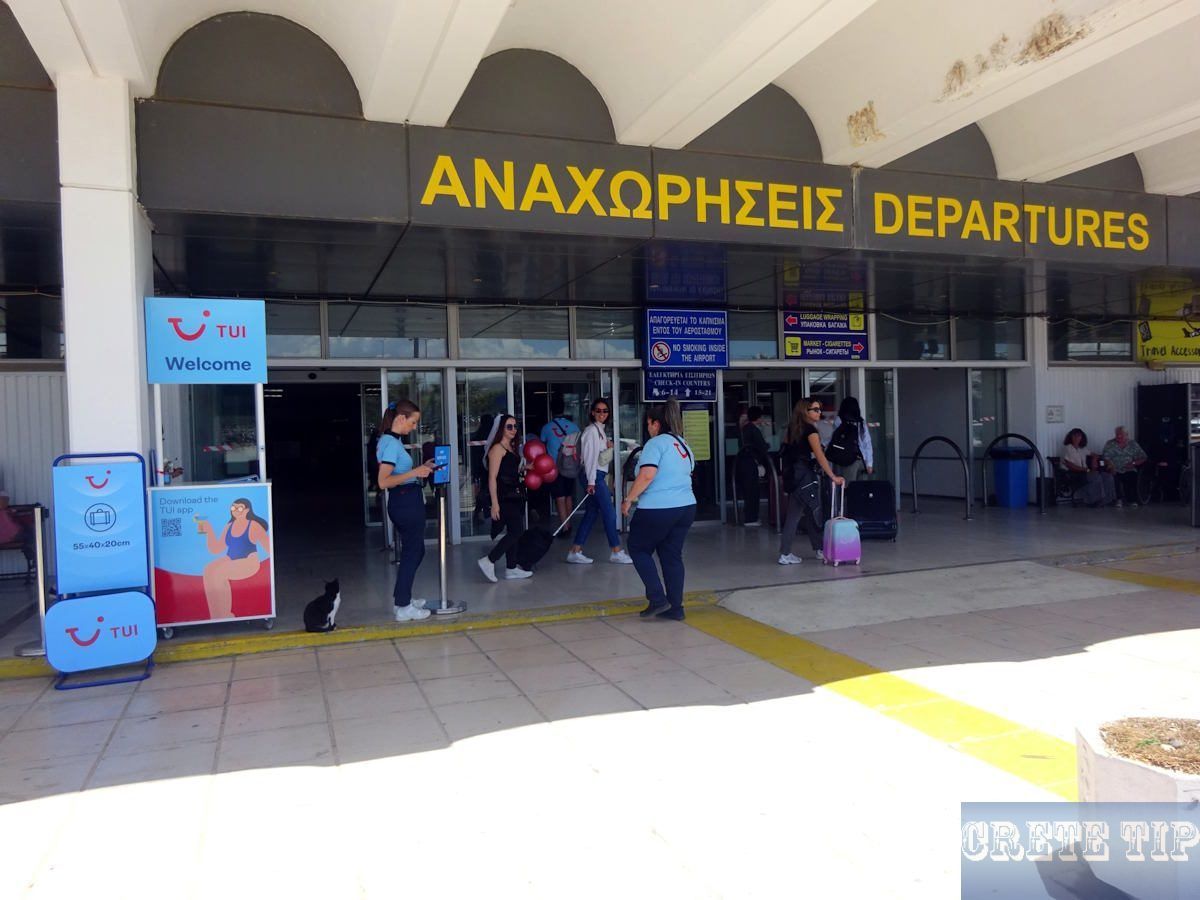
As geopolitical tensions escalate in the Middle East, Greece’s vital tourism sector is bracing for potential impacts. Yet despite the uncertainty, industry leaders and stakeholders are displaying cautious optimism, backed by hard-earned lessons from previous crises and a growing confidence in the sector’s resilience.
A Sector That Has Learned to Adapt
The Greek tourism industry has weathered significant storms in recent years. The COVID-19 pandemic and previous regional conflicts taught the sector valuable lessons about risk management and adaptability. Today, that experience is translating into a more resilient business model.
“The Greek tourism sector has acquired significant resilience against exogenous crises,” industry experts note. The pandemic and past regional tensions drove key improvements:
* Better Risk Management: More sophisticated approaches to identifying and mitigating potential threats.
* Diversified Market Strategies: Reduced dependency on single tourism markets through better geographic distribution.
* Enhanced Cooperation: Stronger partnerships between the state, airlines, and hotel groups to coordinate responses during crises.
These structural improvements form the backbone of today’s cautious optimism.
Three Key Areas of Concern
While optimism prevails, industry leaders remain acutely aware of the challenges ahead. Their focus centers on three critical areas:
1. Traveler Psychology
The tourism industry understands that perception can shift rapidly. If Middle East tensions persist or escalate, traveler sentiment could change dramatically—especially if the conflict begins to impact international transportation routes or is perceived as affecting broader regional stability.
2. Rising Transportation Costs
Any prolonged spike in fuel prices due to Middle East instability would directly impact airline ticket prices. Higher transportation costs inevitably squeeze tourism budgets, potentially leading to shorter trips, reduced spending, or shifts toward more affordable destinations.
3. Consumer Spending Power
As energy costs rise globally, inflation tightens household budgets worldwide. This forces travelers to make difficult choices: shorter vacations, budget accommodations, or postponing trips altogether.
A Three-Pronged Impact Assessment
According to Georgios Veinoglou, Head of Real Estate & Hospitality at EY-Parthenon and Senior Manager at EY Greece, the current situation creates impact across three dimensions:
Energy Costs and Global Inflation
Middle East tensions typically drive up international energy prices, strengthening inflationary pressures worldwide. This reduces travelers’ purchasing power for leisure activities, potentially leading to:
* Shorter holiday durations
* Greater price sensitivity
* Shifts from international to domestic travel in some markets
Operational Pressure on Tourism Businesses
Rising energy costs don’t just affect travelers—they hit Greek tourism businesses directly. Hotels, airlines, and maritime transport operators face:
* Increased operational expenses
* Compressed profit margins
* The need for price increases that may deter cost-conscious travelers
Behavioral Shifts in Travel Patterns
Geopolitical uncertainty encourages savings over spending. Travelers may:
* Delay or cancel trips
* Reduce overall vacation spending
* Avoid regions perceived as politically unstable
Direct impacts could include reduced flows from countries directly involved in conflicts, while indirect effects may ripple through economically or psychologically affected markets.
Greece’s Geographic Advantage—And Risk
Greece’s location in the Eastern Mediterranean presents a double-edged sword. On one hand, proximity to regions of instability can heighten perceived risk for some travelers. On the other hand, Greece maintains a significant safety advantage over neighboring countries, which strengthens its competitive position as a regional destination of choice.
The Critical Variables
“The extent of impacts will depend on the intensity, duration, and geographic scope of developments, as well as their effects on international energy markets and demand from key European visitor sources,” Veinoglou explains.
Yet despite these uncertainties, Greece has powerful compensating factors working in its favor.
Greece’s Resilience Factors
The country possesses significant competitive advantages that bolster tourism resilience:
* High International Recognition: Greece is a globally recognized brand with strong destination awareness.
* Strong Safety Image: The country is perceived as a stable and secure destination compared to alternatives in the region.
* Continuously Improving Services: Greece’s tourism infrastructure and service quality continue to upgrade, enhancing its appeal.
“Greece has significant offsetting factors that strengthen the resilience of the tourism sector,” Veinoglou emphasizes. “The country’s high international recognition, strong image as a safe and stable destination, and continuously upgrading quality of tourism services serve as counterbalance to uncertainty, limiting potential negative impacts and maintaining Greece’s position as one of the most reliable and attractive destinations in the Mediterranean.”
Looking Ahead
The coming months will reveal whether Greece’s structural improvements and competitive advantages prove sufficient to weather the current geopolitical storm. While industry leaders remain watchful and prepared for various scenarios, the prevailing mood is one of measured confidence—not complacency, but a realistic belief that Greek tourism has the tools and resilience to navigate challenging waters.
The key, as always, will be the speed and duration of regional developments, combined with global economic responses. For now, Greece’s tourism sector stands ready, vigilant, and cautiously optimistic.
Source: Nea Kriti



