

Newsflash from Saturday, 18 July 2026:
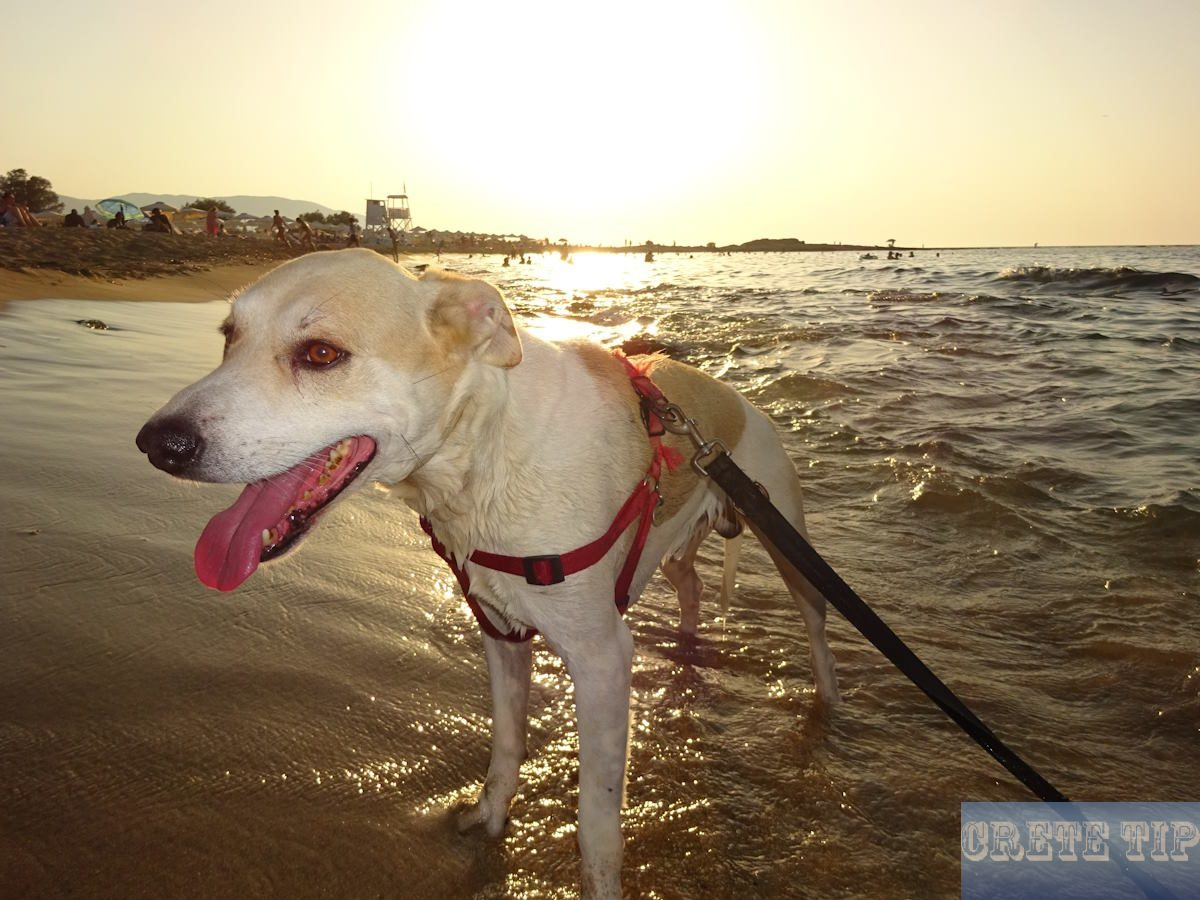
A brief yet powerful heatwave is approaching, with temperatures expected to soar to 40°C in several parts of Greece over the coming days. Meteorologists warn that while the spike in heat will be short-lived, its intensity could make conditions particularly challenging—especially at the start of the week.
According to forecasts, the heat will build steadily and peak on Sunday, July 19, and Monday, July 20, with Monday likely to be the most demanding day. In some inland areas, temperatures may reach or even exceed the 40°C mark for the first time this summer.
Which Areas Will Be Hit Hardest?
The highest temperatures are expected across mainland regions, particularly in Thessaly, Phthiotis, and parts of eastern and southern Greece. Cities such as Larisa and Lamia are forecast to experience the most intense heat, while elevated temperatures are also anticipated in Athens, Patras, and Heraklion.
These conditions can significantly increase discomfort, especially in urban areas where heat tends to accumulate due to limited airflow and dense infrastructure.
Relief on the Way
The good news is that the heatwave will not last long. Starting from Tuesday, July 21, temperatures are expected to gradually decline, with a more noticeable drop by Wednesday, July 22.
At the same time, a shift in weather patterns is likely to bring rain and localized thunderstorms, particularly across northern and central Greece. Thessaloniki is among the areas where rainfall signals appear strongest.
A Two-Phase Weather Pattern
Experts describe the upcoming period as unfolding in two distinct phases: an initial surge in heat followed by a rapid transition to cooler and more unstable conditions. This shift will first affect northern regions before moving southward.
Forecast models highlight a range of possible outcomes, but the overall trend points clearly toward a short, sharp heatwave followed by a noticeable cooldown.
Stay Prepared
Even a brief period of extreme heat can have significant impacts. Residents and visitors are advised to stay hydrated, avoid prolonged exposure to the sun during peak hours, and take necessary precautions—especially vulnerable groups such as the elderly and young children.



