

Newsflash from Thursday, 26 February 2026:
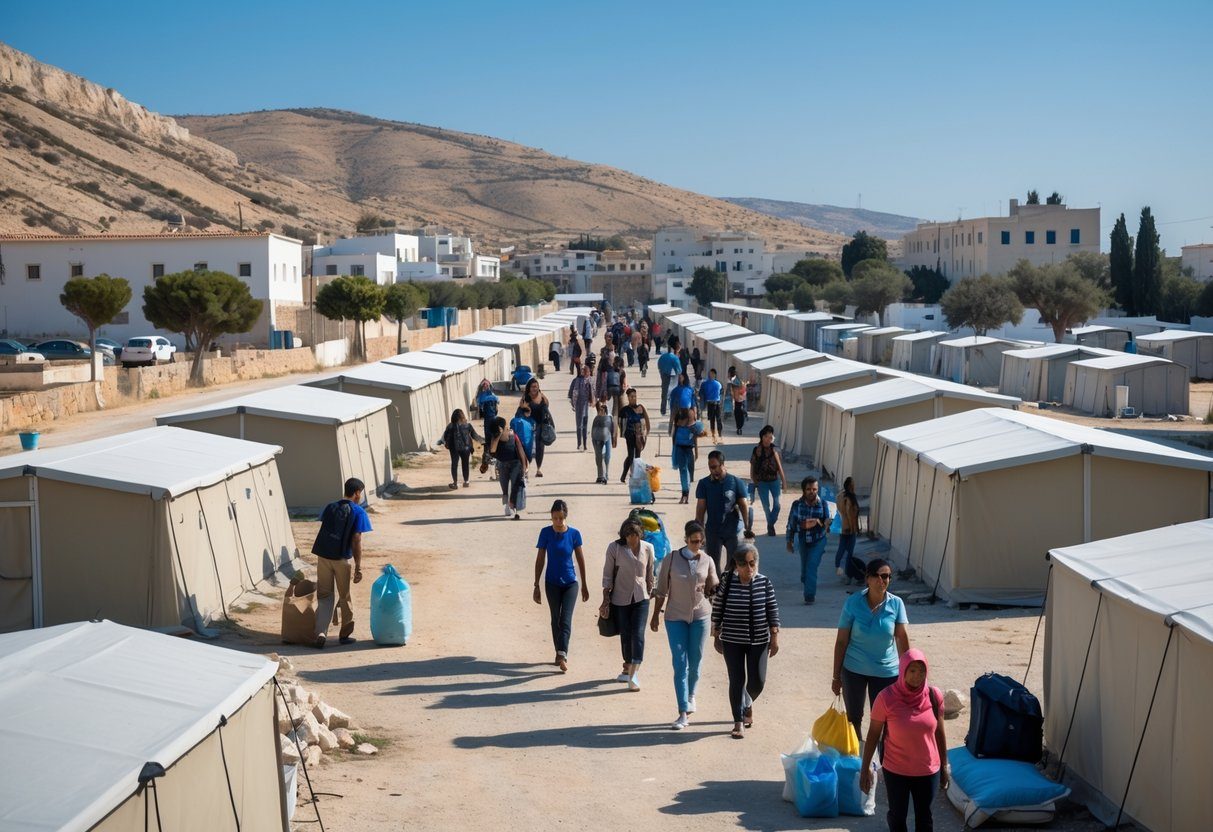
The island of Crete is bracing itself for what local authorities are calling a “difficult spring” as intelligence suggests a significant increase in migrant crossings from Libya over the coming months. In response, the Greek government is expediting the construction of two new reception centers in Chania and Heraklion to manage the anticipated humanitarian crisis and prevent overcrowding in existing facilities.
The Perfect Storm: Why Spring Brings More Arrivals
As winter weather subsides and sea conditions improve, smuggling networks operating out of Libyan ports are preparing for their busiest season. According to local authorities based in Chania and Heraklion, intelligence reports indicate that large populations are planning to attempt the journey to Europe in the coming months—potentially millions of migrants, primarily Sudanese nationals.
“The networks have their engines running,” one source noted, suggesting that criminal organizations are ready to capitalize on the calmer seas and increased demand for passage to Europe.
A Tragedy That Signals What’s to Come
The recent tragedy near Kalos Limenes—where approximately 25 migrants went missing—serves as a stark reminder of the dangers these journeys pose. Despite harsh winter conditions that typically deter crossings, smugglers continue to dispatch overcrowded wooden boats from Tobruk toward Crete, often with fatal consequences.
Coast Guard officials have collected testimony from survivors indicating that:
– Wooden vessels are being mass-produced for the crossing
– Life jackets are in short supply and not distributed to all passengers
– Many migrants cannot swim, yet safety equipment remains inadequate
– Smuggling fees range from 3,500 to 17,000 Libyan dinars per person (approximately €500 to €2,000)
Two New Reception Centers: A Proactive Response
Recognizing the urgency of the situation, Greek authorities are moving quickly to establish two temporary reception facilities:
Chania Reception Center
Located at the site of the former exhibition center in Agia, this facility will serve as a first-response point for migrants arriving on Crete’s western coast. It will provide temporary shelter, medical care, and processing services before migrants are transferred inland.
Heraklion Reception Center
Positioned within the industrial zone of Crete’s capital, this center will handle arrivals on the island’s eastern side, ensuring that no municipality bears an unmanageable burden.
Both centers are expected to be operational by May 2026.
Temporary Solutions, Permanent Concerns
These reception centers are designed as temporary facilities, where migrants will stay for only a few days before being transferred to reception facilities on mainland Greece. However, authorities acknowledge that if migration flows persist at high levels throughout the spring and summer, a more permanent reception facility may need to be established on the island itself.
“Even if only a small percentage of the projected migrants attempt to reach Europe through Greece, it will be enough to cause ‘suffocation’ in our current accommodation spaces,” officials stated, highlighting the scale of the challenge ahead.
The Route That Authorities Cannot Control
Unlike the established routes from Turkey to the Greek islands in the Aegean—where Turkish authorities can be notified to intercept boats before they depart—the Libya-to-Crete route presents unique challenges. Once vessels leave Libyan ports, Greek authorities have limited ability to prevent their departure or intercept them before they reach Greek waters.
This fundamental difference has made Crete increasingly attractive to smuggling networks over the past three years, transforming the island from a peripheral concern into a major migration hotspot.
Community Concerns and Long-Term Questions
The announcement of the new centers has sparked mixed reactions among Crete’s residents and local government officials:
– Tourism Industry: Concerns about the impact on the island’s critical tourism sector during peak season
– Local Resources: Questions about the strain on municipal services, healthcare, and infrastructure
– Integration: Long-term questions about how to manage large populations passing through the island
– Security: Community concerns about adequate policing and safety measures
What Comes Next?
As spring approaches, the Hellenic Coast Guard has increased patrols and heightened alert status. NGOs are coordinating with the Ministry of Migration to prepare humanitarian response protocols. Local authorities are working against the clock to ensure that the reception centers are fully staffed and equipped before the anticipated surge in arrivals.
The effectiveness of these preparations will be closely watched—not just by Greek officials, but by the international community monitoring Europe’s response to migration challenges in the Mediterranean.
The Human Cost
Behind the statistics and infrastructure plans are real human stories: families fleeing conflict and poverty, risking their lives on overcrowded boats piloted by smugglers with no regard for safety. While reception centers are necessary, they are ultimately a reactive measure addressing a much larger global crisis.
From War Zones to Work Fields: Why Sudanese Refugees in Crete are Seeing High Asylum Success Rates

As the migration landscape in the Mediterranean shifts, a new demographic is taking center stage on the shores of Crete and Gavdos. Recent data reveals a significant surge in arrivals from Sudan—a population that differs markedly from other migrant groups due to their high eligibility for international protection and their rapid integration into the Greek workforce.
Here is a look at why Sudanese refugees are becoming a focal point of Greece’s migration strategy and how they are transitioning from temporary camps to local industries.
The Changing Face of Arrivals in Crete
According to recent data processed by the organization RSA (Refugee Support Aegean), Sudan has become one of the primary countries of origin for those reaching Crete. In 2025, Sudanese nationals accounted for 37.3% of all arrivals on the island, followed closely by Egyptians (37.1%).
Unlike other routes where single men make up the vast majority of travelers, the Sudanese “wave” frequently includes entire families with young children. This demographic shift has prompted authorities to rethink how they manage reception and long-term stay.
Why Most Sudanese Qualify for Asylum
The reason behind the high rate of asylum approvals for Sudanese nationals is straightforward: the ongoing war.
Because Sudan is currently classified as a high-conflict zone, the majority of those arriving are legally entitled to refugee status. In 2025, Sudan ranked as the third-highest country for asylum applications in Greece, making up 13.3% of all requests nationwide.
Under international law, these individuals are not viewed as “economic migrants” but as war refugees, granting them a direct path to legal residency and the right to work.
From Camps to Classrooms: A Success Story in Integration
While the focus is often on the arrival of boats, the real story is what happens after. At the Koutsochero accommodation facility, approximately 500 Sudanese refugees are participating in a pilot program that is yielding “very good results,” according to Deputy Minister Sevi Voloudaki.
The program focuses on:
* Greek Language Intensive Courses: Breaking the communication barrier early.
* Vocational Training: Tailoring skills to meet local market needs.
* Agricultural Employment: Many have already begun working in local agricultural production, filling critical labor shortages in the region.
This transition from “guest” to “worker” is being hailed as a model for how Greece can handle the migration challenge by turning a humanitarian crisis into a boost for the local economy.
Infrastructure Bracing for 2026
With 99.4% of refugees arriving in Crete and Gavdos departing from Libya, the pressure on the island is mounting. In response, the Ministry of Migration is establishing two new temporary reception structures in Heraklion and Chania.
The goal is to move away from using makeshift spaces—like the old “fridge” facility at the Heraklion port—and toward organized centers where families can be processed with dignity before moving toward more permanent integration programs on the mainland.
The Human Cost of the Journey
Despite the successful integration of many, the journey remains perilous. The RSA has noted a significant increase in shipwrecks near Crete and Gavdos throughout 2025, with dozens of people still missing. For the Sudanese families who do make it, the high probability of being granted asylum offers a glimmer of hope after the trauma of war and the dangers of the Libyan Sea.
Key Statistics at a Glance (2025 Data):
* Sudanese Arrivals in Crete/Gavdos: 37.3%
* National Asylum Requests from Sudan: 13.3% (3rd overall)
* Departure Point: 99.4% of arrivals in Crete came from Libya.
* Total Arrivals (Greece): 48,298 (a 21% decrease from 2024, despite the surge in Crete).
Outsourcing Returns: Greece and EU Allies to Establish Migrant Return Hubs in Africa
In a significant shift in European migration policy, Greece has announced it is joining forces with several EU heavyweights to establish migrant return centers in third countries—specifically targeting the African continent.
The move, described by Greek officials as a transition from “theory to practice,” aims to solve one of the most persistent challenges in the European asylum system: what to do with individuals whose applications have been rejected but who cannot be sent back to their home countries immediately.
A Powerful New Alliance
Greece is not acting alone. Minister of Migration and Asylum Thanos Plevris confirmed that Athens is collaborating with Germany, the Netherlands, Austria, and Denmark. This coalition of nations is currently in discussions to set up these facilities outside the European Union’s borders.
While the specific host countries have not yet been named, Plevris noted that Africa is the preferred location, though not the only option under consideration. Larger European nations are currently leading the direct negotiations with potential host countries, with Greece playing an active role in the process.
The “Deterrent” Factor
According to the Ministry, these hubs serve a dual purpose. Beyond the logistical necessity of housing rejected asylum seekers, the prospect of being sent to a third-country center is intended to act as a major deterrent for those considering illegal entry into Europe.
“We are not speaking theoretically anymore; we are speaking practically,” Plevris stated, indicating that the primary framework for these centers is expected to take shape in the coming months, aligned with updated European return legislation.
The Numbers Game: Why Returns Matter
The push for overseas hubs comes as Greece struggles with a massive disparity between arrivals and deportations.
* Annual Arrivals: 40,000 – 50,000 people
* Annual Returns: 5,000 – 7,000 people
While illegal arrivals in Greece dropped by 21% in 2025 compared to the previous year, the backlog of individuals with rejected asylum status remains a significant administrative and social challenge. Plevris was firm on the government’s stance, asserting that “asylum is not for life” and can be re-evaluated if conditions in a migrant’s country of origin improve or if they pose a public safety risk.
Expanding Diplomatic Efforts
The strategy isn’t limited to building centers. Greece is also amping up its diplomatic pressure on countries of origin. This week, Plevris is scheduled to travel to Rome to meet with his Italian and Spanish counterparts. Crucially, they will also meet with a high-ranking minister from Pakistan to discuss greater cooperation on accepting returned citizens.
A Hardline Stance Amidst Criticism
This new initiative is part of a broader, increasingly “hardline” approach taken by the Greek government. While Athens celebrates the reduction in illegal flows—including a 40% drop over the last five months of 2025—it continues to face scrutiny from international human rights organizations.
The Greek Coast Guard has frequently been accused of “pushbacks”—the summary deportation of arrivals without allowing them to apply for asylum. The Greek government continues to strenuously deny these allegations, maintaining that its borders are managed in accordance with international law.
What This Means for the Future of the EU
The establishment of African return hubs would mark a turning point for the EU’s migration strategy, mirroring controversial models discussed (and in some cases implemented) by countries like the UK and Italy. As the framework develops over the coming months, all eyes will be on which African nations agree to host these centers and how the EU will ensure human rights standards are met outside its own borders.
What do you think about Crete’s preparations for the coming spring? Share your thoughts in the comments below.



