

News from Wednesday, 26 August 2026:
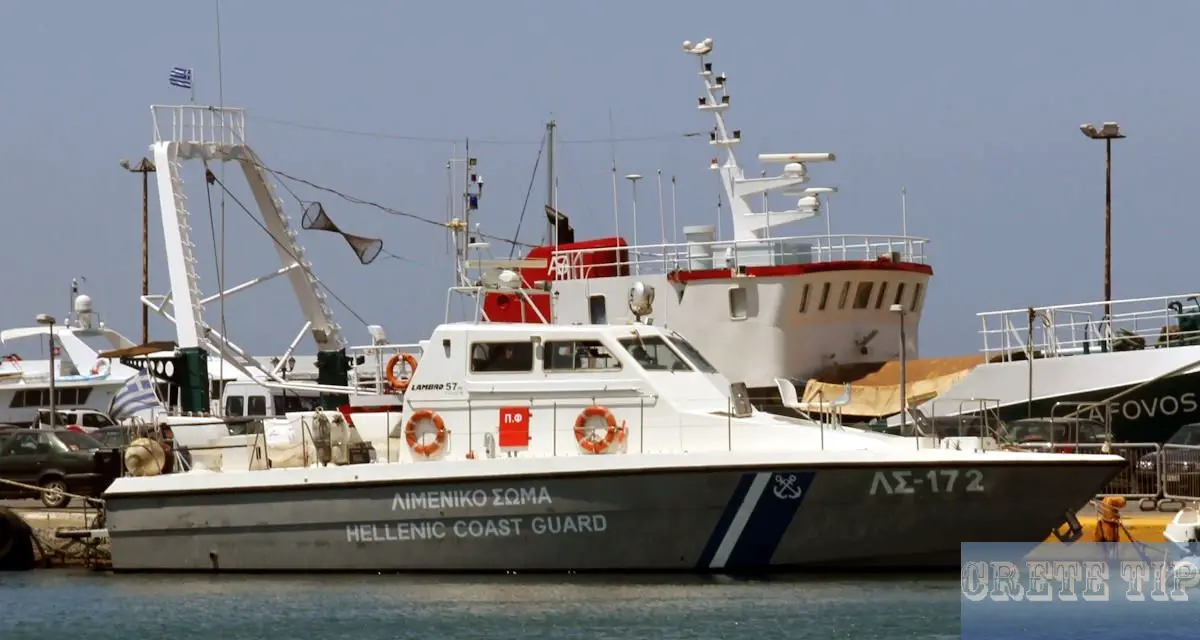
Migrant Crisis Escalates: Over 280 Rescued Off Crete’s Coast in 24 Hours
Greek authorities launched multiple rescue operations off the southern coast of Crete on Wednesday, August 26, 2026, rescuing more than 280 migrants from overcrowded boats. The coordinated effort by the Hellenic Coast Guard highlighted the ongoing challenges of migration across the Mediterranean Sea.
Four Separate Rescue Operations Near Ierapetra
Early Wednesday morning, authorities discovered and rescued four separate groups of migrants in the waters south of Ierapetra. Approximately 77 migrants were rescued about 50 nautical miles south of Ierapetra and transferred to a cargo vessel for safety.
Two additional boats carrying 70 and 71 migrants respectively were located southwest of Ierapetra in the early hours of the morning. All passengers were safely rescued and transferred to coast guard vessels for transport to port.

Another Major Rescue at Kalos Limenes
Simultaneously, authorities discovered a fourth boat carrying 67 migrants near Kalos Limenes on Crete’s southern coast. The rescue operation was conducted swiftly, with all passengers brought to safety without incident.
Combined with rescue operations that occurred on Tuesday, August 25, which saved over 80 additional migrants near Kalos Limenes, the total number of people rescued in less than 24 hours exceeded 280. This represents a significant surge in migrant arrivals to the island.
Diverse Origins of the Rescued Migrants
Among those rescued in Wednesday’s operations, 35 individuals were from Sudan, including 2 women and one 9-month-old infant. Additionally, 30 migrants were from Bangladesh, with one person each from Egypt and Eritrea.
The diversity of origins reflects the complex migration networks operating across North Africa and the Middle East. Many of these individuals are fleeing conflict, persecution, or extreme poverty in their home countries.
Processing and Accommodation Challenges
The rescued migrants are being processed and registered at the old municipal school in Makrilia on Crete. As of Wednesday evening, 245 migrants were housed at the facility, with authorities continuing registration procedures.
The Coast Guard stated that once processing is complete, the migrants are scheduled to be transported to Heraklion later in the evening. The influx has strained local accommodation and administrative resources.

Ongoing Migration Pressures on Crete
Crete, positioned on a major maritime migration route from North Africa to Europe, continues to experience regular arrivals of migrants attempting to reach the European Union. The island has been dealing with unprecedented numbers of arrivals in recent years.
Local authorities and humanitarian organizations have been working to manage the crisis, but resources remain stretched. The island’s geographic location makes it a natural gateway for migrants departing from Libya and other North African countries.
European Union Migration Policy Context
Greece has been on the front lines of Europe’s migration challenges, handling a disproportionate number of sea arrivals compared to other EU member states. The latest rescues underscore the ongoing humanitarian and logistical complexities of migration management in the Mediterranean.
Greece’s asylum processing system has faced criticism over delays and conditions, though authorities argue they are working within limited resources. The country continues to call for greater EU burden-sharing in managing migration arrivals.
Safety Concerns and Trafficking Networks
The boats carrying migrants are often unseaworthy and overcrowded, posing serious risks to passengers. Smuggling networks continue to operate despite increased enforcement efforts by coast guards across the Mediterranean.
Migrants pay substantial sums to smugglers for passage, often under false promises of safe travel and quick arrivals in Europe. Many face exploitation, abuse, and life-threatening conditions during their journeys.
What Happens Next for the Rescued Migrants
Once transported to Heraklion, the migrants will enter Greece’s asylum processing system. They will be registered, screened for health and security concerns, and eventually processed for asylum claims or deportation proceedings.
In the meantime, they will be provided with basic accommodation, food, and medical care. Non-governmental organizations work alongside authorities to provide support services and legal assistance.
Crete’s Police Force on the Brink: ELAS Officers Demand End to Migrant Transport Duties

Greece’s police force in Crete is stretched to its absolute limits, with officers publicly declaring that they can no longer sustain current operational demands. Police unions across the island have issued a joint complaint demanding immediate intervention from the government to address staffing crises and unsustainable workloads.
Joint Police Unions Issue Strong Statement
Police unions representing officers from all four Police Directorates in Crete released a joint announcement on August 25, 2026, expressing their serious concerns about current resource allocation. The unions emphasize that while solidarity with the Coast Guard remains strong, the systematic diversion of police personnel to manage migrant transports is unsustainable.
The statement distinguishes between providing emergency assistance to other security forces and the permanent assignment of police officers to routine migrant transport operations. Officers argue that this practice violates established protocols for inter-agency cooperation and undermines core policing functions.
Tourism Boom Compounds Staffing Pressures
Crete’s Police Directorates are already overburdened by seasonal demands from the island’s booming tourism industry during summer months. Police must manage security at airports, ports, beaches, and popular tourist destinations while maintaining order on increasingly congested roads.
The island is currently experiencing record tourist numbers, requiring extensive police presence to ensure visitor safety and manage traffic flow. This massive seasonal increase leaves minimal flexibility for additional duties such as migrant transport operations.
Major Infrastructure Projects Add to the Burden
Crete is undergoing extensive road construction, most notably the new Northern Road Axis of Crete (VOAKK) project, which significantly complicates traffic management. Police must enforce traffic regulations around construction zones, manage detours, and maintain safety at active worksites across the island.
The combination of tourism pressures and infrastructure projects has already stretched police resources thin. Adding systematic migrant transport duties has pushed the system to what officers describe as “the breaking point.”
Staffing Shortages Remain Critical
Despite urgent requests for additional personnel and equipment, the Crete Police Directorates continue to operate with significant staffing deficits. Officers report that they lack the basic resources needed to fulfill their primary law enforcement responsibilities.
The police unions emphasize that these shortages existed before the current migration crisis intensified. Rather than addressing root causes through additional hiring and resources, the government has responded by redirecting existing personnel to migrant management.
The Police-Coast Guard Relationship
Police unions make clear that their complaint is not directed at the Coast Guard or individual Coast Guard personnel. Officers emphasize that cooperation, solidarity, and mutual support between security forces are fundamental principles that they fully embrace.
The friction arises not from inter-agency conflict but from what police describe as an improper distribution of responsibilities. Police argue that migrant management and transport should be the primary responsibility of specialized agencies with dedicated resources, not diverted from general law enforcement.
Distinguishing Emergency Aid from Systematic Diversion
The unions acknowledge that police should provide emergency assistance when other security forces face critical situations. However, they argue that the current arrangement has evolved from emergency cooperation into systematic, ongoing reliance on police personnel.
Officers point out that providing occasional emergency support is fundamentally different from permanently dedicating police officers to routine transport of third-country nationals. The latter practice, they argue, violates proper administrative protocols and compromises police capacity to perform essential law enforcement duties.
Demands for Government Action
Police unions are calling for the immediate cessation of police involvement in migrant transport operations. They demand clear delineation of responsibilities between security agencies, with migrant management properly assigned to appropriate authorities with dedicated resources.
Additionally, unions are requesting significant reinforcement of both the Police and Coast Guard in Crete, as well as the creation of a permanent mechanism for managing migration flows. They emphasize that “the solution cannot be simply transferring the problem from one security force to another.”
The Broader Context of Migration in Crete
Crete has become a primary entry point for migrants attempting to reach Europe via maritime routes from North Africa. The island’s geographic location and accessibility from Libya have made it increasingly attractive to smuggling networks operating across the Mediterranean.
Recent months have seen dramatic increases in migrant arrivals, with hundreds rescued from boats in single operations. The surge has overwhelmed local accommodation facilities and administrative systems designed for much smaller numbers.
Government Response to Police Concerns
As of the announcement date, there has been no official government response to the police unions’ demands. The Ministry of Citizen Protection has not publicly addressed the specific concerns raised or indicated plans to modify current operational procedures.
Police unions have directed their formal complaint to the Minister of Citizen Protection, the Police Chief, and regional government officials. They expect a substantive response addressing the resource allocation and staffing issues they have identified.
Implications for Public Safety
If police resources continue to be diverted to migrant transport operations, overall public safety on Crete could suffer. Reduced police capacity for regular law enforcement, traffic management, and tourist area patrols could lead to increased crime and security incidents.
The situation highlights the broader challenge facing Greece as a frontline state for Mediterranean migration. Without comprehensive solutions addressing root causes and proper resource allocation, individual security agencies will continue to face unsustainable pressures.
Crete’s Coastguard Crisis: 11,500 Arrivals This Year as Thousands Wait in Libya for Passage

Crete is facing an escalating migration emergency, with over 11,500 migrants arriving on the island in 2026 so far, according to statements from local coastguard leadership. Officials are warning that this figure could surge dramatically once weather conditions improve, potentially matching or exceeding the record 21,000 arrivals recorded in 2025.
A Perfect Storm Waiting to Happen
George Sfakianakis, president of the Eastern Crete Coastguard Personnel Association, issued a stark warning: thousands of migrants are reportedly waiting in Libya for the opportunity to board boats heading toward Crete. He emphasized that once calmer seas arrive—what mariners call a “bonátsa”—a new wave of departures will likely occur.
The geographic reality is that Crete’s southern coastline, with its proximity to Libya, has become a primary gateway for migrants attempting to reach Europe. The island’s position makes it an inevitable focal point for smuggling networks operating across the central Mediterranean.

Exponential Growth Over Three Years
The migration pressure on Crete has grown dramatically in recent years, transforming from a manageable challenge into a crisis. In 2023, approximately 740 migrants arrived; in 2024, the number jumped to 5,100; and in 2025, Crete received approximately 21,000 arrivals across roughly 350 separate incidents.
Current 2026 figures of 11,500 arrivals in just eight months suggest the island is on track to match or exceed last year’s record. Sfakianakis stated that based on current trends and weather patterns, 2026 will likely close with figures comparable to 2025.
Southern Coasts Under Intense Pressure
The heaviest concentration of arrivals occurs along Crete’s southern coast, particularly in the Heraklion district and around the town of Ierapetra. Coastguard teams operating in these regions report dozens of incidents, with rescue operations becoming routine rather than exceptional events.
The vast expanse of open sea south of Crete creates significant challenges for monitoring and surveillance. Coastguard vessels must cover enormous areas to respond to distress calls and conduct rescue operations, stretching already-limited resources to the breaking point.
Urgent Calls for Coastguard Reinforcement
Sfakianakis and other coastguard representatives are demanding immediate reinforcement of personnel, vessels, and equipment on Crete. They argue that current resources are wholly inadequate to manage both the humanitarian aspect of rescues and the operational demands of processing and transport.
Local officials are calling for a comprehensive operational restructuring and increased staffing to handle what they describe as a crisis that demands urgent policy decisions and substantial resource allocation. The coastguard leadership emphasizes that protecting human life remains their primary mission, but that this goal cannot be achieved without adequate support.
International Cooperation Remains Critical
Officials stress that addressing the crisis requires enhanced cooperation between Greek and Libyan authorities. Greece has already provided three patrol vessels to support Libya’s coastguard and has trained Libyan personnel to improve maritime security on the Libyan side.
However, representatives argue that these efforts, while important, are insufficient without deeper political commitment and practical cooperation between the two nations. Stronger bilateral agreements and coordinated enforcement are necessary to reduce the number of dangerous departures.
The Human Element Behind the Numbers
Behind each arrival statistic are individuals and families seeking escape from conflict, persecution, or desperate poverty. According to Sfakianakis, most migrants view Greece as merely a transit point, with their ultimate goal being Western European countries.
The hazardous journey across the Mediterranean claims lives and causes immense suffering. Overcrowded, unseaworthy boats regularly encounter mechanical failures, severe weather, and other emergencies that require coastguard intervention.
Systemic Challenges in Processing and Accommodation
Even as coastguard personnel rescue migrants from the sea, the island faces severe challenges in accommodating, processing, and managing those who arrive. Facilities on Crete are often overwhelmed, with migrants frequently transferred to other islands or mainland locations.
The administrative burden falls on multiple agencies including police, health services, and social services, all of which report being stretched beyond capacity. Sfakianakis noted that other Greek islands with better-equipped asylum processing facilities handle cases more efficiently, but Crete lacks comparable infrastructure.
Weather as a Critical Variable
Seasonal weather patterns significantly affect migration flows. Winter storms and rough seas deter smugglers and migrants, reducing departures from Libya. However, as spring and summer arrive with calmer conditions, activity increases dramatically.
Current forecasts suggest improving weather conditions ahead, which Sfakianakis warned could trigger another surge in departure attempts. The cyclical nature of these seasonal patterns means officials can predict pressure periods but lack sufficient resources to manage the anticipated influx.
A Crisis Requiring Comprehensive Solutions
Coastguard officials argue that managing the migration crisis requires multifaceted approaches combining maritime enforcement, diplomatic cooperation, adequate asylum processing capacity, and humanitarian response mechanisms. No single solution can address the complexity of the challenge.
Without comprehensive action—including coastguard reinforcement, improved cooperation with Libya, enhanced processing facilities, and equitable burden-sharing among EU member states—Crete will continue facing overwhelming pressure. The window for preventive action is narrowing as weather conditions improve.
Looking Ahead: Grim Projections
If current trends continue and additional thousands depart from Libya as weather permits, Crete could receive 20,000 or more arrivals by the end of 2026. This would represent a humanitarian and logistical challenge of unprecedented scale for the island’s emergency services and administrative systems.
The urgent calls for coastguard strengthening reflect the seriousness with which local officials view the situation. Without immediate intervention and resource allocation, they warn, the crisis will only intensify.
Sources:
- Nea Kriti – Alert south of Crete: Over 280 migrants found in boats
- Nea Kriti – Two rescue operations near Kalos Limenes: More than 80 migrants rescued
- Nea Kriti – “ELAS at its limits in Crete”: Stop migrant transports—Joint complaint from police unions
- Nea Kriti – G. Sfakianakis: “Once the weather calms down, we will have a renewed surge in migrant flows”



