

Hefty rent increases in Greece and Crete, Greece worst in Europe for housing situation and the vicious circle of rents in Crete: from “black” rental contracts to high inflation and tax evasion. The restoration of unused and blocked properties is intended to remedy the situation.
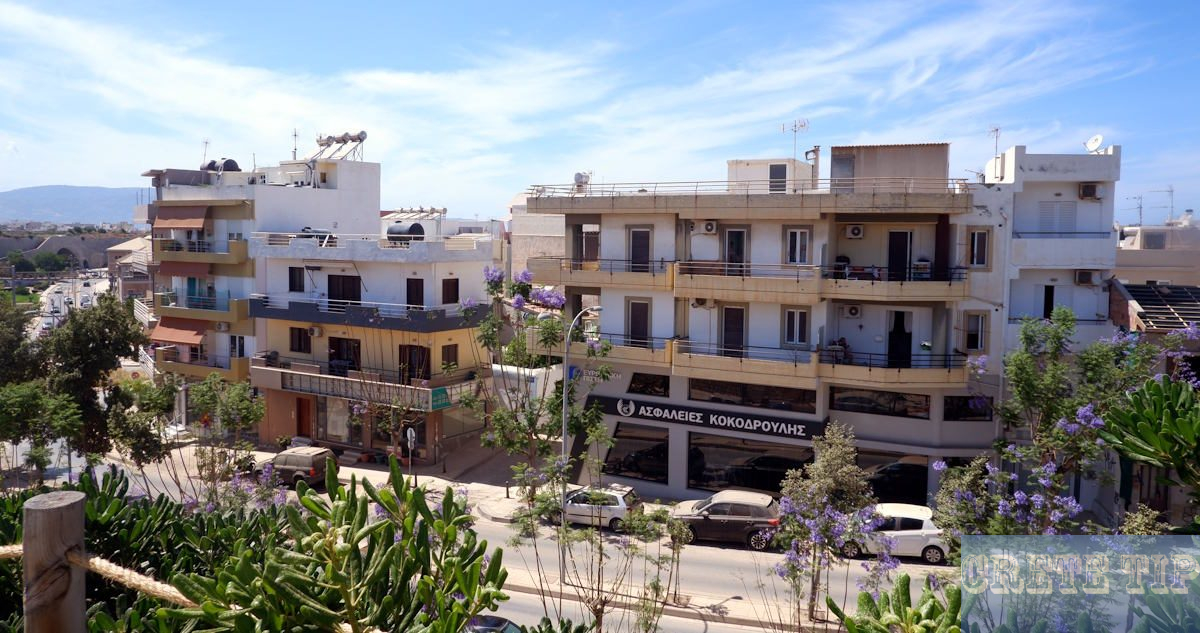
Sharp rent increases in Greece
Many rental flats are old, small and yet really expensive. This makes it difficult for many people to find affordable housing at all.
Despite rent rebates and other assistance, rents remain high. This only exacerbates the housing shortage.
New flats are being built, especially smaller units. Nevertheless, average rents continue to rise sharply.
Almost everywhere in Greece, tenants are now paying more than they did last year. This is particularly noticeable in the cities.
Rental prices for flats
In the third quarter of 2025, rents in Greece continue to rise. Cities such as Athens and Thessaloniki are seeing particularly sharp increases.
In the centre of Athens, the price per square metre is now around €11.52. In the northern and southern suburbs, the price is around €11.54 and €13.10 per square metre respectively.
The western and eastern suburbs are slightly cheaper at around €9 to €9.3. It is striking that prices in the western suburbs in particular have risen by almost 8% compared to the previous year.
In Thessaloniki, the rent in the city centre is around €10.42 per square metre. In the surrounding communities, prices are falling slightly in some cases, as in the more distant districts, where they are €4.40 per square metre – over 2% less than last year.
In the Cyclades, you pay around €12 per square metre. In more rural areas or less densely populated regions, it usually remains cheaper.
Examples: In Achaia, Larisa and Heraklion, rents range between €8 and €10 per square metre. The differences are really significant.
Some regions, such as Arta (+24.4%) and Florina (+39.1%), are experiencing sharp price increases. In areas such as Argolida and Messinia, on the other hand, prices are actually falling slightly.
Region | Rental price Q3 2025 (€/m²) | Rental price Q3 2024 (€/m²) | Change (%) |
|---|---|---|---|
Athens – Centre | 11.52 | 10.71 | +7.6 |
Athens – Northern suburbs | 11.54 | 11.30 | +2.1 |
Athens – Southern suburbs | 13.10 | 12.84 | +2.0 |
Athens – Western suburbs | 9.09 | 8.43 | +7.8 |
Athens – Eastern suburbs | 9.29 | 8.87 | +4.7 |
Thessaloniki – City | 10.42 | 9.67 | +7.8 |
Cyclades | 12.00 | 11.67 | +2.8 |
Florina | 7.11 | 5.11 | +39.1 |
Arta | 7.50 | 6.03 | +24.4 |
Argolis | 7.89 | 7.57 | +4.2 |
Prefecture of Heraklion | 10.00 | 9.17 | +9.1 |
Prefecture of Rethymno | 9.83 | 10.00 | -1.7 |
Chania Prefecture | 10.00 | 9.03 | +10.7 |
Lasithi Prefecture | 8.00 | 7.78 | +2.8 |
Expensive regions are usually found near large cities or popular holiday destinations. In rural areas, prices often remain lower or even fall.
In the north and on the mainland, there are regions where average rents are falling. In the current situation, this is rather the exception.
What is particularly striking?
- The southern suburbs of Athens lead the ranking with around £13 per square metre.
- Island regions such as the Cyclades remain stable, with only small increases.
- Remote or sparsely populated areas such as Pella or Grevena are often below £5 to £6 per square metre.
- The market shows large regional differences and remains quite dynamic.
Those who want to live in expensive neighbourhoods or on popular islands are not having an easy time of it at the moment. The selection of affordable flats is becoming increasingly limited.
Prospective buyers should take a close look at the price differences. Sometimes it is worth looking at neighbouring neighbourhoods or regions – you may find a better deal there.
Hot November for rents
Rents continue to rise in November 2025. A pause? Not a chance.
In the greater Athens area, the average price climbs to €12.19 per square metre. That’s even more than on the popular Aegean islands.
The increase over the previous year is 2.27%. That sounds moderate, but in the inner-city districts and western suburbs, prices are really skyrocketing.
Rents are now extremely high in these areas in particular. The southern districts remain expensive and in demand anyway.
Rising property prices are driving rents up further. Anyone who wants to buy has to pay high prices – and that has a direct impact on rents.
Tenants often have to pay more, even for smaller flats or less popular locations. This puts pressure on their budget.
Rent trends in November 2025
Area | Average rent (€/m²) | Change from previous year (%) |
|---|---|---|
Athens metropolitan area | 12.19 | +2.27 |
City centre districts | Significantly higher than average | Rising sharply |
Western suburbs | Rising sharply | Rising sharply |
Southern suburbs | High, but established price | Stable to rising slightly |
Those searching with a limited budget are finding it increasingly difficult, especially in the city. Even traditionally cheaper neighbourhoods are catching up in terms of price.
Many landlords are increasing rents as soon as demand rises – even in less sought-after areas. This is putting households under considerable pressure.
The market remains tense, and hardly anyone expects the situation to ease quickly. Rising prices affect tenants and buyers alike.
What is driving up rents?
- High demand for flats in central and well-connected neighbourhoods
- Higher property prices have a direct impact on rents
- There is too little affordable housing
- Many flats are used as investment properties
Young people and families who depend on the city are particularly under pressure. Landlords often prefer tenants with higher incomes, and long-term tenancies are becoming less common.
Making the rental market more secure and affordable remains a real challenge. Even in November 2025, many households are still feeling the strain of high rents.
Statement by the Court of Auditors on Golden Visas and short-term rentals
The Court of Auditors takes a rather critical view of the situation on the housing market. Subsidies and relaxed credit conditions help, but they are not enough.
More living space simply has to be created and made available. That sounds simple, but it is a real challenge.
The Court of Auditors has put forward a few suggestions to address this:
- Invest more money in the construction of new flats
- Renovate vacant buildings – there is a lot of potential there
- Use properties that banks hold after loan defaults
- Bring together the public and private sectors in housing construction
- Less bureaucracy in construction and property transfer
- Clearer rules and greater certainty in building regulations
The Court of Auditors is also scrutinising programmes such as Golden Visas. These make it easier for foreigners to buy property, which has its advantages, but not only.
According to the Court of Auditors, stricter rules on property purchases by non-residents or for short-term rentals could help. This would make flats slightly more accessible for locals again.
However, the positive aspects should not be forgotten: increased tax revenue, tourism and additional sources of income for many households also play a role.
It remains a balancing act between investment and protecting housing for local people. The question is how to manage this sensibly without creating more problems in the end.
Greece has the worst housing situation in Europe
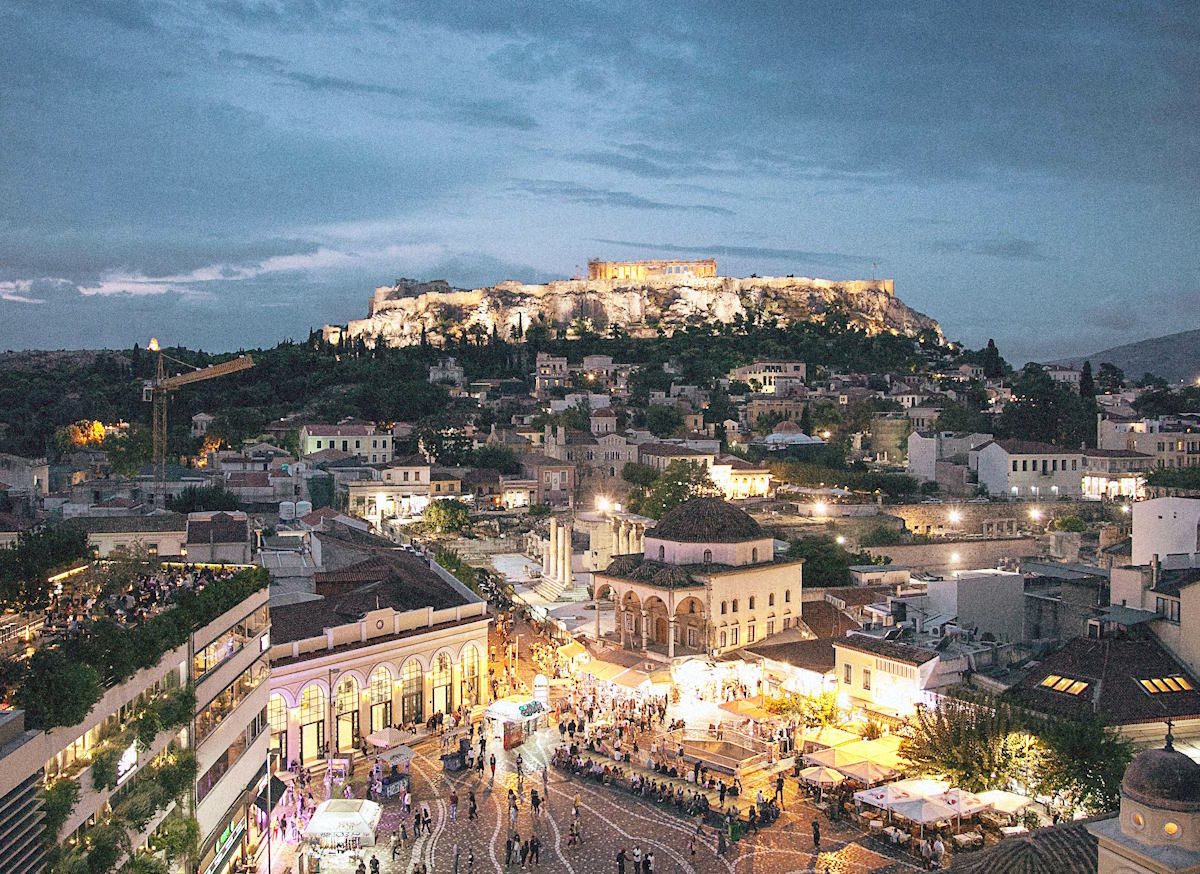
Greece ranks at the bottom of the European league table when it comes to affordable housing. Many people spend more than 40% of their income on rent or housing costs.
This makes life really difficult for a lot of people.
Three important figures that illustrate the problem
- 29.1% of people in Greek cities spend over 40% of their income on housing.
- In rural areas, the figure is 27.7%, which is almost as high as in cities.
- By comparison, the figure for Europe as a whole is only 10% in cities and 6% in rural areas.
The problem therefore affects the whole country, not just the major cities.
Three warning signs that are exacerbating the situation
- Declining home ownership rate
Fewer and fewer Greeks live in their own house or flat. As a result, more people are dependent on the rental market, which is more expensive and less secure. - High proportion of unpaid housing costs
Many households are unable to pay their rent, loans or electricity bills on time. This leads to debt and insecurity. - Unfavourable income-to-expenditure ratio
In other countries with similar rental costs, people often earn more. In Greece, after housing costs, there is hardly any money left for anything else.
Why Greece is particularly affected
Greece invests little in new housing. New flats are rarely built, and old ones are often in poor condition.
Rising rents and house prices further exacerbate the problem.
Key figure | Greece | EU average |
|---|---|---|
Proportion with >40% expenditure on housing (cities) | 29.1% | 10% |
Percentage with >40% expenditure on housing (rural areas) | 27.7% | 6% |
Home ownership rate | Low | High |
Looking at these figures, it is hardly surprising that Greece is in such a difficult situation.
Other contributing factors
- Energy and ancillary costs are constantly rising. This hits low-income households particularly hard.
- Low savings reserves mean that many families have hardly any reserves for emergencies.
- Social support is often insufficient to cushion the pressure.
For many people in Greece, housing remains a real financial burden – whether in the city or in the countryside.
The vicious circle of rents in Crete: from “black” rental contracts to high inflation and tax evasion
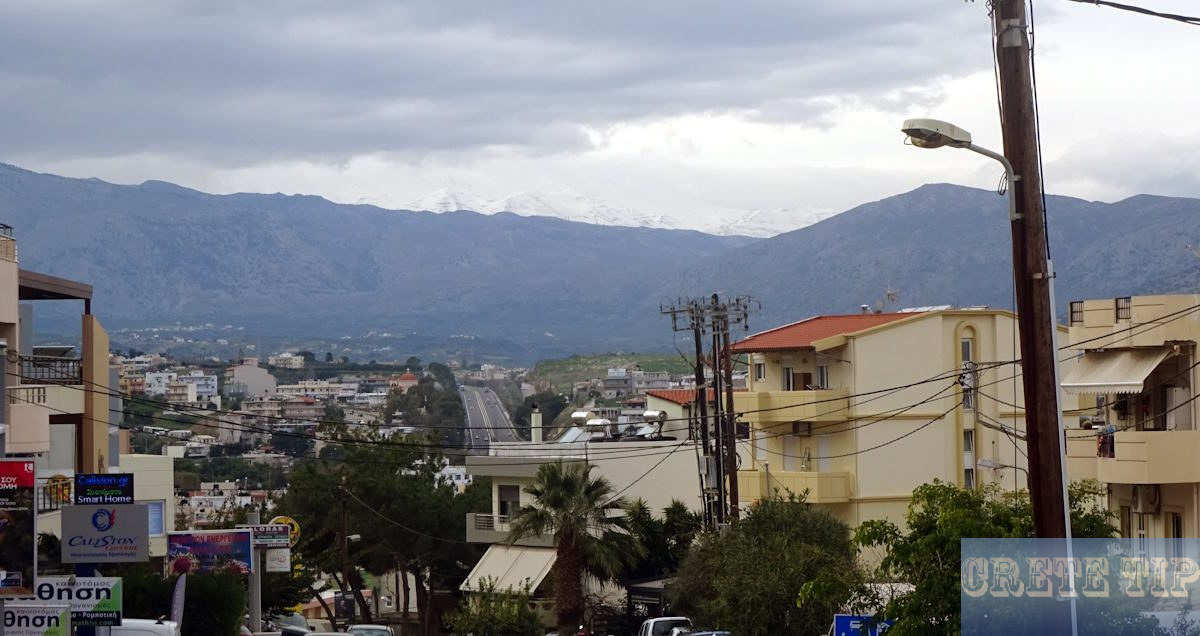
Many landlords in Crete do not declare their actual rental income correctly. They often either report nothing at all, report too little, or stick to ancient contracts that no longer reflect current prices.
As a result, tenants often end up paying more, while the market is hardly regulated. The tax authority (AADE) has now started to take a closer look.
In Crete in particular, many cases have come to light where the reported rents were far too low. In Chania, for example, a 107-square-metre flat was reported for only €5 per month – no one believes that.
The situation is similar in other parts of Greece. Sometimes landlords report €10 for 30 square metres, for example in Attica.
The rental market in Crete reflects these problems quite accurately. Many tenancies are in a grey area or have no contract at all.
From the beginning of 2026, the AADE wants all rent payments to go through banks. This is intended to take cash out of the equation and improve control.
Until then, the situation will remain difficult. Many of those affected turn to consumer protection associations, which mediate and collect complaints.
Important points about the rental market in Crete:
Topic | Description |
|---|---|
Unclear tenancy agreements | Many contracts are missing or incorrectly reported. |
Low or undeclared rents | Landlords often declare amounts that are too low in order to save on taxes. |
Tax audits | The AADE is now conducting more frequent audits and wants to introduce bank payments. |
Consequences for tenants | Tenants pay more, but without clear contracts they are often not protected. |
Role of consumer protection agencies | They mediate and document complaints between tenants and landlords. |
In Crete, tax evasion, rising living costs and tenant protection are closely linked. The planned measures could bring more transparency, but until then, much remains rather unclear. And tenants are particularly hard hit.
Plan to solve the housing problem: Thousands of blocked properties to be activated

The government is currently working on a fairly comprehensive programme that aims to finally revitalise many vacant flats. In Greece, more than 700,000 houses stand empty – for a variety of reasons.
Sometimes debts or inheritance disputes block access. Other houses are simply so dilapidated that they urgently need renovation.
This is particularly noticeable in Athens, where almost 117,000 flats stand empty. That is actually almost one in four flats in the city.
Many of these flats are ancient, over 35 years old – so you usually have to invest a lot of money before anyone can move in. The owners would often like to renovate, but they simply don’t have the money.
Legal hurdles such as inheritance disputes or outstanding debts further block many properties. Between 2010 and 2020, people renounced almost 600,000 inheritances.
This increases the number of houses that simply no one uses or sells. When they eventually become available again, they usually require a considerable amount of renovation work.
The government plans to roll out a new renovation programme in 2026. It is to be the first in Europe to provide full funding for private homes with European money.
Around 500 million euros are to be made available for this purpose. The programme will not only cover minor repairs, but also complete renovations.
On top of that, there will be tax breaks and more financial support – especially for young people who would otherwise be unable to afford their own home.
Energy-saving measures are also included. This will make old buildings not only more comfortable to live in, but also more efficient.
Another idea is to finally repurpose public properties and former military sites and make them available as living space. This could be particularly beneficial in cities.
Key points of the programme:
- Support for complete renovations of private homes
- Use of 500 million euros in European funds
- Tax relief for owners
- Financial support for young buyers
- Energy-efficient modernisation of old buildings
- Activation of public and former military land for housing construction



