

Newsflash from Tuesday, 30 June 2026:
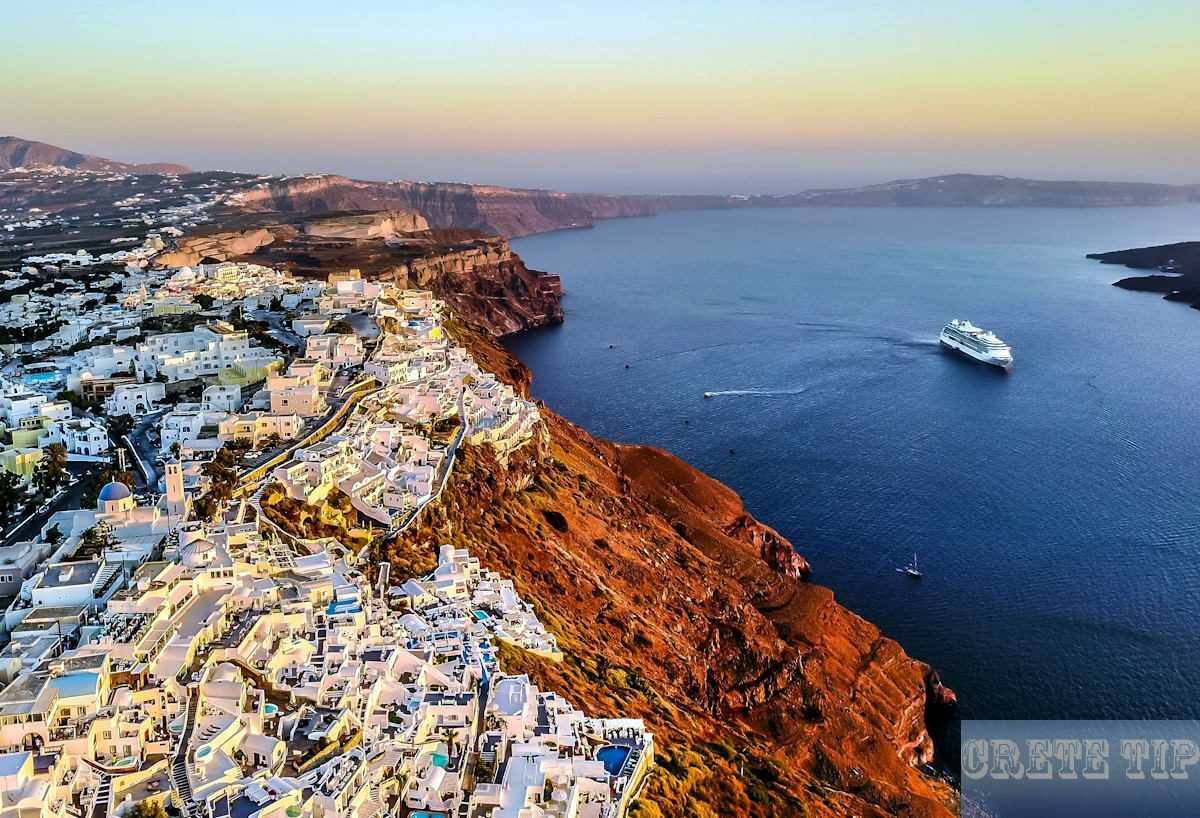
Changes in port management spark concern as major cruise operator pulls scheduled visits
The first cruise ship cancellations for Santorini in 2026 are now a reality, signaling early turbulence for one of the Mediterranean’s most iconic destinations. Industry observers are already calling this a warning sign for the island’s cruise sector, as new operational measures begin to reshape how visitors arrive and move through the port.
Viking Cruises, a key player in the region with a strong and consistent presence in Greece, has canceled two scheduled calls of its luxury vessel “Viking Star”, originally planned for July 9 and July 13, 2026. Given the company’s prominence and long-term investment in the Greek market, the move is being interpreted as more than a routine schedule adjustment.
“When a company like Viking revises its itinerary, the market cannot treat it as a simple operational change,” industry insiders note. “It’s a development that raises serious concerns.”
What’s Behind the Cancellations?

At the center of the issue is a newly implemented management model known as the “70%-30% rule”, introduced by the Santorini Port Authority. The measure aims to regulate passenger disembarkation between Athinios port and the old port of Fira, in an effort to reduce congestion.
However, stakeholders argue that the legal basis cited for the measure—linked to a ministerial decision—primarily concerns vehicle traffic at Athinios and does not explicitly regulate passenger distribution. This has raised questions about both the interpretation and enforcement of the policy.
Critics also point out that these restrictions appear to target cruise operations disproportionately, while ferry services and other port activities remain unaffected, creating concerns over fairness and equal treatment.
From Congestion to Chaos?
Rather than solving overcrowding, some industry professionals warn that the new system may simply be shifting the problem elsewhere. Reports indicate that the old port of Fira is experiencing long wait times at the cable car, overcrowding, and visitor frustration—issues that risk damaging Santorini’s global reputation.
The cable car, a key transport link between the port and the town of Fira, has become a bottleneck. With round-trip fares reaching €20 per passenger, questions are also being raised about cost, accessibility, and the management of revenues.
There have even been allegations of “express boarding” options at higher prices, further fueling criticism over transparency and equitable service.
Economic Impact and Industry Reaction
The implications of these cancellations extend beyond cruise lines. Each missed port call represents lost revenue for local businesses, including transportation providers, restaurants, tour operators, and retailers.
Industry representatives have also criticized the apparent lack of consultation prior to implementing the new measures. Some report that the absence of dialogue between authorities and cruise stakeholders has already led to tensions and mobilizations within the sector.
While most agree that managing overtourism in Santorini is essential, many question whether the current approach is effective—or sustainable.
What Happens Next?
The coming weeks are expected to be critical. With Santorini remaining one of the top cruise destinations in the Mediterranean, further cancellations could have ripple effects across the broader Greek tourism industry.
Calls are growing for a reassessment of the current framework and a return to a more balanced, functional system—one that ensures smooth passenger flow without compromising the visitor experience or local economy.
For now, all eyes are on Santorini as it navigates the delicate balance between sustainability and tourism demand.
Source
hania.news – First cancellations in Santorini’s cruise sector



