

Newsflash from Saturday, 25 April 2026:

Summer Travel Alert: EU Warns of Flight Cancellations and Soaring Ticket Prices
If you are planning a European getaway this summer, you might want to double-check your budget and your flight status. European Union officials are sounding the alarm, warning that geopolitical tensions in the Middle East could lead to a turbulent season for travelers, characterized by grounded planes and record-high ticket prices.
From a “Price Crisis” to a “Supply Crisis”
The primary concern stems from the potential closure of the Strait of Hormuz due to the ongoing conflict involving Iran. EU Energy Commissioner Dan Jorgensen has warned that the current “price crisis” regarding fuel could quickly escalate into a “supply crisis.”
“If there is no fuel for planes, then there simply isn’t any,” Jorgensen stated bluntly. He cautioned that if the geopolitical situation does not stabilize, travelers should prepare for a wave of flight cancellations and significantly more expensive tickets as airlines struggle to secure necessary fuel.
Airlines Already Feeling the Squeeze
The pressure is already manifesting across the industry. The Lufthansa Group has already announced the cancellation of more than 20,000 flights in the coming months. Other carriers are following suit, hiking prices—particularly on long-haul routes—to absorb the skyrocketing costs of jet fuel.
According to the International Energy Agency (IEA), significant supply disruptions could appear within the next 5 to 6 weeks if tensions persist.
The Massive Cost of Energy Dependency
The economic impact on the EU is staggering. Since the start of the conflict in the Middle East, the EU’s fossil fuel import bill has surged by over €24 billion—an average increase of more than €500 million per day.
Teresa Ribera, Executive Vice President of the European Commission, emphasized that energy policy is now inextricably linked to economic and geopolitical security. The EU is currently looking to accelerate the transition to “clean, domestic solutions” to reduce vulnerability to such external shocks.
Is a “Staycation” the Answer?
With uncertainty looming, some officials are offering practical, if sobering, advice. Pierluigi Di Palma, head of the Italian Civil Aviation Authority, suggested that citizens consider vacationing within their own countries this year. Beyond the rising costs, he noted that the “psychological factor” of the conflict is already beginning to dampen international travel demand.
What the EU is Doing
To mitigate the impact, the European Commission is planning a coordinated intervention to ensure fuel adequacy for the summer. Measures under consideration include:
* Optimizing refinery output.
* Strengthening strategic fuel reserves.
* Increasing cooperation between member states.
The Bottom Line for Travelers
This summer is shaping up to be a challenging one for the aviation sector. With fewer flight options, higher costs, and a cloud of uncertainty, travelers are advised to book early, consider travel insurance, and stay informed about potential disruptions to their itineraries.
Are you changing your travel plans this summer due to rising costs? Let us know in the comments below!
Price Lock Guaranteed: Jet2 Defies Rising Fuel Costs with No-Surcharge Policy
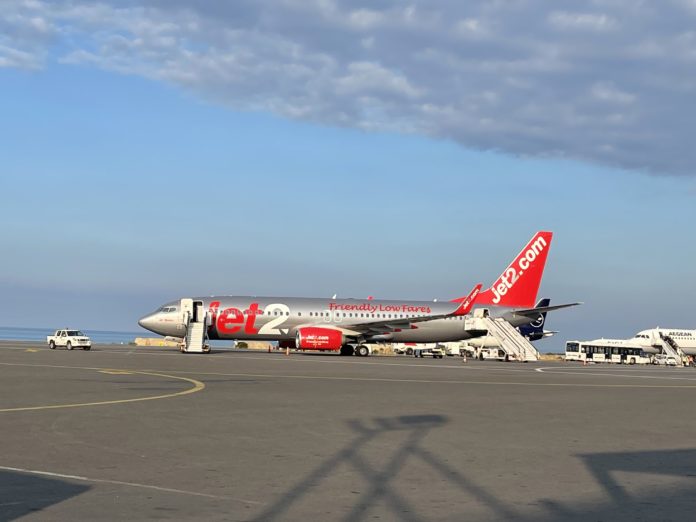
While the travel industry buzzes with rumors of potential price hikes and “fuel surcharges,” Jet2 is taking a bold stand for its customers. In a move that cements its reputation as a “Customer First” operator, the company has officially scrapped the provision for additional surcharges on all flights and holidays.
This means that once you book your trip, the price you see is the price you pay—period.
Locking in Your Holiday Price
Amidst rising global fuel costs and geopolitical uncertainty, many travelers fear that airlines might pass on extra expenses even *after* a booking has been made. Jet2 has addressed this anxiety head-on by removing the surcharge clause from its terms and conditions.
While the company notes it has never actually applied such surcharges in the past, this official commitment provides absolute certainty for holidaymakers. Whether you book via their website, mobile app, call center, or an independent travel agent, your price is “locked in.”
A “Customer First” Approach
Steve Heapy, CEO of Jet2.com and Jet2holidays, emphasized the importance of transparency in the current climate.
*”Holidaymakers should have every right to book their break in the sun without worrying about being hit with additional costs,”* Heapy stated. *”As a result of today’s announcement, customers booking with Jet2 know they are locking in their price without any additional cost surprises later.”*
Why Jet2 Continues to Lead the Market
This latest move is part of a long-standing strategy that has seen Jet2 earn the “Which? Recommended Provider” status across seven categories, with Jet2.com holding the distinction for 11 consecutive years.
Beyond the “no-surcharge” promise, the company continues to offer traveler-friendly perks, including:
* Low Deposits: Secure your holiday for just £60 per person.
* Flexible Payments: Part-payment plans to help manage holiday budgets.
* Award-Winning Service: A consistent focus on care before, during, and after the flight.
What’s Not Included?
It is important to note that this policy applies to the cost of the flight and holiday package itself. It does not include local tourist taxes, which are typically paid directly to the accommodation provider at the resort during your stay.
The Bottom Line
As we head into what is expected to be a record-breaking summer season, Jet2’s decision to absorb rising operational costs rather than passing them to the consumer is a significant win for travelers. For those looking to escape the stress of inflation and fluctuating fuel prices, Jet2 is positioning itself as the safest bet for a worry-free summer.
Source: Money-Tourism
The End of Free Carry-Ons? Lufthansa Group Unveils New “Economy Basic” Fare Without Hand Luggage
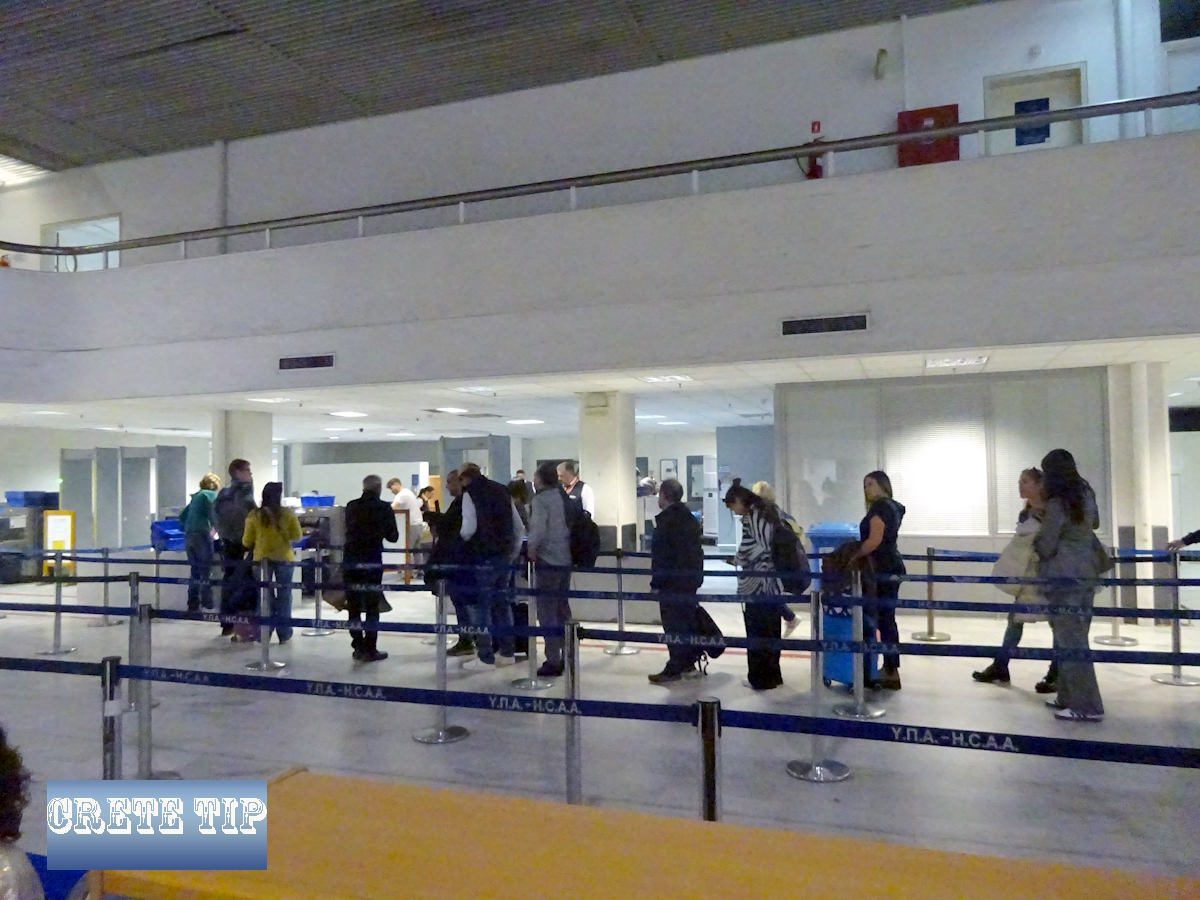
If you’re used to hopping on a Lufthansa flight with a standard rolling carry-on bag for free, it’s time to double-check your next booking. The Lufthansa Group has announced a major shift in its pricing structure, introducing a new entry-level fare that strips away the traditional hand luggage allowance.
Starting April 28, 2026, for travel beginning May 19, 2026, the group is launching the “Economy Basic” fare on selected short and medium-haul routes. Here is everything you need to know about this new “no-frills” way to fly.
What is the “Economy Basic” Fare?
The new Economy Basic fare is designed as a low-cost entry point for travelers. However, the savings come with a significant catch: passengers are only permitted one small personal item.
* Allowed: One item that fits under the seat in front of you (e.g., a laptop bag or a small rucksack).
* Maximum Dimensions: 40 x 30 x 15 cm.
* Not Included: A standard overhead cabin suitcase (trolley).
If you decide you need a larger carry-on bag after booking this fare, you will have to pay an additional fee, which starts at €15.
Which Airlines are Affected?
This policy isn’t just limited to Lufthansa. The change is being implemented across the entire Lufthansa Group portfolio, including:
* Lufthansa
* SWISS
* Austrian Airlines
* Brussels Airlines
* Discover Airlines
* Lufthansa City Airlines
* Air Dolomiti
Why the Change?
Lufthansa justifies the move by citing “changing passenger behavior.” The airline argues that many travelers, particularly those on day trips or short business commutes, do not require overhead bin space. By offering a cheaper “Basic” tier, the airline claims it is providing more flexibility for those who want to travel light and pay less.
This move aligns the Lufthansa Group more closely with the business models of low-cost carriers like Ryanair and EasyJet, as well as other traditional European carriers that have already moved toward “unbundled” fares.
What Happens to “Economy Light”?
To avoid confusion, the existing Economy Light fare is getting an upgrade. While Economy Light will still include a carry-on bag, it will now offer increased flexibility, allowing passengers to rebook their flights for a fee—a feature previously unavailable for the cheapest tickets.
With these changes, Lufthansa will now offer four distinct tiers in Economy Class and three in Business Class, aiming to capture every segment of the market from budget-conscious backpackers to premium business travelers.
Consumer Backlash and Legal Hurdles
The decision has not been met with universal praise. The European Consumer Organisation (BEUC) has already expressed concerns, and there are reports that legal challenges may be on the horizon. Consumer advocates argue that a standard piece of hand luggage should be considered an essential part of air travel and not a “luxury” add-on.
The Bottom Line for Travelers
When booking your next flight through Lufthansa or its subsidiaries, pay close attention to the fare labels. If you choose “Economy Basic” to save money, make sure your belongings can fit into a small backpack, or be prepared to pay the extra €15 at the gate.
Source: Money-Tourism .gr
Lufthansa’s Summer Shake-Up: 20,000 Flights Cancelled Amid Rising Fuel Costs
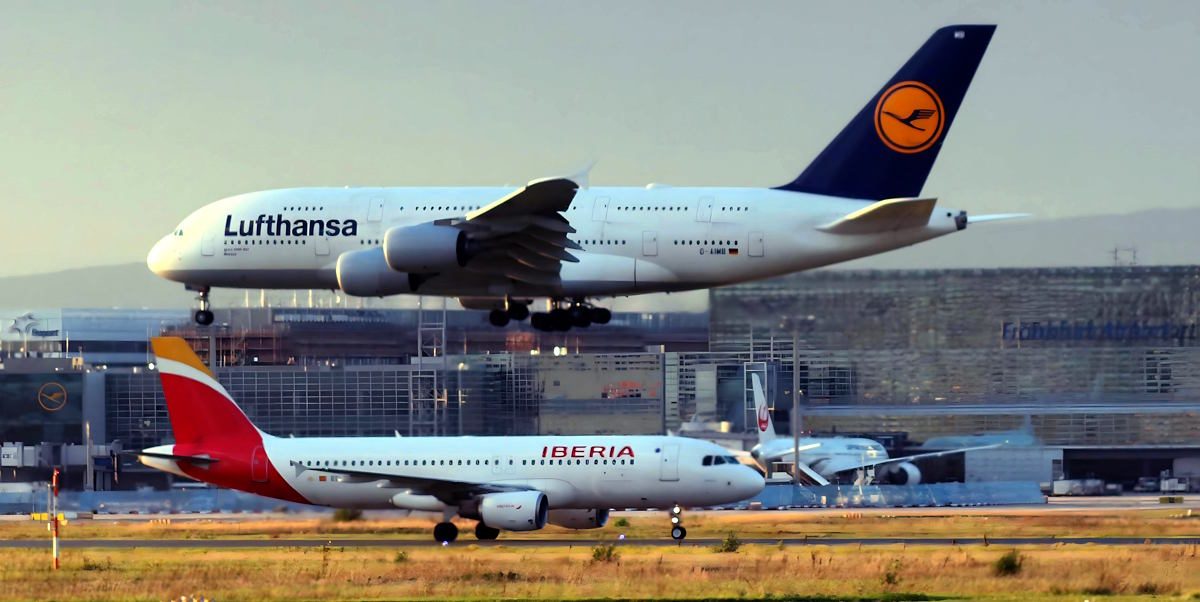
Travelers planning to fly with the Lufthansa Group this summer should prepare for a significant shift in the airline’s schedule. In a strategic move to combat skyrocketing fuel prices and optimize its network, the aviation giant has announced the removal of 20,000 short-haul flights from its program through October 2026.
Here is a breakdown of why these changes are happening and how they might affect your summer travel plans.
The “Fuel Shock” Factor
The primary driver behind this massive reduction is the current geopolitical climate. Since the outbreak of the conflict in Iran, the price of jet fuel has effectively doubled. By cutting 20,000 flights, the Lufthansa Group aims to save approximately 40,000 metric tons of fuel.
While the 20,000-flight figure sounds staggering, it represents a 1% reduction in the group’s total summer capacity (measured in available seat kilometers). The airline is specifically targeting unprofitable short-haul routes to ensure the long-term stability of its global network.
Hub Strategy: Winners and Losers
Lufthansa is restructuring how it uses its six major hubs. While the airline is cutting back on less profitable routes primarily out of Frankfurt and Munich, it is simultaneously strengthening its activity in other European hubs, including:
* Zurich (SWISS)
* Vienna (Austrian Airlines)
* Brussels (Brussels Airlines)
* Rome (ITA Airways)
Which Routes are Affected?
The consolidation is already underway. As of late April, the airline has implemented 120 daily cancellations, which will remain in effect until at least the end of May.
Temporary Route Suspensions from Frankfurt:
* Bydgoszcz (Poland)
* Rzeszów (Poland)
* Stavanger (Norway)
Consolidated Connections:
Ten destinations are being “consolidated” within the group, meaning they may now be served via different hubs rather than direct flights from every major city. These include:
* Ireland: Cork
* Poland: Gdańsk, Wrocław
* Norway: Trondheim
* Slovenia: Ljubljana
* Croatia: Rijeka
* Romania: Sibiu
* Germany: Stuttgart, Heringsdorf
* Montenegro: Tivat
What This Means for Passengers
If you have already booked a flight, there is no need to panic just yet. Lufthansa has stated that affected passengers are being notified as changes occur. The group is also prioritizing its long-haul network, ensuring that passengers still have access to global destinations even if their short-haul “feeder” flight has been adjusted.
A fully revised and optimized medium-term flight schedule is expected to be published in late April or early May. This new schedule aims to provide maximum stability for the remainder of the summer season.
A Unified European Network
This restructuring is part of a broader strategic step to integrate the networks of all Lufthansa Group airlines—Lufthansa, SWISS, Austrian, Brussels Airlines, and ITA Airways—more closely. By streamlining these operations, the group hopes to navigate the current energy crisis while maintaining a reliable service for its millions of passengers.
Source: Money-Tourism



