

Olive harvest in Crete ends earlier than ever before and difficulties for producers – while the Greek government fails to apply for EU emergency aid for olive growers!

Olive Harvest in Crete Ends Earlier Than Ever: A Difficult Season Leaves Producers Worried
The olive harvest in Crete, one of Greece’s most important agricultural activities, has come to an end much earlier than usual this year — a development that reflects the deep challenges faced by olive producers across the island. In many areas, harvesting wrapped up by the end of January, while only a few regions extended activity into the first days of February. For Crete, where the olive cycle traditionally stretches well into late winter, this early finish is unprecedented.
A Season That Never Took Off
The main reason behind the early end of the harvest is the dramatically reduced production. In several olive‑growing zones, yields fell sharply, with some areas reporting reductions of up to 70% at the milling stage. Farmers describe a season that “never worked from the beginning,” marked by poor fruit set, low oil yields, and mounting fatigue among producers who saw little incentive to continue harvesting.
A striking example comes from areas with a long tradition in olive oil production. In regions that would normally produce 550–600 tons of olive oil, output this year barely reached around 110 tons. Nearby communities reported similarly low figures, confirming that the problem was not isolated but widespread.
Fewer Olives, Less Reason to Continue
With such limited quantities available, many producers saw no reason to prolong the harvest. In several villages, families chose to complete the work on their own rather than hire labor, keeping costs to an absolute minimum. The ongoing shortage of agricultural workers remains an issue, but this year it was overshadowed by the simple fact that there were not enough olives to justify additional expenses.
As a result, in many parts of Crete the harvest concluded weeks earlier than normal, marking one of the shortest olive seasons in recent memory.
Quality Remains High — Where There Is Product
Despite the sharp drop in volume, there is a positive note: olive oil quality has generally been good. Where olives were available, producers report low acidity levels and satisfactory organoleptic characteristics. In other words, the oil itself is of high quality — it is just in very short supply.
Unfortunately, quality alone is not enough to sustain producers when overall quantities are so low. Limited production translates directly into reduced income and liquidity, adding to the financial pressure already felt in rural areas.
An Uncertain Market and Cautious Pricing
The market situation remains unclear. At present, there is no strong commercial activity, with most stakeholders waiting for the market to become more active after mid‑January. Some isolated transactions for high‑quality olive oil have taken place, with prices ranging between €4.80 and €5.00 per kilogram. However, the average price across Crete remains below €5, offering little relief given the reduced volumes.
For many producers, the combination of low output and hesitant market conditions has led to understandable concern about the months ahead.
A Season That Leaves Questions Behind
This year’s olive harvest in Crete will be remembered not for its duration or abundance, but for how quickly it ended and how little it delivered. Good oil, scarce quantities, limited cash flow, and growing uncertainty define a season that has left producers exhausted and worried about the future.
As climate variability, production costs, and labor shortages continue to shape agriculture, many in Crete’s olive sector are now asking a difficult question: how many more seasons like this can producers endure?
What are your thoughts on this year’s olive harvest in Crete? Share your perspective in the comments below.
Olive Harvest 2025/2026 in Crete: Cautious Optimism Meets Harsh Reality

As the 2025/2026 olive harvest season draws to a close in Crete, producers, mill operators, and local communities are taking stock of a year that once again highlighted how fragile olive cultivation has become. While olive oil remains one of the island’s most valuable products, the latest season has offered more reasons for concern than celebration.
A Harvest Marked by Lower Yields
In many parts of Crete, the olive harvest ended earlier than expected, largely due to disappointing yields. Farmers report that production was often significantly lower than last year, in some cases only half of what they would normally expect. The traditional pattern of “one good year, one bad year” has clearly broken down, with climate change disrupting flowering, fruit set, and ripening cycles.
Prices: High on the Shelf, Low for Farmers
At the oil mills, producers received around €5 per kilogram for olive oil, while consumers in supermarkets paid €10 to €12 per kilogram. This gap continues to fuel frustration among growers, who face rising costs for labor, water, and maintenance while seeing limited benefit from retail prices.
Adding further pressure is competition from imported olive oil. Large volumes from Tunisia, sold at significantly lower prices, have weighed heavily on the European market. Import prices dropped sharply over the past year, making it increasingly difficult for Cretan and Greek producers to compete on price alone.
Climate Change Reshapes Olive Growing
Climate conditions remain one of the most decisive factors shaping expectations for future harvests. High temperatures, reduced rainfall, and lack of winter snowfall have all taken a toll. In Crete’s karst landscape, less snow means less meltwater feeding springs, wells, and groundwater reserves.
Water scarcity is no longer a distant threat. In many regions, tourism and agriculture now compete for the same limited water resources, with private pools and luxury accommodations consuming increasing amounts. In eastern Crete, the impact is already visible, and similar challenges are expected to spread across the island.
Traditional Systems Show Resilience
Not all outlooks are negative. In mountainous villages, more traditional and sustainable farming systems are proving more resilient. The combined management of olive groves and sheep grazing, particularly with large, old olive trees such as the local Tsounates variety, continues to offer clear advantages. Sheep reduce undergrowth (lowering fire risk), naturally fertilize the soil, and benefit from shade — a reminder that olive cultivation is not a monoculture, but a complex ecosystem.
By contrast, intensive monoculture systems in lowland areas, dominated by the Koroneiki variety, remain highly productive under ideal conditions but appear increasingly vulnerable to climatic stress.
Mills Under Pressure
Lower yields have had knock‑on effects beyond the fields. In some areas, oil mills opened later than usual and operated irregularly due to insufficient volumes. There is growing concern that more small, family‑run mills may shut down permanently, accelerating the loss of local infrastructure and traditional knowledge.
Looking Ahead: Uncertainty Defines the Outlook
Views on the 2025/2026 olive harvest converge on one key point: uncertainty. While olive oil quality remains good where production exists, quantities are shrinking, costs are rising, and environmental pressures are intensifying.
For many producers in Crete, the question is no longer how to maximize yields, but how to adapt olive cultivation to a changing climate and economic reality. The coming years will likely determine whether small‑scale olive farming can survive — or whether the landscape, and the culture tied to it, will change forever.
How do you see the future of olive oil production in Crete? Share your thoughts in the comments below.
Olive Farmers Left Behind: Greece Fails to Claim Emergency EU Funds as Crisis Deepens
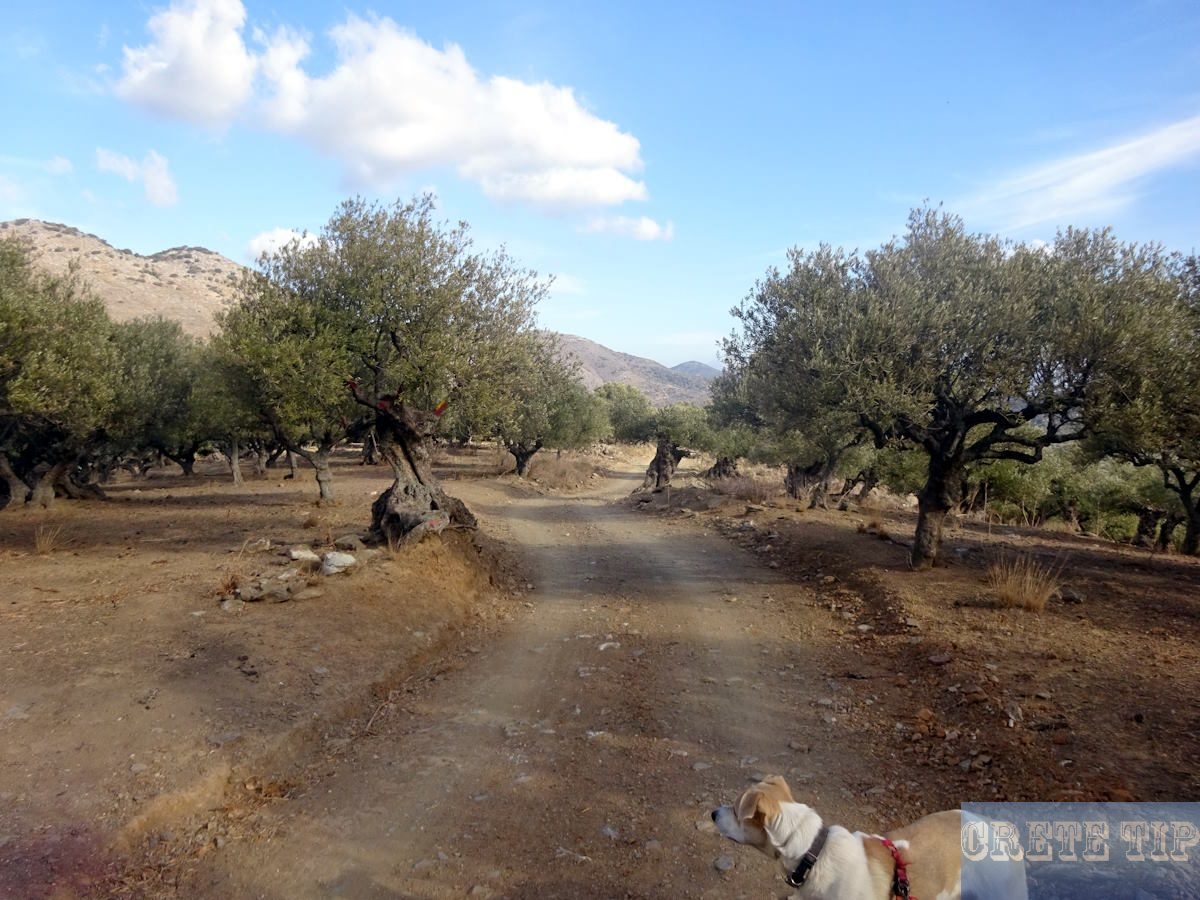
Greek olive farmers are facing one of the most difficult periods in recent memory, yet a crucial opportunity for support appears to have been missed. Despite clear provisions at the European level for emergency intervention, the Greek government did not submit a request for EU assistance, leaving producers without access to funds that could have offered much‑needed relief.
A Sector Under Severe Pressure
Olive production, particularly in Crete, has been hit hard by a combination of prolonged drought, unusually high temperatures, and repeated pest infestations. In many regions, olive yields have reportedly collapsed by up to 90%, threatening the livelihoods of thousands of farming families and the sustainability of one of Greece’s most iconic agricultural sectors.
Recent rainfall offered little real relief. Although some areas experienced heavy showers, they were short‑lived and failed to replenish exhausted groundwater reserves. After three consecutive years of rainfall well below the long‑term average, soil moisture levels remain critically low, with visible damage not only to production but also to the olive trees themselves — especially in eastern Crete.
EU Support Was Available — But Never Requested
According to statements by Greek MEP Sakis Arnaoutoglou, the European Commission confirmed that it received no request from Greece to activate emergency support measures for olive producers. This is particularly significant because Article 219 of Regulation (EU) 1308/2013 allows for extraordinary intervention in cases of serious market disruption.
In other words, a legal framework for emergency assistance existed, and Brussels was open to acting — but the necessary initiative from the national authorities never came.
The Cost of Inaction
The failure to seek EU funds has sparked strong reactions among producers and local stakeholders. With production collapsing and income sharply reduced, emergency financial support could have helped farmers cover basic costs, maintain groves, and prevent long‑term abandonment of olive land.
Instead, many growers are being forced to absorb the losses alone, raising fears of:
– Accelerated abandonment of olive groves
– Long‑term damage to trees weakened by drought
– Loss of rural income and jobs
– Further decline in Greece’s olive oil output
A Worsening Outlook for 2026
Experts warn that if 2026 develops climatically like the previous three years, the situation could deteriorate further. Without a clear national strategy for water management, climate adaptation, and crisis response, the risk to olive production — a cornerstone of Greek agriculture and exports — will only grow.
The absence of immediate support also undermines efforts to stabilize the market and protect quality production, even in areas where some output can still be saved.
Farmers Demand Planning and Accountability
Olive producers are now calling for better planning, faster reactions, and accountability at the national level. In a period when climate extremes are becoming the norm, relying on ad‑hoc responses is no longer sufficient. Accessing available EU tools should be a priority, not an afterthought.
For many farmers, the question is painfully simple: how can a country famous for its olive oil afford to forget its olive growers when help was within reach?
Do you believe Greece should immediately pursue EU emergency support for olive farmers? Share your opinion in the comments below.
Own Olive Trees in Greece? New Mandatory Registration Rules Are Coming

Owners of olive trees in Greece will soon face a new legal obligation that could affect thousands of farmers and landowners, from large producers to small, family‑run groves. A newly introduced regulation aims to increase transparency in olive oil production and combat fraud — but it also brings additional administrative responsibilities.
What Is the New Obligation?
Under the new rules, anyone who owns land with more than 21 olive trees will be required to register their trees in a newly established Olive Grove Register (*Elaiokomiko Mitroo*). The measure is part of a broader effort by the Greek authorities to create a clearer picture of olive cultivation across the country.
The registration must be completed digitally, using the owner’s Taxisnet credentials, Greece’s official online tax system.
Annual Harvest Declarations Required
Registration is not a one‑time formality. Once a plot of land has been entered into the register, owners will be required to declare their annual olive harvest every year, even if no olives were harvested.
Key points include:
– Harvest declarations must be submitted between 1 October and 31 May
– The declaration must be made immediately after the harvest
– A report is required even in years with zero production
This ongoing reporting requirement applies to all registered olive tree owners without exception.
When Does the Rule Take Effect?
Although the legal framework is already in place, the start of the mandatory registration has been postponed by one year because the digital platform is not yet fully operational.
👉 The obligation will now enter into force in October 2027.
However, it is important to note that in some regions of Greece the digital registration system is already available, allowing early registrations to take place.
Why Is This Being Introduced?
According to the authorities, the goal is to:
– Improve transparency in olive oil production
– Strengthen traceability
– Combat fraud and undeclared production
– Align national data with EU agricultural monitoring systems
Supporters argue that better data could ultimately benefit producers, while critics warn of added bureaucracy — especially for small landowners.
What Olive Tree Owners Should Do Now
While there is still time before the rule becomes fully mandatory, olive tree owners are advised to:
– Verify the number of olive trees on their land
– Ensure their Taxisnet access is active
– Follow official updates regarding the digital platform
– Seek advice if they manage multiple plots or inherited land
A Change That Affects Thousands
With millions of olive trees across Greece, this new registration requirement marks a significant shift in how olive cultivation is monitored. Whether it leads to better protection for producers or simply more paperwork remains to be seen.
One thing is certain: if you own more than 21 olive trees, doing nothing will no longer be an option
Will this new rule help the olive oil sector, or will it burden small producers? Share your thoughts in the comments below.



