

Newsflash from Tuesday, 28 April 2026:

No Fuel Surcharges: easyJet and TUI Follow Jet2’s Lead to Keep Holiday Costs Stable
Travelers planning their next getaway can breathe a sigh of relief. In a move to protect consumers from rising global energy costs, major travel players easyJet and TUI have announced they will follow Jet2’s lead by freezing holiday prices and rejecting additional fuel surcharges.
Here is everything you need to know about how the industry is reacting to rising fuel costs and what it means for your upcoming vacation.
The “No Surcharge” Commitment
The trend began last Friday when Jet2 announced it would not impose extra charges on flight or holiday bookings to cover the rising cost of aviation fuel.
Shortly after, easyJet and its subsidiary, easyJet holidays, confirmed they are adopting the same policy. This price guarantee applies to:
* All existing bookings.
* New bookings for the upcoming summer season.
* Bookings extending as far out as the Summer 2026 season.
Garry Wilson, CEO of easyJet holidays, reassured travelers that operations remain unaffected by recent global events. “We are offering absolute certainty to our customers that no additional charges will be added to their flights or holiday packages,” Wilson stated, emphasizing that holidaymakers can enjoy “unbeatable prices” without the fear of unexpected bills.
TUI Joins the Ranks
Following the announcements from Jet2 and easyJet, TUI has also moved to reassure its customer base. By maintaining stable pricing, these industry giants are aiming to provide consumer confidence during a period of economic volatility and geopolitical tension.
The Exception: IAG and British Airways
While the budget-friendly giants are freezing prices, the outlook is slightly different for legacy carriers. International Airlines Group (IAG)—the parent company of British Airways, Iberia, Aer Lingus, and Vueling—has taken a more cautious approach.
A spokesperson for IAG noted that while they have not seen disruptions in fuel supply, the significant rise in market prices is impossible to ignore. Despite “hedging” strategies (buying fuel in advance to lock in prices), IAG companies are making “certain price adjustments” to reflect the increased cost of operations.
What Should Travelers Do?
The UK Department for Transport (DfT) has stepped in to clarify that there is currently no need for passengers to alter their travel plans. British airlines typically purchase fuel well in advance, and airports maintain healthy reserves to ensure resilience.
Key advice for passengers:
* Check Before You Fly: Always stay in contact with your airline for the latest updates on your specific flight.
* Know Your Rights: If a flight is canceled, you are legally entitled to a full refund or re-routing.
* Get Insured: Ensure you have comprehensive travel insurance that covers potential disruptions.
* Monitor Official Advice: Keep an eye on the Foreign, Commonwealth & Development Office (FCDO) for the latest travel guidance.
The Bottom Line
For those booking with easyJet, TUI, or Jet2, the price you see is the price you will pay. While the broader aviation industry grapples with fuel costs, these major holiday providers are prioritizing price transparency and consumer peace of mind for the 2024–2026 seasons.
Are you planning a trip this summer? Let us know in the comments if these price guarantees influence your choice of airline!
Aviation Fuel Warning: Supplies Guaranteed Until June as Middle East Crisis Looms
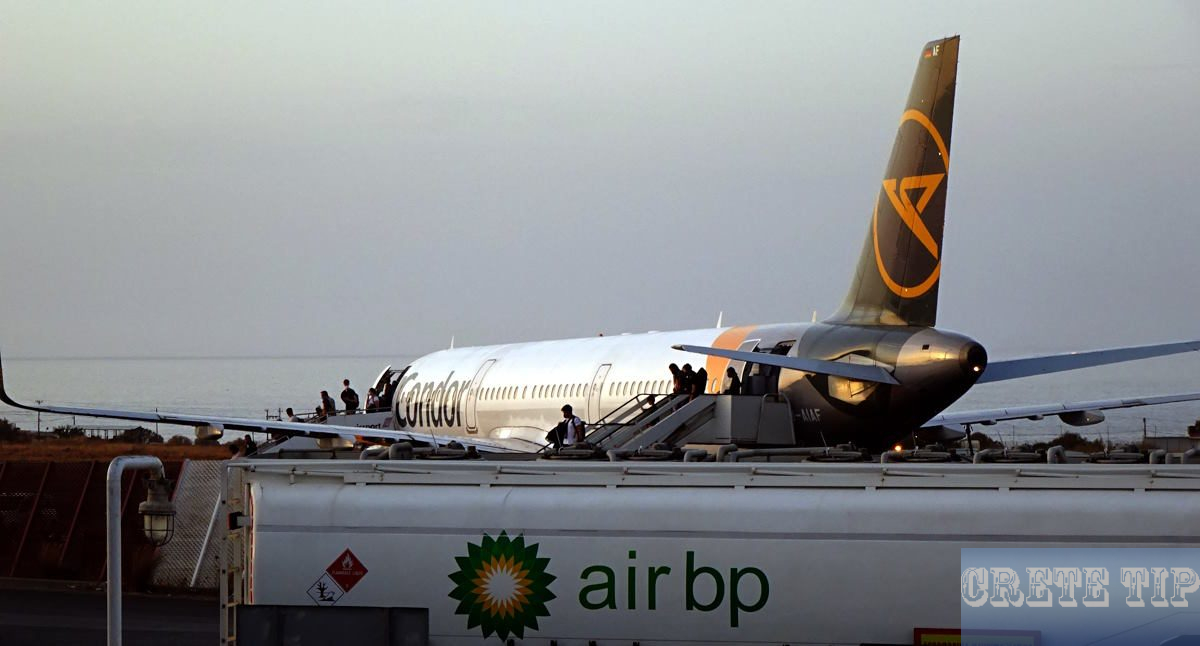
The aviation and tourism sectors are facing a critical countdown. Speaking at the 11th Delphi Economic Forum, the European Commissioner for Sustainable Transport and Tourism, Apostolos Tzitzikostas, issued a stark update on Europe’s energy security and the immediate future of air travel.
While there is no immediate shortage, the window for stability is narrowing. Here is the breakdown of the current fuel situation and what it means for the upcoming summer season.
The June Deadline
Commissioner Tzitzikostas confirmed that current market supplies of aviation fuel are sufficient to last until the beginning of June.
However, the situation beyond that remains highly dependent on geopolitical stability. “If the crisis in the Middle East and the blockade of the Strait of Hormuz continues beyond early June, serious problems may arise in the fuel market,” Tzitzikostas warned.
The Safety Net: Emergency Reserves
To prevent an immediate collapse of flight schedules, the EU has a backup plan. If the market supply runs dry, emergency reserves can be released. These reserves are estimated to last for approximately three months.
While this provides a temporary cushion, the Commissioner characterized the current situation as the “greatest energy crisis in history.” He noted that even if the conflict ended today, it would take months for the global supply chain to return to normalcy.
A “Different and Difficult” Summer for Tourism
The fuel uncertainty is already casting a shadow over the 2024 tourism season. Tzitzikostas highlighted several key concerns for the industry:
* Inbound Tourism Slump: A decline in visitors to Europe is expected, particularly from Asian markets.
* Rising Costs: If the Strait of Hormuz remains blocked, the world faces not just an energy crisis, but a wave of recession and high prices for all goods.
* New Guidelines: The Commission will soon release specific instructions for airlines, tour operators, and travelers to help navigate the disruptions predicted for the summer period.
Strategic Resilience: The Aegean-Black Sea Corridor
Despite the looming crisis, the Commissioner emphasized long-term infrastructure as a way to bolster European security. A top priority is the vertical road and rail axis connecting Greece, Bulgaria, and Romania (the Aegean–Black Sea corridor).
This project aims to transform Northern Greece and Thessaloniki into a strategic hub for transport, energy, and trade. Tzitzikostas announced that €277 million in European funds have already been approved for the Alexandroupoli–Pythio section, with work set to begin on May 9th.
The Bottom Line for Travelers
For now, flights are operating as planned. However, the industry is bracing for a volatile summer. With fuel supplies guaranteed only until June and emergency reserves acting as a secondary line of defense, the next few weeks will be pivotal for the travel industry.
What can you do?
* Stay Informed: Watch for the upcoming EU guidelines for travelers.
* Book with Flexibility: Given the “difficult summer” forecast, ensure your bookings have clear cancellation or change policies.
* Monitor Geopolitics: The status of the Strait of Hormuz remains the primary indicator for potential travel disruptions.
Aegean Airlines: Fuel Supply is Secure, but Ticket Prices Face a “Manageable” Hike
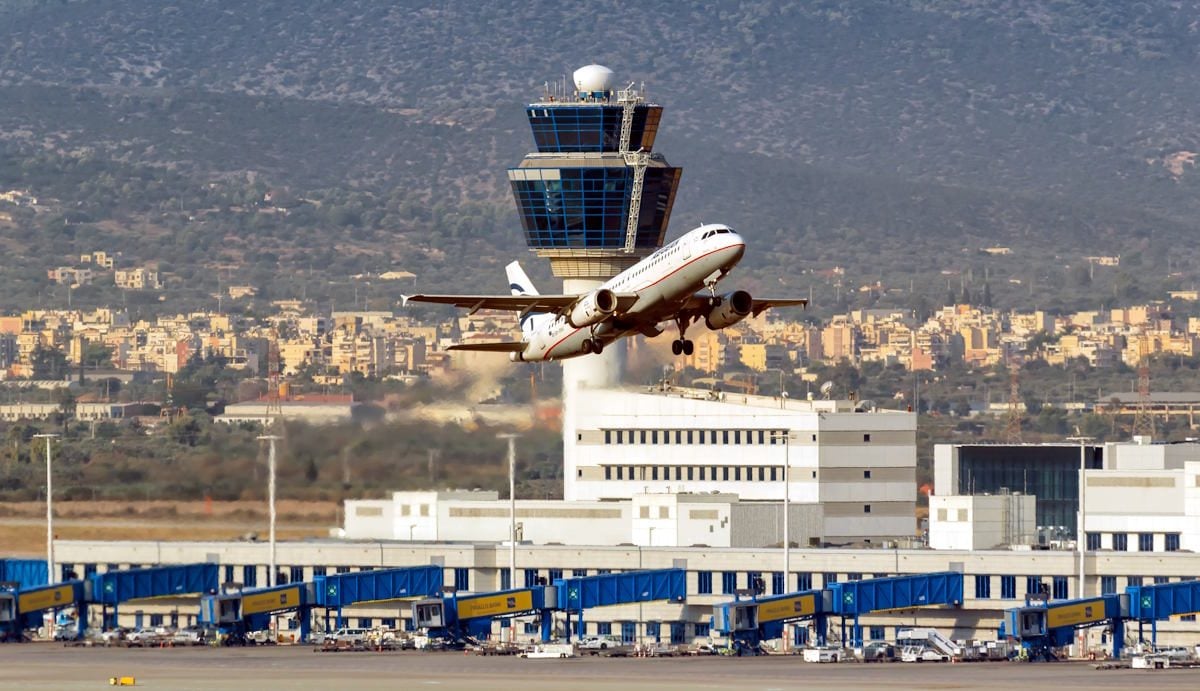
As geopolitical tensions in the Middle East continue to ripple through the global economy, travelers and industry experts alike are asking one question: Is there enough fuel to keep the planes in the air?
Speaking from the 11th Delphi Economic Forum, Eftichios Vassilakis, Chairman of Aegean Airlines, provided a clear and cautiously optimistic update on the state of Greek aviation and the reality of fuel costs.
Adequacy is Not the Issue—Cost Is
The most pressing concern for many has been the physical supply of aviation fuel. On this front, Vassilakis was reassuring. He stated that Greece is not expected to face an adequacy problem. The supply chains remain intact, and the current situation is entirely “manageable.”
However, while the fuel exists, it is becoming significantly more expensive. The real challenge for the industry is the surge in fuel prices, which is inevitably being felt by the consumer.
How This Affects Ticket Prices
For those looking to book flights, the impact on pricing is nuanced. Vassilakis broke down Aegean’s current pricing structure:
* 60% of Tickets: Remain stable throughout the year.
* 40% of Tickets: Have seen an increase of 10% to 11% specifically due to rising fuel costs.
This “split” strategy allows the airline to remain competitive while still accounting for the volatility of the energy market.
Changing Traveler Behavior
The uncertainty of the current environment is changing how people plan their holidays. Aegean has observed that the traveling public is now:
1. Planning Less: Long-term travel planning has decreased.
2. Booking Late: There is a significant rise in “last-minute” decision-making and bookings.
Despite these shifts, the numbers remain positive. Passenger traffic in the first four months of the year has shown a positive trend, and bookings are currently trending slightly higher than they were in 2025.
Strategic Delays and Future Investments
While Aegean is maintaining its investment program—particularly for medium-haul flights—some expansion plans have been adjusted. Most notably, the launch of direct flights from India has been pushed back by one year due to the current geopolitical climate.
Vassilakis emphasized that tourism and consumption have proven to be more resilient than many experts predicted. “In recent years, many crises have arisen without stopping the growth momentum,” he noted.
A Call for European Energy Independence
Beyond the airline’s immediate operations, the Aegean Chairman called for a broader, coordinated European energy strategy. He argued that Europe needs greater independence—specifically in natural gas—and must diversify its suppliers to ensure more options and lower costs in the long run.
The Bottom Line
For Greek travelers and tourists planning to visit this summer, the message is one of stability. While you might pay slightly more for a last-minute seat, the planes are fueled, the investments are continuing, and the industry is proving its ability to navigate through global turbulence.
Why Your Flight Tickets Might Stay Expensive—Even if Fuel Prices Drop

If you were hoping for a dip in airfares following a potential drop in oil prices, you might want to adjust your expectations. Recent statements from industry leaders suggest that “the new normal” for travel costs is here to stay, regardless of what happens at the fuel pump.
Here is a breakdown of why airlines are keeping prices high and what it means for your next trip.
Delta CEO: “Pricing Momentum” is the Priority
In a recent update to investors, Delta Air Lines CEO Ed Bastian delivered a clear message: even if fuel costs de-escalate, ticket prices may not follow suit. Bastian explained that the company intends to maintain its current “pricing momentum.”
Instead of passing fuel savings onto the consumer, Delta aims to use lower operating costs to bolster profit margins. With the airline expecting fuel costs to surge by approximately $2 billion this quarter alone due to recent price hikes, they are focused on long-term financial recovery.
Geopolitical Uncertainty and the “Temporary” Trap
A major factor keeping prices elevated is the volatile global landscape. Bastian warned that due to ongoing geopolitical instability—particularly in the Middle East and the strategic Strait of Hormuz, where 20% of the world’s oil passes—it is difficult to view any price fluctuation as “temporary.”
This uncertainty has led airlines to be more conservative with price cuts, fearing that a sudden spike in oil could leave them vulnerable if they lower fares too quickly.
The Industry-Wide Trend: United and Beyond
Delta isn’t the only carrier holding firm. United Airlines has already implemented fare increases of up to 20%. CEO Scott Kirby stated that the goal is to fully recover the increased costs of fuel through ticket sales.
Beyond the base fare, travelers are also seeing a rise in:
* Ancillary Fees: Higher charges for checked luggage and seat selection.
* Fuel Surcharges: Particularly on long-haul international routes.
* Premium Demand: A significant surge in bookings for business and premium economy classes.
The Paradox: High Prices, Higher Demand
Despite the public outcry on social media regarding “greedflation” and high costs, the data shows a surprising trend: travelers are still booking.
Demand remains incredibly resilient, especially in the premium sector. As long as planes continue to fly full, airlines have little incentive to lower prices. This “price inelasticity” suggests that travel has become a non-negotiable priority for many, even at a higher cost.
What This Means for Travelers
For the foreseeable future, the strategy for finding a deal has changed. Since base fares are unlikely to drop significantly, travelers should focus on:
1. Booking Early: Locking in prices before further seasonal hikes.
2. Loyalty Programs: Using miles to offset the rising cost of “ancillary” fees like baggage.
3. Flexibility: Flying mid-week or to secondary airports to avoid peak “momentum” pricing.
Final Thoughts
The era of ultra-cheap flights may be taking a backseat to corporate profitability and geopolitical caution. While fuel prices are a major variable, the current appetite for travel is the real engine keeping airfares at record highs.
Sources:



