

The relevant authorities at the Ministry of Infrastructure and Transport now suspect that the communication chaos on 4 January was caused by an internal technical problem rather than an external threat.
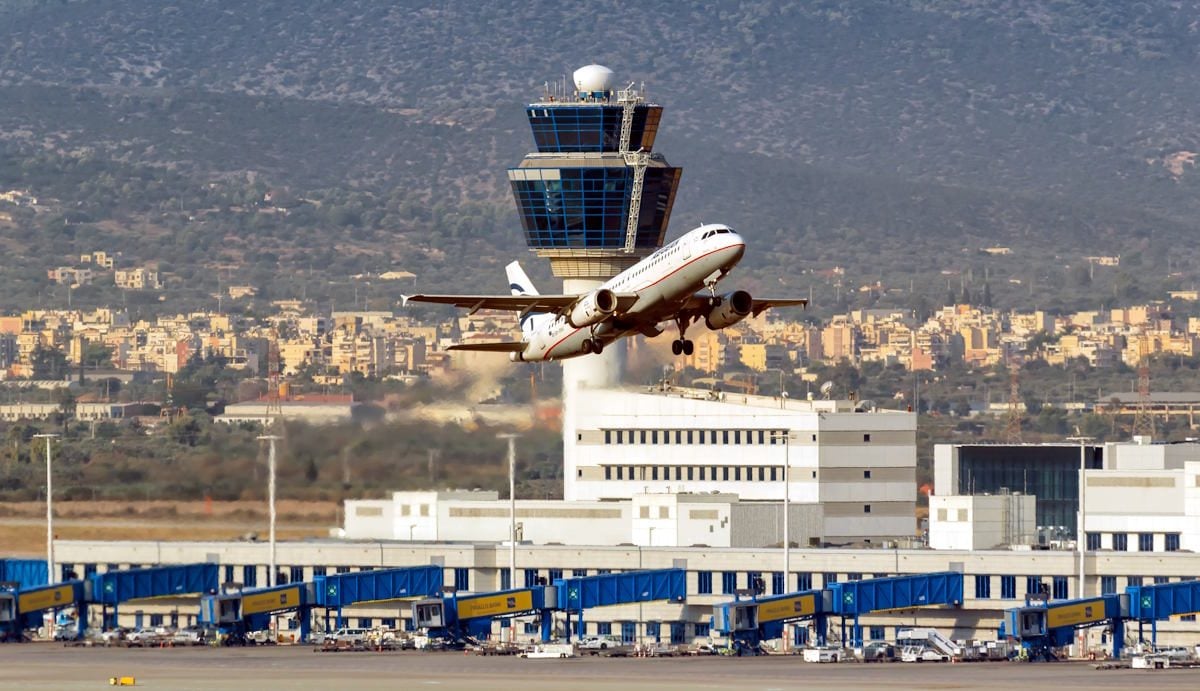
Air traffic controllers heard interference on the radio channels. However, surveillance flights and analysis of the recordings found no evidence of external interference.
The actual problems became apparent when air traffic controllers themselves transmitted messages. In most cases, the aircraft were still able to communicate on the receiving end.
This clearly suggests that the cause lies somewhere within the system itself – not with external sources of interference.
Most likely scenarios
First: disruption in the telecommunications infrastructure
The core network for voice and data transmission – i.e. the connection between antennas, radar stations and control centres – exhibited strange malfunctions after technical work was carried out on a transmission link.
Such interventions can sometimes lead to faulty connections or incompatibilities. Internal disruptions and communication failures can then occur even without any external influence.
It was not only the air traffic control radio channels that were affected. According to reports, the telecommunications network of the central offices also failed.
Telephone connections and internet access were unavailable during the incident, which made coordination quite difficult.
Here are a few key points:
- Cause: Work on a data link may have triggered malfunctions.
- Type of failure: Internal malfunction, no signs of sabotage.
- Affected: Air traffic control radio, company telephony, internet access.
- Consequence: Control centres were only able to operate to a limited extent.
The remaining communication channels were quickly switched to and work continued manually in some cases to ensure safety.
This shows how vulnerable the system is when a connection fails.
Second: Outdated and insufficiently redundant equipment
Most of the technology is from older generations. Many components have not been fundamentally renewed for years.
This makes it difficult to simply install new modules. A complete modernisation requires extensive tendering and a lot of patience – at least two years until everything can be procured and installed.
Important consequences:
- Individual upgrades are of little use because everything is closely linked.
- A lack of backup equipment or alternative paths makes the system vulnerable.
- In the event of malfunctions, the only option is often to restrict operations or shut them down temporarily.
Management immediately activated emergency protocols. Flights were greatly reduced or suspended at short notice when necessary.
This prevented risks to flight safety, but also revealed weaknesses in the infrastructure.
Recommendations and practical implications:
- A comprehensive modernisation programme must be a priority.
- Establish redundant links and reserve hardware.
- Test emergency plans regularly and simulate failure scenarios.
- In the short term: establish readily available loan systems and clear transition procedures.
Table: Problems and possible short-term countermeasures
Problem | Short-term countermeasure |
|---|---|
Failure of individual transmission links | Switch to alternative connections, use of mobile phone backups |
Lack of telephony/internet in central offices | Temporary external hotlines, satellite access |
Outdated hardware | Loaner equipment at critical locations, prioritised replacement list |
Insufficient redundancy | Activation of manual workflows, emergency communication chains |
Why the Air Force was not affected
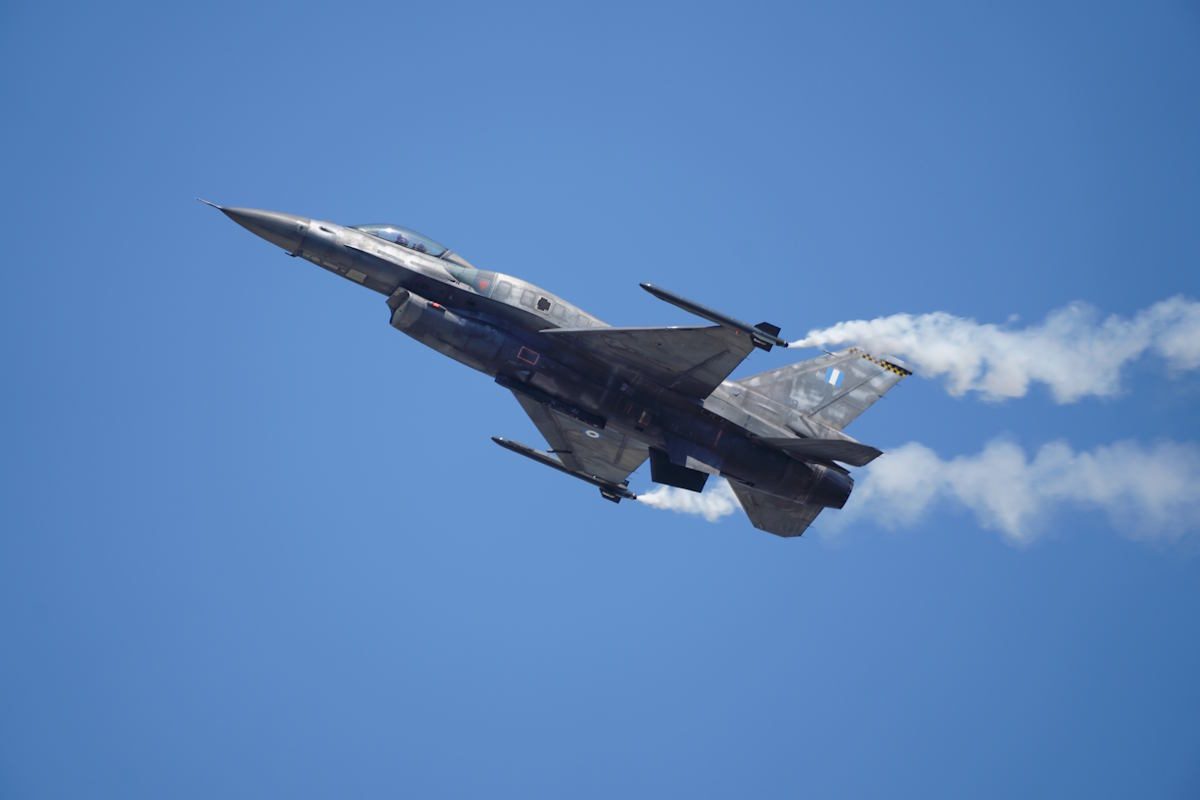
The Air Force uses its own air traffic management system. This system belongs to the Ministry of Defence and operates independently of the civil control network.
The military infrastructure includes its own radars, transceivers and a separate operations centre in Larissa.
Civil and military networks operate side by side, but they are completely separate from a technical point of view. They use different hardware, software and radio equipment.
A failure in the civil system cannot therefore paralyse military control.
The personnel are also strictly separated. Military air traffic controllers and air defence personnel work according to their own service regulations and procedures.
Their training, communication channels and alarm chains differ from those of civil air traffic control.
The organisation relies on redundant and autonomous connections. If one radar station fails, other military stations immediately take over.
This keeps the air force’s operational capability high even when there is a crash in the civil sector.
Communication and the chain of command remain internal. Military orders are transmitted via protected channels, not via civil networks.
This separation reduces the risk of eavesdropping, manipulation or cascade failures that could originate from the civilian network.
Operational procedures and responsibilities are clearly separated. Civil air traffic control regulates civilian traffic in the Athens FIR. The air force is responsible for airspace surveillance and defence.
This means that there is no overlap in the event of disruptions.
Technically, this means separate data formats, different frequencies and isolated control centres.
This virtually eliminates interface errors or software conflicts between the systems.
The military infrastructure is designed for rapid response. Its operations centre can operate independently, make decisions and coordinate fighter jets – without the need for civil approvals.
This ensures the ability to act even in crises.
Maintenance and security concepts rely on higher protection standards. Military facilities often use additional backup, physical shielding and stricter access rules.
These measures make operations more resistant to disruptions and attacks.
In summary:
- Separate air force radar and radio network
- Own operations centre in Larisa
- Separate, specialised personnel
- No technical or operational connection to the civilian system
- Redundancy and higher protection measures
The investigation continues
The authorities are continuing their investigation into the incident in the FIR. They are scrutinising technical systems, communication channels and organisational processes.
They want not only to find the cause, but also to find out how to prevent something like this from happening in the future. To this end, they are working on countermeasures that could really work.
Investigators are poring over data logs, flight plans and radio communications. They are examining the logs of radar and air traffic control systems and talking to technical staff and aviation officials.
If they lack the necessary expertise internally, they are bringing in external specialists. This ensures a broader perspective.
Important areas of investigation:
- Software and hardware errors
- Network failures and signal interference
- Human error and communication failures
- Procedural and safety gaps
The teams also compare the incident with similar cases in other countries. Such comparisons help to identify patterns and weaknesses that may not only occur locally.
This sometimes allows solutions that have already worked elsewhere to be adopted. Sounds logical, doesn’t it?
Parallel to the technical evaluation, an examination of ground procedures is carried out. Duty rosters, handover procedures and emergency protocols are put to the test.
They want to know whether organisational changes or more training could help. Sometimes the fault lies not only with the technology.
Those responsible also check how quickly the authorities and airlines responded. The aim is to find out where coordination in crises needs to be improved.
Short distances and clear procedures can be crucial in an emergency. This saves time and nerves.
They want to be open with the public without jeopardising the investigation. Regular status reports are intended to build trust and avoid wild speculation.
But they are careful not to release sensitive data too early. A balancing act, as always.
Possible immediate measures currently under discussion:
- Temporary protocol changes to reduce risk
- Increased checks on critical systems
- Short-term training for key personnel
- Exchange with international experts
In the long term, major improvements are on the agenda. These include more robust technology, better backup systems and clearer interfaces between all parties involved.
The costs of these ideas must, of course, be weighed against the gains in security. It is impossible to do everything at once.
Legal and regulatory issues are also on the table. They are examining whether the current regulations are sufficient or need to be adapted.
Recommendations could even trigger changes at national or EU level. Who knows?
One focus: risk management. The authorities are looking at which risks have been underestimated so far and how they can be better measured in future.
Better risk assessments help to set the right priorities for protective measures. It sounds like a lot of work, but it is necessary.
Investigation teams document every step in detail. This documentation will later form the basis for recommendations and possible decisions.
It is also important for clearly defining responsibilities. No one wants to be left in the dark.
Cooperation between authorities, air traffic control and private service providers remains central. They want to further expand communication and joint emergency exercises.
They are currently examining whether new coordination centres or task forces are needed. Sometimes a quick phone call is more helpful than a thick report.
Airlines should conduct their own audits and write incident reports. These reports often provide new perspectives and reveal weaknesses that no one else sees.
While the investigation is ongoing, the airports and transport companies concerned review their preparedness levels. If necessary, they increase them.
Measures to minimise operational disruptions can be implemented at any time. Flexibility is required.
The results of the analysis will be published in several phases. First, there will be an interim report with immediate measures.
This is followed by a final report with detailed recommendations. This ensures that the process remains transparent, even if it sometimes takes time.
Package of measures and action plan
The responsible authorities have launched a package of measures to quickly remedy the most visible weaknesses. These immediate measures are intended to ensure protection, stability and rapid recovery in the event of a disruption.
They are planning additional steps to increase the redundancy and reliability of critical telecommunications infrastructure. These include technical backups, alternative connections and better monitoring.
The Department for Transport and Infrastructure is pushing ahead with a major modernisation programme for air traffic control systems. This is being carried out in close coordination with European authorities and is scheduled to be completed by 2028.
The programme covers many measures, which are divided into key areas of action. Here is an overview:
- Communication and data transmission: Expansion of digital services for stable control and flight data.
- Air traffic control: Modernisation of control centres and systems for better coordination.
- Navigation: Introduction of more accurate navigation procedures for more precise routes.
- Radar systems: Increased use of modern radar technology for better position data.
- Regulation and safety: New requirements for operational safety and system harmonisation.
Practical measures that are underway or being reviewed:
- Establish redundant transmission paths for critical data streams.
- Install additional monitoring units.
- Integrate modern radio and data protocols.
- Conduct training and emergency drills for personnel.
- Plan hardware replacement cycles to avoid failures.
A control scheme for implementation could look like this:
Step | Objective | Time frame |
|---|---|---|
Inventory | Identify vulnerabilities | 3 months |
Prioritisation | Define critical measures | 1 month |
Implementation of pilot projects | Test solutions | 6–12 months |
Rollout | Wide-scale introduction | 12–36 months |
Follow-up | Check effectiveness | Ongoing |
Financing and cooperation play a major role. The programme relies on national funds and works with European agencies to harmonise standards and technology.
The aim is to avoid duplication of effort and increase interoperability. It sounds like a lot of coordination, but it’s probably unavoidable.
The measures cover both technology and organisation. Technically: new systems, redundant networks, better sensors.
Organisationally: changed processes, coordinated emergency plans and clearer responsibilities. Anything else would be negligent.
Risk and benefit assessment is carried out step by step. For each measure, they look at how much security it provides and what it costs.
This allows quick, inexpensive interventions to be distinguished from long-term investments. After all, you don’t want to throw money out the window.
Transparency and monitoring are also important. They regularly check and document progress.
External partners can provide assessments to ensure objectivity. A little external control rarely hurts.
In the short term, the measures result in less downtime, faster error detection and better communication. In the long term, system resilience increases and the infrastructure better aligns with European standards.
Implementation takes place in pilot phases and then in a larger rollout. Pilot teams test locally and provide data for improvements.
If the tests are successful, expansion follows with clear milestones. Step by step, not all at once.
Staff are trained regularly, often with simulations. This strengthens their response in an emergency and improves cooperation.
Key indicators of success:
- Availability of critical systems (in percent)
- Time to recovery after failure (in minutes/hours)
- Number of successful emergency drills per year
- Reduction in unplanned outages per year
The programme includes technical specifications, emergency procedures and a timetable until 2028. This creates a phased approach that combines immediate protection, stabilisation and modernisation.
Sharp criticism from air traffic controllers
The Greek Air Traffic Controllers’ Association has launched a scathing attack on the air traffic control system. For them, the failure of radio communications is not an isolated incident, but a symptom of deeper weaknesses.
They accuse the management of neglecting technology and maintenance for years. Time and again, they say, they made the wrong decisions and simply ignored warnings.
The control staff had sounded the alarm several times before, but no one responded. It was clear to them that this mishap was bound to happen at some point.
Nevertheless, the air traffic controllers say that the team in Athens and northern Greece did everything they could to ensure flight safety. They made full use of the available resources and concentrated on protecting the aircraft in the air.
Now the controllers want an independent investigation – and a thorough one at that. They are demanding that all the relevant authorities be involved so that it is finally clear who is responsible.
They are also calling for concrete modernisation of communication and surveillance systems. They say it is high time to invest in new, reliable technology, and that maintenance must also be improved.
As a means of exerting pressure, they have announced that they will no longer work overtime in the summer. They believe that under these conditions, it is simply no longer acceptable to continue working with such outdated infrastructure.
Here are the key points from their statement:
- The incident was caused by the system, not by chance.
- Outdated technology and poor maintenance are the main problems.
- Warnings were ignored.
- Despite everything, the teams on site ensured safety.
- They are calling for an independent, comprehensive investigation.
- Modernisation of the equipment must happen immediately.
- No more overtime to exert pressure.
The statement sounds demanding and quite concerned. Air traffic controllers now expect clear and swift responses from the authorities.



