

Newsflash from Friday, 19 June 2026:
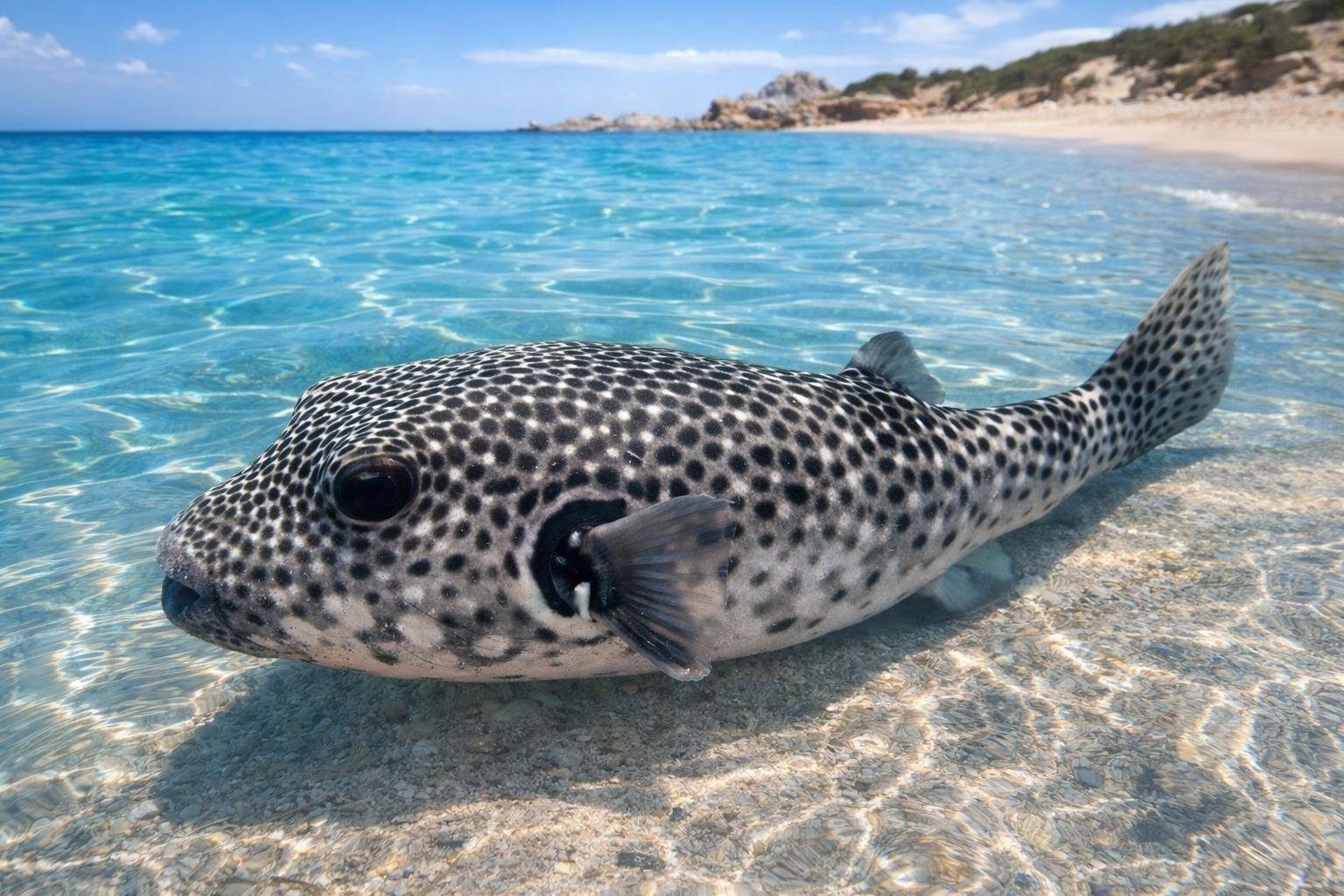
Toxic Pufferfish Invade Greek Beaches: The Hidden Danger Lurking in Shallow Waters
A growing threat is emerging along the shores of Crete and across the Greek seas: the silver-cheeked pufferfish (Lagocephalus sceleratus), a highly toxic invasive species that is spreading rapidly and raising serious concerns for fishermen, swimmers, and marine ecosystems alike.
Recent incidents have brought this issue back into the spotlight, with reports of large pufferfish appearing in extremely shallow waters where bathers swim daily—prompting urgent calls for action from local authorities and scientific organizations.
Pufferfish in Shallow Waters: A Worrying Trend
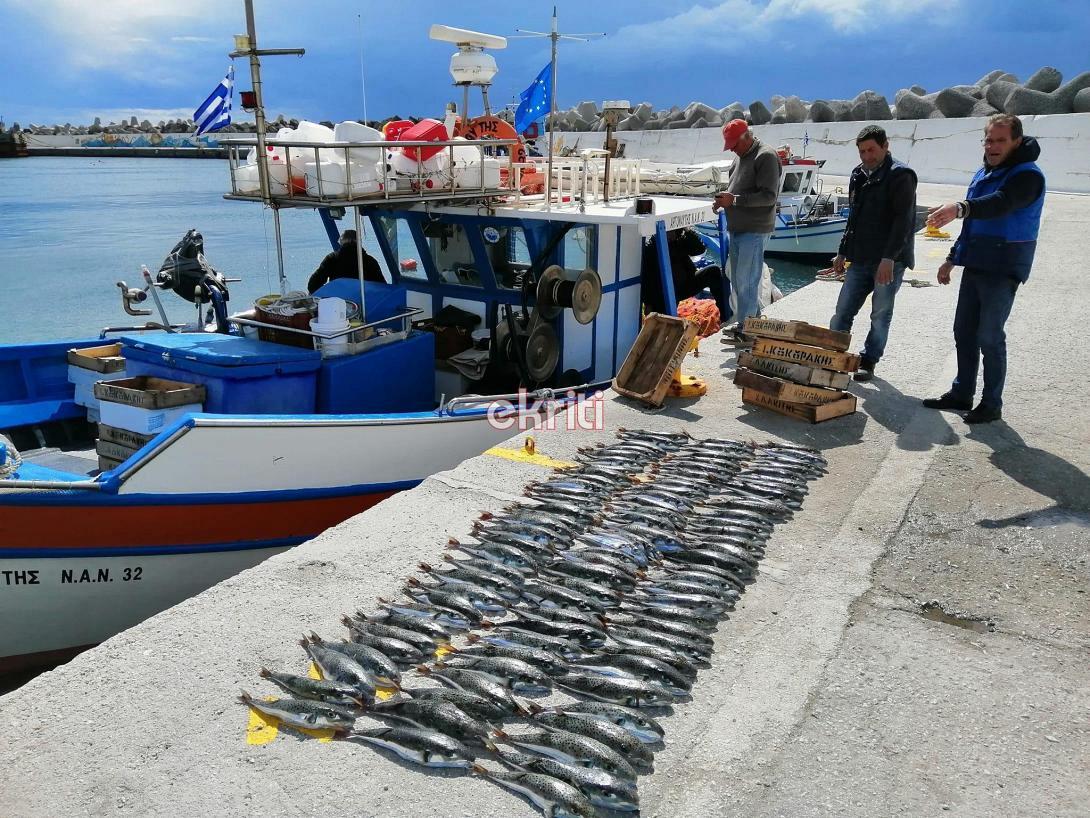
Earlier this month, ten pufferfish weighing between 10 and 11 kilograms each were caught at Ammoudara beach near Heraklion. What made the discovery particularly alarming was the location: the fish were found in waters just 1.5 to 2 meters deep, in areas frequented daily by swimmers.
Manos Androulakis, son of the President of the Heraklion Professional Fishermen’s Association, hauled in the catch and sent samples to the Hellenic Centre for Marine Research (ELKETHE) for laboratory analysis.
“The presence of such large pufferfish in such shallow depths raises serious concerns for swimmer safety,” said Giannis Androulakis, who has been vocal about what he describes as government inaction on the issue.
Why Are Pufferfish So Dangerous?

The silver-cheeked pufferfish poses two major threats: toxicity and physical injury.
1. Deadly Tetrodotoxin
Pufferfish contain tetrodotoxin, a powerful neurotoxin that can cause:
- Numbness and dizziness
- Muscle weakness and paralysis
- Difficulty speaking or moving
- Vomiting and diarrhea
- Respiratory failure
- Death in severe cases
The toxin is concentrated mainly in the liver and gonads, but studies conducted on samples from Rhodes have confirmed that tetrodotoxin can also be present in muscle tissue and skin—the very parts humans might consume.
Symptoms can appear within minutes to a few hours after consumption, and there is no known antidote.
2. Sharp Teeth and Aggressive Behavior
Beyond their toxicity, pufferfish possess powerful, razor-sharp teeth capable of causing serious injuries. According to the Heraklion Professional Fishermen’s Association, at least 198 documented cases of pufferfish-related injuries have required hospital treatment—and many more likely go unreported.
Reports of incidents involving spearfishers and swimmers have been increasing across Crete, from Palaiokastro Sitia to Chania and the southern coasts.
A Different Perspective: Are “Attacks” Overstated?
While fishermen’s associations and local media report frequent encounters and injuries, some conservation groups urge caution against panic. According to environmental experts, there is limited verified scientific evidence supporting widespread “attacks” on bathers, and they emphasize the need for accurate, evidence-based public communication.
Conservationists stress that pufferfish are generally not aggressive toward humans unprovoked, though they can bite if threatened or handled. Their primary danger to humans remains toxicity through consumption, while their economic damage—destroying fishing gear and depleting fish stocks—is well documented.
This nuanced view highlights the importance of public education: avoid touching or handling pufferfish, never consume them, and report sightings to local authorities.
How to Identify a Pufferfish
Recognizing the silver-cheeked pufferfish can help bathers and fishermen stay safe:
- Color: Silver-blue back with numerous black spots
- Head: Rabbit-like shape (the origin of its Greek name “lagokefalos,” meaning “rabbit-head”)
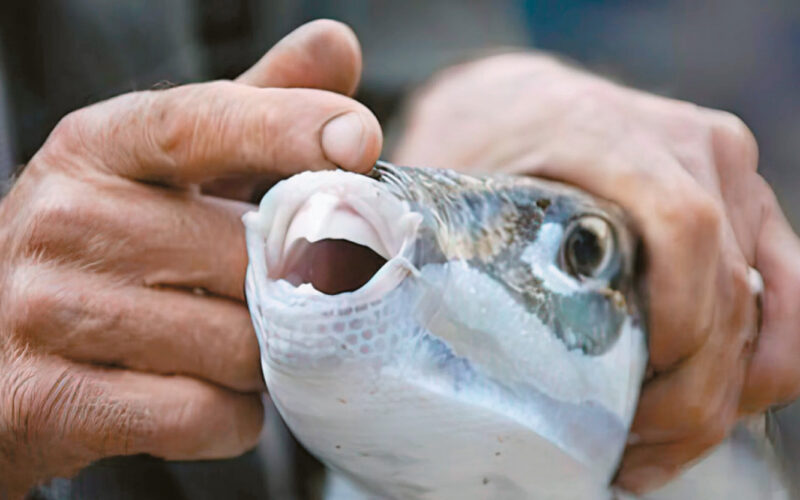
- Teeth: Sharp, beak-like front teeth
- Defense: Inflates its body when threatened
- Size: Can grow over 1 meter long and weigh more than 10 kilograms

How Did Pufferfish Reach Greek Seas?
The pufferfish is part of a wave of approximately 90 fish species and around 1,000 marine species that entered the Mediterranean through the Suez Canal—a process known as “Lessepsian migration,” named after French engineer Ferdinand de Lesseps, who built the canal.
First detected in Mediterranean waters off Turkey in 2003, the species reached northern Crete by July 2005. Since then, it has rapidly expanded its range, with strong populations established across southern and eastern Greece. Recent sightings extend further north, reaching Attica and the southern Evian Gulf.
Climate change and warming Mediterranean waters are fueling this expansion, as pufferfish thrive in higher sea temperatures.

Is It Legal to Sell Pufferfish?
No. Under European Union regulations, fishery products from toxic fish of the families Tetraodontidae, Molidae, Diodontidae, and Canthigasteridae cannot be placed on the market. Pufferfish belong to the Tetraodontidae family and are strictly banned from sale and consumption.
Calls for Government Action
Fishermen across Crete, the Dodecanese, and the Cyclades are demanding that the Greek government implement a subsidy program for pufferfish fishing, similar to the one already in place in Cyprus, where fishermen receive financial incentives to catch and remove the species from local waters.
A proposed program would offer €6.50 per kilogram to fishermen who catch pufferfish, helping reduce populations that reportedly double every summer. However, a long-promised feasibility study has yet to materialize, leading to frustration among fishing communities and risking the loss of EU funds.
Safety Tips for Bathers and Fishermen
- Never consume pufferfish—the toxin is potentially deadly.
- Do not handle pufferfish, even if dead, as their sharp teeth can cause injury.
- Report sightings to local authorities or marine research organizations.
- Be cautious in shallow waters, especially in southern and eastern Greek coastal areas.
- Seek immediate medical attention if bitten or if accidental consumption is suspected.
Conclusion
The spread of the silver-cheeked pufferfish represents a complex challenge—combining public health risks, ecological damage, and economic losses for fishing communities. While the scale of human “attacks” remains debated, the dangers of toxicity and the impact on Mediterranean ecosystems are undeniable.
As Crete’s beaches fill with summer visitors, awareness and caution are more important than ever. Coordinated action from authorities, scientists, and local communities will be key to managing this invasive species and protecting both people and the marine environment.
Pufferfish Bite Emergency: What You Must Do Immediately to Stay Safe
With the increasing presence of pufferfish (known locally as lagokefalos) in Greek waters, experts are warning swimmers and fishermen to be aware of the risks—and more importantly, to know exactly what to do if bitten.
Although pufferfish bites are not venomous, their powerful, beak-like jaws can cause serious injuries, deep wounds, and heavy bleeding. Quick and correct first aid can make a crucial difference.
Why Pufferfish Bites Are Dangerous
Unlike jellyfish or other marine species, pufferfish do not inject venom through bites. However, their teeth are extremely sharp and strong, capable of tearing flesh and even cutting through fishing gear.
In addition, pufferfish carry a deadly toxin (tetrodotoxin), but this is dangerous only if consumed—not through a bite. The main risks from a bite are:
- Severe bleeding
- Deep tissue damage
- Risk of infection
What To Do If You Are Bitten
The Hellenic Red Cross provides clear first aid instructions that should be followed immediately after a pufferfish bite:
1. Clean the Wound Thoroughly
Wash the injury right away using plenty of clean running water and soap. This helps remove debris and reduces the risk of infection.
Important: Do not apply antiseptics unless advised by a medical professional.
2. Apply Firm Pressure
Use clean gauze or a cloth to apply steady pressure to the wound to control bleeding. If the bleeding is heavy, maintain continuous pressure.
3. Elevate the Injured Area
If possible, keep the injured limb raised above heart level. This can help reduce blood flow and limit bleeding.
4. Seek Medical Attention Immediately
Even if the wound seems minor, medical evaluation is essential. Doctors may need to:
- Clean and treat the wound professionally
- Administer a tetanus shot
- Apply stitches if the injury is deep
5. Call Emergency Services If Needed
If the injury occurs in a remote area or involves severe bleeding, call:
- 166 (Greek Emergency Medical Service – EKAB)
- 112 (European Emergency Number)
Continue providing first aid until help arrives.
Prevention: Stay Safe in the Water
To avoid dangerous encounters with pufferfish:
- Do not touch unfamiliar fish, even if they appear harmless
- Avoid handling fish caught while swimming or fishing
- Supervise children closely in shallow waters
- Report sightings of pufferfish to local authorities
Final Thoughts
Pufferfish are becoming increasingly common in Greek seas, especially around Crete. While their bites are not toxic, they can cause serious injury if not treated properly.
Knowing how to respond quickly—and seeking medical care without delay—can prevent complications and ensure a safe recovery.
Sources:



