

Newsflash from Monday, 1 December 2025:
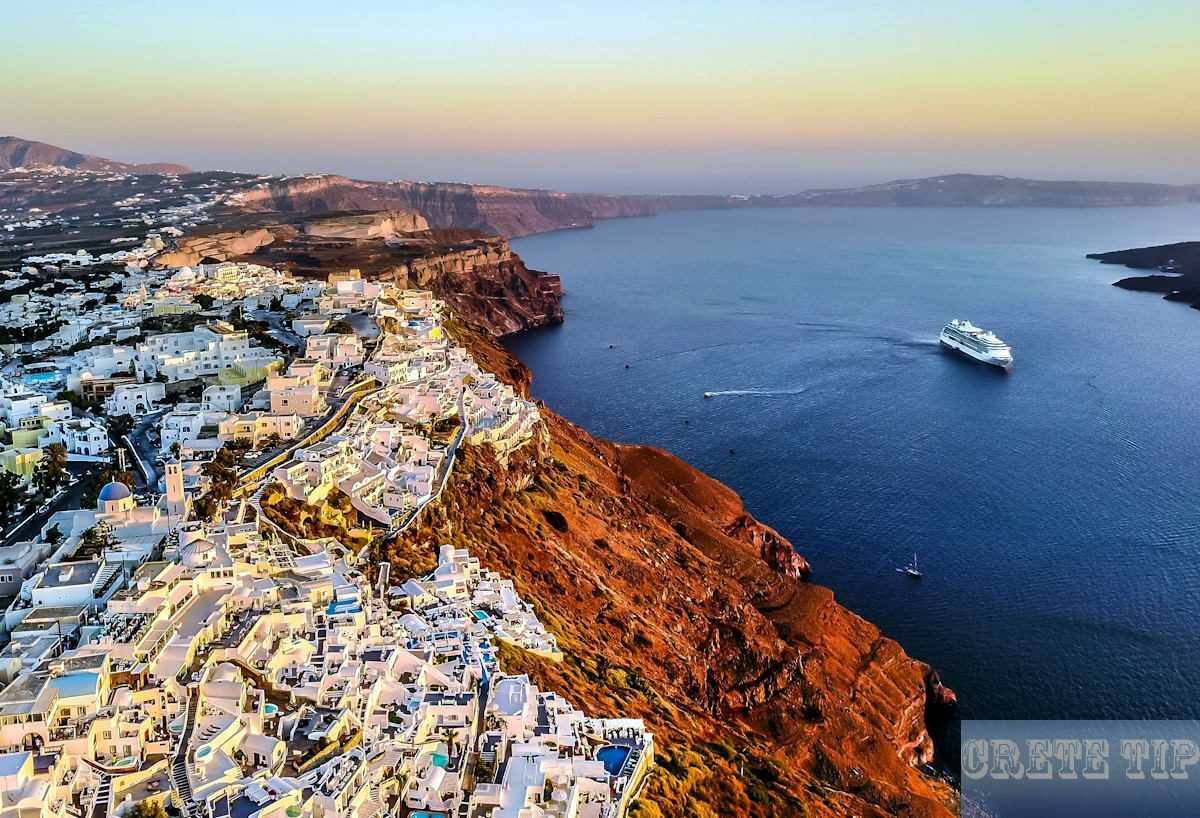
At the start of 2025, the island of Santorini experienced an unprecedented surge in seismic activity, sparking concern among residents, tourists, and scientists alike. Now, a groundbreaking international study—including contributions from Greek researchers—has shed light on the cause behind this intense earthquake swarm.
Published in the prestigious journal *Science*, the research reveals that the seismic activity was driven not by tectonic fault slips, as initially feared, but by a massive magmatic intrusion deep beneath the seabed. Specifically, a vertical magma layer spread in pulses over 20 kilometers within the Earth’s crust, at depths exceeding 10 kilometers below the sea floor.
To put this into perspective, the volume of magma involved could fill nearly 200,000 Olympic-sized swimming pools or cover Manhattan Island with a 9-meter-thick layer of molten rock. This immense magmatic movement generated hundreds of earthquakes within a short timeframe, some exceeding magnitude 5, leading to local emergency declarations, school closures, and widespread alarm.
Using advanced machine learning techniques to analyze over 25,000 seismic events, the researchers were able to map the magma’s movement with unprecedented spatial and temporal detail. Their findings show that the magma did not flow smoothly but rather in waves—opening new cracks, closing others, and pushing magma forward in pulses. This “pulsating” intrusion altered underground stress fields, triggering the rapid succession of earthquakes.
Importantly, the study rules out tectonic fault slip as the primary cause of the seismic swarm, highlighting instead this dynamic magmatic process as a fundamental mechanism beneath volcanoes worldwide.
Santorini, part of the active Hellenic volcanic arc, has a long history of catastrophic eruptions, including the famous Minoan eruption around 1620 BCE. While the 2025 seismic crisis did not culminate in an eruption, it underscores the ongoing volcanic risks faced by local communities and the critical need for high-resolution geophysical monitoring.
This research not only advances our understanding of volcanic earthquake swarms but also offers new tools for near real-time monitoring of volcanic crises, especially in regions where activity occurs offshore or deep underground—areas traditionally difficult to observe.
For Santorini and other volcanic regions worldwide, these insights mark a significant step toward better predicting and managing volcanic hazards, ultimately enhancing public safety.



