

Newsflash from Friday, 14 August 2026:
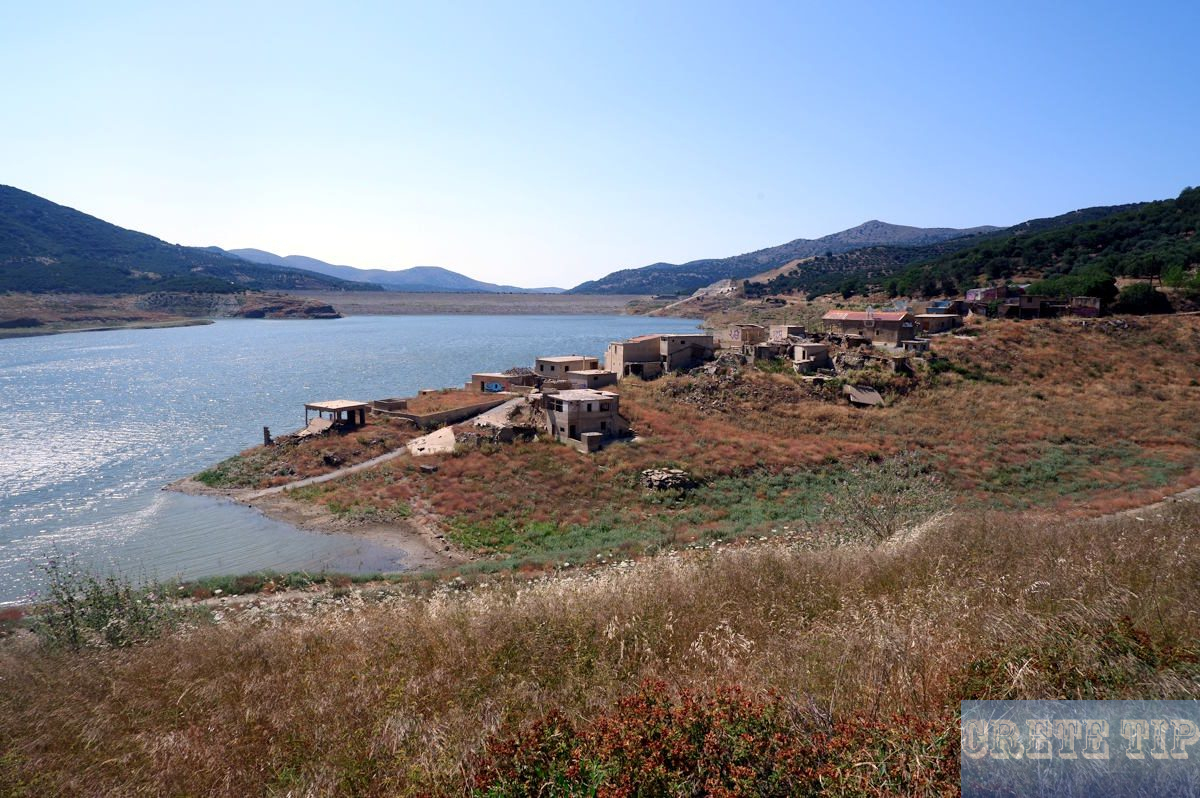
An indefinite interruption to water supplies from the Aposelemis Dam has raised concerns in Heraklion, Hersonissos and Agios Nikolaos, with no confirmed timeline for restoration.
Local authorities were informed that a problem had developed in the dam’s water-treatment process. However, the exact nature of the malfunction—whether it involves technical damage or another issue—has not yet been officially clarified.
Heraklion loses around 13,000 cubic metres of water per day
Heraklion normally receives approximately 540 cubic metres of water per hour from Aposelemis, or nearly 13,000 cubic metres daily. This represents around 30% of the city’s water needs.
The Municipal Water and Sewerage Company of Heraklion (DEYAH) is attempting to compensate by operating all available wells. Yet these sources were already working continuously because of high summer demand, leaving limited room for additional production.
The immediate impact is somewhat reduced because many residents have left the city for the August holiday period. If the interruption continues, however, pressure on the urban water network is expected to increase significantly.
Tourist areas face even greater pressure
The disruption is particularly concerning for Hersonissos and Agios Nikolaos, where the summer tourist season has sharply increased water consumption.
According to local reports, Hersonissos receives approximately 5,000 cubic metres of water per day from the dam, with comparable quantities supplied to Agios Nikolaos. Local officials are seeking detailed information from the Organisation for the Development of Crete (OAK) about the cause of the problem and the expected repair schedule.
No restoration date has been announced
At present, the three municipalities have not received a definite timetable for the resumption of water supplies. Authorities are monitoring the situation and relying on alternative sources wherever possible.
Residents and visitors are advised to use water responsibly and avoid unnecessary consumption until the Aposelemis system returns to normal operation.



