

For years, concerns about drought in Crete were often dismissed as exaggeration or temporary weather anomalies. Today, the data tells a very different story. The drought in Crete is not a myth—it is a measurable, island-wide reality with serious consequences for water resources, agriculture, and daily life.
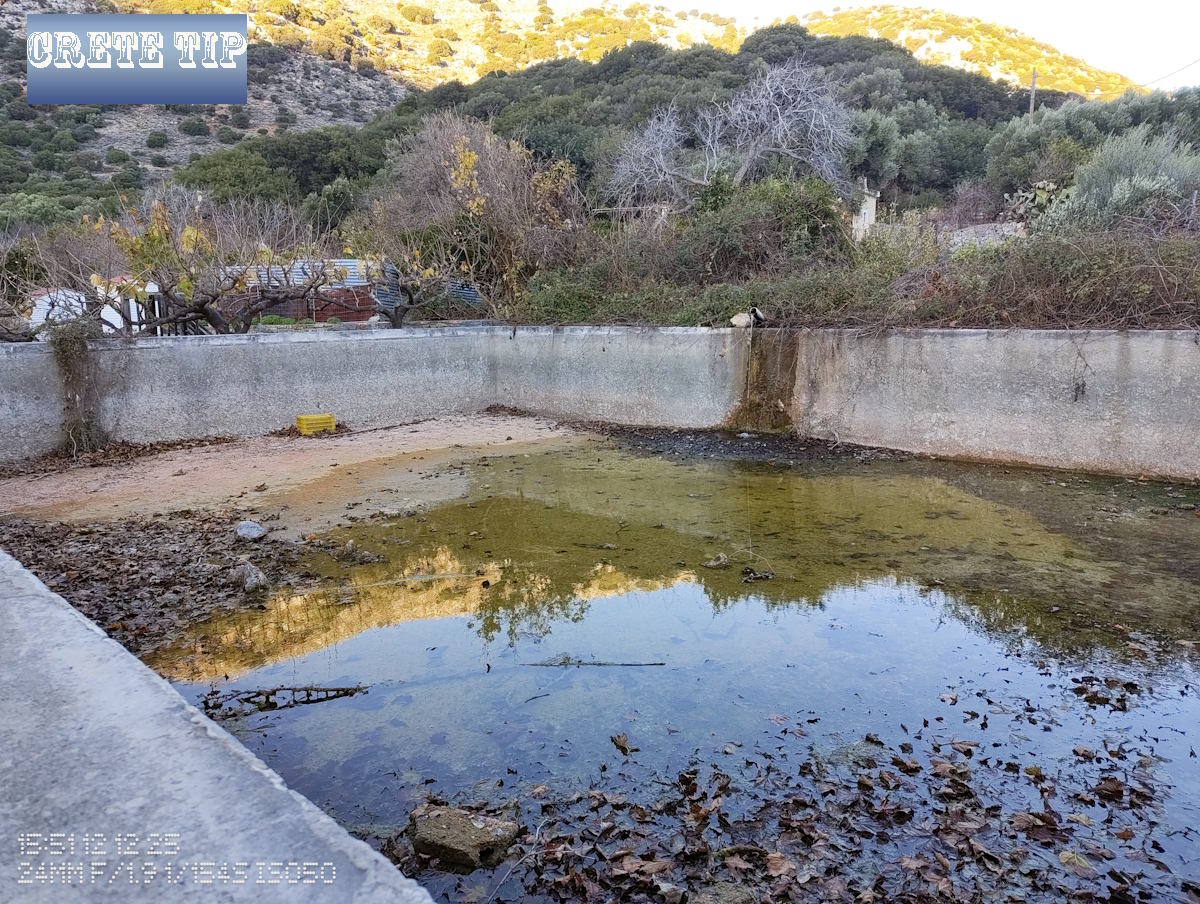
A Year of Alarmingly Low Rainfall
According to an analysis of rainfall measurements from selected meteorological stations across all four regional units of Crete, 2025 was an exceptionally dry year. The data, drawn from the National Observatory of Athens (meteo.gr) network, paints a bleak picture: rainfall levels were below average at every single monitored station on the island.
In fact, when compared to the average annual rainfall of the past 12 years, no area in Crete reached 100% of its normal precipitation levels in 2025. This means that the entire island experienced rainfall deficits—some of them extreme.
Location – average rain (mm) in last 12 years – rain in 2025 (mm) – per-cent:

The Hardest-Hit Areas
The most striking deviations were recorded in eastern and central Crete:
– Heraklion (Knossos area) received just 54% of its average rainfall over the last twelve years.
– Sitia followed closely, with rainfall reaching only 57% of its long-term average.
Even regions traditionally considered more resilient, such as Askyfou in Chania and Spili in Rethymno, recorded their lowest rainfall totals of the past 12 years. These figures confirm that the drought is not localized—it is systemic.
Why This Matters
Rainfall is the backbone of Crete’s water cycle. Reduced precipitation directly affects:
– Groundwater recharge, leading to declining aquifer levels
– Agricultural production, especially olives, vineyards, and livestock feed
– Water availability for households and tourism
– Ecosystems, increasing the risk of land degradation and desertification
Crete already relies heavily on winter rains to sustain itself through the long, dry Mediterranean summers. When those rains fail, the consequences ripple through every sector of society.
Not Just “One Bad Year”
While one dry year can happen, the significance of 2025 lies in how it fits into a broader pattern. Comparing current rainfall to a 12-year average helps remove short-term noise and reveals a worrying trend: persistent underperformance of rainfall across the island.
This reinforces what scientists and local communities have been warning about—climate variability and climate change are reshaping weather patterns in the Eastern Mediterranean, making droughts more frequent and more intense.
What Comes Next?
Acknowledging the problem is the first step. Addressing it requires:
– Better water management, including reducing losses and improving storage
– Investment in sustainable agriculture and drought-resistant crops
– Public awareness and conservation, especially during peak tourist seasons
– Long-term planning, based on scientific data rather than assumptions
The numbers from 2025 are not just statistics—they are a warning signal.
The Reality We Can No Longer Ignore
The idea that drought in Crete is exaggerated or temporary no longer holds up. The evidence is clear, consistent, and island-wide. With rainfall levels significantly below average everywhere, the drought is real, measurable, and already impacting life on Crete.
Ignoring it will only make the consequences harsher. Understanding it—and acting on it—may help ensure that Crete can adapt to a drier future rather than be overwhelmed by it.
Have thoughts on water management or drought resilience in Crete? Share them in the comments below.
Aposelemi Dam on the Brink: Crete’s Water Reserves May Run Dry by the End of February
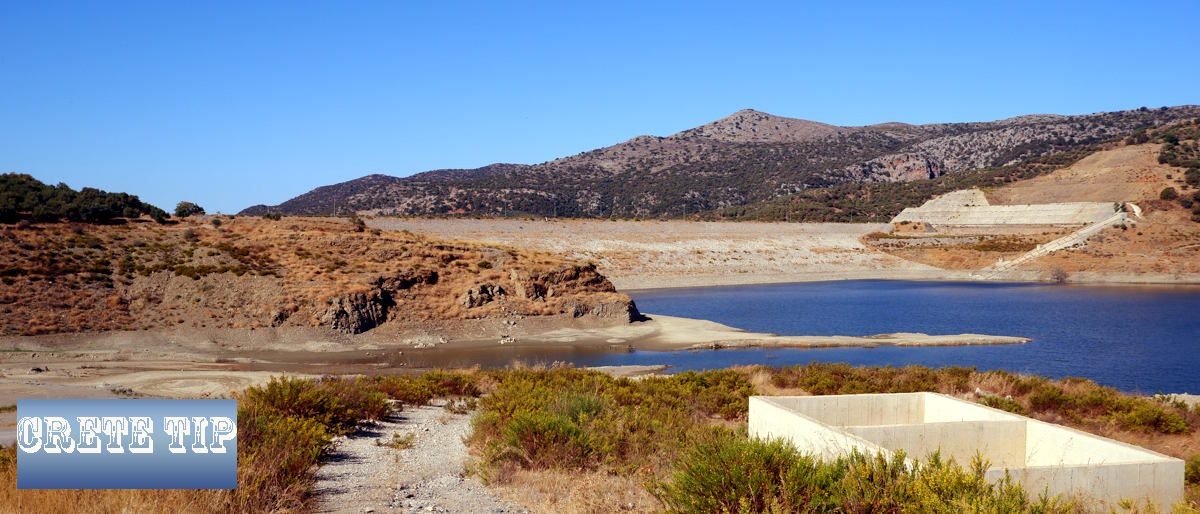
Crete is facing an escalating water crisis, and the situation at the Aposelemi Dam is raising serious concerns. In the heart of winter—traditionally the season that replenishes the island’s reservoirs—the dam is nearly empty. According to local water authorities, the remaining water is expected to last only until the end of February if rainfall does not increase immediately.
A Critical Situation in the Middle of Winter
The Aposelemi Dam is a key source of water for Heraklion and parts of eastern Crete. Yet current reserves are alarmingly low. Out of approximately 1.7 million cubic meters of water stored in the reservoir, only about 700,000 cubic meters are usable for supplying municipalities.
This means that even under careful management, water availability is now borderline for the coming weeks.
Authorities Sound the Alarm
Speaking to local media, the President of the Heraklion Municipal Water and Sewerage Company (DEYAH) described the situation as extremely difficult for both Heraklion and Lasithi. The lack of rainfall has pushed the region to the edge, forcing local authorities to consider immediate measures to avoid disruptions in water supply.
If weather conditions do not change soon, the dam’s reserves will reach critical levels before the end of February—months before the start of the high-demand summer season.
Emergency Measures on the Table
In response to the worsening drought, the Municipality of Heraklion has formally requested that the area be declared in a state of emergency. Such a designation would allow faster access to funding and tools needed to implement urgent water-related projects.
Among the key priorities being discussed are:
– Replacement of aging water pipelines in the Malia and Tylissos networks, which currently suffer from significant losses
– Inclusion of Heraklion in national water sufficiency programs
– Advancing desalination plans using water from the Almyros area as an alternative supply
These proposals aim not only to address the immediate crisis but also to strengthen long-term water security.
A Warning Sign for Crete
The situation at the Aposelemi Dam is more than a local issue—it is a clear warning about the broader water challenges facing Crete. Reduced rainfall, rising demand, and outdated infrastructure are combining into a perfect storm.
With summer still months away, the fact that water reserves are already at critical levels underscores the urgency of coordinated action.
Time Is Running Out
Unless significant rainfall arrives soon, Aposelemi’s water will only last until the end of February. The coming weeks will be crucial. What happens now will determine not only how Heraklion gets through the rest of winter, but how prepared Crete will be for an increasingly dry future.
What measures do you think should be prioritized to secure Crete’s water supply? Share your thoughts in the comments.



