

Complaints from staff in hotels and catering establishments.

As Crete experiences record tourism numbers with hotel occupancy rates exceeding 90% and sometimes reaching 100%, workers in the hospitality sector are raising serious allegations of exploitation, unsafe conditions and systematic labour violations.
Despite strong visitor numbers and positive revenue forecasts, hotel and restaurant staff describe a working environment characterised by staff shortages, excessive workloads, wage theft and pressure tactics that leave employees physically and emotionally exhausted.
Severe Understaffing Driving Intensification
According to Nikos Kokolakis, President of the Hotel Workers’ Union of Northern Heraklion, the shortage of personnel means existing staff are being asked to cover multiple positions simultaneously. Workers are effectively performing the roles of two or three employees while receiving payment for only one.
This intensification of labour continues throughout the tourist season without adequate relief or additional compensation. The union describes conditions as unsustainable and harmful to both worker wellbeing and service quality.
Digital Time Cards Being Manipulated
One of the most serious allegations involves systematic misuse of Greece’s mandatory digital work-time card system (Ergani). Workers report that employers or supervisors are preventing them from clocking in and out themselves, or are instructing them what times to record.
In some cases, employees are told not to swipe their cards on Sundays despite working those days, or are shown in the system as having a day off while actually being required to work without any recorded hours. This practice results in lost income and creates serious legal liability if a workplace accident occurs.
Wage Theft and Unpaid Work
Hotel staff describe instances where they work hours that are never recorded in the official system, meaning they receive no payment for that time. The union emphasises that this constitutes wage theft and violates both national labour law and collective bargaining agreements.
While workers did receive salary increases of 3% plus additional allowances of 1–2% from April 2026, many report that these gains are immediately erased by inflation and rising living costs. The base wage for entry-level hotel workers now stands at €1,010 per month, with experienced workers earning approximately €1,071 monthly—figures that many say are insufficient given workload intensity.
Workplace Tension and Harassment
Beyond wage and scheduling issues, the union has documented complaints of verbal abuse, insults and bullying among hotel staff. The relentless pressure and exhaustion are creating a toxic workplace atmosphere in establishments that should be showcasing Cretan hospitality.
Kokolakis noted that while such behaviour is occurring in a minority of hotels, the complaints are daily and come from specific establishments. The working environment is deteriorating as the season progresses.
Child Labour Concerns
The union has also raised alarm about the employment of minors in tourism businesses, which it says violates labour protections and requires immediate investigation by the Labour Inspectorate. If working conditions were improved, the union argues, young people could remain in the sector and develop careers rather than abandoning it for better opportunities elsewhere.
Workers Are Not Against Tourism—They’re Asking for Fair Treatment
Union representatives emphasise that hotel and restaurant workers are not opposed to tourism or to Crete’s economic success. Rather, they are calling for full compliance with collective bargaining agreements and for employers to recognise the labour that sustains the industry.
“Workers want summer seasons to go well for everyone, but they also need to be counted and valued. The development of tourism must be reflected in better working conditions and fair pay,” Kokolakis stated.
Inspections Insufficient to Address Scale of Problem
While labour inspections do occur, union officials say they are far too infrequent given the scale of the sector and the number of violations being reported. The local Labour Inspectorate is understaffed, and additional support from the national labour authority is needed.
The union is urging workers to report violations and calling on employers to implement the collective agreement fully and correctly. It is also asking authorities to significantly increase inspection frequency and intensity across the hospitality sector.
The Great Chef Exodus: Why Crete’s Skilled Culinary Workers Are Fleeing Abroad
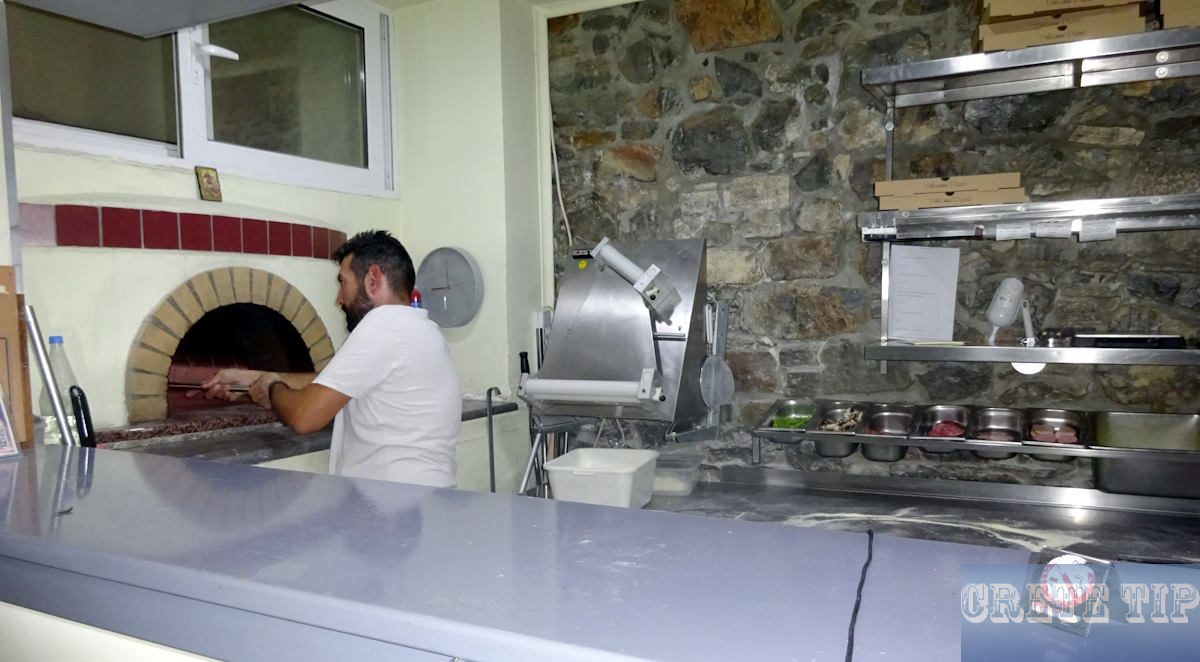
Crete is experiencing a troubling “mass exodus” of experienced chefs and pastry chefs, who are abandoning careers on the island to seek better opportunities abroad. According to union leaders, dozens of skilled hospitality professionals have left in recent years, with the trend accelerating dramatically over the past two years.
The phenomenon reflects a broader crisis in Greece’s food service sector, where working conditions, wages and labour protections have deteriorated so severely that even highly trained professionals are choosing to leave their homeland in search of dignity and fair treatment.
It’s Not About Money Anymore
Nektarios Moussakis, President of the Union of Chefs and Pastry Chefs in Heraklion, emphasises that the decision to emigrate is no longer driven primarily by wage differences. Instead, workers are fleeing poor working conditions, excessive hours and systematic non-compliance with basic labour rights.
“It’s not so much an economic issue anymore, but mainly a matter of conditions—working hours, days off,” Moussakis explained in an interview with Nea Kriti. Workers increasingly prefer to earn the same money abroad while enjoying proper schedules, guaranteed rest days and legal protections.
The Reality in Greek Restaurants
In Greece’s food-service sector, working conditions are vastly different from those in the country’s hotel industry, where collective agreements are generally respected. While hotels maintain reasonable labour standards, restaurants and cafés operate in what Moussakis describes as “chaos.”
More than half of restaurant and café owners—potentially as high as 60%—do not comply with labour law, according to union findings. Workers routinely go unpaid for Easter and Christmas bonuses, receive no holiday allowances, and are denied basic statutory rights.
Six-Day and Seven-Day Work Weeks
In Greece, restaurant workers are commonly expected to work six or even seven days per week for the same wages that would secure a five-day week abroad. The disparity in working conditions is stark and unmistakable.
“Even with the same money, in Greece they work a six-day week, if not seven days,” Moussakis stressed, highlighting the fundamental unfairness that pushes skilled workers to emigrate.
Digital Work Cards Aren’t Solving the Problem
Greece introduced mandatory digital work-time cards (Ergani system) to improve labour transparency and prevent wage theft. However, Moussakis reports that violations continue despite the system being in place.
“The digital card is being applied, but irregularities occur—who clocks the card and whose card is being used,” he noted. In establishments that fail to pay statutory bonuses, he questioned whether the digital system would be properly applied at all.
A New Collective Agreement—But Without Enforcement
The food-service sector recently signed a new collective bargaining agreement with the Greek Federation of Enterprises (GSEVEE), now made mandatory by law. However, without serious inspections and penalties, the agreement remains largely symbolic.
“Nothing will change in the chaos of the food-service sector unless Labour Inspectorate capacity is significantly strengthened and inspections are conducted regularly,” Moussakis concluded.
Younger Workers Are Leaving Fastest
Younger hospitality professionals, unencumbered by family obligations or property ties, are emigrating more readily than their older counterparts. They view relocation as a practical solution to escaping exploitative working conditions.
“Young people hesitate to create obligations nowadays and leave easily,” Moussakis observed, suggesting that the brain drain of youth talent will accelerate unless conditions improve immediately.
A Personal Story: From Greece to Austria
Manolis Vlachakis, 54, worked in prestigious hotels and casinos in Thessaloniki before moving to Germany and then Austria, where he has lived for the last 18 years. He rose to the position of chef in Greece but found advancement blocked by a gatekeeping culture that offered vague promises rather than clear career paths.
“In Greece, whenever I tried to advance, everyone told me ‘come let us see you and we’ll see what we do,’ ” Vlachakis recalled. Exhausted by empty promises, he left for Austria, where he was immediately offered housing, food allowances, competitive wages and a clear professional position.
As a chef in Germany, Vlachakis was already managing a small hotel before returning to Greece—only to be demoted to positions such as Chef de Partie or Sous Chef by employers who didn’t recognise his qualifications or experience. The experience reinforced his decision to remain abroad.
A Sector in Crisis
The mass exodus of chefs and pastry chefs is symptomatic of a deeper labour crisis in Greek hospitality. Unless working conditions improve significantly, the sector will continue to lose skilled professionals to countries with stronger labour protections and fairer employment practices.
Union leaders warn that without urgent action to enforce labour standards and support workers, Greece’s reputation for quality food service and hospitality will suffer alongside its ability to retain talented professionals.
Sources: Nea Kriti; CretalLive; Rethymnos News; Nea Kriti.



