

The two sides of tourism in Crete: Full planes, empty accommodations – the average price per night on Airbnb and how much does all-inclusive cost in the Mediterranean?
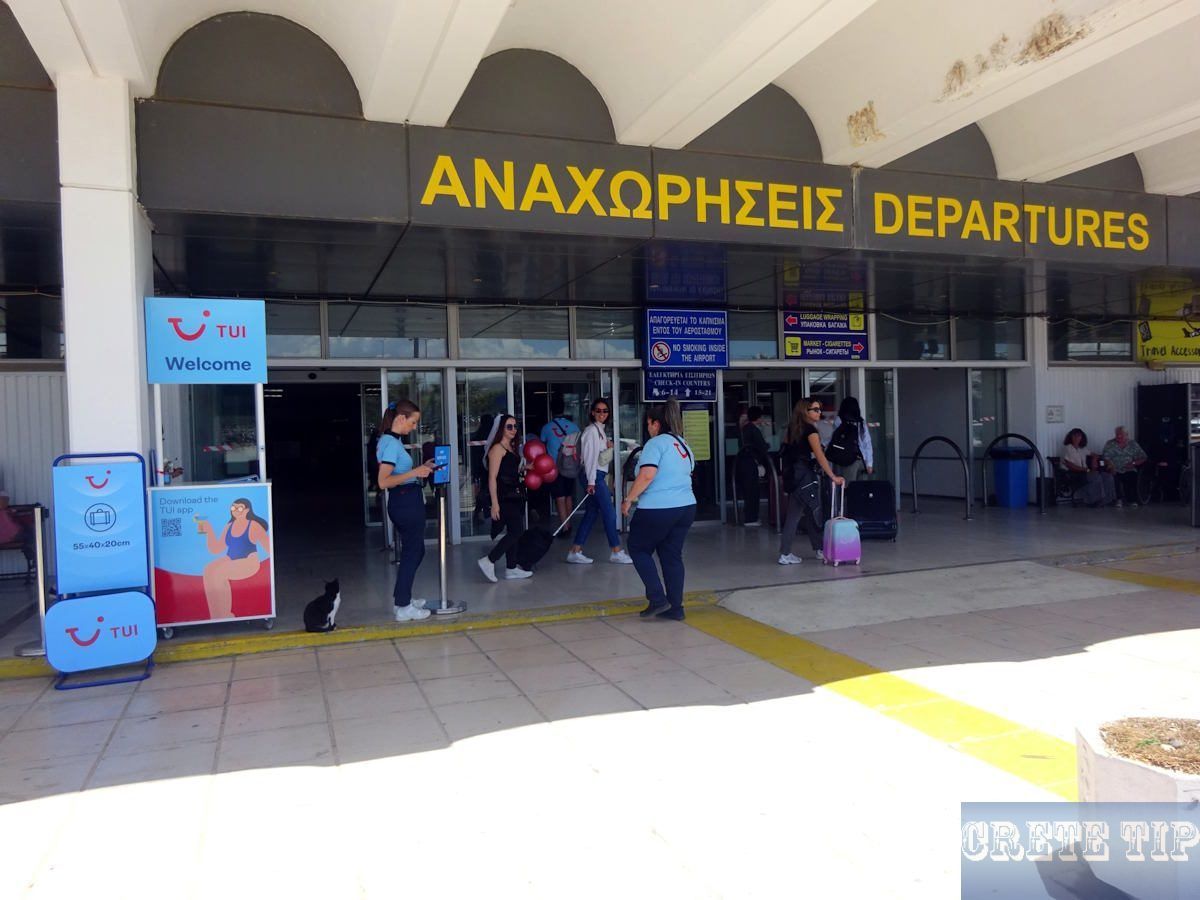
Crete draws people in with its rich culture and natural beauty—no wonder it’s a popular destination. Every year, crowds arrive, but lately, visitors don’t stay as long or spend quite as much as they used to.
These changes hit the local economy hard, especially for businesses that depend on longer visits. The impact ripples out to hotels, shops, and restaurants all over the island.
Accommodation providers keep facing challenges, even though flights to Crete are packed. The number of visitors doesn’t always match up with how full hotels actually get.
It’s a weird mix: busy airports, but sometimes empty rooms. If you want to understand what’s really going on with Crete’s tourism, you’ve got to look at these trends up close.
Key Takeways
- Visitor numbers to Crete remain high despite shorter stays.
- Spending per trip has declined, impacting local businesses.
- Accommodation availability often exceeds demand during peak periods.
The Two Sides of Cretan Tourism: Full Planes, Empty Accommodation – Counting Arrivals, Not Stays
Right now, Crete’s tourism scene feels split down the middle. Planes land full, but a surprising number of hotels and rentals sit half-empty.
The island keeps logging high arrival numbers, yet overnight stays just aren’t keeping pace. Tourists might be popping in for shorter trips or finding other places to stay.
Key points:
- Flight bookings are strong, indicating interest in travel to Crete.
- Accommodation occupancy rates lag behind arrivals.
- Tourist numbers are measured mainly by arrivals, not nights spent on the island.
This gap puts pressure on local businesses that count on longer stays and bigger spending. More details on this issue.
The Heraklion airport keeps breaking records for arrivals in 2025. In June alone, almost 1.4 million passengers passed through—up 6% from June 2024.
After the pandemic, numbers bounced back fast, with some months seeing increases of up to 30%. Both international and Greek visitors are fueling this surge. Foreign arrivals jumped 5% and domestic ones by 11% in June.
But here’s the catch: people don’t stay as long as they used to. The average length of stay is dropping, even while more travelers arrive.
Hotels get busy, but only for short stretches. That’s a tough situation for businesses that need guests to stick around longer to turn a real profit.
Across Greece, the rise in overnight stays barely budged—just under 2% in May 2025, lagging behind the increase in arrivals. The average hotel stay hovers at four days, not really changing much year to year.
Key points to consider regarding Crete’s tourism trends:
- Airport passenger growth: Strong and consistent increases, breaking records compared to previous years.
- Shorter stays: Average duration of visits is declining despite more arrivals.
- Pressure on local economy: Shorter visits mean less spending time at businesses, impacting turnover.
- Balanced visitor mix: Both international tourists and domestic travellers contribute to growth.
- Steady average stay length: Around 4 days on average in hotels, with little year-to-year change.
Aspect | 2025 Figures | Change Compared to 2024 |
|---|---|---|
Heraklion airport passengers (June) | 1,396,137 | +6% |
International arrivals (June) | Increased by 5% | +5% |
Domestic arrivals (June) | Increased by 11% | +11% |
Growth in overnight stays (May) | +1.87% | Slightly below arrivals growth |
Average hotel stay length | 4 days | Stable |
The rising number of arrivals without a matching increase in overnight stays raises important questions about the future of the island’s tourism. The model that depends on longer holidays generating sustained income may be under threat if the trend towards shorter visits continues.
Businesses such as hotels, restaurants, and local shops may find it more difficult to maintain growth if visitors spend less time on the island. Tourism authorities and local stakeholders might need to focus on attracting visitors who stay longer or try to spark interest in experiences that stretch out a trip.
Creating new options that increase the value of shorter stays could help reduce pressure on the sector. Maybe there’s room to rethink what Crete offers—something to keep people around just a little longer.
Data on Average Spending per Trip in Crete

Recent numbers show the average amount spent per trip to Crete has dropped by 19%, from 941 euros to 767 euros. Oddly enough, daily spending nudged up a bit—2.9% higher, from 87 to 89 euros a night.
Shorter trips explain the overall drop. In 2023, Crete had about 34.3 million overnight stays, but 2024 and 2025 are trending down.
It’s not that fewer people are coming; they just don’t stick around as long. More arrivals, but fewer nights—tourist behavior is shifting, and it’s pretty noticeable.
Year | Average Spending per Trip (€) | Spending per Night (€) | Overnight Stays (Millions) |
|---|---|---|---|
2023 | 941 | 87 | 34.3 |
2024 | 767 | 89 | Decreasing trend |
2025 | – | – | Decreasing trend |
This change in spending structure may affect tourism revenue despite the high number of visitors. The rise in arrivals combined with shorter stays reflects a new trend where tourists choose Crete for shorter breaks rather than longer holidays.
Maybe improved transport or better deals are drawing in more people, but with fewer nights booked, total revenue takes a hit. Businesses and policymakers should probably keep an eye on this and adapt fast.
The slight uptick in daily spending hints that visitors want quality over quantity. They might splash out more on food or activities during short trips, focusing on the good stuff instead of staying longer.
Key Points to Note:
- A 19% drop in total spending per trip.
- Slight increase in daily spending, indicating changes in spending habits.
- Tourist arrivals rising, but overall nights spent decreasing.
- Potential shift from longer holidays to short breaks.
Crete’s tourism sector has to get creative—maybe tailor packages for those quick, higher-spending visits. There’s a clear opportunity to rethink marketing and services for this new kind of traveler.
Hotels, restaurants, and local businesses could focus on making those short stays count, offering more value and experiences in less time. It’s not all bad news—just different.
For more detailed statistics and trends on Crete’s tourism spending and visitor patterns, check out the data at the Tourism Observatory Crete.
Influencing Factors
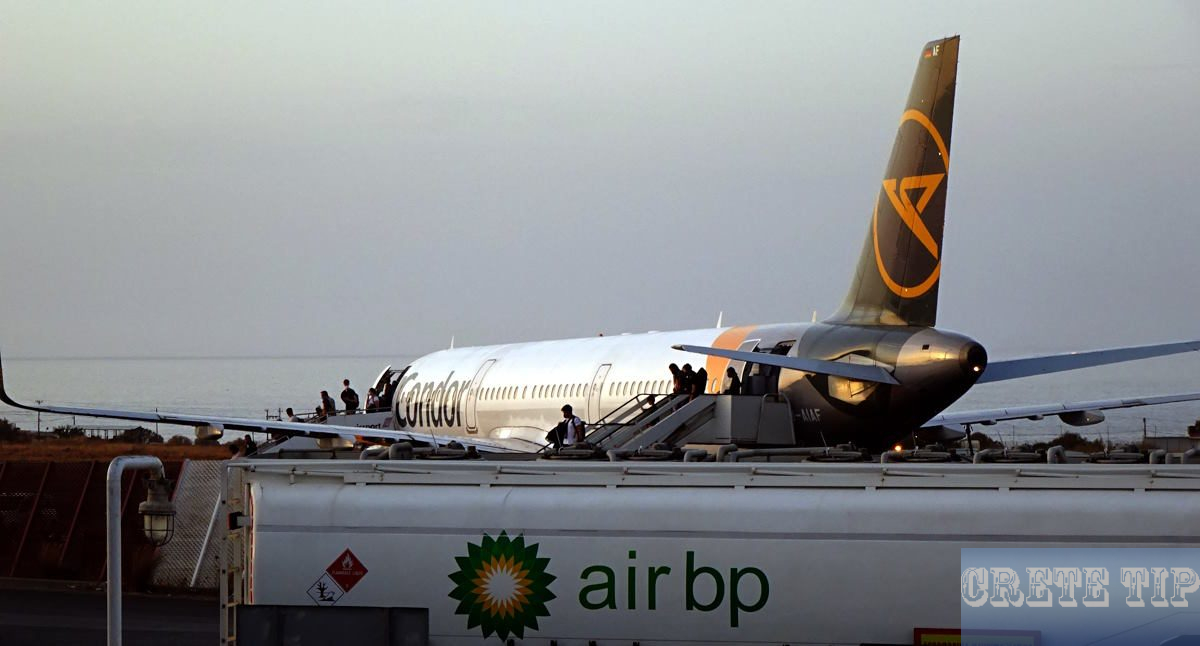
Plenty of things shape travel patterns and visitor behavior. The rising cost of living stands out, pushing a lot of people to tighten their budgets.
Because of this, you see shorter stays becoming the norm. More folks go for quick weekend getaways or stopovers instead of those classic, drawn-out holidays.
The average length of stay has slipped from over six days to just under six. That’s a pretty clear sign people are leaning toward shorter visits.
Even though airports report more arrivals, the increase is pretty modest. It looks like travelers are spreading out across different spots, not just flooding one place.
Airports really drive this whole dynamic. The busiest gateways pull in most of the arrivals—two major international airports actually handle over half the entries across the country.
Domestic travelers make up a smaller slice of overnight stays. International visitors still matter most for overall tourist numbers.
Key Airports and Their Role
Airport | Significance |
|---|---|
Eleftherios Venizelos, Athens | Main international hub with high traffic volume |
Nikos Kazantzakis, Heraklion | Key gateway for island tourism |
Macedonia, Thessaloniki | Northern entry point with regional influence |
Diagoras, Rhodes | Popular seasonal destination |
Ioannis Kapodistrias, Corfu | Access to the Ionian Islands |
Ioannis Daskalogiannis, Chania | Integral for western island arrivals |
Hippocrates, Kos | Smaller but significant tourist touchpoint |
Santorini Airport | Crucial for Cyclades tourism |
Zakynthos Airport | Important for summer holidays |
Mykonos Airport | Well-known for luxury and entertainment travel |
International visitors who land at the main regional airports usually come from a handful of countries. Germany and the UK top the list, but France, Poland, and the Netherlands aren’t far behind.
Austria, Belgium, Scandinavia, Italy, and Israel also send plenty of travelers. The mix shows how varied travel interests are and adds to the seasonal and economic diversity.
Trends in Visitor Origins
- Germany and the UK keep sending lots of travelers.
- Northern and Central Europe provide steady numbers.
- Mediterranean and Middle Eastern countries pitch in too.
The way visitors split by nationality and airport really highlights how interconnected travel has become. Economic pressures can easily shift where people go and how long they stick around.
Financial constraints push travelers to hunt for better value. That means more short trips, picking cheaper spots, or mixing in transit stops.
Industries that rely on longer stays—like hotels and local businesses—feel the impact when visitors don’t linger overnight.
Decline in Retail Sales
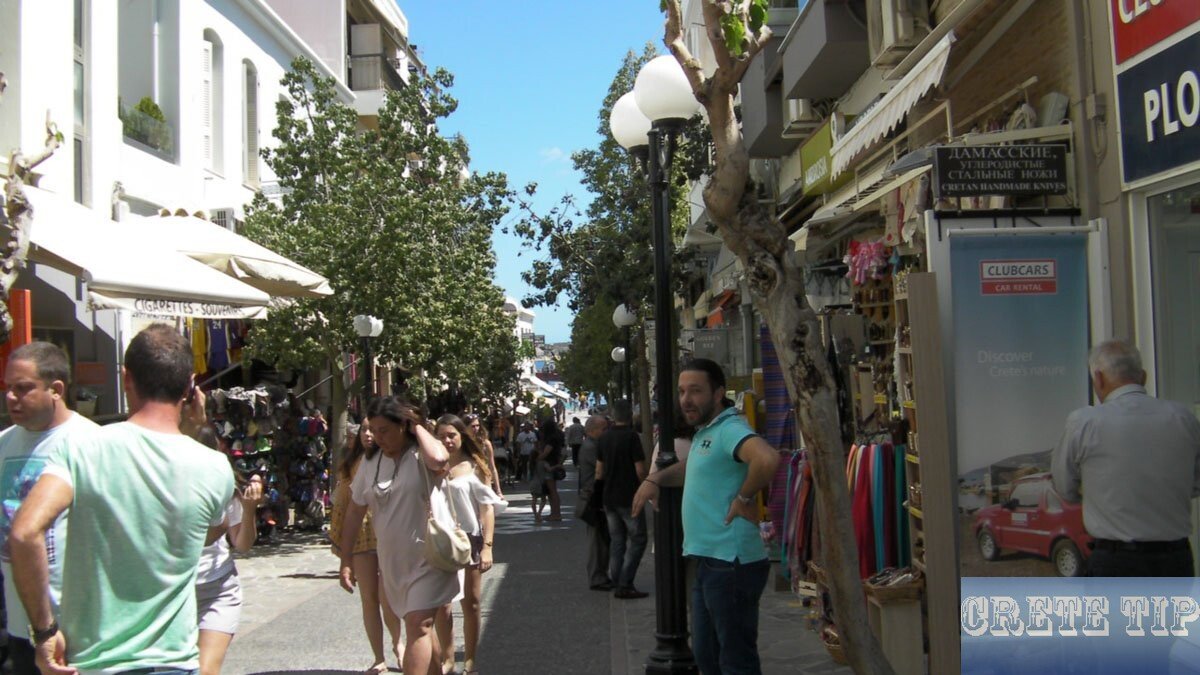
Retailers in Crete keep trying new tricks to attract customers—early booking deals, shorter promos, and flexible services that let tourists tweak their plans. Still, most visitors don’t drop much cash in local shops since all-inclusive packages already cover food and entertainment.
The real headache for retail? Infrastructure. Heraklion’s airport, built for 6 to 8 million people a year, somehow handled over 9.3 million in 2024. That kind of crowd puts a squeeze on local commerce and makes it tough for both visitors and residents.
There’s a plan for a new airport in Kasteli, aiming to open in 2027. If all goes well, it should take some pressure off Heraklion and make travel smoother overall.
The new airport might even change flight routes and attract tourists who are willing to spend more. That could finally give retail businesses a bit of a boost.
Factor | Effect on Retail Sales |
|---|---|
Early booking offers | Attract some advance customers but limited impact on total spending |
All-inclusive tourism | Limits tourists’ spending at local shops |
Overcrowded airport | Restricts visitor flow and local shopping capacity |
New Kasteli airport | Expected to ease congestion and improve tourist quality |
Local retailers are still up against it. Tourists’ shopping habits get shaped by those package deals, so there’s less room for impulse buys or trips to independent stores.
Without big changes in visitor patterns or better infrastructure, retail turnover keeps feeling the pinch.
Maybe improvements in transportation and a shift in who’s traveling will eventually change spending habits. For now, though, the numbers show retail turnover is slipping, which lines up with what’s happening across the local economy.
Visitors Arrive, But Stay for Shorter Periods
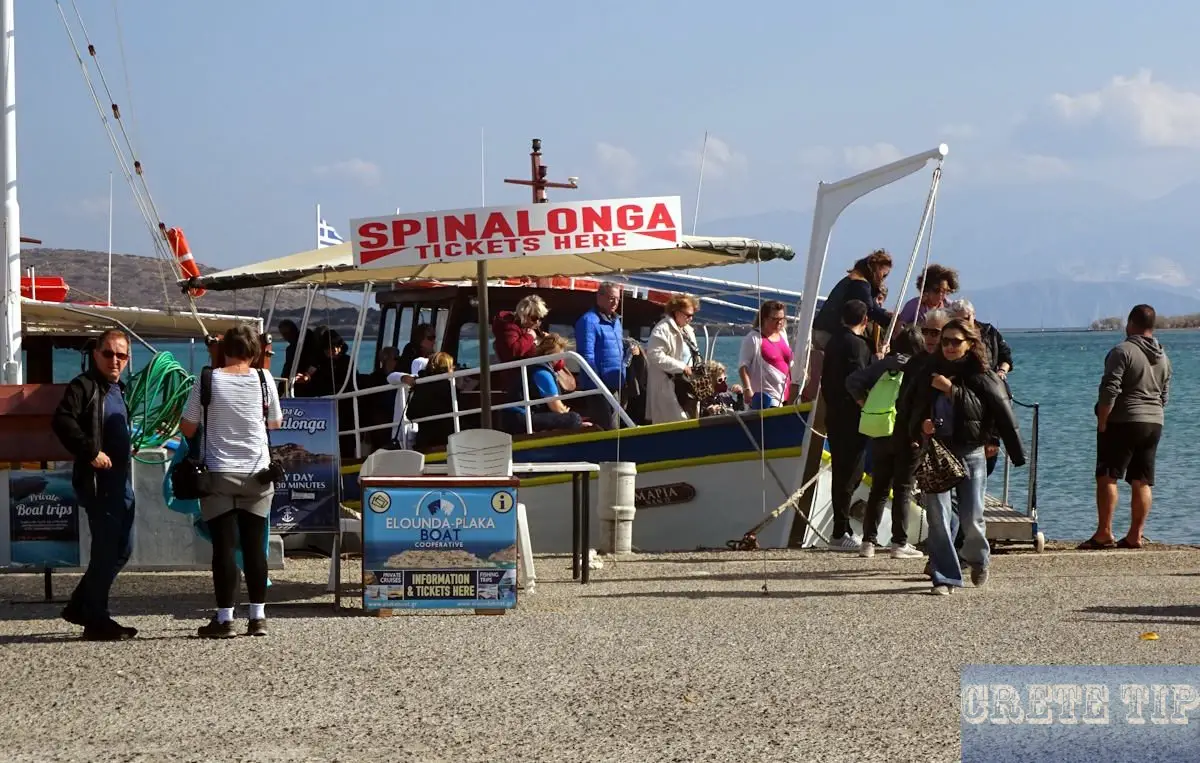
In 2025, you can see it everywhere: visitor numbers in popular destinations stay high, but the average stay keeps shrinking. It’s especially obvious in big tourist spots—airports stay busy, yet hotels and rentals report fewer nights per guest.
This puts places like Crete in a tough spot. Sure, tourists keep coming, but if they don’t stick around, the old playbook doesn’t work anymore.
What now? Just attracting more people won’t cut it. The focus needs to shift—think sustainability, better quality, and nudging folks toward longer visits.
- Promote longer stays with campaigns that make week-long holidays sound irresistible.
- Offer bundled experiences—cultural tours, food adventures, or rural escapes—to tempt people to linger.
- Create premium products like boutique hotels, immersive packages, and different routes beyond the touristy stuff.
- Upgrade infrastructure—especially transport and airport facilities—to make travel smoother and more comfortable.
Factors Behind Shorter Visits
Why do tourists spend fewer nights? Plenty of reasons:
- Money matters: Budgets are tight, so holidays get shorter.
- Social shifts: People now take more frequent, shorter breaks instead of one big trip.
- Travel habits: More flights and easier access mean quick visits are tempting, but they don’t last long.
Impact on Tourism Revenue
Shorter stays mean less money overall. Even if visitors spend about the same each day, fewer nights add up to lower totals for accommodation, food, attractions, and shopping.
That’s tough for local businesses that count on a steady stream of overnight guests.
Metric | Current Trend | Implication |
|---|---|---|
Visitor arrivals | Increasing | More visitors arriving |
Average stay length | Decreasing | Fewer nights spent per visitor |
Total tourist spend | Stagnant or declining | Lower overall revenue |
Strategic Focus for Improving Stay Duration
Want people to stay longer? Here are a few ideas:
- Marketing campaigns that show off the perks of longer vacations.
- Package deals bundling stays with local experiences—think cooking classes, hikes, or festivals.
- Invest in quality—appeal to travelers who want comfort and meaning from their trip.
- Improve transport so it’s easier to get around and see more.
The goal is to get visitors to dig a little deeper, not just tick off the main sights and move on.
Examples of New Tourism Models
Trying something different might help boost stay lengths, too:
- Cultural tourism: Heritage sites, museums, art events—there’s plenty to explore.
- Gastronomic tourism: Food and wine tours that make you want to stick around for another meal.
- Agrotourism: Farm stays and nature experiences for a slower, more authentic vibe.
- Wellness tourism: Health retreats that naturally require more time.
These options can make traditional hotspots feel fresh again, and they often draw visitors willing to stay longer and spend more.
Infrastructure as an Enabler
If you want people to stay longer, you’ve got to make it easy for them. Better airports, smoother roads, and reliable public transport all help.
Good digital connectivity and on-site services matter, too—they just make everything less of a hassle.
For more detailed insights, visit The Two Faces of Cretan Tourism.
Tourism in Crete: Expected a New Golden Season but Hotels Face Empty Beds
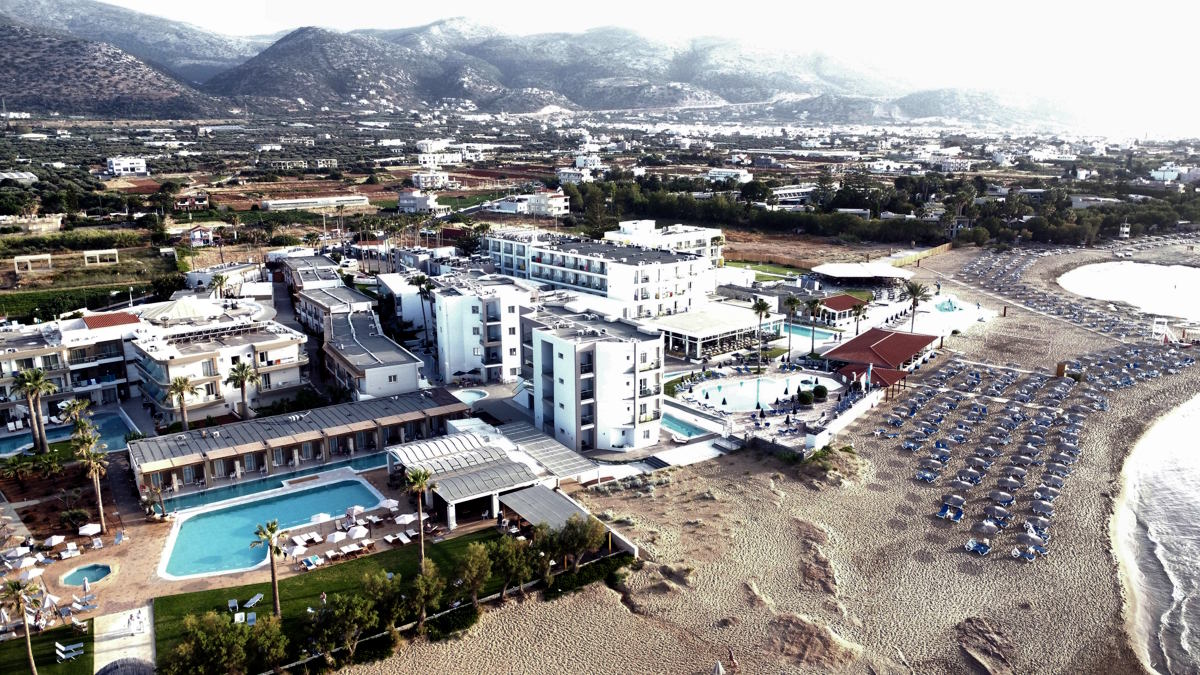
Hotel owners in Crete were hoping for a record-breaking season. Instead, they’re staring at empty rooms even during what should be the busiest weeks.
Airports are busy, sure, but those arrivals aren’t translating into the hotel bookings everyone expected. Hoteliers are now pinning their hopes on September, which lately has turned into quite a strong month for visitors.
Back in February, early bookings looked really promising. It felt like a record season was just around the corner.
Then, tensions in the Middle East flared up and reservations just stalled. Economic struggles in parts of Europe didn’t help either.
Plenty of tourists decided to wait for cheaper months or just cancelled altogether. Hotel rates stayed high because business costs kept climbing.
Energy prices, labor shortages, and all those extra operational expenses have piled up. That means accommodation prices are still up there, and not everyone can or wants to pay those summer rates.
Meanwhile, lots of travelers are picking short-term rentals over hotels. So, even though Heraklion and Chania airports are seeing more arrivals than last year, hotels aren’t feeling the benefit.
The demand’s shifting away from old-school accommodation. This hits the hotel sector’s income and occupancy rates pretty hard.
September now feels like a lifeline for many in the industry. Over the last few years, it’s started looking almost like a second July in terms of visitors and bookings.
Crete’s weather helps, too. Even as summer winds down, the island stays warm, and that keeps tourists coming later into the year.
Hotel prices in September are usually a bit more reasonable. That makes it easier for people to book, and it gives occupancy a real boost during those weeks.
Factors Leading to Empty Hotel Beds in Summer | Positive Signs for September Tourism |
|---|---|
Middle East tensions reduce bookings | Warmer late-season weather |
Economic crisis in Europe | Lower hotel prices |
High hotel prices due to cost increases | More tourists staying longer |
Guests favour short-term rentals | Hotels prepare for late arrivals |
Hoteliers are juggling high costs and changing demand. They’re shifting focus to September, prepping for an extended season instead of betting everything on the summer months.
Hotel managers say it’s a tough balance. Lowering prices fills beds but eats into profits, while raising them too much scares off guests.
For more on the challenges facing Crete’s hotels, there’s a detailed article about empty hotel beds amid an expected golden season.
Airbnb: Average Nightly Rate in Greece Hits €250 – Only Four Countries Costlier

Greece now sits among Europe’s most expensive countries for short-term rentals. For summer 2025, the average Airbnb price per night is about €250.
That puts Greece just behind four other European nations. It’s not exactly a bargain for travelers chasing short-term stays.
Some places blow right past that average. Mykonos, for example, tops the charts with nightly rentals averaging over €750.
Paros and Antiparos have seen prices spike, thanks to strong demand. Spetses and Santorini aren’t far behind, with average prices around €370 and €363 per night.
Location | Average Nightly Price (€) |
|---|---|
Mykonos | >750 |
Spetses | 371 |
Santorini | 363 |
Paros | Increased sharply |
Antiparos | Increased sharply |
Greece Total | 250 |
Still, there are places where prices haven’t gone wild. Skiathos and Zakynthos, for instance, keep average nightly costs under €280.
These spots pull in steady crowds. Skiathos sees occupancy rates around 67%, and Zakynthos about 58%—not bad at all for travelers looking for value.
There’s also been a noticeable rise in American tourists. Now, about 11% of all reviews for short-term rentals in Greece come from Americans.
They seem to love Athens and the islands. This growing American interest just adds to Greece’s international appeal.
Rising rental prices aren’t just about demand. Property owners and managers face higher operational costs, and recent laws have brought in new taxes and stricter rules.
VAT charges and compliance expenses get passed on to guests. The result? Higher nightly rates, and not much relief in sight.
Regulations aim to standardize rentals, but they also make hosting pricier. As these rules settle in, we might see prices climb even more.
If you’re booking an Airbnb in Greece for summer 2025, expect a split market. Premium spots cost a fortune, while some affordable islands still offer decent rates and strong demand.
That €250 average puts Greece near the top for European short-term stay prices. It’s expensive, sure, but clearly, plenty of people still think it’s worth it.
Want more on this? Check out the full report on Airbnb average prices in Greece.
How much does all-inclusive cost in the Mediterranean region?

Prices for family all-inclusive holiday packages have shot up in some of the Mediterranean’s favorite spots. Spain, Cyprus, and Turkey, for example, show some pretty sharp increases.
Take Cyprus: a week in August now runs about 23% more than before, jumping from £950 to £1,166 per person. On the flip side, Italy and Tunisia actually saw prices drop by 11% and 4% compared to last year—kind of surprising, right?
These price changes have definitely shifted how people book. UK travel agents say more folks are now picking shorter stays or traveling midweek to save a bit.
People seem pretty willing to tweak their plans if it means keeping costs in check. It’s a bit of a balancing act between budget and the holiday you really want.
Right now, the five most-searched destinations—Spain, Greece, Turkey, UAE, and Portugal—line up with the places seeing the biggest price jumps. UAE leads the pack, with prices leaping 26% from £1,210 in August 2024 to £1,525 this year.
Cyprus isn’t far behind, and it sits ninth in popularity based on search stats. These numbers come from travel booking inquiries made between mid-April and mid-June.
The data focuses on family holidays for seven nights, all-inclusive, in August 2024 and 2025. Of course, the actual price depends on where and when you book—there’s always a bit of wiggle room.
What’s behind these increases? It’s a mix of things. Hotels and resorts face higher operating costs, from bigger energy bills to pricier food for their restaurants.
Wages in the hospitality sector have also gone up across the board. All of that just piles onto the final price you see.
Destination | Price Change (%) | Price 2024 (£) | Price 2025 (£) |
|---|---|---|---|
United Arab Emirates (UAE) | +26% | 1,210 | 1,525 |
Cyprus | +23% | 950 | 1,166 |
Spain | Increasing | Varies | Higher |
Turkey | Increasing | Varies | Higher |
Portugal | Increasing | Varies | Higher |
Italy | -11% | Lower | Reduced |
Tunisia | -4% | Slightly lower | Slightly lower |
If you’re thinking about an all-inclusive, it’s smart to keep these price changes in mind. Flexibility with dates and destinations can really help stretch your budget.
Opting for less popular times or shorter trips often means you won’t have to break the bank. Sometimes, you can still get the holiday you want without paying top dollar.
Even with higher costs, demand remains strong. All-inclusive holidays just make life easier—meals, entertainment, and a place to stay all bundled together. That’s a big draw, especially for families.
People these days seem more cautious about spending and hunt for the best value. Shorter breaks and midweek bookings are up, probably because everyone’s watching their wallets a bit more closely.
The Mediterranean still holds its spot as a top choice. Gorgeous beaches, interesting cultures, and loads of family-friendly resorts—what’s not to like?
But honestly, if you want the best deals, a bit of research goes a long way. The market’s always shifting, so it pays to dig around.
For more on travel cost trends and where people are heading, check out the latest info on all-inclusive holiday prices.




So much missed out in this what about the most expensive groceries and dairy products in Europe not to mention the price of fuel in the garages. Until the prices come down to other more reasonable tourist resorts Crete is going to suffer. Take a tip from the Spanish who actually subsidise there island and give tax breaks not hold the islands to ransom because it’s an island and not the mainland. The present government is searching the four corners of the earth for tourists to make the numbers up and they have turned their backs on the traditional tourists who actually with their loyalty built Greece up.