

Newsflash from Saturday, 20 June 2026:

HCMR Pumps the Brakes on Pufferfish Panic: What You Need to Know This Summer
As social media buzzes with unconfirmed reports of pufferfish attacks on swimmers, Greece’s Hellenic Centre for Marine Research (HCMR) is calling for calm and clarity, urging the public to distinguish between real threats and baseless panic during the peak summer season.
The Pufferfish Problem: A Growing Invasive Threat
The lagocephalus sceleratus, commonly known as the pufferfish or rabbitfish, is a Lessepsian migrant species that traveled from the Red Sea through the Suez Canal into the Eastern Mediterranean. First recorded in Greek waters in 2005, this invasive fish has since spread to nearly all Greek seas, with sightings becoming increasingly frequent.
While the species poses significant ecological and economic threats, the HCMR emphasizes that the current wave of panic regarding attacks on swimmers is largely unfounded.
Real Threats: Biodiversity and Economics
The pufferfish’s actual impact is more insidious than dramatic beach attacks. As an invasive species, it has adverse effects on:
- Biodiversity: The fish competes with native species for food while having few natural predators in Mediterranean waters.
- Fisheries: It destroys fishing equipment, forces fishermen to change locations, damages commercially valuable catches, and increases repair costs—hitting coastal communities hard in areas where the species is abundant.
- Ecosystem Services: Its presence disrupts the delicate balance of Mediterranean marine ecosystems.
The Real Danger: Tetrodotoxin Poisoning
The pufferfish’s tissues contain tetrodotoxin (TTX), a potent neurotoxin for which there is no known antidote. Consumption of contaminated fish can be fatal. Due to this risk and related European legislation, the species and its relatives are strictly prohibited for human consumption.
In Greece, pufferfish poisoning from consumption has been recorded only once—involving five foreign sailors who were unaware of the species’ danger. To date, there have been no recorded deaths from pufferfish consumption in the country.
Separating Fact from Fiction: The Social Media Storm
Recent days have seen numerous social media posts claiming pufferfish attacks on swimmers. However, the HCMR has been informed of only one confirmed attack incident in Crete in 2022. These unverified claims have sparked widespread concern, creating unnecessary fear and anxiety among the public—potentially damaging summer tourism and water-based economic activities at a critical time of year.
The Centre stresses that without a centralized, official recording system for pufferfish incidents across Greece or other Mediterranean countries, reliable data on such attacks cannot be established.
What HCMR Is Doing About It
The Hellenic Centre for Marine Research has been monitoring the pufferfish phenomenon for years through research funded primarily by the Ministry of Rural Development and Food (MINAGRIC). Specialists are collaborating with relevant authorities to develop solutions.
In 2024, the HCMR developed an Action Plan for managing the species, funded by the Natural Environment and Climate Change Agency (OFYPEKA). The plan includes proposals for:
- Monitoring pufferfish populations
- Managing the invasive species
- Commercial exploitation opportunities
Additionally, a pilot eradication program is in the works, modeled after successful initiatives in Cyprus. This program would offer subsidies to coastal fishermen for targeted pufferfish removal in areas with high abundance. The proposal has been sent to the European Commission for negotiation and approval.

Advice for Summer: Stay Calm and Alert
The HCMR recommends caution and vigilance—not panic—for citizens and summer visitors to Greek waters. While pufferfish attacks on swimmers are extremely rare, responsible behavior around marine environments remains essential.
Key takeaways:
- Respect beach warning flags and lifeguard instructions
- Never consume unidentified fish species
- Report actual incidents to authorities rather than social media
- Avoid spreading unconfirmed reports that damage tourism and public confidence
As the summer season begins in earnest, Greek authorities and marine research institutions remain committed to monitoring the situation while encouraging a balanced, evidence-based approach to public safety.
Nature’s Unexpected Ally: Loggerhead Turtle Hunts Toxic Pufferfish in Crete Waters

An intriguing natural interaction unfolding in the waters of Crete is offering a glimmer of hope in the battle against one of the Mediterranean’s most problematic invasive species: the pufferfish.
A Predator Immune to a Deadly Toxin
The pufferfish (Lagocephalus sceleratus), widely known in Greece as the “lagokefalos,” has gained notoriety for its potent toxin, tetrodotoxin (TTX)—one of the most powerful poisons found in nature. Its presence has raised concerns among fishermen, scientists, and coastal communities due to both ecological disruption and risks to human health.
However, a surprising predator has entered the spotlight: the loggerhead sea turtle (Caretta caretta). According to reports, this protected marine species appears to be capable of preying on the toxic fish, showing resistance to its powerful venom.
A Natural Check on an Invasive Species?
The observation that loggerhead turtles can hunt and consume pufferfish suggests a potential natural mechanism for controlling the species’ growing population in Greek waters. Until now, the pufferfish was thought to have few—if any—natural predators in the Mediterranean.
This interaction highlights the importance of biodiversity in maintaining ecological balance. Protecting native and migratory species such as the loggerhead turtle may indirectly help limit the spread of invasive organisms.
Conservation Efforts Showing Results
The population of loggerhead turtles in Greece has been gradually increasing, thanks in part to conservation initiatives led by organizations like ARCHELON – The Sea Turtle Protection Society of Greece. These efforts include nest monitoring, habitat protection, and public awareness campaigns, particularly in key regions such as Crete’s Messara Bay.
As turtle numbers grow, their ecological role may become even more significant—possibly contributing to the control of species like the pufferfish.
A Reminder of Nature’s Balance
While human-led measures remain crucial in managing invasive species, this development underscores the power of natural ecosystems when properly protected. The presence of a predator capable of handling such a toxic prey offers a rare and valuable advantage.
Experts caution, however, that this alone is unlikely to fully resolve the issue. Continued monitoring, research, and conservation efforts remain essential to understanding and managing the complex dynamics of Mediterranean marine life.
Fishermen Declare War on Pufferfish: A 10-Day Battle to Save Greek Seas
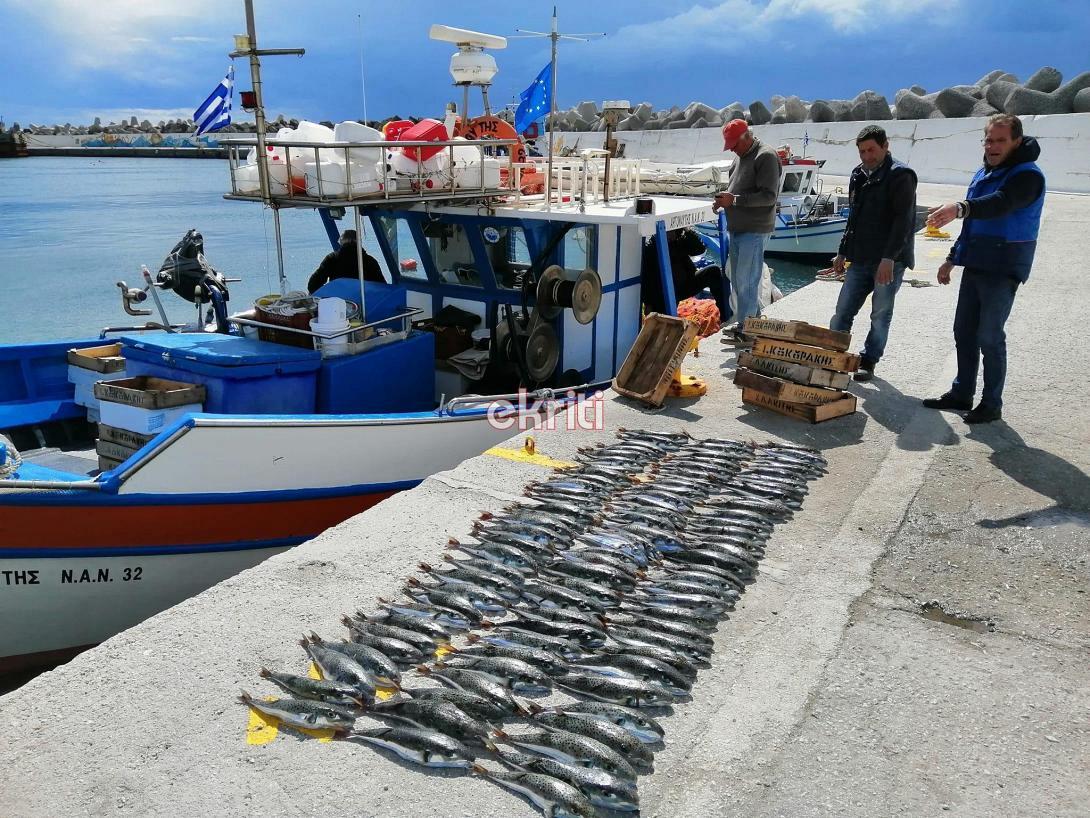
Greece’s fishing community is mobilizing for an unprecedented offensive against the invasive pufferfish, launching a nationwide 10-day fishing competition designed to dramatically reduce populations threatening both marine ecosystems and livelihoods across the country.
United Front: Amateurs and Professionals Join Forces
Both amateur and professional fishermen from across Greece are preparing to flood Greek waters and “clean” the Aegean Sea of the invasive species that has already wreaked havoc on local ecosystems. The initiative represents a rare moment of unity among the fishing community, driven by shared desperation and determination.
The effort comes as fishermen face mounting economic losses—research from the Hellenic Centre for Marine Research estimates that the average Greek fisherman loses over €6,000 annually due to pufferfish damage to equipment, nets, and catches.
The 10-Day Competition Kicks Off
Starting today, Rhodes-based amateur fisherman and chef Michalis Karpodinis has launched the first-ever pufferfish fishing competition. The initiative runs for 10 days through June 30th, with weekly winners receiving fishing equipment and other prizes as incentives.
The response has been staggering: competition page views have exceeded 500,000, and tens of thousands of participants have registered their interest to compete. Local authorities from pufferfish-affected regions are closely monitoring the campaign, with some—like the mayor of Megisti, Nikolaos Asvestis—planning similar operations in their own areas.
The Growing Threat: A Crisis Escalates
The pufferfish, which entered Greek waters following the opening of the Suez Canal and via ships that failed to follow proper biosecurity measures, has fundamentally altered marine behavior in recent months. Attacks on swimmers have begun to surface, indicating the invasive species now threatens not just the fishing industry but Greece’s vital tourism sector.
Without immediate intervention, marine scientists warn, pufferfish will annihilate the fish species and mollusks that Mediterranean populations have relied upon for 3,000 years—including octopus, squid, sea bream, and countless other staples.
The Pufferfish Problem: By the Numbers
The scale of the invasion is alarming:
- Reproduction Rate: Female pufferfish produce 1 million eggs annually
- Natural Predators: None—the species has no natural enemies in Mediterranean ecosystems
- Economic Impact: Over €6,000 annual loss per fisherman (equipment damage, net tears, stolen catch)
- Ecological Threat: Complete ecosystem collapse in affected regions
Government Considers Subsidies and Solutions
The Greek government is taking the crisis seriously, examining multiple strategies to combat the invasion. One proposal involves subsidizing fishermen to catch and remove pufferfish at €6 per kilogram—essentially creating a bounty system to incentivize their eradication.
A pilot program has already been launched in Crete, with the government exploring additional solutions to dramatically reduce pufferfish populations and preserve Greece’s fishing industry and marine ecosystem.
The Toxic Reality: Why Humans Cannot Help
While the fish devastates marine life, it remains dangerous for human consumption. Pufferfish contain a lethal toxin (tetrodotoxin) in their tissues, making them unsuitable and illegal for human food—unlike the fugu consumed in Japan, which is a different species.
However, a small handful of Mediterranean species possess immunity to the toxin and actively hunt pufferfish: garfish, dusky grouper, brown meagre, and the loggerhead sea turtle. Scientists have observed that garfish and loggerhead turtles show the most aggressive predatory behavior toward pufferfish.
An Alternative Approach: Protecting Natural Predators
Many scientific institutions have proposed an alternative to subsidized fishing: implementing a moratorium on fishing certain pufferfish predator species like garfish and dusky grouper. By allowing these natural hunters to thrive undisturbed, nature could do much of the work.
This strategy has been recommended by marine biology experts and is being studied by universities and research centers across the Eastern Mediterranean, including institutions in Turkey, Egypt, and Cyprus.
A Call to Action
The fishermen’s declaration of war represents more than economic self-preservation—it’s a fight for the survival of Mediterranean marine heritage. With government backing, community support, and determination, Greece’s fishing community is determined to reclaim its seas.
As the 10-day competition begins, the nation watches to see if collective action can stem the tide of an invasion that threatens 3,000 years of cultural and ecological history.



