

Newsflash from Friday, 10 July 2026:
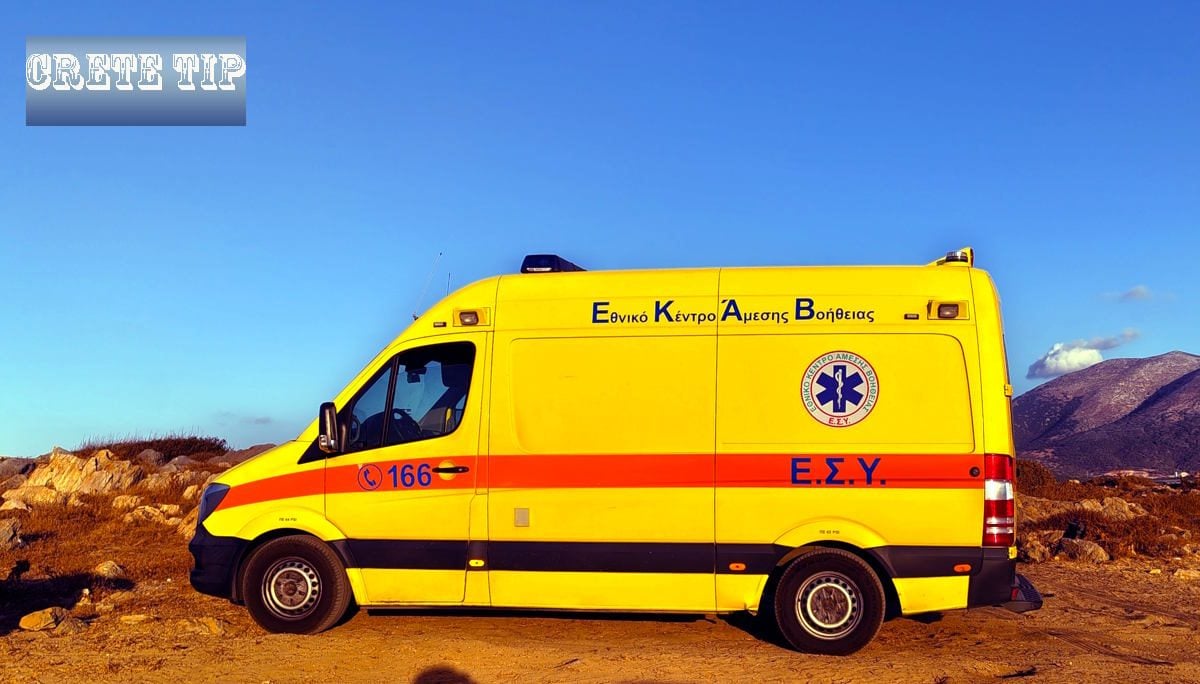
A series of recent rescue operations across Crete has raised fresh concerns about safety for walkers, hikers, and tourists exploring the island’s rugged landscapes. From steep coastal trails to remote gorges and rocky beaches, emergency services have been repeatedly called into action to assist injured or distressed visitors.

In Sfakia, a 65-year-old tourist from the United Kingdom was hospitalized after falling approximately 4.5 meters while hiking along the European E4 trail between Lykos and Marmara. The man sustained injuries, including broken ribs and a knee fracture, and was transported first by boat and then by ambulance to Chania General Hospital. Despite the severity of the fall, his life is not in danger. Local voices have since called for improved safety measures along the trail, citing inadequate protective infrastructure.

In a separate incident, an 80-year-old man collapsed while walking through the Imbros Gorge, also in the Sfakia region. Emergency responders from the Fire Service quickly mobilized, reaching the δύσβατο σημείο and transporting him to safety before he was taken to hospital for precautionary treatment. Early reports suggest the collapse may have been caused by a drop in blood pressure, and his condition is not considered serious.
Meanwhile, on the southern coast near Heraklion, another tourist was injured after falling onto rocks at Kommos Beach. A lifeguard intervened before emergency crews arrived, and the injured visitor—who suffered head wounds—was transferred to hospital. Fortunately, his injuries are not believed to be life-threatening.
These incidents underline the increasing pressure on emergency services during the busy summer season, as more visitors venture into Crete’s natural attractions. While the island offers breathtaking routes and landscapes, authorities and local communities are urging greater awareness, preparation, and respect for safety guidelines.
Experts emphasize the importance of proper footwear, hydration, and caution when navigating challenging terrain, particularly in high temperatures. At the same time, calls are growing for improved infrastructure and clearer safety measures in popular hiking areas to reduce the risk of further accidents.
Quick Action Saves the Day: Lifeguard Rescues Injured Tourist at Kommos Beach

A potentially serious incident at Kommos Beach in southern Crete ended safely thanks to the swift response of a lifeguard, who rescued an injured tourist before emergency crews needed to intervene.
The incident occurred on Thursday afternoon near the coastal area of Pitsidia in the Municipality of Phaistos, when a foreign visitor was injured under circumstances that remain unclear. The situation prompted an immediate mobilization of local emergency services, including the Fire Brigade and an ambulance from the National Emergency Aid Center (EKAB).
Initial reports suggested that the rescue operation could prove difficult, leading authorities to prepare for possible intervention by the Special Disaster Response Unit (EMAK). However, before specialized teams arrived on the scene, a lifeguard already present at the beach acted quickly, managing to safely retrieve the injured man and move him to a secure location.
Paramedics then provided first aid and transported the tourist to Venizeleio Hospital in Heraklion, which was on duty at the time, for further medical evaluation and treatment. The exact cause of the injury is still under investigation.
The incident highlights the critical role of trained lifeguards in busy tourist destinations, particularly during the peak summer season when beaches are crowded and risks can increase. Their immediate response can make a decisive difference in preventing more serious outcomes.
Sources:
ZarpaNews.gr
Neakriti.gr
Cretalive.gr
Neakriti.gr



