

Is Greece really an affordable holiday destination, and is Crete the spearhead of the Greek tourism boom? – VS – The pursuit of short-term profit is destroying the ‘terroir’ and creating second-class foreigners in their own city.

Greece vs. Europe: Is Greece Really a Budget-Friendly Holiday Destination? New Data Reveals the Truth
Planning a Mediterranean vacation? You’ve probably heard that Greece offers exceptional value compared to other European destinations. But according to the latest Eurostat price level data for 2025, the reality is more nuanced than you might think.
New analysis reveals that while Greece remains cheaper than the European average, it faces stiff competition from surprisingly affordable alternatives—and some European favorites are shockingly expensive.
Greece vs. the European Average: A Solid Bargain
Let’s start with the good news. Greece’s overall price level for household consumption stands at 87.4 on the Eurostat index, where the EU average is set at 100. This means Greece is approximately 12.6% cheaper than the European Union average across all consumer goods and services.
When it comes to the categories most relevant to tourists—restaurants and accommodations—Greece performs even better. With an index of 86.1, Greek dining and lodging are 13.9% below the EU average.
“Greece definitely represents good value when compared to the broader European market,” explains the analysis from Eurostat’s detailed price level indices.
The Competition: Who’s Cheaper Than Greece?
Here’s where things get interesting. Greece is not the cheapest option in the Mediterranean. Three countries offer significantly better value:
1. Turkey – The Clear Winner
Turkey dominates the affordability rankings with an overall price index of just 59.6—making it 40.4% cheaper than the EU average. For restaurants and hotels specifically, Turkey scores 78.3, undercutting Greece by approximately 10%.
2. Croatia – A Strong Alternative
Croatia, often marketed as the “new Greece,” offers an overall price index of 78.4. However, for dining and accommodation, it’s slightly pricier than Greece at 89.6—making Greek holidays marginally more affordable.
3. Portugal – The Bargain Beach Destination
Portugal, increasingly popular with budget-conscious travelers, scores 86.6 overall. Surprisingly, Portuguese restaurants and hotels are the cheapest among these seven countries at 73.6—approximately 17% cheaper than Greece.
How Greece Stacks Up Against Pricier Neighbors
Where Greece truly shines is in comparison to Western Europe’s premium destinations:
- Spain: Greece is approximately 5.5% cheaper overall (Spain: 91.6 vs. Greece: 87.4). For dining and lodging, Spain is 0.7% more expensive—virtually identical.
- Italy: Greece offers significant savings, with Italian restaurant and hotel prices approximately 28.7% higher than Greece’s.
- France: The most expensive destination in this comparison, with dining and accommodation costs roughly 34.7% higher than Greece.
A Closer Look at the Data
It’s important to understand what these price indices actually measure. Eurostat’s Price Level Indices (PLI) compare a broad basket of goods and services consumed by households—not just tourist activities. The analysis includes:
- Food and groceries
- Housing and utilities
- Transportation
- Clothing
- Communications
- Recreation and culture
- Dining and accommodation
For context, restaurants and hotels account for approximately 10% of total household consumption spending on average across the EU.
The Bottom Line: Is Greece Worth It?
Greece offers genuine value for money—but it’s not the cheapest option available. Consider your priorities:
- Best overall value: Turkey (significantly cheaper across the board)
- Best dining prices: Portugal (17% cheaper)
- Competitive Mediterranean option: Greece (balances affordability with authentic experiences)
- Premium European experiences: France and Italy (expect to pay substantially more)
Greece remains an excellent choice for travelers seeking Mediterranean charm without the premium prices of France or Italy. However, budget-focused holidaymakers should seriously consider Portugal or Turkey as alternatives.
What About Alcoholic Beverages?
One surprising finding: Greece has notably high prices for alcoholic beverages compared to other destinations—a point worth considering if you enjoy wine or cocktails during your vacation.
Greece Tops European Tourism in 2026: Explosive Growth with 38% More Arrivals and 64% Revenue Surge

Greece has emerged as the undisputed leader in European tourism for 2026, recording the strongest growth in both international arrivals and travel revenues—outperforming every other destination on the continent.
According to the latest report “European Tourism: Trends & Prospects” by the European Travel Commission (ETC), Greece saw a remarkable 38.3% increase in international arrivals in the first months of the year, alongside an even more impressive 64.3% surge in tourism revenues.
This exceptional performance places Greece firmly at the top of Europe’s tourism recovery, with Crete leading the charge as one of the country’s most dynamic and resilient destinations.
Crete: The Spearhead of Greece’s Tourism Boom
Crete continues to play a central role in Greece’s tourism success, acting as a key driver of growth thanks to strong demand, expanded flight connectivity, and a reputation as a safe and diverse destination.
Tourism stakeholders on the island report a solid season so far, with optimistic projections for the months ahead—particularly for the autumn period, which is expected to attract even more international visitors than the peak summer season.
Industry representatives highlight that Crete’s ability to extend its tourist season beyond the traditional summer months is a major factor behind its sustained success.
Spending Outpaces Arrivals
One of the most notable trends is that tourism revenues are growing significantly faster than arrivals. This indicates a sharp rise in average spending per visitor, a key metric for long-term sustainability and profitability.
In contrast, other major destinations are not seeing the same effect. For example, Italy recorded a 21.1% increase in arrivals but only a 4.3% rise in revenues, suggesting lower per-visitor spending.
Europe’s Tourism Sector Shows Resilience
Across Europe, tourism is rebounding strongly despite ongoing challenges such as geopolitical tensions, higher travel costs, and pressure on household incomes. Overall, international arrivals across the continent rose by 5%, while overnight stays increased by 4.8%.
Nearly 80% of European destinations reported growth in the second quarter of 2026, with one in five achieving double-digit increases.
Travelers are continuing to prioritize holidays, but they are becoming more selective—favoring destinations that offer safety, value for money, and easy accessibility.
Mixed Picture Across Destinations
While Greece, Italy, Malta, and Spain posted strong performances, other destinations faced setbacks. Cyprus saw a significant 17.9% decline in arrivals, partly due to geopolitical concerns linked to its proximity to the Middle East. Turkey also recorded a 2.1% decrease in arrivals, alongside reduced travel spending.
Meanwhile, Northern Europe delivered the strongest regional growth rates, with arrivals up 10% and overnight stays rising by 8.4%.
Challenges Within Success
Despite the overall positive outlook, there are signs of changing traveler behavior. Industry experts in Crete note that while visitor numbers remain strong, spending patterns can vary significantly, with some tourists becoming more cautious due to economic pressures.
Hotels that adjusted pricing strategies and offered deals reported higher occupancy, while those maintaining higher rates saw occupancy levels between 60% and 65% during peak periods.
The Big Picture
Greece’s tourism success in 2026 highlights its growing global appeal and adaptability in a rapidly changing travel landscape. With record-breaking growth in both arrivals and revenue, and with destinations like Crete leading innovation and resilience, the country is setting the pace for Europe’s tourism future.
Don’t Destroy What Visitors Come to See: A Powerful Warning on Overtourism in Greece

Tourism has long been one of Greece’s greatest strengths—fueling local economies, creating jobs, and connecting the country with the world. But as visitor numbers continue to rise, a growing concern is emerging from local voices: are we at risk of destroying the very thing that attracts tourists in the first place?
In a thoughtful reflection from Agios Nikolaos, Crete, one resident raises an important question—not as an expert, but as someone who has lived, observed, and deeply cared about the place he calls home.
When Tourism Stops Being a Blessing
Tourism, at its best, brings life, cultural exchange, and opportunity. But problems begin when it becomes uncontrolled, unplanned, and driven by short-term gain. Instead of coexisting with a destination, it can start to consume it.
“A place once had its own voice, character, and authenticity,” the author notes. “That’s what is now at risk of being lost.”
From traditional food and music to local language and everyday habits, subtle changes are reshaping the identity of popular destinations—often not through meaningful cultural exchange, but through adaptation aimed purely at meeting tourist expectations.
From Hospitality to Over-Accommodation
Greek hospitality has deep roots, symbolized by the ancient concept of Xenia—welcoming the stranger while maintaining one’s identity. Today, however, that balance is shifting.
In many places, locals feel that they are no longer hosting visitors, but bending over backwards to accommodate them, sometimes at the expense of their own culture. The result? Destinations that begin to lose their uniqueness and start resembling one another.
The Risk of Losing “Terroir”
The French term terroir captures something difficult to quantify: the flavor, atmosphere, memory, and identity of a place. It’s what makes each destination distinct.
But when everything becomes a product—standardized, packaged, and optimized for mass consumption—that essence can fade. What remains is a polished but hollow version of the original place.
Growth Without Limits Comes at a Cost
The numbers tell a story of success. Greece welcomed over 43 million visitors in 2025, generating approximately €23.6 billion in revenue. Yet behind these figures lie real pressures:
- Strain on water resources
- Overloaded infrastructure and roads
- Increased waste and environmental impact
- Rising housing costs for locals
Experts often refer to “carrying capacity”—the point at which a destination can no longer sustain additional visitors without damaging its environment and quality of life. But for residents, the concept is simpler: how much can a place endure before it loses its balance?
When Communities Become Backdrops
One of the most visible consequences of overtourism is the transformation of neighborhoods into short-term rental zones. As homes increasingly turn into tourist accommodations, permanent residents are pushed out.
“A place without residents is no longer a community,” the author warns. “It becomes a showcase.”
The impact extends beyond housing. Teachers, doctors, and workers struggle to find affordable living spaces, while everyday life becomes more difficult for those who remain year-round.
A Call for Balance
The message is not anti-tourism. On the contrary, tourism is recognized as vital. But it must be balanced, respectful, and sustainable—designed to support both visitors and the people who call these destinations home.
Because if the natural beauty, authenticity, and livability of a place are exhausted, the tourism product itself ultimately suffers.
The Bottom Line
Greece’s appeal has never been just about beaches and sunshine. It’s about identity, culture, and everyday life. Protecting those elements isn’t just a cultural responsibility—it’s essential for the future of tourism itself.
Let’s not destroy what people come here to experience.
“Strangers in Our Own City”: When Residents Become Second-Class Citizens in Tourist Hotspots
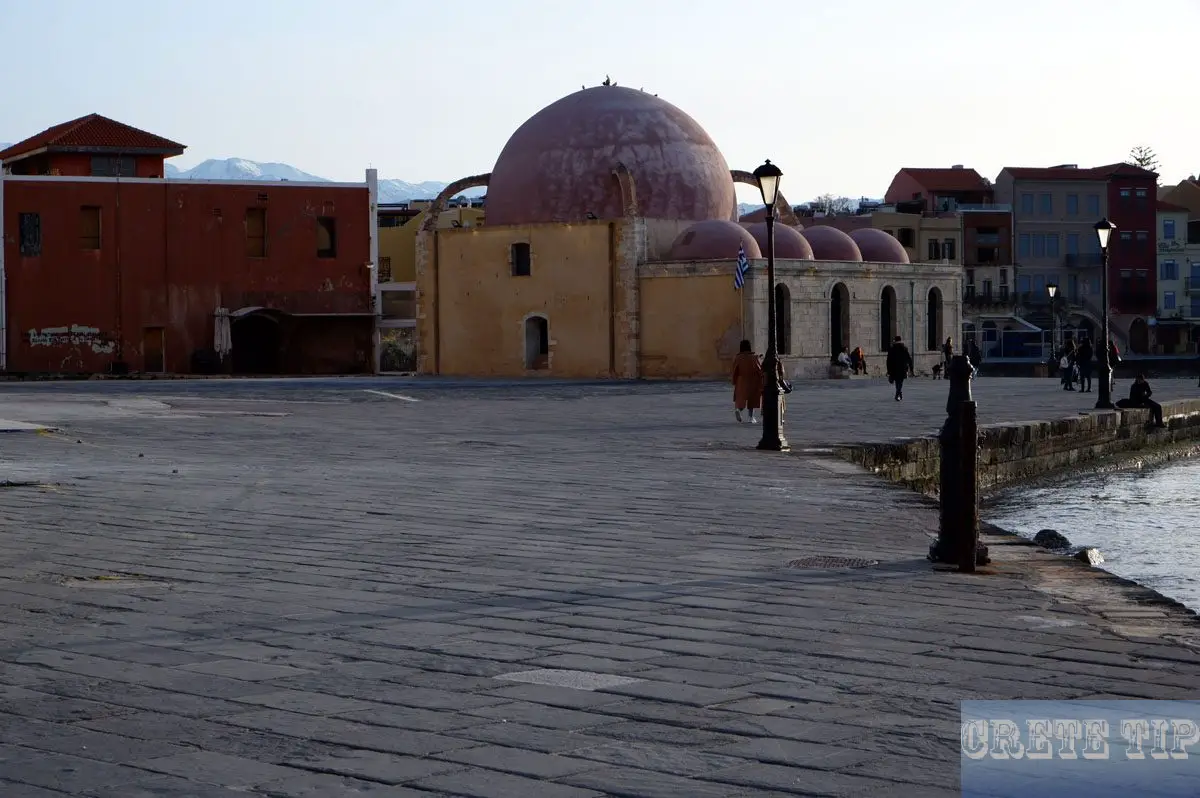
In one of Greece’s most popular destinations, a growing number of residents are sounding the alarm: life in their own city is becoming increasingly unlivable. What was once a vibrant community is, for many, turning into a place where locals feel pushed aside—economically, socially, and even physically.
The warning comes from Chania, Crete, where a frustrated resident describes a reality that is becoming all too familiar in high-demand tourist areas: “Soon, we will become strangers—pariahs—in our own land.”
Daily Life Under Pressure
Behind the postcard-perfect image of Chania lies a different story for those who live there year-round. Residents report mounting difficulties in securing basic needs, from affordable housing to accessible public services.
Short-term rentals and the rapid expansion of tourism have significantly reduced the availability of long-term housing. As a result, prices have surged, forcing many locals—especially young people and families—to either leave the city or live under increasingly strained conditions.
“We can’t find homes, and when we do, the prices are beyond reach,” the resident notes, reflecting a sentiment shared by many across Crete.
Tourism Growth, Local Displacement
Tourism remains a cornerstone of the local economy, but its rapid and often unregulated growth is creating imbalance. Entire neighborhoods are being reshaped to cater almost exclusively to visitors, while permanent residents struggle to maintain a normal daily life.
Essential workers—teachers, healthcare staff, and service employees—are among the hardest hit. Without access to affordable housing, many are unable to remain in the areas where they are most needed.
Infrastructure Strain and Quality of Life
The impact extends beyond housing. Residents point to overcrowded streets, traffic congestion, noise, and pressure on infrastructure as part of their daily reality during peak tourist months.
Public spaces that once served the community are increasingly dominated by commercial use, while basic services are stretched thin under seasonal population surges.
For many locals, the issue is not tourism itself—but the lack of planning and limits.
“We Are Being Pushed Aside”
The emotional toll is just as significant as the practical challenges. The feeling of being sidelined in one’s own city is becoming more widespread.
“We are not against tourism,” the Chania resident emphasizes. “But we cannot accept living like second-class citizens in our own home.”
This growing frustration reflects a broader concern across many popular destinations in Greece and beyond: when tourism development prioritizes visitors at the expense of residents, the social fabric begins to fray.
A Call for Balance and Action
Residents are calling for meaningful intervention, including:
- Better regulation of short-term rentals
- Policies to ensure affordable housing for locals
- Improved infrastructure planning
- Protection of community spaces and services
Without such measures, they warn, cities risk losing not only their inhabitants but also their identity.
The Bigger Picture
The situation in Chania is not an isolated case. Across Europe, popular destinations are grappling with the same dilemma: how to balance economic growth through tourism with the well-being of local communities.
If that balance is not achieved, the consequences could be long-lasting—not just for residents, but for the sustainability of tourism itself.
Because a city without its people is no longer a living place—it’s just a destination.
Sources:
Hania.news – Eurostat Price Analysis
Newshub.gr
Anatolh.com
ZarpaNews.gr



