⭐⭐⭐⭐ Nestled among rolling olive groves in Rethymno, Crete, the village of Kapsaliana is a place where history, architecture, and quiet luxury come together in remarkable harmony. Once a fading settlement with only a handful of residents, this 16th‑century village has been painstakingly restored and reborn as the Kapsaliana Village Hotel, one of Greece’s most atmospheric heritage stays.

A Village Rooted in Monastic and Cretan History
Kapsaliana’s story begins during the Venetian occupation of Crete, when it formed part of the estate of the Arkadi Monastery—one of the island’s most significant and symbolic religious sites. Around the year 1600, a small chapel dedicated to Archangel Michael was built, marking the beginning of a hamlet that would slowly grow around faith, agriculture, and communal life.
In 1763, Filaretos, the Abbot of Arkadi Monastery, recognized the area’s ideal terrain for olive cultivation and ordered the construction of an olive oil mill. At the time, olive oil was central to everyday life in Crete, serving as food, fuel, and a sacred element in religious rituals. Workers arrived, homes were built, and Kapsaliana flourished.
At its height, the settlement was home to thirteen families and about fifty residents, all under the supervision of the monastery’s monk‑steward. For more than two centuries, the olive mill was the village’s beating heart.

Decline After War and Abandonment
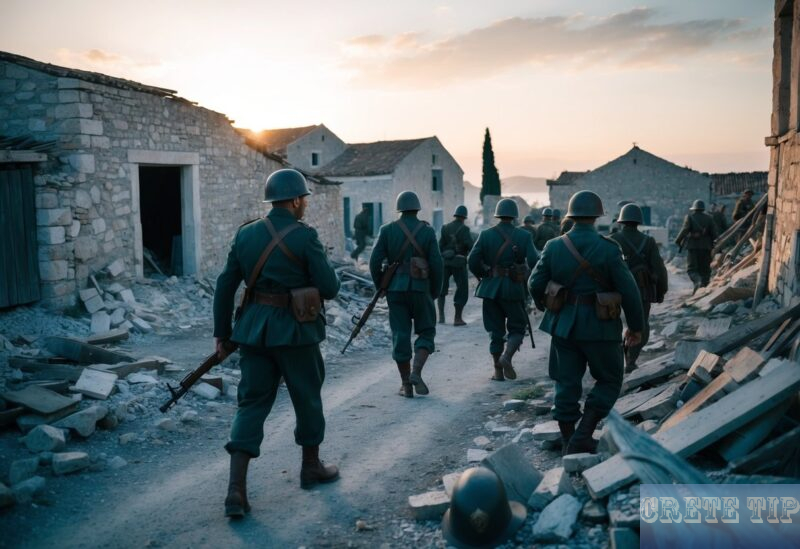
Like many rural settlements in Greece, Kapsaliana began to decline after World War II. In 1955, the olive mill—its primary source of life—closed down. Gradually, residents left in search of better opportunities, and by the 1970s, only seven people remained. Stone houses crumbled, courtyards fell silent, and the village seemed destined to disappear.

One Architect’s Vision
Everything changed when architect Myron Toupoyannis discovered Kapsaliana in the 1970s. Specializing in the restoration of traditional settlements, he immediately felt a deep connection to the abandoned village. Inspired by similar restoration projects he had seen in Italy and France, Toupoyannis began purchasing ruined houses, driven more by instinct than by a clear plan.
The challenges were immense—financial, technical, and logistical. Restoration work was slow and meticulous, guided by one core principle: respect for the land’s legacy and the spirit of local vernacular architecture. Rather than imposing modern design, Toupoyannis allowed Kapsaliana’s history to lead the way.

The Birth of Kapsaliana Village Hotel
After decades of effort, the vision came to life. In 2008, Kapsaliana Village Hotel officially opened its doors to guests. The response was immediate and enthusiastic. Visitors praised its authenticity, serene atmosphere, and seamless blend of history and comfort.
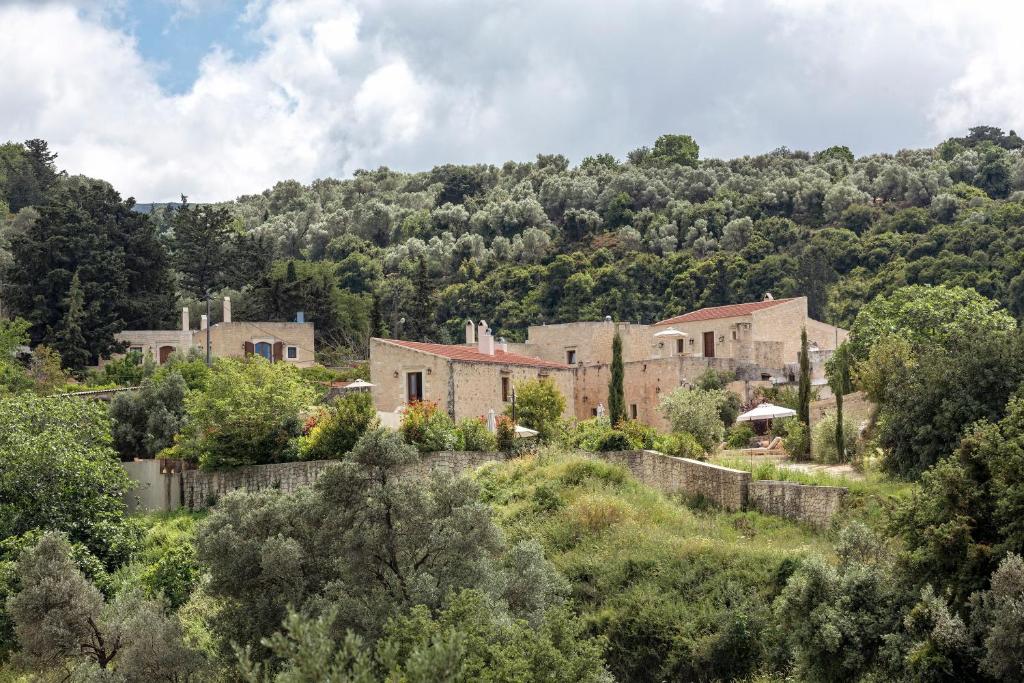
Today, the hotel is far more than a place to stay. Restored stone houses, former communal spaces, and the historic olive mill have been transformed into elegant rooms, suites, and shared areas that retain their original character. Every corner tells a story, from worn stone steps to vaulted ceilings shaped centuries ago.

A Living, Evolving Community
Kapsaliana Village Hotel is not a static monument to the past. It is a living, evolving community that continues to grow and refine its offerings. The philosophy behind it remains deeply rooted in sustainability, culture, and meaningful experiences that reflect contemporary life while honoring history.
Its inclusion in the Historic Hotels of Europe underscores its importance as a model for how heritage preservation and modern hospitality can coexist beautifully.
A Timeless Destination in Crete
The transformation of Kapsaliana is a powerful reminder that abandoned places can be revived with care, patience, and respect. What was once a nearly deserted village is now a world‑class destination that invites guests to slow down, reconnect with nature, and experience Crete as it once was—and still is at heart.
Kapsaliana is not just a hotel. It is a journey through centuries of Cretan life, lovingly restored and ready to be experienced.