

Greek property owners are rushing to secure 36 months of tax-free rental income – how to let your property the right way.

The Greek government is introducing a comprehensive package of reforms to stabilize the housing market, increase the supply of available rental properties, and combat tax evasion in the property sector. These changes, which take effect from October 1, 2026, represent the most significant intervention in Greece’s real estate market in years.
The reforms aim to address the chronic housing shortage, rising rents in urban centres, and the widespread practice of undeclared rental income that has distorted the true picture of property values across the country.
A new tax structure for rental income
From the 2026 tax year, Greece has introduced a revised progressive tax scale for income earned from rental properties. The new brackets are significantly more favorable for middle-income property owners than the previous system.
Under the new scale, rental income is taxed as follows: up to €12,000 at 15%, €12,001–€24,000 at 25%, €24,001–€35,000 at 35%, and above €35,000 at 45%.
For property owners in the middle bracket, the tax reduction is particularly substantial. A landlord earning €20,000 annually in rental income will now pay €3,800 in tax instead of the previous €4,600—a saving of €800 per year.
Mandatory bank transfers: The end of cash payments
From October 1, 2026, all rental payments—whether for residential, student housing or commercial properties—must be made exclusively through bank transfers, standing orders or e-banking. Cash payments (“hand-to-hand” transactions) will no longer be recognized for tax purposes.
This mandatory digitalization of rent payments is designed to create a complete electronic audit trail, allowing tax authorities to automatically cross-reference bank transactions with lease agreements and tax declarations.
Consequences for tenants
Tenants who choose to pay rent in cash will lose eligibility for the annual rental subsidy (worth up to €800, with supplements for dependent children). They will also forfeit the monthly rental refund typically paid in November.
Additionally, families paying rent in cash risk losing access to housing support programmes and other housing benefits administered by the state.
Consequences for landlords
Property owners who accept cash rental payments will lose the automatic 5% deduction on gross rental income that is normally granted without requiring documentation or justification.
For businesses renting commercial properties, non-bank payments will not be recognized as deductible expenses from gross business revenue—effectively increasing the company’s tax burden.
Tackling the “black market” in rentals
Tax authorities estimate that approximately 1.8 million taxpayers currently declare rental income. However, roughly 87% of these landlords report annual rental income below €10,000—less than €850 per month—a figure that significantly underrepresents actual market rents, particularly in major cities.
The current average declared monthly rent stands at €230–€240, far below real market prices. By automating the cross-referencing of bank transfers, electronic lease agreements and tax filings, authorities aim to eliminate underreported and undeclared rental income.
Tax incentives to expand the long-term rental market
To boost the supply of available housing, the government is extending and reinforcing a three-year tax exemption programme for property owners who place their properties into long-term rentals.
The incentive targets two key groups: owners of vacant residential properties who decide to rent them out long-term, and owners of properties currently used for short-term tourist rentals who switch to long-term residential leases.
By offering tax relief, the government hopes to encourage property owners to move their units from the short-term holiday rental market—where vacancy rates are often high outside peak seasons—into the residential rental market where there is chronic demand.
Timeline and preparation
Property owners and tenants have until September 30, 2026, to finalize arrangements and set up the necessary banking infrastructure for compliant rent payments. The government has confirmed that both tax authority and banking systems are fully operational and ready to support the new regime.
The Ministry of Finance has emphasized that no further extensions or grace periods will be granted beyond October 1, and that enforcement will be strict.
Broader context: A market in transition
These reforms are part of a wider effort to modernize Greece’s property sector, which also includes the introduction of MIDAS—the new Property Rights Registry system—and adjustments to ENFIA (the annual property tax). Together, these measures signal a shift toward greater transparency, fairness and digital governance in real estate transactions.
The government’s goal is clear: create a more balanced housing market with stable rents, ensure fair tax contributions from property owners, and bring thousands of vacant and underutilized properties back into productive use for long-term residential rental.
100-Day Race Against the Clock: Greek Property Owners Rush to Secure 36 Months of Tax-Free Rental Income

Greek property owners face a critical deadline: December 31, 2026, is the final date to secure a lucrative three-year exemption from income tax on rental earnings. With just over 100 days remaining, the clock is ticking for those who want to capitalize on this rapidly closing opportunity.
The measure allows owners of vacant homes or properties currently used for short-term tourist rentals to convert them to long-term residential leases and enjoy complete income tax relief for 36 months—potentially saving thousands of euros.
What the tax exemption covers
Property owners who meet the eligibility criteria can avoid paying income tax on all rental income received during a three-year period, provided the long-term lease agreement is finalized by December 31, 2026.
The exemption applies to rental income at all tax brackets—meaning owners avoid tax rates ranging from 15% to 45%, depending on their overall income level. For a property generating €12,000 annually in rent, the three-year tax savings could exceed €10,800.
Eligibility requirements
To qualify, the property must have been either declared as vacant in the E2 tax form for the required period, or registered in the short-term rental registry. The property must not have generated declared rental income during the specified qualifying period.
Once the lease agreement is signed and electronically registered on the myProperty platform, the three-year tax exemption period begins and applies to all rental income received during that time.
The catch: Timing is everything
The deadline is not simply for submitting an application or expressing intent—it is the final date for the actual lease agreement to be concluded and registered. This means property owners must complete all preparatory steps well before the year’s end.
Actions that “eat time” include verifying the property’s tax history, conducting repairs and renovations, finding suitable tenants, negotiating lease terms, and drafting the formal rental agreement. Many property owners who have delayed are now facing a compressed timeline.
Critical steps to take now
Step 1: Verify tax eligibility. Consult with a tax accountant to confirm that your property meets the legal requirements—that it was properly declared as vacant or registered for short-term rental during the qualifying period.
Step 2: Assess the property’s condition. If the property has been empty for years, it likely requires repairs, painting, utilities reconnection, and safety inspections before tenants will consider it liveable.
Step 3: Find a tenant. Advertise the property, interview candidates, and negotiate lease terms. This process alone can take weeks.
Step 4: Register the lease electronically. Once agreed, the lease must be formally documented and registered on the myProperty platform before December 31, 2026.
Why the uncertainty matters
Although the government has not yet confirmed whether the tax exemption will be extended beyond 2026, many property owners are hesitant to rush into hasty decisions. The risk is that waiting for clarity could leave insufficient time to complete all necessary steps before the deadline.
Some property owners worry that if they hurry and rent without properly vetting the tenant or inspecting the property, they could face problems later. Conversely, if they wait too long and the government does not extend the incentive, they will have missed the opportunity entirely.
Industry observers suggest that clarity on any extension is unlikely until late 2026, when the government submits its budget proposal for 2027 to Parliament. By that time, the window for action will have narrowed dramatically.
The broader housing policy goal
The three-year tax exemption is designed as a temporary incentive to encourage property owners to return vacant homes and short-term rental properties to the long-term residential market. The policy aims to increase housing supply, moderate rising rents, and ease pressure on Greece’s stressed housing sector.
By making the benefit time-limited, the government created urgency—but that urgency is now creating stress among owners trying to make informed decisions.
What property owners should do
If you own a property that qualifies, the time to act is now. Begin by consulting a tax professional to confirm eligibility, then assess the property’s readiness for tenancy and start advertising for tenants.
Property owners in doubt should not gamble on the hope of an extension. The safest strategy is to complete all steps and finalize the lease agreement by late November or early December, leaving time for registration and any last-minute complications.
“Time is money”—and in this case, time is also potentially €10,000 or more in tax savings. The 100-day countdown has begun.
Five Golden Rules for Property Owners: A Complete Guide to Renting Your Home the Right Way
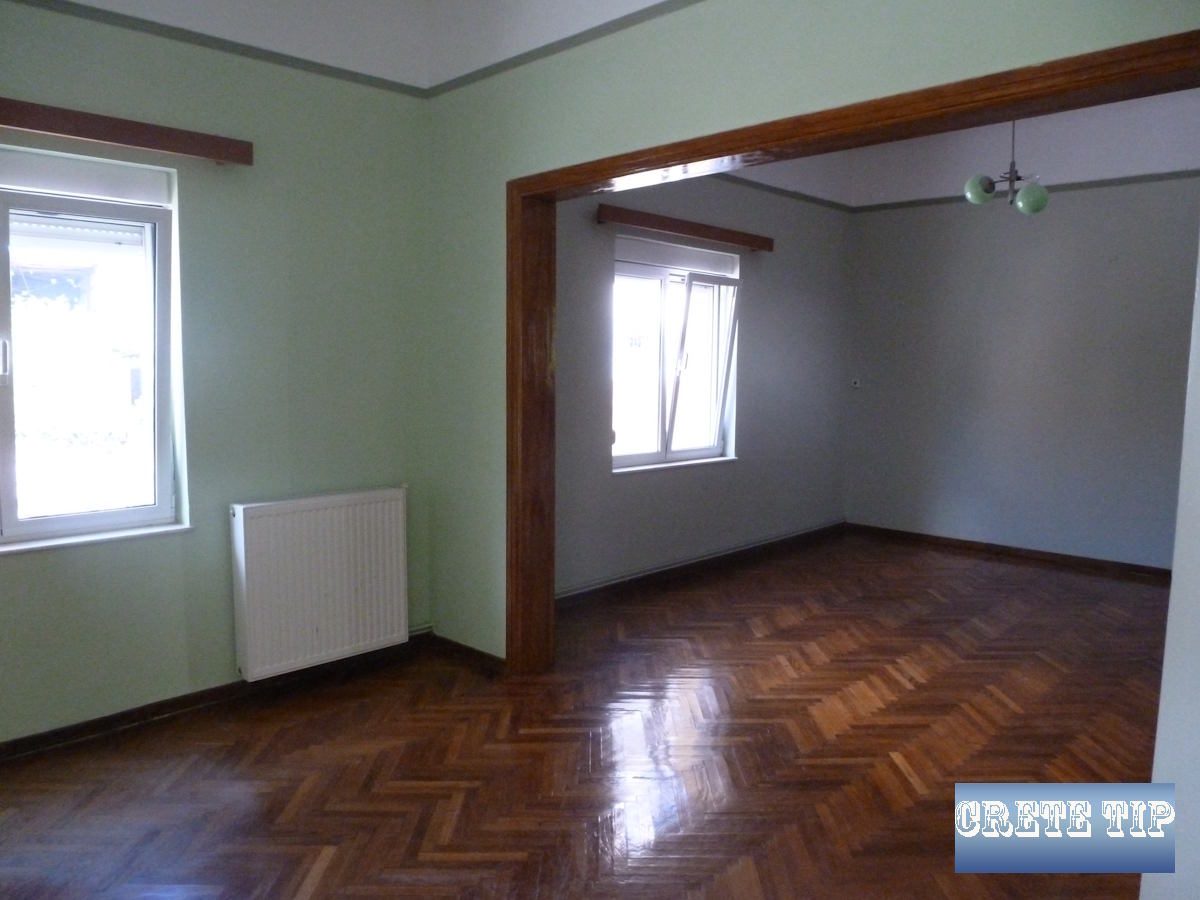
Renting out a property is far more than simply finding a tenant and handing over the keys. A successful rental relationship begins months before any lease is signed and requires careful planning, proper documentation, and sound judgment at every step.
September is the peak season for residential rentals in Greece, with thousands of property owners facing the crucial decision of whom to trust with their homes and under what terms. Following these five expert guidelines can mean the difference between a smooth, profitable rental and years of costly disputes.
Rule 1: Inspect and prepare the property before listing
The first rule is simple but often overlooked: your property must be in good condition and safe for its intended use before you advertise it. Before creating any listing, conduct a thorough inspection of the entire property, paying special attention to critical safety systems and basic functionality.
Check the electrical installations, plumbing, window frames, balconies, exterior doors, locks and security features. Ensure all utilities are working properly and the property is clean, well-maintained and presentable.
A property in poor condition should not be listed for rent. Not only will it deter quality tenants, but it will also invite disputes later. It is wise to document the property’s condition in writing and have the tenant sign a statement confirming they inspected it and found it suitable for their use.
Rule 2: Secure the Energy Performance Certificate (EPC) in advance
Before listing your property, obtain an Energy Performance Certificate (EPC), also known as Πιστοποιητικό Ενεργειακής Απόδοσης (ΠΕΑ) in Greek. This certificate is mandatory for all residential rental properties and has a validity period of 10 years.
Do not delay this step—the EPC must be ready and available before you publish the property on any rental platform or submit lease information to Greece’s tax authority (AADE). The certificate’s details must be declared during the formal rental registration process.
Obtaining the EPC after finding a tenant creates unnecessary delays and complications. Handle it before you begin actively marketing the property.
Rule 3: Choose your tenant carefully—character matters more than the highest offer
One of the most critical decisions you will make is selecting the right tenant. Many property owners make the mistake of focusing solely on who offers the highest rent. This is a dangerous approach that often leads to long-term problems.
Rental relationships last months or years and involve far more than a single financial transaction. The tenant’s reliability, respect for the property, ability to pay consistently and personal integrity matter far more than whether they offered €50 extra per month.
Meet prospective tenants in person and take time to get to know them. Ask for complete and accurate identification details, inquire where they currently live and why they are moving, and if appropriate, request references from previous landlords or employers.
Be alert to red flags: tenants who avoid providing full details, who are vague about their employment or circumstances, or who attempt to use false information should be rejected immediately. Never accept a tenant who hesitates to provide verifiable personal information.
Rule 4: Require a guarantor for significant properties and rents
For rental properties of substantial value or with high monthly rents, it is entirely reasonable to require the tenant to provide a creditworthy guarantor. This guarantor—typically a family member—signs the lease as a co-responsible party and guarantees payment if the tenant defaults.
The guarantor’s role is to ensure the tenant honours all financial obligations: rent payments, utility bills, and common area costs. This added layer of security protects your income stream and gives you recourse if problems arise.
This requirement should be clearly stated in your advertisement and discussed during initial negotiations. Most serious tenants will not object to providing a guarantor.
Rule 5: Set a fair rent—not the highest possible price
It might seem counterintuitive, but charging the highest possible rent is not always the best strategy. Excessive rents attract tenants who are financially stretched and therefore at higher risk of non-payment.
Instead, set a rent that is fair, competitive and sustainable for a reliable tenant. A slightly lower rent paid consistently and on time generates more stable income and fewer headaches than a higher rent that results in constant payment problems and potential eviction.
Research comparable properties in your area, consider the property’s condition and amenities, and set a price that will attract quality tenants rather than those desperate enough to overcommit themselves financially.
Preparing the lease agreement
Once you have selected a suitable tenant, the lease agreement must clearly document all essential terms: the tenant’s full details, the property address, the agreed rent amount, the lease duration, utility payment responsibilities, common area charges, insurance requirements and maintenance obligations.
The lease should also include a statement confirming that the tenant inspected the property and found it in satisfactory condition for the intended use. This protects you from later claims of pre-existing damage or defects.
For residential leases in Greece, the minimum legal duration is three years, even if both parties initially agree to a shorter period. Ensure your lease complies with all applicable Greek rental law.
After the lease is signed
Your responsibilities do not end with the handover of keys. Maintain regular contact with your tenants, respond promptly to maintenance requests, and monitor that rent and utility payments are being made on schedule.
Keep detailed records of all rent payments, communication with tenants, and any maintenance or repairs. These records are invaluable if disputes arise or if you need to take legal action.
A successful rental is a partnership built on clear expectations, honest communication and mutual respect. By following these five rules, you significantly increase the likelihood of a smooth, profitable and trouble-free relationship with your tenants.
Sources:
Nea Kriti: New Measures for Property
Zarpanews: Rent Payments End in Cash
Cretalive: Tax-free rental income for 36 months
Cretalive: How to Let Your Property Properly—Five Golden Rules for Owners



