

Newsflash from Monday, 29 June 2026:

Greece – The country’s tourism sector continues its upward trajectory in 2025, with record-breaking arrivals and revenues highlighting strong global demand. But behind the impressive numbers lies a shifting pattern: visitors are spending more, yet staying for shorter periods.
A new report by the Greek Tourism Confederation’s research body (INSETE) offers a detailed look at who is visiting Greece, where they go, and how much they contribute to the economy.
More Tourists, Higher Revenue
According to the study, Greece welcomed 37.98 million visitors in 2025, marking a 5.6% increase compared to 2024. Total visits across all regions reached 41.75 million, as many travelers explored more than one destination during their stay.
Tourism revenues climbed to €22.6 billion, up 9.8% year-on-year—evidence that visitors are spending more overall, even as travel habits evolve.
On average, each traveler visited 1.10 regions, indicating a growing trend toward multi-destination trips within Greece.

Shorter Stays, Higher Daily Spending
While total overnight stays rose slightly to 233.1 million (+0.9%), the average length of stay declined from 5.9 nights in 2024 to 5.6 nights in 2025.
This reflects a broader international trend toward shorter, more frequent trips, influenced by rising travel costs and changing traveler preferences.

At the same time, spending per trip increased:
- Average spending per visit: €541 (+3.5%)
- Average spending per night: €97 (+8.9%)
The data suggests that although tourists stay fewer days, they are willing to spend more during their visits.

Top Markets Driving Growth
Germany remains Greece’s largest tourism market, with 6.32 million visits in 2025, followed by:
- United Kingdom: 5.13 million visits
- United States: 2.43 million visits
The U.S. market, in particular, is gaining importance—not only for its growth but also because American travelers tend to visit multiple regions, spreading economic benefits more widely.
Tourism Still Concentrated in Key Regions
Despite overall growth, tourism activity remains heavily concentrated. Five regions—South Aegean, Attica, Crete, Ionian Islands, and Central Macedonia—account for:
- 82.3% of all visits
- 88.0% of overnight stays
- 89.9% of total tourism revenue
This imbalance highlights untapped potential in the country’s other regions, which could benefit from targeted development and promotion.

Regional Winners and Losers
The Eastern Macedonia and Thrace region recorded the strongest growth nationwide, with sharp increases in visits (+49%), overnight stays (+31%), and revenue (+37%).
In contrast, the North Aegean experienced the steepest declines, with decreases in visits (-23%), overnight stays (-29.5%), and revenue (-26.8%), raising concerns and calls for immediate action.
The Challenge Ahead
While Greece’s tourism industry is thriving, the continued decline in average length of stay presents a strategic challenge. Sustaining growth will depend on extending the tourist season, diversifying destinations, and encouraging longer visits.
The message from the data is clear: Greece is more popular than ever—but how visitors travel is changing, and the industry must adapt.
Greece Ranks #2 for German Holidaymakers in 2026—Here’s What’s Driving the Surge
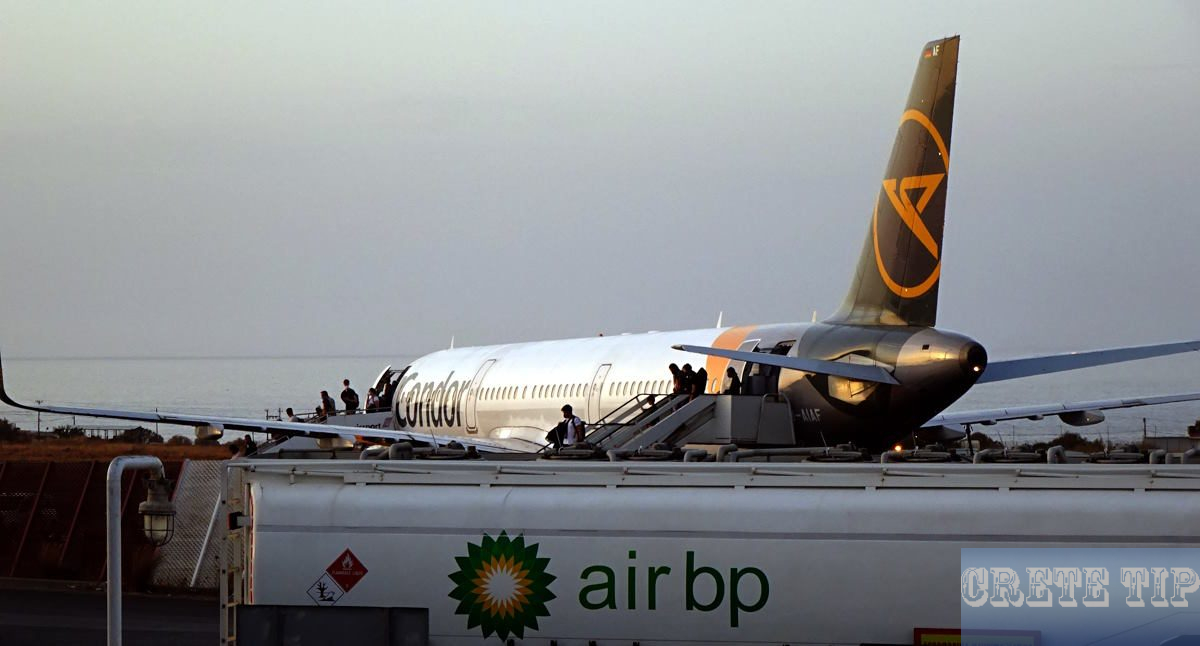
Greece has secured its place as the second most popular summer destination for German travelers in 2026, confirming the country’s enduring appeal in one of Europe’s most important tourism markets.
According to booking data from travel platform Opodo, Greece accounts for 10% of all German holiday reservations for July and August, trailing only Spain, which leads with 20%. Italy follows closely behind Greece with 9%.
Mediterranean Destinations Dominate
The data highlights a clear trend: Southern European and Mediterranean destinations continue to dominate German travel preferences. Alongside Spain, Greece, and Italy, the top 10 includes Portugal, France, the United Kingdom, Turkey, Croatia, Tunisia, and Albania.
The findings are based on bookings made between January 1 and May 31, 2026, for travel during peak summer months, offering a reliable snapshot of current travel behavior.
Athens and Greek Cities in High Demand
At city level, Athens ranks fifth among the most popular destinations for German travelers, following Palma de Mallorca, Barcelona, London, and Lisbon.
Other Greek cities also feature prominently:
- Thessaloniki and Heraklion rank within the top 15
- Island destinations such as Zakynthos are also gaining traction
Zakynthos, in particular, recorded a 6% increase in bookings compared to the previous year, signaling growing interest in both established and emerging Greek hotspots.
Early Bookings and Travel Trends
German travelers are planning ahead more than ever. The data shows that:
- 75% booked their holidays more than 90 days in advance
- 20% booked between 61–90 days prior
- Only 5% made last-minute reservations
This trend places Germans among the most organized travelers in Europe, just behind Portuguese and French tourists in early booking rates.
How Long Do Germans Stay?
When it comes to trip duration, the most common choice is 7–13 days, accounting for 33% of bookings. Short breaks of three to four days make up 19%, while 17% of travelers opt for longer stays of two to three weeks.
A notable 15% choose extended holidays exceeding three weeks, reflecting a mix of travel styles—from quick getaways to long summer escapes.
Emerging Destinations on the Rise
Beyond traditional hotspots, there is a growing appetite for lesser-known destinations. The report highlights strong growth in places like Lanzarote (+93%), Warsaw (+47%), and Rijeka (+32%).
In Greece, smaller destinations are also gaining attention. Notably, Preveza has seen a surge in interest from British travelers, with bookings increasing by an impressive 230%.
A Balance of Familiar and New
Industry experts note that 2026 is defined by a dual trend: travelers are returning to classic Mediterranean favorites while also seeking new, less crowded experiences.
For Greece, this balance is key—combining globally recognized destinations with emerging locations that offer authenticity and value.
As the summer season peaks, Greece’s strong position in the German market reinforces its role as a cornerstone of European tourism.
Crete’s Tourism Season Off to a Strong Start: Rising Arrivals, High Occupancy, and Optimism Ahead

Crete, Greece – Early indicators for the 2026 tourist season in Crete are sending a clear message: demand is strong, arrivals are rising, and the island is gearing up for another successful year.
From increased air traffic at major airports to high hotel occupancy rates across key destinations, the first data suggests that Crete remains a top choice for international travelers.
Solid Growth in Arrivals and Demand
The upward trend is already visible at Crete’s main gateways. In May alone, Heraklion Airport handled 1,139,079 passengers, marking an 8.1% increase compared to the same month last year.
Meanwhile, Chania Airport recorded even stronger growth over the first five months of the year, with 959,526 passengers, up 14.9% year-on-year.
These figures confirm sustained demand from key international markets and reinforce Crete’s position as one of Greece’s leading destinations.
High Occupancy Rates Across the Island
In Rethymno, one of Crete’s most popular regions, the season has begun on a positive note. Hotel occupancy rates for June are estimated between 85% and 90%, while both April and May saw arrivals increase by around 5% compared to 2025.
Accommodation within Rethymno town is experiencing particularly high demand, while properties outside urban areas still have some availability—leaving room for further growth as the season progresses.
Strong Summer Bookings—with a Twist
Bookings for July and August remain strong, but the growing trend of last-minute reservations is making it harder for businesses to predict final occupancy levels.
This shift in booking behavior has become more pronounced in recent years, requiring hotels and tour operators to remain flexible until the final weeks before arrivals.
Encouraging Outlook for Autumn
Beyond the peak summer months, the outlook remains positive. Early indications point to strong demand for September and a solid start to October, supporting ongoing efforts to extend the tourist season.
Seasonal extension is a key priority for the island, as it allows for better use of infrastructure and supports employment beyond the traditional summer peak.
Diversifying the Tourism Product
Industry stakeholders are also focusing on expanding Crete’s appeal to new markets and travel segments. Growth has been observed in conference tourism and wedding tourism, while initiatives are underway to attract visitors from emerging markets such as India.
These efforts aim to reduce reliance on traditional European markets and create a more resilient tourism model.
Challenges Behind the Positive Numbers
Despite strong demand, profitability remains under pressure. Hotels are facing rising operational costs, including energy, supplies, and wages. In many cases, discounts and special offers are still necessary to maintain high occupancy levels.
At the same time, early negotiations for 2027 contracts with tour operators indicate potential price increases above inflation, which could improve financial performance in the coming years.
A Promising Start with Cautious Optimism
Overall, the 2026 season in Crete is off to a promising start, combining strong arrivals, high occupancy, and encouraging forward bookings. However, evolving travel patterns and cost pressures mean that businesses must remain adaptable.
For now, the message is clear: Crete continues to thrive as a leading Mediterranean destination, with momentum building as the season unfolds.
Sources
Money-Tourism.gr – INSETE report on inbound tourism in Greece (2025)
Hania.news – Greece ranks second among German holiday destinations (Opodo data)
DealNews – Positive early signs for Crete’s 2026 tourist season



