

Newsflash from Monday, 29 June 2026:

Authorities and industry representatives are urging both residents and visitors to remain calm, emphasizing that the situation is being exaggerated and does not pose a direct threat to swimmers.
No Recorded Incidents in Crete
Tourism bodies, hotel associations, and medical organizations across Crete issued a joint statement stressing that the presence of pufferfish in the Mediterranean is not new and should not be a cause for alarm.
According to their data, no incidents of swimmers being injured or bitten by pufferfish have been recorded on the island’s beaches to date. They highlight that the species is not aggressive toward humans and does not actively seek contact.
“The seas of Crete remain safe,” the statement notes, warning that exaggerated reports risk damaging the island’s reputation as a top tourist destination.
Advice: Avoid Contact, Stay Informed
Experts do, however, recommend basic precautions. As with any marine life, swimmers should avoid touching or attempting to catch pufferfish if spotted.
In most cases, the fish will swim away when approached, as it is more fearful of humans than the other way around. Local fishermen also play a key role in managing the species, using their experience to help control its population.
Another important warning: pufferfish are highly toxic if consumed, containing tetrodotoxin—a powerful neurotoxin with no known antidote.
Presenter Bite Incident Raises Concern Abroad

Despite reassurances in Crete, the issue gained traction internationally following an incident in Skiathos involving Romanian TV presenter Marius Niță.
According to his account, a friend was bitten while swimming in clear waters during their holiday. The injury, which included torn skin and visible bite marks, did not require medical treatment but was widely shared on social media and picked up by Romanian television.
The presenter himself downplayed the severity, describing the event as unpleasant but not serious. Still, the story fueled concern among tourists planning trips to Greece.
Balancing Awareness with Reality
Scientists note that the pufferfish is an invasive species that entered the Mediterranean via the Suez Canal and has spread across Greek waters since first being recorded in 2005. While it poses ecological and economic challenges—particularly for fisheries—it is not considered a danger to the general public.
Most injuries involving pufferfish occur when fishermen attempt to handle or remove them from nets or hooks without protection.
Officials stress that informed awareness—not fear—is the appropriate response. With simple precautions and respect for marine life, visitors can continue to safely enjoy Crete’s beaches.
Invasion Beneath the Waves: Map Reveals Pufferfish Spread Across Crete and the Aegean as Catch Rewards Introduced
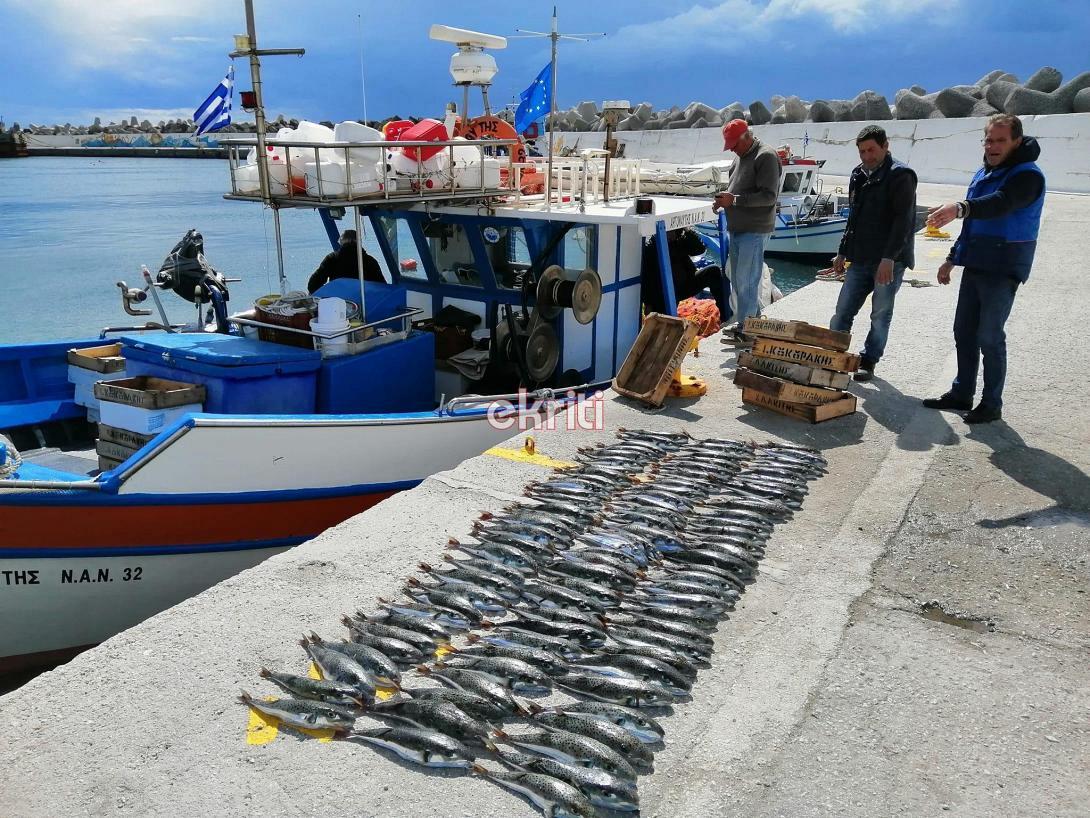
Greece – A detailed interactive map is shedding light on the rapid spread of the invasive and highly toxic pufferfish (Lagocephalus sceleratus) across Greek waters, as authorities move forward with plans to offer financial incentives to curb its population.
From isolated sightings two decades ago to widespread presence today, the species—commonly known in Greece as “lagokefalos”—has firmly established itself as one of the most concerning marine invaders in the Eastern Mediterranean.
From Rare Sightings to Widespread Presence
According to data compiled by the ELNAIS early warning network for invasive species, the first confirmed appearance of the pufferfish in Greece dates back to 2005. Since then, its spread has accelerated dramatically.
The interactive map, based on recorded sightings over time, highlights dense clusters around Crete, the Dodecanese, the Cyclades, and both the central and northern Aegean. Numerous reports also extend along the coasts of Turkey and Cyprus, illustrating the broader regional expansion.
Each mapped point includes timestamps—ranging from 2005 through recent years—clearly demonstrating how the species has expanded its range within just two decades.

Click here for the interactive map
Why the Pufferfish Is a Serious Threat
The pufferfish is not just another invasive species. It carries a potent neurotoxin (tetrodotoxin), making it extremely dangerous if consumed, while also posing risks to marine ecosystems and local fisheries.
With no natural predators confirmed in the region and a high reproduction rate, the species has disrupted biodiversity and caused economic damage by destroying fishing gear and reducing native fish populations.
Reward-Based Fishing Plan Underway
In response, Greece’s Ministry of Rural Development and Food is preparing a targeted action plan that includes financial incentives for professional fishermen to catch and remove pufferfish from affected areas.
The pilot program aims to:
- Reduce population density in high-risk zones
- Support fishermen economically
- Improve monitoring through catch data collection
- Identify breeding hotspots for more effective intervention
The initiative is expected to be funded through the national Fisheries, Aquaculture and Maritime Program and is currently under review by the European Commission.
A Partial Solution, Not a Cure
Experts caution that while targeted fishing can help control the species, it will not eliminate the problem entirely. A broader strategy—including scientific monitoring, regional cooperation, and public awareness—is considered essential.
Lessons from countries like Cyprus, where similar programs have already been implemented, suggest that coordinated efforts can significantly reduce ecological pressure.
How the Invasion Began
The pufferfish originates from the Indo-Pacific and entered the Mediterranean via the Suez Canal—a process known as “Lessepsian migration.” Rising sea temperatures have further facilitated its spread, allowing it to thrive in new environments.
Today, its presence is firmly established across much of the Eastern Mediterranean, with Greece among the most affected regions.
As authorities intensify efforts to contain the species, the interactive map serves as both a warning and a tool—highlighting how quickly marine ecosystems can change, and how critical early intervention can be.
Sources
Hania.news – “Pufferfish: Calm and proper information” joint statement
CretaLive – Presenter bite incident and international coverage
Parapolitika – Map tracking the spread of pufferfish in Greece and the Eastern Mediterranean



