

Newsflash from Thursday, 24 September 2026:
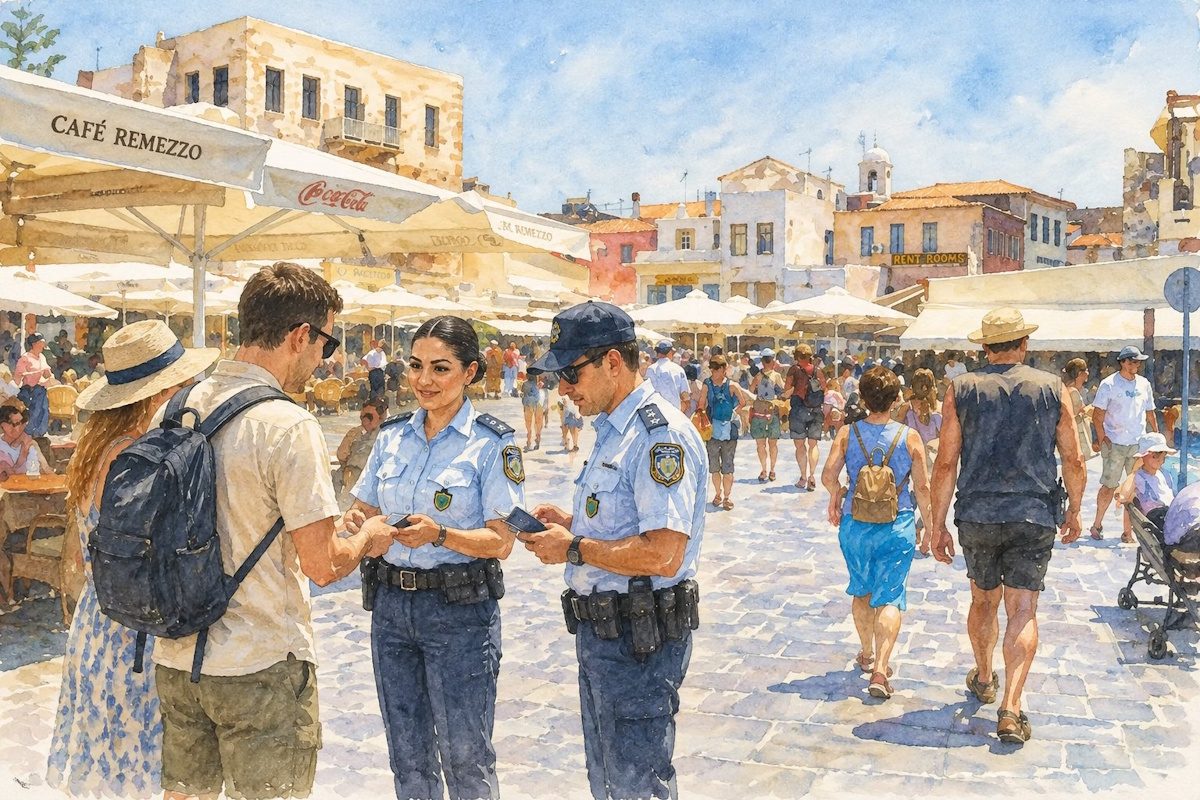
Unauthorized tour guides operating in historic harbours, rental cars equipped with secret GPS systems, and serious safety breaches in hotels—Chania’s Tourist Police are now tackling some of the island’s most troubling tourism problems.
Under the leadership of newly appointed commander Alkistis Gavriil, the Tourist Police in Chania (a coastal city in western Crete) have launched a focused enforcement campaign targeting multiple threats to visitor safety and fair business practices.

Cracking Down on Illegal Tour Guides
One of the most significant issues is the proliferation of illegal tour guides operating around the Palio Limani (the historic Old Venetian Harbour). These unauthorized operators approach tourists from cruise ships and offer tours without proper credentials or licensing from the Greek National Tourism Organization.
According to Gavriil, these “fake guides” are not certified professionals. They lack the required identity documents, museum passes, and official qualifications that licensed guides possess. Many operate through online booking platforms, marketing themselves under the guise of “food tourism”—tours ostensibly focused on local dining but which also include unauthorized historical commentary on landmarks like the harbour’s lighthouse.

The problem is particularly brazen because these unlicensed operators undercut certified guides, offering packages worth €1,000 to €1,500 per group. Gavriil personally conducted undercover operations to catch offenders, spending extended periods observing them in action on streets like Chalidon (a street in the old town) to gather evidence.
The commander notes that some illegal guides have even become aggressive when confronted by police. Catching them requires officers to work in plain clothes and understand the languages being used—a time-consuming and resource-intensive process.
The GPS Tracking Trap in Rental Cars
Chania’s Tourist Police have also uncovered a troubling pattern among some car rental companies. Multiple tourists have reported that their rental vehicles were equipped with hidden GPS tracking systems without proper disclosure.
While rental companies argue that geolocation technology helps them protect vehicles in areas with poor road conditions, the practice raises serious privacy concerns. Many firms do not clearly disclose the GPS system in their rental contracts or verbally inform customers of its presence.
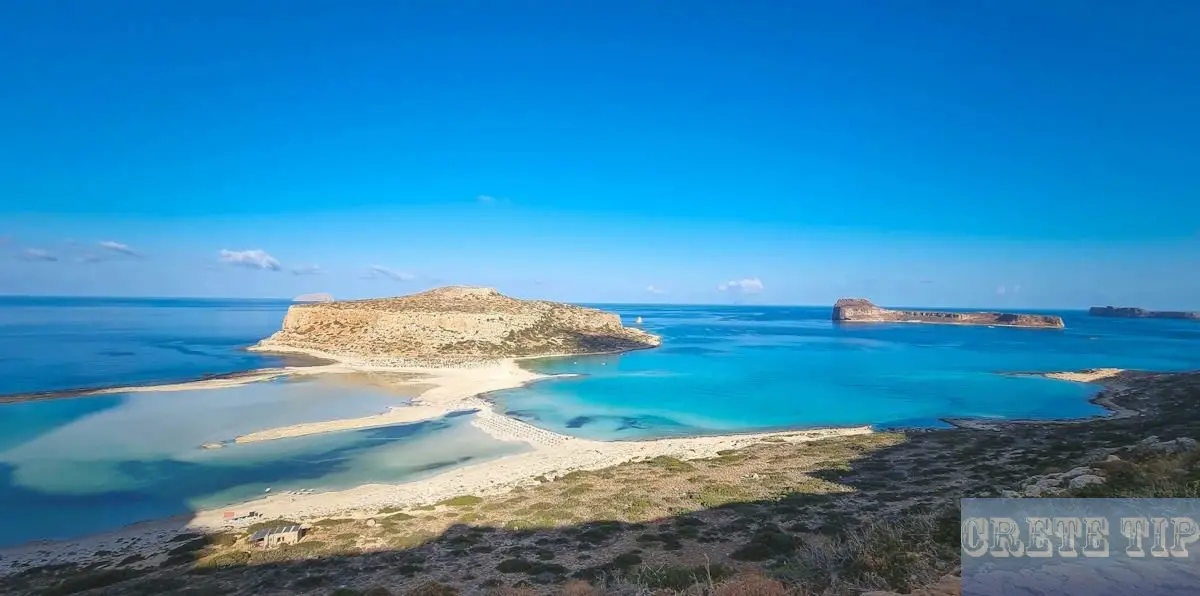
Once a vehicle’s GPS detects it entering a supposedly “forbidden zone”—such as Balos Lagoon or Foinikodasso (a palm forest, both in the Chania region)—tourists receive unexpected penalties ranging from €800 to €900 or higher, with no fixed ceiling on costs. Tourists often have no idea these zones were off-limits because the restrictions aren’t clearly marked on the vehicle or explained upfront.
The problem deepens further: Gavriil revealed that in some cases, opportunistic individuals deliberately damage rental cars in monitored locations, knowing the unsuspecting tourist will be blamed and forced to pay penalties. Chania’s Tourist Police handled three to four such incidents during the summer alone.
Hotel Safety Failures and Structural Hazards
Beyond guides and cars, the Tourist Police have prioritized serious complaints about safety deficiencies in accommodation facilities. A particularly grave incident involved a student from a school group visiting from Heraklion (Crete’s largest city, located east of Chania) who was injured when a window pane shattered in a hotel room.
Investigating such incidents requires comprehensive inspections of entire hotel premises—a time-consuming but critical process to ensure visitor safety. Pool areas and interior spaces are being scrutinized for potential hazards.
Corruption in Port Operations
In Marathи (a coastal settlement in the Chania region), the Tourist Police coordinated with the Coast Guard to investigate illegal practices at beach canteens. The operation uncovered a significant corruption issue: a Port Authority engineer allegedly tipped off business owners before the inspection, allowing them to remove illegal furniture and hide violations.
This incident underscores what Gavriil describes as “the problem of local connections”—situations where personal relationships interfere with fair enforcement and undermine tourism regulations.
What does this mean for visitors?
- Verify guide credentials: Licensed tour guides in Greece carry official identity documents and museum passes issued by the Greek National Tourism Organization. Always ask to see these before booking a tour.
- Avoid impromptu harbour offers: Do not accept tours offered by individuals approaching you casually at the Old Harbour or other tourist spots. Book through established tourism offices or verified online platforms with verifiable reviews.
- Read rental car contracts carefully: Before signing, confirm whether GPS tracking is installed and what it monitors. Ask for written confirmation of any “forbidden zones” and the exact penalty amounts for violations.
- Document vehicle condition: Take detailed photos and video of the rental car before driving away. Request that all existing damage be recorded on your rental agreement.
- Inspect hotel safety: Upon arrival, check windows, balconies, and pool areas for hazards. Report any concerns to management and the front desk immediately.
- Report violations: If you encounter illegal guides, deceptive rental practices, or safety hazards, contact Chania’s Tourist Police to help them protect future visitors.
Source: Interview with Alkistis Gavriil, Commander of Chania Tourist Police, published on Zarpanews.gr



