

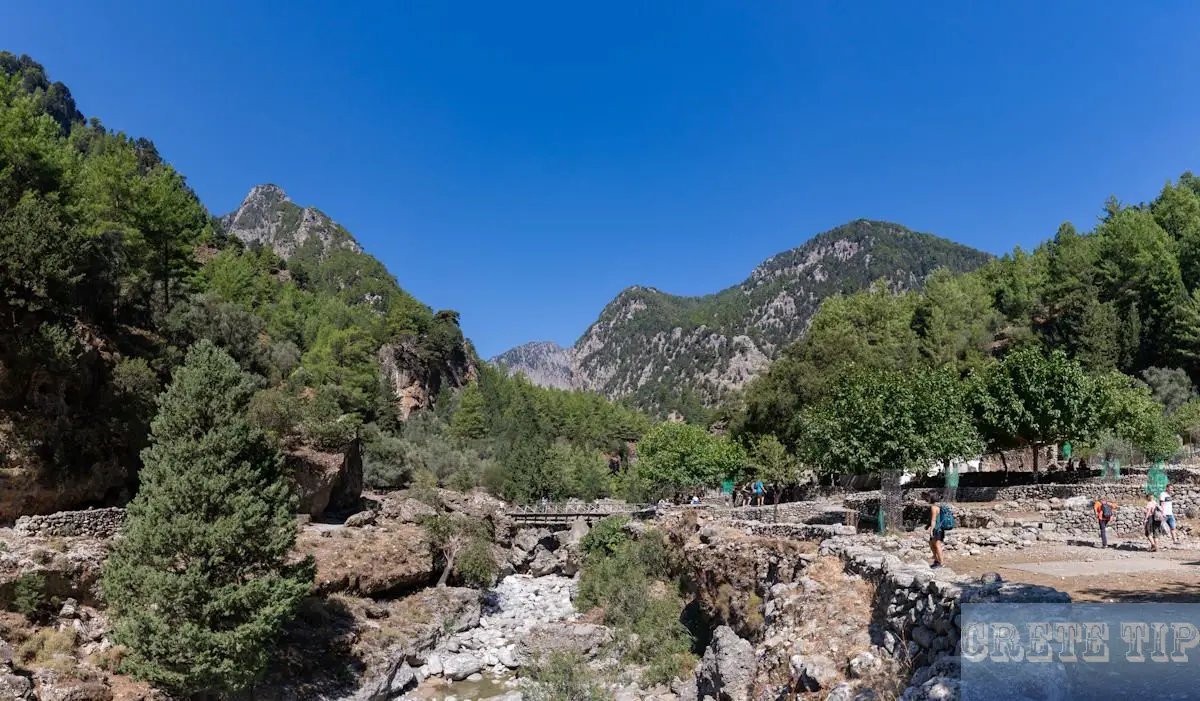
Deep inside the Samaria Gorge (Φαράγγι Σαμαριάς) — a dramatic 16km canyon in Chania, Crete, and one of Europe’s most famous natural landmarks — there’s a small medical station with a very unusual “waiting room”: a wild, rocky, sun-baked trail cutting through the mountains down to the Libyan Sea.

The Samaria Gorge stretches for about 16 kilometres through Crete’s White Mountains, from the Omalos Plateau to Agia Roumeli. You can see the scale and terrain in this guide to hiking the Samaria Gorge, which describes the trail as a point-to-point mountain walk inside a national park.
A doctor from Athens with a deep love of Crete
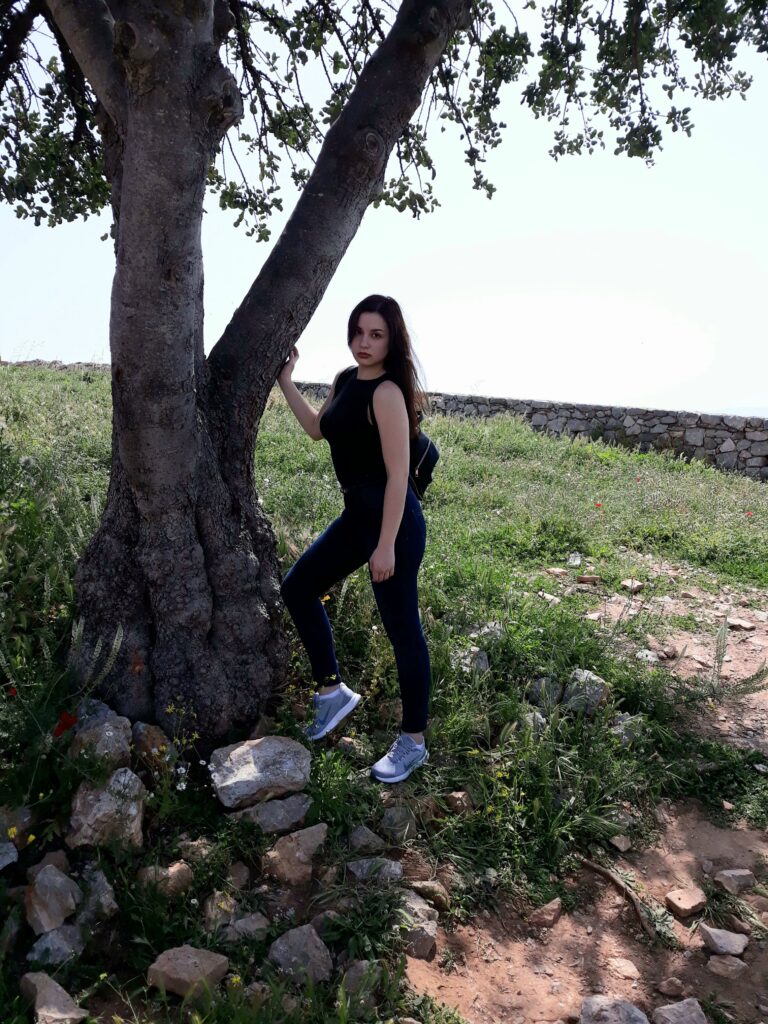
Panagiota Gotsi comes from Athens, but Crete and its natural landscape drew her to the post. The position offered days shaped by walking, open air and the demands of a long mountain route.
When you picture medical practice, you may imagine a clinic with easy road access and a full team nearby. Her workplace follows a different pattern. The gorge provides the setting, and the trail itself becomes part of the job.
She applied because the role felt like a challenge that matched her interests. Hiking was already part of the appeal, while working in such a distinctive environment gave the post personal and professional meaning.
What medical care means in an isolated landscape
Medical work inside the gorge requires quick judgement, physical effort and careful preparation. The injuries are familiar to anyone who spends time on a demanding trail, including sprains, knee pain, falls and fractures. Heat exhaustion, dehydration and fatigue also bring visitors to the medical team.
The difficult part is reaching the patient. A visitor who collapses several kilometres along the route can’t reach a treatment room within minutes. You need to carry the right supplies, follow the path and cover the distance on foot.
That journey may involve a fast climb or run across uneven ground. Every minute matters, while the terrain limits how much equipment you can carry.
The clinic has the medicines and medical materials needed for the expected incidents. Before the gorge opens in May, the team prepares a supply list and arranges the necessary stock. This planning gives the doctor a stronger base for the season, although treatment still takes place far from a hospital or health centre.
A message over the radio
Radio communication becomes vital when an incident occurs away from the clinic. It tells the team where help is needed and helps organise movement across a route with steep sections, narrow passages and rough surfaces.
You need to decide what to carry before leaving. Extra supplies add weight, but missing a key item can make treatment harder at the scene. The doctor has to balance the patient’s likely needs against the time it will take to reach them.
The gorge’s landscape also affects communication and access. Springs, pools, plane trees, pines and cypresses line the route, while large rocks and changes in level shape each response. A walk that feels manageable to a healthy visitor can become demanding when you’re carrying a medical bag towards an injured person.
One of the toughest moments this year came when a call came through the radio that no doctor ever wants to hear from kilometers away: a hiker in cardiac arrest.
The patient, a 54-year-old Greek man, was at about the 9.5km mark of the trail — roughly 2.5km from the medical station. He had a serious cardiac history, including a triple stent and a pacemaker.
Earlier that day he’d felt unwell and was strongly advised to visit the medical post. He decided to push on instead — and shortly after, he collapsed.
With help from other gorge staff, Dr. Gkotsi rushed to the site carrying oxygen and emergency supplies. First aid was administered on the spot, and the man was then transferred to Chania General Hospital.
Thankfully, the story had a happy ending.
“I did not expect it to be like this”
The role can surprise you because it combines ordinary trail injuries with the pressure of remote emergency care. Gotsi’s account shows how much the setting shapes the work, alongside the medical problem.
A sprained ankle may need careful assessment, pain relief and support, but the patient still has to move through a long gorge. A fall can raise concerns about a fracture, while dehydration or heat exhaustion requires immediate attention before the visitor continues.
Each case needs a practical plan that fits the patient’s condition and location. The doctor works with the people available on the trail and makes decisions without the wider structure of a hospital.
The experience also brings contact with visitors from many places. A medical consultation may last only a short time, yet the setting, the rescue effort and the relief of receiving help can make it memorable for both sides.
Fifteen days inside the gorge
Spending fifteen days in the gorge gives the doctor a close view of the trail’s changing rhythm. Early mornings begin with natural sounds, before walkers fill the route and the day’s incidents start to develop.
The work calls for stamina as well as the medical knowledge needed to assess injuries. You need to walk for long periods, carry equipment and stay ready for a call that may come from a distant point on the path.
Living and working in the gorge also changes your sense of time. The landscape surrounds every task, while the distance from roads and medical facilities remains part of each decision.
For visitors, the gorge is a demanding day’s hike. For the doctor, it becomes a temporary workplace where preparation, fitness and clear communication support each response.
When the gorge falls quiet
The gorge feels most different after visitors leave and the trail grows still. The noise of a busy town fades away, replaced by the sounds of the landscape and the vast mountains around it.
That quiet gives the doctor time to reflect on the day’s work. The role brings difficult rescues and urgent decisions, but it also offers moments shaped by nature, distance and the trust of people who need help.
The medical post may be modest in size, but its purpose is clear. You provide a first response in a remote part of Crete, reach people across difficult ground and help them leave the gorge as safely as possible.



