

Newsflash from Sunday, 10 May 2026:
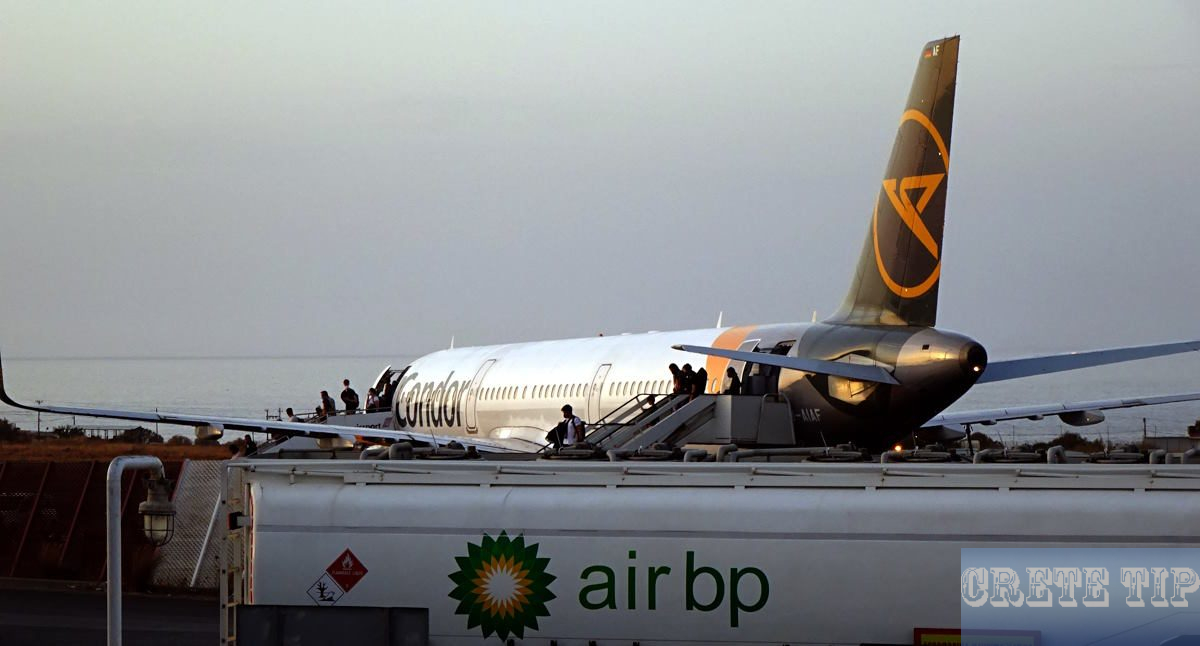
EU Stands Firm: Middle East Crisis Does Not Justify Emergency Fee Hikes by Airlines
The European Commission has issued a strong and unambiguous statement to the aviation industry: high fuel prices caused by the Middle East crisis do not constitute “extraordinary circumstances” that would exempt airlines from compensating passengers or justify surprise fuel surcharges on already-purchased tickets.
This declaration comes as geopolitical tensions in the Middle East—including the closure of the Strait of Hormuz and ongoing supply disruptions—continue to drive global aviation fuel prices to elevated levels heading into the busy summer travel season.
What the EU Commission Says
During a press briefing, EU Energy Spokesperson Ana-Kaisa Itkonen made the Commission’s position crystal clear: airlines cannot use fuel price volatility as an excuse to shirk their passenger protection obligations.
Key points from the Commission’s guidance:
– High fuel prices ≠ “Extraordinary Circumstances”: Airlines cannot claim exemption from compensation payments simply because kerosene costs have risen.
– No retroactive fuel surcharges: Airlines are prohibited from imposing “surprise fuel charges” on tickets already purchased by consumers. Such price adjustments are only permissible for new bookings.
– Predictability matters: The Commission views current fuel price increases as “foreseeable,” meaning airlines should have incorporated these costs into their pricing strategies rather than passing unexpected fees to passengers after purchase.
Passenger Rights Remain Fully Protected
The Commission emphasized that EU passenger protection rules continue to apply in full during this crisis. Travelers whose flights are cancelled retain their complete rights:
✓ Full refunds of ticket prices
✓ Alternative flight arrangements at no additional cost
✓ Airport assistance and care
✓ Compensation for last-minute cancellations (up to €600 depending on flight distance)
The only exception to compensation requirements is if an airline can prove a cancellation was caused by a genuine, documented shortage of aviation fuel—a far higher bar than merely citing expensive prices.
The “Tankering” Flexibility Provision
To help airlines manage costs without compromising operations, the Commission has granted some operational flexibility. Airlines may be temporarily exempt from the 90% sustainable fuel blending requirement under the ReFuelEU Aviation framework. Additionally, slot allocation rules at congested airports have been relaxed to allow flexibility when fuel supply issues genuinely impact operations.
However, these measures are narrow exceptions for genuine supply shortages—not blanket permission to impose additional charges on consumers.
Warnings About Unfair Commercial Practices
The Commission has issued a pointed warning: airlines that attempt to change ticket prices after purchase may face investigations for violating EU consumer protection laws. National authorities are empowered to examine each case individually and can pursue enforcement action against airlines engaging in unfair commercial practices.
As Ana-Kaisa Itkonen stated plainly: “The final ticket price must be displayed upfront and include all unavoidable taxes, fees, and charges. Airlines can only adjust prices for new bookings—not by adding surcharges after a sale is complete.”
A Message to the Travel Industry
This guidance represents a firm boundary set by Brussels: geopolitical crises do not give airlines a blank check to exploit consumers. The summer of 2026 may bring operational challenges due to global fuel markets, but passenger protections and fair pricing practices remain non-negotiable.
Airlines are expected to:
– Price tickets realistically, accounting for current fuel costs
– Honor their obligations to protect passenger rights
– Seek operational flexibility through legitimate channels (fuel blending exemptions, slot waivers) rather than surprise consumer fees
– Maintain transparent communication with customers
What This Means for Travelers
If you’re booking flights this summer, be reassured: your consumer protections are robust and enforceable. While airlines may need to adjust base fares to reflect market conditions, they cannot:
– Add hidden fuel surcharges after you’ve paid
– Deny compensation by simply citing expensive fuel prices
– Avoid refunding or rebooking cancelled flights
– Change ticket prices retroactively
The EU has made clear that the Middle East crisis is a business challenge for airlines to manage responsibly—not a license to pass unexpected costs to unsuspecting travelers.
The Return of the Package Holiday: Why British Travelers are Choosing Security Over DIY Trips
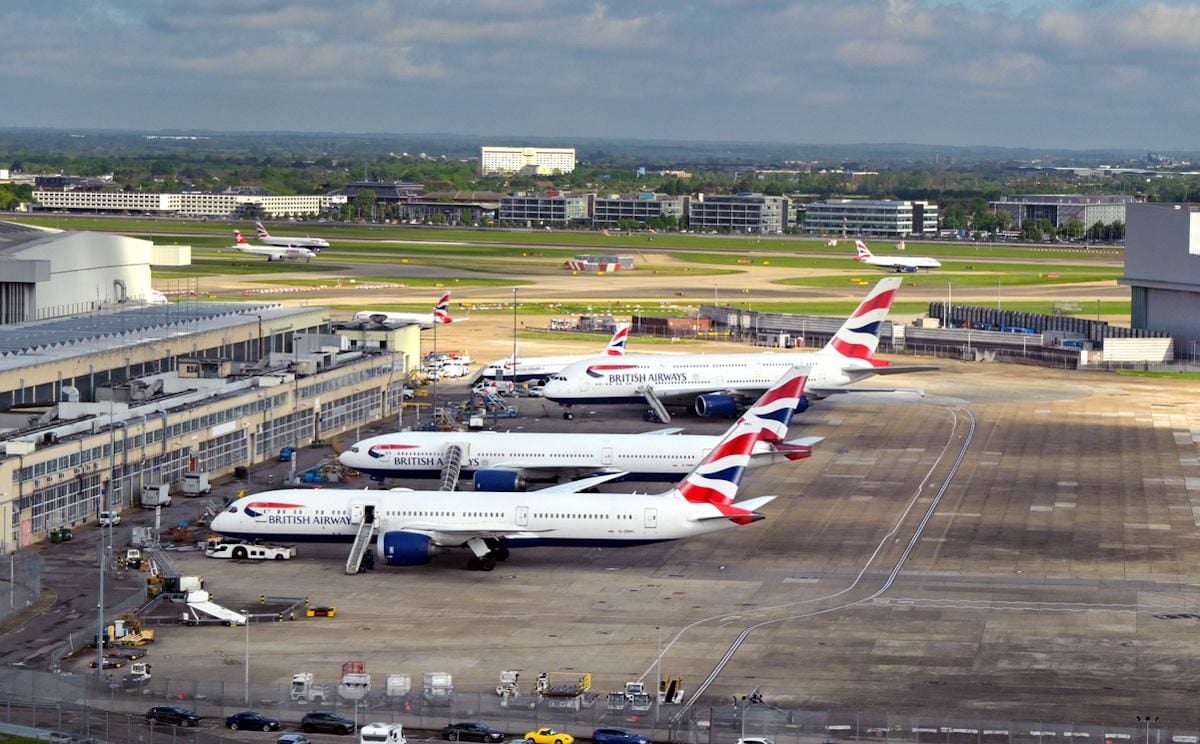
In an era of global uncertainty and shifting geopolitical landscapes, the way we travel is changing. While the “DIY” holiday—booking flights, hotels, and transfers separately—was once the gold standard for savvy travelers, a new trend is emerging. According to recent data, British holidaymakers are returning to the classic organized package holiday in record numbers.
A new survey conducted by Jet2 in May, involving over 1,000 UK consumers, reveals a significant “vote of confidence” in the security and peace of mind that package deals provide.
The Shift by the Numbers
The preference for package holidays has seen a notable jump in just a few months. According to the research:
* 51% of travelers now name the organized package as their preferred booking method—an increase of five percentage points since February.
* Conversely, the number of people who prefer to book through multiple different providers has dropped to 20% (a decrease of six percentage points).
* The “accommodation only” market has shrunk to just 2%.
Why the Change of Heart?
While value (36%) and convenience (36%) remain the top drivers for booking a package, the biggest mover in the data is the desire for protection.
The benefit of “added security with a single provider” (such as ATOL and ABTA protection) has risen to 26%, up four points since February. In light of tensions in the Middle East and fluctuating fuel prices, travelers want to know that if their plans change, they are covered.
Protection Against the Unexpected
One of the major draws of a package holiday is the financial and logistical safety net. Under ATOL/ABTA protection, travelers are guaranteed:
1. Refunds if travel plans are cancelled.
2. Assistance and rebooking if a provider fails.
3. No Hidden Costs: Leading providers like Jet2 have already confirmed they will not implement fuel surcharges on existing bookings, despite rising oil prices.
“Certainty in Uncertain Times”
Steve Heapy, CEO of Jet2.com and Jet2holidays, noted that the trend is a direct response to the current global climate. “Consumers want certainty in times of uncertainty, and organized travel provides that assurance,” Heapy stated.
He emphasized that beyond just the legal protections, travelers are looking for providers with a track record of customer service. Jet2, for instance, has been recognized as a “Recommended Provider” by Which? for eight consecutive years, highlighting the value consumers place on trust.
The Bottom Line for Summer 2026
As we head into a busy summer season, the message from British travelers is clear: the “peace of mind” factor is now just as important as the destination itself. By consolidating flights, hotels, and transfers into one protected bundle, holidaymakers are ensuring that their hard-earned break remains stress-free, regardless of what is happening in the world.
“Travel with Confidence”: TUI UK CEO Reassures Brits Over Fuel and Flight Safety Concerns
As the May school holidays approach, many British travelers have been feeling a sense of unease. Headlines regarding potential fuel shortages and the impact of Middle East tensions on aviation have sparked fears of last-minute cancellations and rising costs.
However, Neil Swanson, CEO of TUI UK and Ireland, is stepping forward with a clear and reassuring message: Your holidays are safe.
Business as Usual for TUI
In a recent statement aimed at calming the travel market, Swanson dismissed rumors of widespread flight disruptions. He emphasized that TUI’s flight program is operating exactly as planned, with no cancellations on the horizon due to fuel supply issues.
“We know that some customers may feel a little anxious after recent news,” Swanson stated. “We want to reassure those traveling during the May holidays that they can look forward to their break with confidence with TUI.”
No Hidden Costs: The Price You See is the Price You Pay
One of the biggest concerns for travelers during geopolitical instability is the sudden implementation of “fuel surcharges.” Swanson was quick to put these fears to rest, confirming that TUI’s careful planning regarding fuel hedging and capacity means the company will not be passing extra costs onto consumers.
Key takeaways for TUI travelers:
* No Fuel Surcharges: TUI will not impose additional fees due to rising fuel costs.
* Stable Pricing: The price confirmed at the time of booking is the final price.
* Full Protection: All TUI package holidays remain protected by ABTA and ATOL, providing financial security from the moment of booking until the return home.
A Unified Front in the Travel Industry
TUI’s intervention isn’t an isolated one. It follows similar reassuring statements from the UK Government, ABTA, and other major carriers like easyJet. Together, these industry leaders are working to create a stable environment for consumers, ensuring that the conflict in the Middle East does not derail the long-awaited holiday season.
Swanson noted that TUI has a “good overview” of its fuel supply chain, allowing them to maintain their original schedule without compromise.
Peace of Mind for the May Holidays
For those heading to the sun-drenched beaches of Greece, Spain, or beyond this month, the message is simple: Don’t let the headlines spoil your countdown. With robust planning and full consumer protection in place, TUI is ensuring that the only thing travelers need to worry about is what to pack in their suitcase.



